

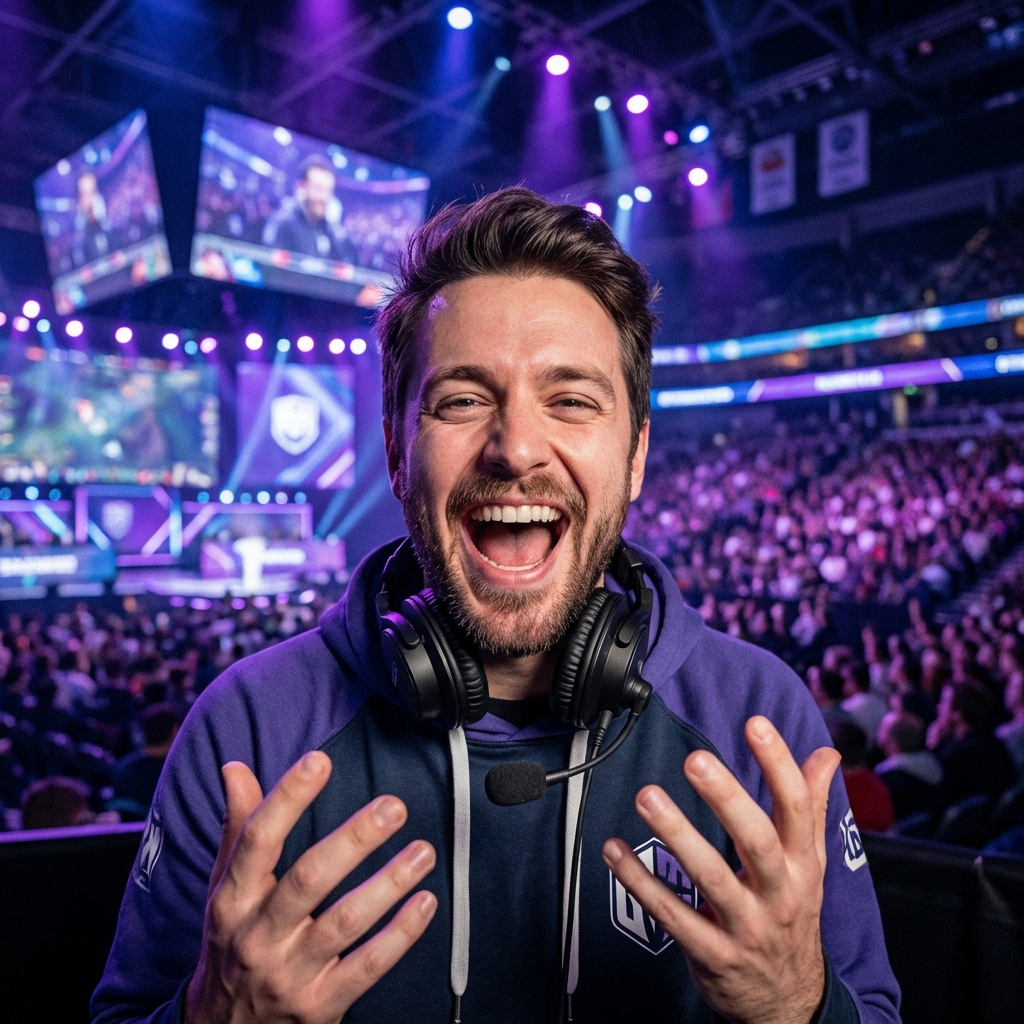
 Tom 'Retro' Baker
⏱ 18 min
The global cloud gaming market is projected to reach $100 billion by 2028, a staggering increase from an estimated $10 billion in 2023, signaling a monumental shift in how interactive entertainment is consumed. This isn't just about playing the latest AAA titles on a weak laptop; it's about democratizing high-fidelity gaming experiences and fundamentally altering the economics and accessibility of the industry.
Cloud Gamings Ascent: More Than Just a Fad
Once relegated to niche technology demonstrations and met with skepticism, cloud gaming has rapidly matured into a viable and increasingly dominant force in the entertainment sector. The core proposition – streaming games from powerful remote servers directly to any internet-connected device – addresses long-standing barriers to entry in the gaming world. For decades, enjoying cutting-edge graphics and complex gameplay required significant upfront investment in dedicated hardware, such as expensive consoles or high-performance PCs. This created a digital divide, where many potential gamers were excluded due to cost or technical limitations. Cloud gaming dismantles this barrier, offering a subscription-based model that shifts the hardware burden entirely to the service provider. This paradigm shift is particularly impactful in emerging markets and for younger demographics where discretionary spending on gaming hardware can be prohibitive. A smart TV, a modest smartphone, or an aging laptop can suddenly become a portal to an expansive library of AAA titles, transforming casual observers into active participants. The economics of game distribution are also in flux. Instead of relying on physical media sales or digital downloads that require considerable storage space and download times, cloud gaming services offer instant access. This immediacy is crucial in a world accustomed to on-demand content, from streaming movies to listening to music. ### The Latency Conundrum The primary technical hurdle that has historically plagued cloud gaming is latency – the delay between a player's input and the on-screen response. In fast-paced genres like first-person shooters or fighting games, even milliseconds of lag can render a game unplayable or, at best, frustrating. Early iterations of cloud gaming services struggled significantly with this, leading to a perception of the technology as fundamentally flawed. However, advancements in network infrastructure, including the widespread deployment of fiber optics and the increasing ubiquity of 5G mobile networks, have dramatically mitigated this issue. Furthermore, game developers and streaming platforms are implementing sophisticated techniques to minimize perceived latency. These include predictive input processing, which anticipates player actions, and optimizing game engines for streaming environments. Edge computing, which involves processing data closer to the user, is also playing a crucial role in reducing the physical distance data needs to travel, thereby decreasing latency. ### Beyond the Hype: Early Adopters and Their Experiences Early adopters of cloud gaming services often reported a mixed bag of experiences. While some lauded the convenience and accessibility, others found persistent issues with stuttering, visual artifacts, and input lag, particularly during peak usage times or on less-than-ideal internet connections. These initial challenges, while understandable given the nascent nature of the technology, unfortunately shaped public perception for some time. However, the continuous improvements in both network technology and streaming protocols have steadily transformed these experiences. The days of cloud gaming being a "best effort" experience are rapidly giving way to a polished, console-like quality for a significant portion of users.The Technical Hurdles and Triumphs of Cloud Gaming
The engineering feat behind cloud gaming is monumental. It involves maintaining massive data centers populated with high-end gaming hardware, running games in parallel, encoding video streams in real-time, and transmitting them over the internet with minimal delay. This requires sophisticated server architecture, robust networking capabilities, and advanced video compression algorithms. The primary challenge, as alluded to, has always been latency. The round-trip time for a player's command to reach the server, be processed, and have the resulting video stream sent back is a complex journey. To combat this, companies are investing heavily in distributed data center networks. Instead of having a few central locations, servers are being deployed in numerous "edge" locations, geographically closer to end-users. This significantly reduces the physical distance data must travel, a critical factor in latency reduction. For instance, a gamer in New York might connect to a server in a New Jersey data center, rather than one in California. This strategic placement, coupled with high-bandwidth connections between these edge locations and the internet backbone, forms the foundation of modern cloud gaming infrastructure. ### The Role of 5G and Broadband The advent of 5G mobile technology is a game-changer for cloud gaming. Its higher bandwidth and significantly lower latency compared to previous mobile generations make it ideal for streaming high-fidelity game content on the go. This means that a gamer can potentially enjoy the same experience on their smartphone during a commute as they would on their home PC. Similarly, widespread adoption of high-speed broadband internet, particularly fiber optic connections, is crucial. Without consistent, low-latency, high-bandwidth internet, even the most advanced cloud gaming service will falter. The correlation between internet speed and cloud gaming performance is undeniable, and as broadband infrastructure continues to improve globally, so too will the accessibility and quality of cloud gaming. ### Video Compression and Encoding: The Unsung Heroes A critical but often overlooked aspect of cloud gaming is the efficiency of video compression and encoding. The raw output from a gaming GPU can be immense. To stream this smoothly over the internet, it must be compressed into a video format that can be transmitted quickly and decoded by the client device with minimal processing power. Companies are developing proprietary codecs and leveraging advanced encoding techniques to achieve high visual quality at lower bitrates. This ensures that even users with less powerful devices or less robust internet connections can still have a playable experience, albeit with potentially lower graphical fidelity. The continuous innovation in this space directly impacts the visual clarity, frame rate, and overall responsiveness of cloud gaming.| Technology | Typical Latency | Ideal Conditions |
|---|---|---|
| Standard Broadband (DSL/Cable) | 30-70ms | 15-30ms |
| Fiber Optic Broadband | 10-30ms | 5-10ms |
| 5G Mobile Network | 10-50ms | 5-15ms |
| 4G LTE Mobile Network | 50-150ms | 40-80ms |
Cloud Gaming Adoption by Region (Projected 2025)
Unlocking Accessibility: Gaming for the Masses
The most profound impact of cloud gaming lies in its potential to democratize access to high-quality gaming. Consider the average cost of a modern gaming PC or console. A high-end PC can easily set a gamer back $1,500 to $3,000, while current-generation consoles typically range from $400 to $500, often with the added cost of games. For many families, this is a significant barrier. Cloud gaming, however, often operates on a monthly subscription model, with prices typically ranging from $10 to $20. This drastically lowers the financial entry point for experiencing the latest gaming titles. ### Breaking Down Hardware Dependencies This shift fundamentally changes the hardware landscape. Instead of needing a dedicated gaming rig, users can leverage devices they likely already own. A modern smartphone, a tablet, an affordable laptop, or even a smart TV can serve as the gateway to a vast gaming library. This is particularly transformative for individuals in developing economies or those who are not traditionally considered "gamers" due to cost or technical complexity. It opens up gaming as a mainstream entertainment option, akin to streaming music or video. ### The Rise of Casual and Mobile Gamers The convenience of cloud gaming also appeals to a growing segment of the population that may not have the time or inclination for traditional gaming. The ability to pick up a game on a commute, during a lunch break, or for a quick session on the sofa without the need for lengthy installations or complex setups is highly attractive. This inclusivity is expected to attract a more diverse player base, broadening the appeal of gaming beyond its existing demographics.$10-$20
Monthly Subscription Cost (Typical)
$400-$500
Console Cost (Typical)
$1500+
Gaming PC Cost (Typical)
"Cloud gaming isn't just about playing games on more devices; it's about fundamentally reshaping the economics of game access and fostering a more inclusive gaming culture. We're witnessing the dawn of an era where hardware is no longer the primary gatekeeper."
— Dr. Anya Sharma, Lead Gaming Analyst, Tech Insights Group
The Evolving Landscape of Cloud Gaming Services
The cloud gaming market is no longer a nascent experiment; it's a competitive arena featuring major tech giants and dedicated gaming companies. Each service aims to differentiate itself through its game library, pricing models, platform compatibility, and technological innovations. Understanding these offerings is key to grasping the current state and future trajectory of cloud gaming. ### Key Players and Their Strategies * **Xbox Cloud Gaming (xCloud):** Integrated into Xbox Game Pass Ultimate, xCloud offers access to a large library of Xbox Game Pass titles streamed to PCs, mobile devices, and consoles. Microsoft's strategy leverages its existing Game Pass subscriber base and its extensive portfolio of first-party studios. * **NVIDIA GeForce NOW:** This service allows users to stream games they already own on platforms like Steam, Epic Games Store, and Ubisoft Connect. GeForce NOW emphasizes its ability to run games on lower-end hardware by offloading the processing to NVIDIA's powerful GPUs. * **PlayStation Plus Premium:** Sony's offering includes cloud streaming for a selection of PlayStation, PS2, PSP, and PS4 games, alongside the ability to download many titles. It's an extension of their established PlayStation ecosystem. * **Amazon Luna:** Luna offers a tiered subscription model, allowing users to access different "channels" of games, including a general gaming channel and specific publisher channels. It aims for broad device compatibility. * **Google Stadia (Discontinued):** While Stadia is no longer operational, its impact on the industry cannot be ignored. Its ambition and technological advancements, even with its eventual shutdown, provided valuable lessons and pushed competitors to innovate. Its failure highlighted the complexities of building a sustainable ecosystem and the importance of strong game partnerships. ### Differentiated Offerings: Libraries and Monetization The primary differentiator for many cloud gaming services is the available game library. Some, like xCloud, offer a curated selection as part of a subscription. Others, like GeForce NOW, focus on leveraging games users already own, creating a more flexible experience. The monetization strategies also vary. Most opt for a monthly subscription, but some experiment with tiered access or even free-to-play models with optional premium features. ### The Impact of Partnerships and Exclusivity As the market matures, partnerships and exclusivity deals are becoming increasingly important. Game developers are exploring how to optimize their titles for cloud streaming, and publishers are considering the strategic advantages of making their games available on specific cloud platforms. This could lead to a similar dynamic as seen in the console wars, where exclusive titles become significant draws for subscribers. The long-term viability of these services may well depend on their ability to secure compelling content that entices players to commit to their platform.Beyond Entertainment: Cloud Gamings Broader Implications
The transformative power of cloud gaming extends far beyond simply providing a new way to play video games. Its underlying technology and economic model have the potential to influence other industries and reshape our digital lives in several significant ways. ### Democratizing High-Performance Computing The infrastructure built for cloud gaming – massive server farms, high-speed networking, and efficient data processing – is inherently similar to the requirements for other demanding computational tasks. This includes scientific research, AI model training, and complex simulations. As cloud gaming providers refine these systems, they are inadvertently developing technologies that can be leveraged for these other sectors. This could accelerate advancements in fields that currently rely on expensive, specialized hardware. ### New Avenues for Game Development and Monetization For game developers, cloud gaming opens up new possibilities. Instead of being constrained by the processing power of a user's local device, developers can create more ambitious and visually stunning experiences, knowing that the heavy lifting is done on powerful remote servers. This could lead to a new generation of games that are simply not feasible on current-generation hardware. Furthermore, the subscription-based model of cloud gaming encourages developers to think about ongoing engagement and live services, potentially leading to more dynamic and evolving game worlds. ### Environmental Considerations The environmental impact of gaming is a growing concern. Traditional gaming, with its power-hungry consoles and PCs, contributes to significant energy consumption. Cloud gaming, when operated efficiently, has the potential to be more energy-efficient. By consolidating processing power in highly optimized data centers, rather than in millions of individual homes, the overall energy footprint could be reduced. However, the energy demands of these large data centers are substantial, and their environmental impact is a subject of ongoing research and optimization. The shift towards renewable energy sources for powering these centers will be crucial.
"Cloud gaming is more than a gaming trend; it's a harbinger of a more distributed and accessible computing future. The lessons learned in delivering low-latency, high-fidelity experiences will undoubtedly permeate other sectors reliant on high-performance computing."
— Elena Petrova, Senior Software Architect, Apex Computing Solutions
The Road Ahead: Challenges and Opportunities
Despite its rapid advancements, cloud gaming is not without its challenges. For it to truly fulfill its potential, several key obstacles need to be overcome, and opportunities must be seized. ### Persistent Connectivity and Data Usage The reliance on a stable, high-speed internet connection remains the most significant barrier to universal adoption. In regions with underdeveloped internet infrastructure, cloud gaming will remain inaccessible. Furthermore, the high data consumption associated with streaming games can be a deterrent for users with capped data plans, particularly on mobile networks. Continued investment in global broadband infrastructure and the development of more efficient streaming codecs are essential. ### The "Ownership" Dilemma and Digital Rights A common concern among gamers is the concept of "owning" their games. In a cloud gaming model, users typically subscribe to access a library of games rather than purchasing them outright. This raises questions about long-term access, particularly if a service is discontinued. Ensuring clear digital rights and providing options for continued access to purchased content, even after a subscription ends, will be crucial for building trust and player loyalty. ### The Evolving Definition of "Gaming Hardware" As cloud gaming matures, the definition of gaming hardware will continue to blur. We may see a rise in dedicated cloud gaming devices that are optimized for streaming but lack local processing power. These devices could be more affordable and streamlined than traditional consoles or PCs, further enhancing accessibility. The success of these devices will depend on their integration with services and their ability to offer a seamless user experience. ### Opportunities in Emerging Markets and Niche Genres Emerging markets represent a vast untapped potential for cloud gaming. As internet penetration increases and disposable income grows, these regions could become major drivers of adoption. Additionally, cloud gaming's ability to run on diverse hardware opens doors for niche genres and independent games that might struggle to find a market on traditional platforms due to the cost of development and distribution for a wide range of hardware configurations.Frequently Asked Questions
What is cloud gaming?
Cloud gaming is a technology that allows players to stream video games from remote servers to their devices. Instead of running the game on local hardware, the processing is done on powerful servers in a data center, and the video output is streamed to the player's screen, similar to how video-on-demand services work.
Do I need a powerful computer to play cloud games?
No, that's the primary benefit of cloud gaming. You generally only need a device capable of streaming video (like a smartphone, tablet, smart TV, or a basic laptop/PC) and a stable, high-speed internet connection. The heavy lifting of running the game is handled by the remote servers.
What kind of internet connection do I need for cloud gaming?
A stable and fast internet connection is crucial. Most services recommend a minimum download speed of around 10-20 Mbps for a good experience, with 50 Mbps or higher being ideal for higher resolutions and smoother gameplay. Low latency (ping) is also very important to minimize input lag.
Can I play any game through cloud gaming?
Not all games are available on all cloud gaming services. Each service curates its own library of games. Some services, like NVIDIA GeForce NOW, allow you to stream games you already own from digital storefronts like Steam, while others, like Xbox Cloud Gaming, offer access to a specific subscription library.
Is cloud gaming as good as playing on a local console or PC?
The experience can be very close, especially with high-speed internet and services that have optimized their streaming technology. However, there can still be some latency, visual artifacts, or compression issues, particularly on less-than-ideal connections or during peak usage times, compared to playing a game installed locally. Continuous improvements are making the gap smaller every year.