

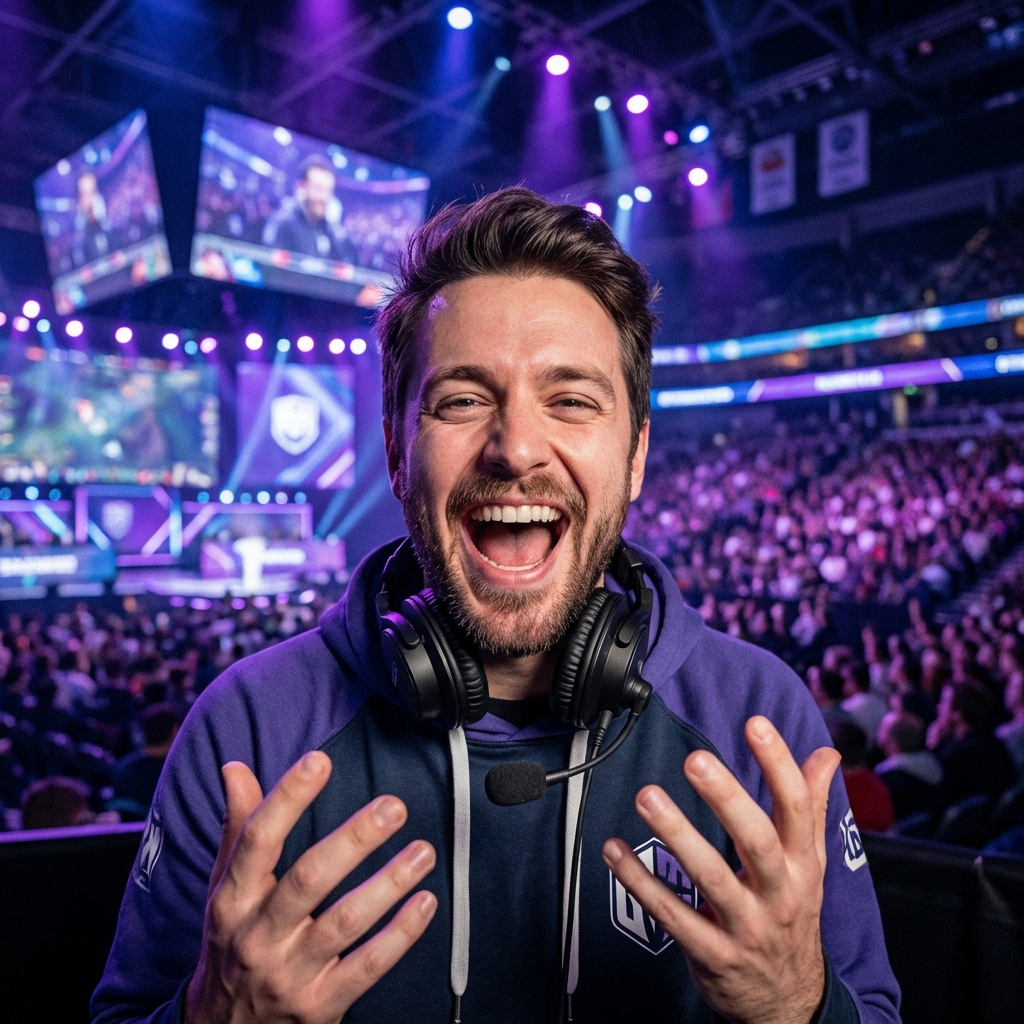
 Tom 'Retro' Baker
⏱ 15 min
The global video game market is projected to surpass $300 billion by 2027, a significant surge driven by the disruptive forces of cloud gaming and subscription services that are fundamentally reshaping how players access and engage with interactive entertainment.
The Shifting Landscape of Interactive Entertainment
For decades, the cornerstone of video gaming has been the ownership of physical media or digital licenses tied to specific hardware. Players bought consoles, PCs, and then purchased individual games, often at substantial upfront costs. This model, while familiar and proven, presented inherent limitations. Access was dictated by hardware investment and the physical availability of software. The advent of high-speed internet and advancements in data streaming, however, has initiated a profound transformation, moving away from a product-centric model to a service-centric one. This shift isn't merely about convenience; it's about democratizing access, broadening player bases, and redefining the very concept of what it means to "play" a game. The traditional gaming ecosystem fostered a strong sense of ownership. A purchased game was yours to keep, to play whenever and however you wished, provided you had the compatible hardware. This was a powerful psychological anchor for consumers. However, this also meant significant capital expenditure for both consumers and developers. Consumers had to invest in expensive consoles or high-end PCs, and game developers and publishers faced the colossal task of physical distribution, managing inventory, and dealing with piracy. The digital revolution began to chip away at these barriers with digital storefronts, but the underlying model of purchasing individual titles largely persisted. Now, cloud gaming and subscription services are dismantling these established paradigms at an unprecedented pace. They are transforming gaming from a series of discrete purchases into an ongoing, fluid experience. This evolution is driven by a confluence of technological advancements, changing consumer expectations, and the strategic maneuvering of major industry players. The result is a more accessible, diverse, and potentially more engaging gaming landscape than ever before.From Ownership to Access: A Paradigm Shift
The core of this transformation lies in the fundamental shift from a model of ownership to a model of access. Instead of buying a game outright, players are increasingly subscribing to platforms that offer a library of titles. This means that for a recurring fee, a vast collection of games becomes available, playable on a variety of devices without the need for high-end local hardware. This liberates players from the constraints of expensive hardware upgrades and the obligation to purchase each game individually. It's akin to the transition seen in music and film with the rise of Spotify and Netflix, respectively. This access-based model has several key advantages for consumers. Firstly, it significantly lowers the barrier to entry. A powerful gaming PC or the latest console can cost upwards of $500-$1000. Cloud gaming services, on the other hand, can be accessed with a relatively inexpensive streaming device, a smart TV, or even a mobile phone, provided there's a stable internet connection. This vastly expands the potential audience for games, bringing titles that were once exclusive to dedicated gaming hardware into the hands of a much wider demographic. Furthermore, subscription services offer a curated experience. Players are exposed to a wider variety of genres and titles than they might typically seek out and purchase themselves. This can lead to discovery and an appreciation for games they might otherwise have overlooked. For families, it can mean a single subscription covers entertainment for multiple individuals, often with features like multiple profiles and parental controls.The Economic Implications for Consumers
Economically, the subscription model can be highly attractive. For avid gamers who play a wide variety of titles, the cost of subscribing to a service offering hundreds of games can be significantly less than purchasing those same games individually. Consider a scenario where a player wants to try out 10-15 new games a year, each costing $60-$70. That's an annual outlay of $600-$1050. A subscription service at $15-$20 per month amounts to $180-$240 annually, offering access to potentially far more content. However, the economic benefit is not universal. For players who are highly selective, focusing on only a few blockbuster titles each year, purchasing individual games might still be more cost-effective. The value proposition of subscription services hinges on the breadth of content offered and the player's willingness to explore beyond their usual preferences. This is a key area where providers must continually demonstrate value to retain subscribers.The Rise of Cloud Gaming: Anytime, Anywhere Play
Cloud gaming, often referred to as "gaming on demand," is perhaps the most revolutionary aspect of this transformation. Services like Xbox Cloud Gaming, NVIDIA GeForce NOW, and PlayStation Plus Premium allow players to stream games directly to their devices, with the heavy processing done on remote servers. This eliminates the need for powerful local hardware, as the game is rendered in a data center and the video stream is sent to the player. This fundamentally changes the hardware equation for gaming. The core technology behind cloud gaming involves sophisticated server infrastructure capable of running demanding game engines and then encoding the output into a video stream that is transmitted over the internet with minimal latency. This requires robust data centers, powerful graphics processing units (GPUs), and advanced networking capabilities. Latency, the delay between a player's input and the on-screen response, is the critical bottleneck. Minimizing this delay is paramount for a fluid and enjoyable gaming experience, especially in fast-paced genres like first-person shooters or fighting games. This model offers unparalleled flexibility. A player can start a game on their PC at home and then pick up exactly where they left off on their tablet or smartphone while commuting, assuming a stable internet connection. This fluidity aligns perfectly with modern consumer habits, which favor multi-device usage and seamless transitions between platforms. The dream of playing AAA titles on any screen, without complex setups or expensive hardware, is rapidly becoming a reality.Addressing the Latency Challenge
Latency has historically been the Achilles' heel of cloud gaming. The further a player is from the server, the longer it takes for data to travel, leading to noticeable delays. To combat this, cloud gaming providers are investing heavily in a global network of data centers. By strategically placing these servers closer to major population centers, they can significantly reduce the physical distance data needs to travel. Edge computing is also playing a crucial role. By processing data at the "edge" of the network, closer to the user, latency can be further reduced. Techniques like predictive input and intelligent compression algorithms are also employed to smooth out the gameplay experience, even when bandwidth fluctuates. The continuous refinement of these technologies is steadily improving the quality of the cloud gaming experience, making it more viable for a wider range of games and players.Device Agnosticism and Accessibility
One of the most compelling aspects of cloud gaming is its device agnosticism. Players are no longer tethered to a specific console or PC. A game that requires a $1,000 gaming PC can be streamed and played on a $100 streaming stick, a smart TV, a tablet, or even a high-end smartphone. This dramatically lowers the barrier to entry, making gaming accessible to a broader audience that might not have the disposable income or technical expertise to build and maintain powerful gaming hardware. This accessibility extends to individuals with disabilities. Cloud gaming can potentially offer new ways to interact with games, as input methods and control schemes can be more adaptable when managed through software on the server-side. Furthermore, the reduced need for local hardware simplifies setup and maintenance, making it easier for a wider range of users to get started and enjoy their gaming experiences.Subscription Services: A New Model for Access
Subscription services have become a dominant force in the entertainment industry, and gaming is no exception. Platforms like Xbox Game Pass, PlayStation Plus, Nintendo Switch Online, and Apple Arcade offer a catalog of games for a monthly or annual fee. This model provides immense value to consumers by granting access to a vast library of titles, including many new releases and day-one launches, often included as part of the subscription. These services operate on a tiered model, with basic subscriptions offering access to online multiplayer and a rotating selection of free games, while higher tiers unlock larger libraries, cloud gaming capabilities, and exclusive content. This tiered approach allows providers to cater to different player needs and budgets, maximizing revenue potential while still offering compelling value propositions. The competition among these services is fierce, driving innovation and compelling content acquisition strategies.The Value Proposition of Game Libraries
The appeal of a large, curated game library is undeniable. For a fixed monthly cost, subscribers gain access to hundreds, sometimes thousands, of games across various genres and platforms. This eliminates the need for individual purchases, which can quickly become prohibitively expensive, especially for players who enjoy exploring a wide range of titles. Services like Xbox Game Pass have been particularly successful by including first-party titles on day one of their release, offering immediate value to subscribers. This model also encourages players to step outside their comfort zones and try games they might otherwise have ignored. The "try before you buy" aspect is inherent, as players can download and play a game without any additional cost beyond their subscription. This discovery mechanism is a significant benefit, potentially leading to a broader appreciation of gaming's diversity and complexity.Impact on Player Engagement and Retention
Subscription services are designed to foster long-term player engagement. By offering a continuous stream of new content and a deep well of existing titles, they aim to keep players subscribed month after month. The gamification of subscription benefits, such as loyalty rewards or exclusive in-game items for subscribers, further enhances retention. The "fear of missing out" (FOMO) is also a powerful motivator. When a highly anticipated game is added to a subscription service on day one, it incentivizes players to subscribe to avoid missing out on the initial buzz and community engagement surrounding its launch. This creates a dynamic ecosystem where players are constantly engaged with the platform and its offerings.Technological Hurdles and Innovations
Despite the rapid advancements, cloud gaming and subscription models still face significant technological hurdles. The most prominent is the persistent challenge of latency and bandwidth. For a truly seamless experience, players require a stable, high-speed internet connection. In regions with less robust infrastructure, cloud gaming can be an inconsistent or even unplayable experience. Innovations in data compression, network protocols, and server-side rendering are continuously being developed to mitigate these issues. Providers are also exploring more distributed computing models, bringing processing power closer to the user through edge computing. Furthermore, advancements in AI are being used to predict player inputs and optimize game performance in real-time, further reducing the impact of latency.Bandwidth Requirements and Network Optimization
The amount of data required to stream a high-fidelity game is substantial. A typical HD stream can consume several gigabytes per hour. For 4K streaming, this figure can easily double or triple. This means that players in areas with limited or expensive data caps can find cloud gaming to be cost-prohibitive or impractical. Network optimization is therefore a key focus for cloud gaming providers. They employ sophisticated techniques to compress video streams, prioritize game data packets, and dynamically adjust stream quality based on available bandwidth. This ongoing race to deliver the best possible visual fidelity and responsiveness over varying network conditions is a testament to the engineering challenges involved.The Evolution of Hardware and Software Integration
The integration of cloud gaming and subscription services requires a fundamental rethinking of how hardware and software interact. Instead of games being optimized for specific console architectures or PC hardware configurations, they must now be designed to run efficiently on a diverse range of cloud-based server setups and be adaptable to varying client devices. This necessitates a more standardized approach to game development, with a greater emphasis on middleware and cross-platform compatibility. Developers need to consider how their games will perform across a spectrum of network conditions and hardware capabilities, from high-end PCs to low-power mobile devices. This pushes the boundaries of game engine technology and optimization techniques.The Evolving Business Models and Monetization
The shift towards cloud gaming and subscriptions has forced a reevaluation of traditional business models and monetization strategies in the gaming industry. While upfront game sales were the primary revenue driver, subscription services introduce a recurring revenue stream. This provides greater financial predictability for companies but also requires a constant investment in content to retain subscribers. Beyond subscriptions, other monetization avenues are being explored. In-game purchases, season passes, and microtransactions continue to be prevalent, even within subscription services. The challenge lies in balancing these monetization efforts with the value proposition of the subscription itself, ensuring players feel they are getting a good deal rather than being nickel-and-dimed.Subscription Revenue vs. Game Sales
The financial implications of this shift are significant. Companies that successfully transition to a subscription-based model can benefit from a more stable and predictable revenue stream. However, this comes at the cost of potentially lower per-unit revenue compared to selling a blockbuster game at full price. The success of a subscription service hinges on its ability to attract and retain a massive subscriber base.| Service | Monthly Price (approx.) | Key Offerings |
|---|---|---|
| Xbox Game Pass Ultimate | $16.99 | Game Pass library, Cloud Gaming, Xbox Live Gold, EA Play |
| PlayStation Plus Premium | $17.99 | Game catalog, Cloud streaming, Classic games, Monthly free games |
| NVIDIA GeForce NOW (Ultimate) | $19.99 | Priority access, RTX ON, Extended session lengths (requires owned games) |
| Apple Arcade | $4.99 | Exclusive mobile games, no ads or in-app purchases |
The Role of Free-to-Play and Hybrid Models
The rise of free-to-play (F2P) games, particularly on mobile and PC, has also influenced the subscription landscape. Many F2P games incorporate their own monetization strategies through in-app purchases or battle passes. Hybrid models, where a subscription service might offer access to a base library of games while also integrating with or featuring F2P titles, are becoming increasingly common. This diversification of revenue streams allows companies to cater to a broader audience and experiment with different engagement strategies. The ultimate goal is to create a sticky ecosystem that keeps players engaged and spending within the platform, whether through subscription fees, in-game purchases, or other avenues.85%
of gamers use at least one subscription service.
40%
of revenue in the gaming industry now comes from recurring services.
1.5 Billion
hours streamed via cloud gaming annually.
"The democratization of access is the single biggest impact of cloud gaming. We're seeing a generation of players who don't necessarily see gaming as a hobby requiring expensive hardware, but rather as an accessible form of entertainment, much like streaming movies."
— Anya Sharma, Lead Analyst, TechForward Insights
Impact on Game Development and Publishing
The fundamental changes in how games are delivered and consumed have a profound impact on game development and publishing. Developers must now consider the performance of their games across a wide range of cloud infrastructure and client devices. This requires a greater emphasis on optimization and adaptability. The traditional release window model, where a game is launched and then supported through patches and DLC, is being supplemented by a continuous engagement model driven by live services and evolving content within subscription platforms. For publishers, the focus shifts from the single-unit sale of a game to the ongoing management of a service and its subscriber base. This necessitates a different approach to marketing, community management, and content delivery. The long-term success of a game is no longer solely dependent on its initial sales but on its ability to retain players within the ecosystem over extended periods.Shifting Development Priorities
Developers are adapting to the demands of the cloud and subscription era. Performance optimization for streaming environments, where latency and bandwidth are critical factors, has become paramount. This involves techniques like adaptive streaming, predictive rendering, and efficient asset management. Games designed for subscription services often need to offer a high volume of content or engaging live-service elements to keep players engaged. The emphasis on day-one releases for subscription services also pressures development timelines. Studios must ensure their games are polished and ready for immediate release to meet subscription commitments. This can lead to increased collaboration between developers and platform holders to ensure smooth integration and timely delivery.The Role of Indie Developers
Indie developers can find significant opportunities in the subscription model. Services like Apple Arcade have provided a platform for a curated selection of independent games, offering exposure to a large audience that might otherwise be difficult to reach through traditional retail channels. For many indies, getting their game onto a major subscription service can be a game-changer, providing vital revenue and widespread visibility. However, the economics of revenue sharing on these platforms are complex and can sometimes be a point of contention. While visibility is a major draw, the actual revenue generated per play can be significantly lower than direct sales. This necessitates careful negotiation and a clear understanding of the financial models involved.Looking Ahead: The Future of Gaming Ecosystems
The trajectory of cloud gaming and subscription services points towards an increasingly interconnected and accessible gaming future. We can expect to see further integration of these models with other forms of entertainment, potentially blurring the lines between gaming, social media, and interactive media. The concept of a "gaming metaverse," where players can seamlessly transition between different virtual experiences, is also being fueled by these advancements. The competition among major players like Microsoft, Sony, Amazon, and Google will continue to drive innovation. We may see more exclusive content tied to specific subscription services, further fragmenting the market or, conversely, leading to greater interoperability as companies recognize the benefits of broader reach. The future of play is undoubtedly digital, on-demand, and deeply intertwined with the overarching digital ecosystem.Projected Growth of Cloud Gaming Market (USD Billions)
The Metaverse and Social Integration
The concept of the metaverse, a persistent, interconnected set of virtual spaces, is intrinsically linked to the advancements in cloud gaming and streaming. The ability to access rich, graphically intensive virtual worlds on demand, from any device, is a foundational element for building and populating these future digital realities. As these technologies mature, we can anticipate more immersive social gaming experiences that extend beyond traditional gameplay loops.The Future of Hardware and Ecosystems
While cloud gaming aims to reduce reliance on powerful local hardware, it won't entirely eliminate it. Dedicated streaming devices, specialized controllers, and even advanced mobile phones will continue to play a role in optimizing the experience. The competition between ecosystems — Microsoft's Xbox ecosystem, Sony's PlayStation ecosystem, and the PC gaming ecosystem, alongside emerging platforms — will continue to shape how these services are accessed and integrated into our daily lives. The ultimate winner will be the one that offers the most seamless, compelling, and value-driven gaming experience.Is cloud gaming better than playing on a local console or PC?
Cloud gaming offers unparalleled convenience and accessibility by eliminating the need for expensive hardware. However, for the absolute best performance, lowest latency, and highest visual fidelity, a powerful local PC or console often still holds an advantage, assuming a stable internet connection is not a limiting factor.
Will subscription services replace the purchase of individual games entirely?
It's unlikely they will completely replace individual game purchases. Many players prefer owning their games, and some niche titles or collector's editions will always appeal to a direct purchase model. However, subscriptions are undoubtedly becoming the dominant way many players access a broad range of games.
What is the minimum internet speed required for good cloud gaming?
Most cloud gaming services recommend a minimum download speed of 10-15 Mbps for standard HD streaming. For 4K streaming and a more consistent experience, 35-50 Mbps or higher is generally recommended. Stable latency is also critical.
Are there any ethical concerns with subscription gaming?
Some concerns include the potential for a "walled garden" effect where players are locked into specific ecosystems, the ongoing cost of subscriptions, and the impact on game preservation if titles are removed from service libraries. The business practices and revenue sharing models are also subjects of ongoing discussion.