

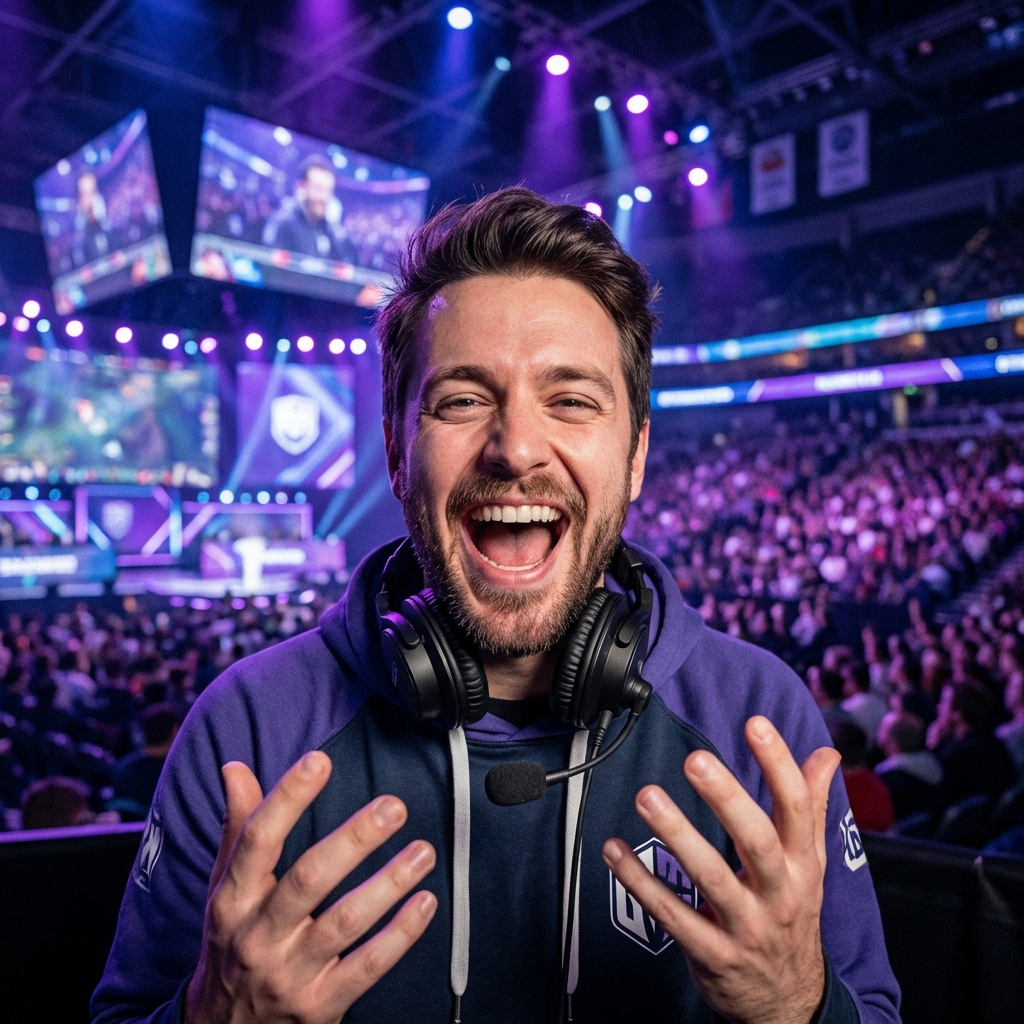
 Tom 'Retro' Baker
⏱ 15 min
The global cloud gaming market was valued at approximately $11.1 billion in 2022 and is projected to reach over $100 billion by 2030, indicating a compound annual growth rate exceeding 30%.
Cloud Gamings Ascent: A Revolution in Progress
The landscape of video game consumption is undergoing a seismic shift, moving away from the traditional model of hardware ownership and physical media towards accessible, on-demand entertainment. Cloud gaming, often referred to as "gaming as a service," represents the vanguard of this transformation. Instead of requiring powerful, expensive consoles or PCs to run demanding titles, players can now stream games directly to their devices, be it a smartphone, tablet, laptop, or even a smart TV. This paradigm shift promises to democratize access to high-fidelity gaming experiences, breaking down the barriers of entry that have historically limited the hobby to a dedicated, and often affluent, segment of the population. The core principle is simple yet profound: the heavy lifting of rendering complex graphics and processing game logic occurs on remote servers, with the resulting video stream sent back to the player. This fundamentally alters the economics and accessibility of interactive entertainment. The allure of cloud gaming is multifaceted. For consumers, it means instant access to vast libraries of games without the need for lengthy downloads or installations. It eliminates the perpetual upgrade cycle of hardware, which can cost hundreds, if not thousands, of dollars every few years. Furthermore, it opens up the possibility of playing AAA titles on devices that would otherwise be incapable of running them, effectively transforming a modest smartphone into a portal to cutting-edge gaming experiences. For the industry, it presents an opportunity to reach a broader audience, tap into new revenue streams, and foster a more consistent engagement model through recurring subscriptions. The implications for how games are developed, distributed, and consumed are vast and still unfolding. The journey of cloud gaming has not been without its challenges. Early attempts, while visionary, were hampered by technological limitations. The internet infrastructure of the late 2000s and early 2010s simply wasn't robust enough to handle the demands of real-time, high-definition streaming with low latency. However, advancements in internet speeds, particularly the proliferation of fiber optics and 5G mobile networks, coupled with significant investment from tech giants, have brought the dream of seamless cloud gaming closer to reality. This progress has paved the way for the sophisticated services we see today, poised to redefine the future of play.The Giants Enter the Arena: NVIDIA GeForce NOW, Xbox Cloud Gaming, PlayStation Plus Premium
The cloud gaming battleground is fiercely contested by a handful of industry titans, each leveraging their established ecosystems and vast resources to capture market share. NVIDIA, a company synonymous with graphical processing units (GPUs), was an early pioneer with its GeForce NOW service. This platform differentiates itself by allowing users to stream games they already own on platforms like Steam and Epic Games Store, effectively acting as a remote, powerful gaming PC. This approach appeals to gamers who have invested heavily in their digital libraries and are reluctant to repurchase titles for a streaming service. GeForce NOW offers different tiers, with a free option providing access to limited playtime and a premium subscription unlocking faster hardware, longer sessions, and prioritized access. Microsoft's Xbox Cloud Gaming, integrated into its Xbox Game Pass Ultimate subscription, represents another formidable contender. By leveraging its massive Xbox ecosystem and its acquisition of ZeniMax Media and Activision Blizzard, Microsoft offers a compelling proposition: access to a vast and growing library of first-party and third-party titles playable across a wide range of devices. This service is particularly attractive to subscribers of Xbox Game Pass, as it adds significant value to an already popular service. The ability to seamlessly transition from playing on a console to continuing the same game on a phone or tablet is a key selling point. Sony's PlayStation Plus Premium also enters the fray, offering cloud streaming for a selection of PlayStation 4, PlayStation 3, and classic PlayStation titles. While its library might not be as extensive as Xbox's or as versatile as GeForce NOW's in terms of BYOG (Bring Your Own Game) capability, it provides a crucial avenue for PlayStation loyalists to access a curated catalog of beloved games without requiring legacy hardware. The strategic positioning of these services highlights different philosophies: NVIDIA focuses on empowering existing game ownership, Microsoft aims for an all-encompassing subscription service with vast content, and Sony targets its established fanbase with a mix of new and retro content. The competition among these giants is driving innovation and pushing the boundaries of what's technically possible. Each service is continuously refining its infrastructure, improving streaming quality, and expanding its game offerings. This intense rivalry is ultimately beneficial for consumers, who stand to gain from better performance, more choices, and potentially more competitive pricing. The presence of these established players signals a significant industry commitment to cloud gaming as a viable and potentially dominant future for interactive entertainment.NVIDIA GeForce NOW: The PC Gamers Cloud Companion
NVIDIA GeForce NOW has carved a unique niche by acting as a bridge between a gamer's existing PC game library and the convenience of cloud streaming. It's not a storefront in the traditional sense; rather, it's a service that lets you "rent" high-end gaming hardware in the cloud. This means if you own a game on Steam, Epic Games Store, Ubisoft Connect, or other supported platforms, you can often stream it through GeForce NOW without repurchasing it. This "bring your own games" model is a significant draw for PC gamers who have already invested substantially in their game collections. The service offers free and premium subscription tiers, with the latter providing access to RTX-enabled servers for ray tracing, longer gaming sessions, and faster queue times.Xbox Cloud Gaming: Game Passs Streaming Powerhouse
Microsoft's integration of cloud gaming into Xbox Game Pass Ultimate is a masterstroke in subscription strategy. It transforms Game Pass from a mere game library into a comprehensive gaming platform. With Xbox Cloud Gaming, subscribers can stream a vast selection of Game Pass titles to their PCs, mobile devices, and even smart TVs. This cross-platform accessibility is a major advantage, allowing players to start a game on their console and continue it on their phone during their commute, for instance. The rapid expansion of Game Pass's content library, bolstered by major studio acquisitions, ensures that Xbox Cloud Gaming remains a highly competitive offering.PlayStation Plus Premium: A Curated Streaming Experience
Sony's approach with PlayStation Plus Premium focuses on its legacy and its dedicated fanbase. The service offers cloud streaming for a curated selection of PlayStation 4, PlayStation 3, and classic PlayStation titles. While it doesn't yet support streaming of the latest PS5 games, the inclusion of PS3 and older titles provides a unique retro gaming appeal. For PlayStation owners who may not have upgraded to the latest hardware or who wish to revisit beloved classics, PlayStation Plus Premium offers a convenient way to do so without requiring physical discs or older consoles.Technical Hurdles: Latency, Bandwidth, and the Quest for True Immersion
Despite the significant progress in cloud gaming technology, several technical challenges remain formidable barriers to widespread adoption and the delivery of a truly seamless experience. The most critical of these is latency, the delay between a player's input and the corresponding action appearing on screen. In fast-paced games, particularly competitive multiplayer titles, even a few milliseconds of delay can mean the difference between victory and defeat. This latency is influenced by several factors, including the distance between the player and the nearest server, the quality of the player's internet connection, and the efficiency of the streaming encoder and decoder. Bandwidth is another crucial factor. Streaming high-definition video, especially at 60 frames per second with HDR, requires a substantial amount of data. While internet speeds have improved dramatically, many households, particularly in rural areas or developing regions, still lack the consistent, high-speed connections necessary to enjoy cloud gaming without experiencing buffering, pixelation, or stuttering. This disparity in internet infrastructure creates a digital divide, potentially limiting cloud gaming's reach to those in well-connected urban and suburban areas. The quest for true immersion in cloud gaming is inextricably linked to overcoming these technical limitations. Visual fidelity, frame rates, and responsiveness are all essential components of a compelling gaming experience. When these elements are compromised by technical issues, immersion is broken, and player satisfaction plummets. Developers and cloud providers are constantly working to optimize compression algorithms, improve server infrastructure, and implement predictive technologies to mitigate latency. However, achieving a level of performance that is indistinguishable from playing on local hardware remains an ongoing engineering feat.The Latency Demon: Input Lag in the Digital Realm
Latency is the bane of cloud gaming. Imagine pressing a button to jump in a game, and your character doesn't leap for a noticeable fraction of a second. This input lag can render many genres unplayable. Factors contributing to latency include the time it takes for your input signal to reach the remote server, the server's processing time, the time it takes for the rendered frame to be encoded, transmitted back to you, and finally decoded by your device. Reducing this chain of events to the absolute minimum is paramount.Bandwidth Bottlenecks: The Data Deluge
Streaming high-resolution, high-framerate gameplay requires a significant and consistent flow of data. A stable internet connection with ample bandwidth is non-negotiable. For instance, streaming a 4K game at 60fps can consume upwards of 35-50 Mbps, and this demand can fluctuate. In areas with inconsistent or slow internet, this becomes a major bottleneck, leading to a degraded visual experience and frustrating interruptions.Compression Artifacts and Visual Fidelity
To reduce the amount of data that needs to be transmitted, video streams are compressed. However, aggressive compression can lead to visual artifacts, such as blockiness, blurring, or a loss of fine detail. This can detract from the intended visual fidelity of a game, especially for titles that pride themselves on stunning graphics. The challenge lies in finding the optimal balance between efficient compression and preserving visual quality.| Resolution | Frame Rate | Recommended Speed | Minimum Speed |
|---|---|---|---|
| 720p | 30fps | 15 | 10 |
| 1080p | 60fps | 25 | 15 |
| 1440p | 60fps | 35 | 20 |
| 4K | 60fps | 50 | 30 |
Global Cloud Gaming User Growth (Millions)
The Business Model Maze: Subscriptions, Hardware, and Monetization Strategies
The economic underpinnings of cloud gaming are as diverse as the services themselves, presenting a complex puzzle for both providers and consumers. The dominant business model is subscription-based, offering tiered access to game libraries and streaming capabilities. This model aligns with the broader trend of "as-a-service" offerings across various entertainment sectors. Companies like Microsoft with Xbox Game Pass and Sony with PlayStation Plus Premium provide a fixed monthly fee for access to a curated catalog of games, a strategy that fosters consistent revenue and player engagement. However, other models are also in play. NVIDIA GeForce NOW's approach, as mentioned, is a hybrid, allowing users to stream games they already own from other digital storefronts, with subscription tiers determining the quality of hardware and session length. This model respects existing game ownership and appeals to a segment of the market that is hesitant to pay for games multiple times. Beyond subscriptions, there's the potential for direct-to-consumer purchases of individual games within a cloud gaming platform, a model that more closely resembles traditional game sales but with the added benefit of instant playability without downloads. The hardware question also looms large. While cloud gaming aims to reduce reliance on expensive local hardware, there's still an implicit need for capable end-user devices – smartphones, tablets, PCs, or smart TVs. Furthermore, for optimal performance, dedicated controllers or peripherals might be necessary, adding an indirect hardware cost for some users. Companies are exploring ways to bundle hardware or offer devices optimized for cloud gaming to lower this barrier. The long-term monetization strategy will likely involve a combination of these approaches, with providers experimenting to find the most profitable and user-friendly pathways.Subscription Dominance: The Netflix Model for Gaming
The most prevalent model is the subscription service, where users pay a recurring fee for access to a library of games. Xbox Game Pass Ultimate and PlayStation Plus Premium are prime examples, offering a vast selection of titles for a monthly or annual payment. This provides predictable revenue for publishers and developers and a cost-effective way for players to access a wide variety of games.Hardware Agnosticism vs. Indirect Costs
Cloud gaming's promise is to liberate players from the need for expensive consoles and PCs. However, users still need a device capable of receiving a stream and displaying it – a smartphone, tablet, laptop, or smart TV. For some games, a dedicated controller is also essential, adding an indirect hardware cost. Providers are exploring ways to make this transition as seamless and affordable as possible.The Free-to-Play and Ad-Supported Frontier
While less common for AAA titles, free-to-play games could find a natural home in the cloud, with monetization occurring through in-game purchases, similar to their mobile counterparts. Some services might also explore ad-supported tiers, offering a free entry point with advertisements interspersed between games or during loading screens.$15
Avg. Monthly Cost (Premium Subscription)
60%
Projected Market Growth Rate
100+
Avg. Games in Subscription Libraries
3-5
Avg. Years for Hardware Refresh Cycle (Traditional)
Content is King: Game Libraries, Exclusivity, and Developer Adoption
The ultimate success of any cloud gaming service hinges on its ability to attract and retain players, and the primary driver of that is content – specifically, the games available on the platform. The sheer breadth and depth of a game library are critical factors. Services offering hundreds, if not thousands, of titles across various genres are more likely to appeal to a wider audience. This is where the strategic importance of game acquisition and licensing becomes paramount. Exclusivity has long been a powerful tool in the gaming industry, and cloud gaming is no exception. While services like NVIDIA GeForce NOW thrive on the BYOG model, platforms like Xbox Cloud Gaming and PlayStation Plus Premium benefit from exclusive first-party titles that are only available on their subscription services. The ongoing consolidation of major game studios under the umbrellas of these tech giants will undoubtedly lead to more exclusive content, further intensifying competition and shaping player choices. This trend raises questions about the future of game ownership and accessibility for those not subscribing to specific services. Developer adoption is another crucial piece of the puzzle. For cloud gaming to truly flourish, developers must be incentivized and enabled to bring their games to these platforms. This involves ensuring that game engines and development tools are compatible with cloud infrastructure, and that the revenue-sharing models are attractive enough to justify the effort. As more developers embrace cloud development and porting, the quality and variety of games available will increase, creating a virtuous cycle that benefits both creators and consumers.The Power of the Library: Variety and Depth
A comprehensive game library is the cornerstone of any successful cloud gaming service. Players expect a wide range of genres, from action-adventure and RPGs to strategy and indie titles, to keep them engaged. The more titles available, the higher the likelihood that a player will find something they enjoy.Exclusivity Wars: The Battle for Must-Play Titles
Just as consoles have historically relied on exclusive games to drive hardware sales, cloud gaming services are increasingly leveraging exclusivity to attract subscribers. First-party titles and timed exclusives can be powerful draws, compelling players to subscribe to a particular service to play the latest highly anticipated games.Developer Engagement: Building the Ecosystem
For cloud gaming to reach its full potential, developers need to be actively involved. This means providing them with the tools and support to optimize their games for streaming, and ensuring that the economic models are favorable. A robust developer ecosystem is essential for a thriving content library.
"The biggest hurdle for cloud gaming, beyond the technical aspects, is convincing players to trust that their purchased or subscribed-to content will remain accessible. The digital ownership model is still deeply ingrained, and the idea of streaming a game without truly owning it can be a psychological barrier."
— Dr. Anya Sharma, Senior Game Industry Analyst
The Players Perspective: Accessibility, Cost, and the Future of Ownership
From the player's viewpoint, cloud gaming presents a compelling mix of benefits and considerations that will ultimately shape its trajectory. The most significant advantage is enhanced accessibility. By removing the need for expensive hardware, cloud gaming opens the door to interactive entertainment for a vastly larger demographic. A student with a limited budget, a casual user with only a smartphone, or an individual in a region with less access to high-end gaming PCs can now potentially enjoy the same AAA titles as their more affluent counterparts. This democratization of gaming is a powerful societal shift. However, the question of cost and value is complex. While subscription fees might seem lower than the upfront cost of a console or PC, the long-term expenditure can add up. Players must weigh the recurring costs against the ownership model. The debate around digital ownership versus access-to-service is a central theme. Unlike physical media or even digital purchases that grant a license to download and own a game indefinitely, cloud gaming subscriptions often mean access is contingent on maintaining the subscription. If a service is discontinued or a player cancels their subscription, access to those games may be lost. This raises critical questions about the future of game ownership. Will players eventually shift their mindset from "owning" games to "accessing" them as part of a service? The success of music and video streaming platforms suggests that this shift is not only possible but likely. However, the interactive nature of gaming, where players invest significant time and emotional capital into their digital worlds, might create a stronger attachment to the concept of ownership. The long-term viability of cloud gaming will depend on its ability to address these player concerns and offer a compelling value proposition that balances convenience with perceived value and control.Lowering the Barrier to Entry: Gaming for All
Cloud gaming's primary appeal to consumers is its accessibility. By eliminating the need for costly hardware, it allows individuals who might not have the financial means to purchase high-end gaming PCs or consoles to participate in the world of AAA gaming.The Subscription Dilemma: Access vs. Ownership
The subscription model presents a trade-off. While it offers a cost-effective way to access a large library of games, it also means that players are essentially renting access rather than owning the games. This can be a point of contention for gamers who value the permanence of ownership.The Evolving Definition of Playing
Cloud gaming is fundamentally changing how we perceive "playing" a game. It shifts the focus from the hardware and the installation to the experience of playing itself, accessible anytime, anywhere, on almost any device.Beyond the Horizon: The Metaverse, AI, and the Evolution of Interactive Entertainment
The current iteration of cloud gaming is just the beginning. As the technology matures and internet infrastructure continues to improve globally, its potential applications and integrations expand exponentially. One of the most hyped future applications is its role in the burgeoning metaverse. Cloud gaming could provide the seamless, high-fidelity experiences necessary to populate persistent virtual worlds, allowing users to access complex, graphically intensive games and experiences within the metaverse without requiring powerful local hardware. Imagine stepping into a virtual concert hall and then seamlessly transitioning into playing a multiplayer game with friends within that same virtual space, all powered by cloud infrastructure. Artificial intelligence (AI) is another frontier where cloud gaming is poised to play a pivotal role. AI can be leveraged to enhance cloud gaming services in numerous ways. For instance, AI can optimize game streaming in real-time, dynamically adjusting compression and network parameters to ensure the best possible experience for each individual user based on their connection and device capabilities. AI can also be used to personalize game recommendations, create more dynamic and responsive NPCs (non-player characters) within games, and even assist in game development by automating certain tasks. The synergy between advanced AI and cloud gaming promises to unlock new levels of interactivity and immersion. Furthermore, cloud gaming could pave the way for entirely new forms of interactive entertainment that we haven't even conceived of yet. The ability to render and stream complex simulations and experiences in real-time opens up possibilities for educational applications, virtual tourism, and interactive storytelling that transcend current limitations. As the technology becomes more ubiquitous and affordable, it will likely become an integral part of how we consume and interact with digital content, blurring the lines between gaming, social interaction, and other forms of digital media. The future of play is not just about playing games; it's about experiencing interactive worlds, and cloud gaming is set to be the engine that powers this evolution.The Metaverse Engine: Fueling Virtual Worlds
Cloud gaming's capacity for high-fidelity, low-latency streaming makes it an ideal candidate to power the complex, persistent environments envisioned for the metaverse, enabling users to access rich interactive experiences within these virtual spaces.AI-Powered Optimization and Enhancement
Artificial intelligence can significantly improve the cloud gaming experience by dynamically optimizing stream quality, personalizing content recommendations, and even enhancing in-game AI for more realistic and engaging interactions.New Frontiers in Interactive Media
Beyond traditional gaming, cloud streaming can enable entirely new forms of interactive media, from immersive educational tools and virtual exploration platforms to novel forms of narrative experiences that were previously technologically infeasible.What is cloud gaming?
Cloud gaming, also known as gaming on demand, is a type of video game service that streams games from remote servers to a user's device. This means players don't need to download or install games on their own hardware; instead, they play them over the internet.
Do I need a powerful device to play cloud games?
No, that's the main advantage of cloud gaming. Since the game processing is done on remote servers, you only need a device capable of streaming video and receiving input – such as a smartphone, tablet, laptop, or smart TV – and a stable internet connection.
What is latency in cloud gaming?
Latency, or input lag, is the delay between when you perform an action (like pressing a button) and when that action is reflected on screen. High latency can significantly degrade the gaming experience, especially in fast-paced games.
Will cloud gaming replace traditional gaming consoles?
It's unlikely to completely replace them in the near future. Cloud gaming offers a different, more accessible way to play, but many gamers still prefer the dedicated hardware, offline play capabilities, and the sense of ownership that traditional consoles provide. It's more likely to coexist and complement existing gaming methods.