

 Marcus Thorne
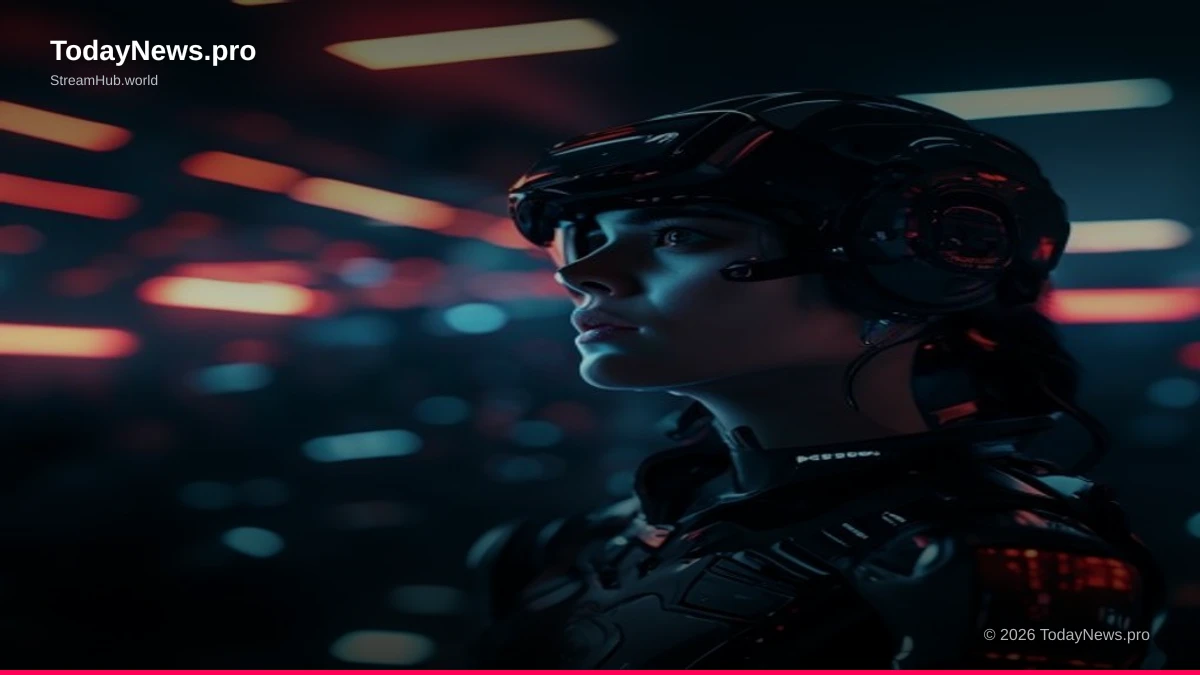
⏱ 15 min
The global virtual reality market is projected to reach $22.8 billion by 2028, signaling a seismic shift in how entertainment, particularly cinema, is consumed.
The Dawn of Immersion: Beyond the Flat Screen
For over a century, the cinematic experience has been largely defined by the passive observation of a two-dimensional image projected onto a screen. This paradigm, while foundational, has reached its evolutionary apex, paving the way for a new era of engagement. The advent of immersive technologies, primarily virtual reality (VR) and augmented reality (AR), is not merely an upgrade; it represents a fundamental redefinition of what it means to watch a movie. These technologies move audiences from the periphery of the narrative to its very core, transforming them from spectators into active participants within the storyworld. The tactile, spatial, and multisensory elements introduced by VR and AR are dismantling the traditional barriers between viewer and film, promising a future where cinema is experienced, not just watched.Defining Immersion: More Than Just a Bigger Picture
Immersion in the context of cinematic technology refers to the degree to which a viewer feels present within the simulated environment. It’s not simply about the size of the screen or the clarity of the image; it’s about the psychological and sensory engagement that tricks the brain into believing it's in another place. VR headsets achieve this by completely blocking out the real world and presenting a computer-generated 360-degree environment. AR, conversely, overlays digital information and imagery onto the user's view of the real world, creating a blended reality. Both approaches aim to deepen the emotional connection to the narrative by making the experience more visceral and believable.The Evolution of Display Technologies
The journey towards immersive cinema began with incremental improvements in display technology. From the advent of widescreen formats like CinemaScope and the development of high-definition displays to the leap into stereoscopic 3D, each innovation aimed to enhance visual fidelity and presence. However, these were largely extensions of the existing flat-screen model. The true revolution lies in technologies that liberate the viewer from fixed perspectives. High-resolution VR headsets with wide fields of view and sophisticated tracking systems, alongside AR glasses capable of rendering photorealistic digital objects in real-world spaces, are the true harbingers of this new cinematic age. The focus is shifting from the quality of the image on a screen to the quality of the perceived reality itself.Virtual Realities: Stepping Inside the Story
Virtual reality filmmaking is arguably the most direct descendant of traditional cinema, yet it offers a profoundly different way to engage with narratives. In a VR film, the camera is no longer a passive observer or a selective eye; it becomes the viewer's own perspective. This means that every direction can be looked at, and the director's intention is conveyed not just through what is placed in front of the viewer, but also through sound design, character placement, and subtle environmental cues. VR storytelling often abandons linear, plot-driven structures in favor of more experiential, observational, or interactive approaches. The challenge lies in guiding the viewer's attention within a 360-degree space without resorting to traditional cinematic techniques like close-ups or overt directorial cues, which can break the illusion of presence.From 360° Video to Interactive Narratives
The early days of VR cinema were dominated by 360-degree videos, essentially capturing a scene from a fixed point in all directions. While offering a sense of presence, these often lacked narrative depth and interactivity. The current wave of VR filmmaking is moving towards more sophisticated, interactive experiences. This involves not only spatial audio and photorealistic rendering but also the incorporation of user agency. Viewers might be able to make choices that affect the plot, interact with characters, or explore environments at their own pace. This blurs the lines between film and video games, creating a hybrid medium that leverages the strengths of both. For example, a horror film might allow the viewer to decide which door to open, directly impacting their survival.Case Studies in VR Storytelling
Pioneering VR films have already demonstrated the potential of this medium. Projects like "The Displaced" by Emmanuel Lubezki and the team at Vice, which puts viewers in the shoes of Syrian refugees, use VR to foster empathy and understanding through direct experience. Felix & Paul Studios has consistently pushed the boundaries with documentaries like "The Nomads" and "Space Explorers," offering intimate glimpses into diverse lives and extraordinary environments. These films often rely on observational storytelling, allowing the viewer to absorb the atmosphere and emotional weight of the situation organically. The success of such projects highlights the power of VR to create profound emotional connections by immersing the audience directly into the subject matter.Growth in VR Content Production (USD Billion)
Augmented Realities: Blurring the Lines of Perception
Augmented reality offers a subtler, yet equally transformative, approach to immersive cinema. Instead of transporting viewers to an entirely new world, AR integrates digital elements into the real world. This could manifest as interactive characters appearing in a living room, historical overlays on real-world locations viewed through a smartphone or AR glasses, or even abstract visual effects that respond to the viewer's environment. The key advantage of AR is its accessibility; many current AR experiences are delivered through smartphones, a device already ubiquitous in most households. However, the ultimate goal for many developers and filmmakers is the widespread adoption of lightweight, unobtrusive AR glasses, which would allow for truly seamless integration of digital content into everyday life.AR in Location-Based Entertainment
One of the most immediate applications of AR in storytelling is in location-based entertainment. Imagine visiting a historical site and, through your AR glasses, seeing it as it was centuries ago, complete with animated figures and contextual information appearing around you. Theme parks are already experimenting with AR to enhance rides and attractions, creating a layer of magic that complements the physical experience. Interactive AR scavenger hunts that lead users through a city, uncovering a narrative as they go, are another promising avenue. This transforms public spaces into dynamic stages for storytelling, making the real world a canvas for cinematic experiences.Interactive AR Films and Experiences
AR filmmaking is exploring narratives that are deeply intertwined with the viewer's physical space. A story might unfold across different rooms in a house, with characters appearing and interacting with the environment. For instance, a mystery film could place clues scattered throughout the viewer's home, requiring them to physically search for and interact with them. This interactivity extends beyond simple exploration. AR experiences can incorporate elements of augmented reality gaming, where narrative progression is tied to solving puzzles or completing tasks within the real-world environment. The potential for personalized storytelling, where the narrative adapts to the viewer's surroundings and interactions, is immense.65%
of consumers interested in AR entertainment
2030
projected AR glasses market value (USD Billions)
300+
major studios experimenting with AR
AIs Script: From Creation to Consumption
Artificial intelligence is rapidly becoming an indispensable tool across the entire filmmaking pipeline, from pre-production to post-production and even audience engagement. In content creation, AI can assist in scriptwriting, generating plot ideas, character backstories, and even dialogue. Visual effects artists can leverage AI for tasks like rotoscoping, object removal, and even generating complex textures and environments. Furthermore, AI-powered tools are democratizing filmmaking, making sophisticated techniques accessible to a wider range of creators. For instance, generative AI models can create entirely new visual assets or animate existing ones with minimal human input.AI in Content Generation and Enhancement
AI's role in generating visual content is perhaps the most talked-about aspect. Tools like Midjourney and DALL-E can produce stunning concept art and even storyboards based on textual prompts. Generative Adversarial Networks (GANs) are being used to create realistic digital actors, backgrounds, and special effects. This not only speeds up production but also opens up new creative possibilities, allowing filmmakers to realize visions that were previously too expensive or technically challenging. AI can also be used to de-age actors, re-create historical figures, or even generate entirely fictional creatures with unprecedented realism. The ethical implications of AI-generated content, particularly concerning deepfakes and intellectual property, are significant and are being actively debated within the industry and regulatory bodies.Personalized Storytelling with AI
Beyond content creation, AI has the potential to revolutionize how audiences interact with films. Imagine an AI that can dynamically alter a film's narrative based on viewer preferences, mood, or even real-time biometric data. This could lead to "adaptive cinema," where each viewing experience is unique. For example, an AI could subtly change character motivations, adjust the pacing, or even offer different plot branches based on the viewer's engagement levels. This level of personalization moves beyond simple genre preferences, offering a deeply tailored cinematic journey. Companies are exploring AI algorithms that can analyze audience sentiment during a screening and make real-time adjustments to the content to maximize engagement and emotional impact."AI is not here to replace human creativity, but to amplify it. It's a powerful co-pilot for filmmakers, enabling them to explore uncharted territories of storytelling and visual expression that were previously unimaginable." — Dr. Anya Sharma, Lead AI Researcher, Innovate Media Labs
The Audience Reimagined: Personalized and Participatory Experiences
The traditional model of a unified audience experiencing a film simultaneously in a darkened theater is giving way to more fragmented, personalized, and participatory models. Immersive technologies and AI are enabling audiences to engage with content on their own terms, in their own time, and often in ways that involve active participation. This shift is driven by a desire for greater agency and a more profound connection with the stories being told. The concept of "interactivity" in cinema is no longer limited to choosing between two endings; it's about shaping the narrative, influencing character arcs, and even contributing to the world of the film.Interactive Narratives and Branching Storylines
The rise of interactive films, popularized by platforms like Netflix with titles such as "Bandersnatch," demonstrates a growing appetite for viewer agency. These films present viewers with choices at critical junctures, leading to divergent plotlines and multiple endings. As technology advances, these branching narratives are becoming more complex, allowing for subtle influences on character development and thematic exploration rather than just drastic plot shifts. The challenge for creators is to design compelling narrative arcs that remain satisfying regardless of the choices made, ensuring that each path offers a meaningful and coherent experience.The Rise of the Prosumer in Filmmaking
Immersive technologies and AI tools are also empowering audiences to become creators themselves, blurring the lines between consumption and production. User-generated content in VR and AR is on the rise, with individuals building their own virtual worlds or creating augmented reality filters and experiences. This "prosumer" movement can feed back into the professional industry, with studios identifying promising talent and ideas emerging from the creator community. Furthermore, participatory filmmaking, where audiences contribute elements to a film, such as dialogue or character ideas, is becoming more feasible with the aid of AI moderation and integration tools.| Year | Growth in Interactive Content Revenue (USD Billion) | Projected Growth Rate |
|---|---|---|
| 2023 | 3.2 | 15% |
| 2026 | 6.5 | 18% |
| 2030 | 11.8 | 20% |
Ethical Frontiers and the Future Canvas
As immersive technologies and AI become more integrated into the cinematic experience, a host of ethical considerations come to the forefront. The potential for deep fakes and AI-generated propaganda, the privacy implications of data collection in VR and AR environments, and the question of intellectual property for AI-generated content are all critical issues that require careful consideration and proactive regulation. Furthermore, the potential for addiction and the psychological impact of prolonged immersion in virtual worlds are also areas of growing concern.Deepfakes, Authenticity, and Intellectual Property
The ability of AI to generate photorealistic images and videos raises significant questions about authenticity and trust. Deepfakes, which can convincingly place individuals in fabricated scenarios, pose a threat to reputation, democracy, and the very notion of truth. Filmmakers must navigate the ethical landscape of using AI for creative purposes while ensuring that the content remains transparent and accountable. The legal framework surrounding intellectual property for AI-generated works is still nascent, creating uncertainty about ownership and copyright. This necessitates collaboration between technologists, legal experts, and policymakers to establish clear guidelines.Privacy and Data Security in Immersive Spaces
VR and AR devices often collect vast amounts of personal data, including user movements, gaze patterns, and even biometric information. This data, if mishandled, can have severe privacy implications. Ensuring robust data security measures and transparent data usage policies is paramount for building trust with audiences. The collection of such intimate data also raises questions about targeted advertising and the potential for manipulation within immersive environments. Ethical design principles must prioritize user privacy and control over their digital and physical footprints."The ethical considerations surrounding AI and immersive tech are not roadblocks, but guardrails. We must build these technologies with a strong moral compass to ensure they enhance human experience rather than exploit it. Transparency and user consent are non-negotiable." — Dr. Evelyn Reed, Ethicist, Future of Media Institute
Challenges and the Road Ahead
Despite the immense potential, the widespread adoption of immersive cinematic experiences faces several significant hurdles. The cost of high-end VR and AR hardware remains a barrier for many consumers. The development of compelling, high-quality immersive content is still in its early stages, and the technical expertise required can be substantial. Furthermore, issues such as motion sickness in VR, the social isolation that can result from solitary immersive experiences, and the need for standardized platforms and distribution channels all present challenges.Hardware Accessibility and Cost
The current generation of VR headsets, while improving, can still be expensive and may require powerful computing hardware. AR glasses are even further from mass-market affordability and widespread adoption. Until these devices become more accessible and user-friendly, a significant portion of the audience will be excluded from the most immersive experiences. The development of more affordable, lighter, and more comfortable hardware is crucial for democratizing immersive cinema.Content Development and Distribution
Creating content for VR and AR requires a new set of skills and a different approach to storytelling. Filmmakers need to learn how to design for spatial audio, interactivity, and a 360-degree environment. The development pipeline is often more complex and time-consuming. Furthermore, established distribution channels are still adapting to these new formats. Creating a robust ecosystem for discovering, purchasing, and experiencing immersive content is vital for its growth. Collaborations between content creators, platform providers, and hardware manufacturers will be key to overcoming these distribution challenges.The cinematic revolution is well underway, driven by the relentless innovation in immersive technologies and artificial intelligence. As these forces converge, they are not just altering the way movies are made and experienced, but fundamentally redefining the art of storytelling itself. The future of cinema promises to be more personal, more participatory, and more profoundly engaging than ever before.
What is the difference between VR and AR in filmmaking?
VR (Virtual Reality) completely immerses the viewer in a digital environment, blocking out the real world. AR (Augmented Reality) overlays digital elements onto the viewer's real-world surroundings, often viewed through a smartphone or AR glasses.
How is AI being used in filmmaking?
AI is used in various stages, including scriptwriting, visual effects generation, character animation, scene creation, and even personalized content adaptation for audiences.
Will VR and AR replace traditional cinema?
It's unlikely they will entirely replace traditional cinema, but rather offer complementary experiences. Traditional cinema will likely continue to exist for its unique social and communal aspects, while VR and AR will cater to more personalized and immersive forms of storytelling.
What are the main ethical concerns with immersive technologies?
Key ethical concerns include data privacy, potential for addiction, the psychological impact of prolonged immersion, the spread of deepfakes, and the implications for intellectual property of AI-generated content.
How can I experience immersive films today?
You can experience immersive films through VR headsets (e.g., Meta Quest, HTC Vive) for full VR experiences, or through smartphone apps that utilize AR capabilities for augmented reality content. Some interactive films are also available on streaming platforms.