

 Robert Stark
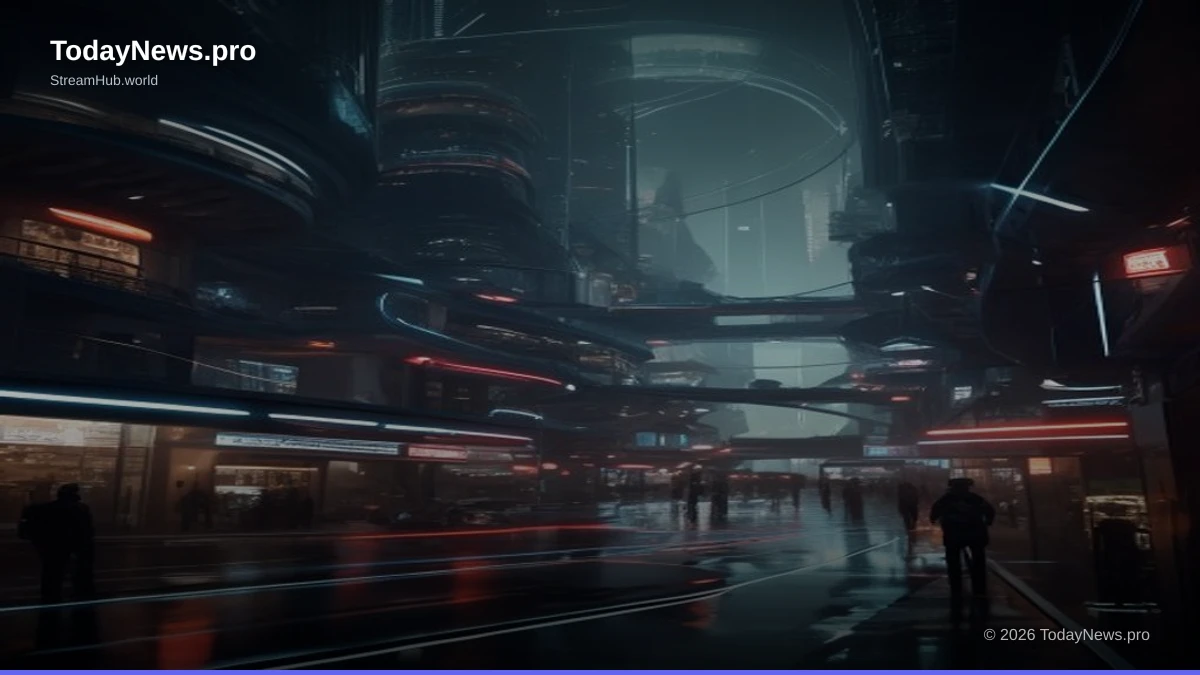
Building the Persistent Worlds: The Race for an Interoperable Metaverse
The concept of the metaverse, once confined to the realms of science fiction, is rapidly materializing into a tangible digital frontier. At its core lies the ambition to create persistent, interconnected virtual worlds where users can interact, socialize, work, and play seamlessly. This ambitious vision, however, hinges on a critical technological challenge: achieving true interoperability. Without it, the metaverse risks becoming a fragmented collection of walled gardens, limiting its potential and alienating users. TodayNews.pro delves into the intricate race to build these persistent worlds and the imperative for interoperability that defines its future.The Foundation: What Defines a Persistent World?
Before embarking on the journey towards an interoperable metaverse, it's crucial to understand the foundational elements of a persistent virtual world. These are not mere online games or chat rooms; they are digital environments that continue to exist and evolve even when individual users are not actively logged in.Characteristics of Persistence
Persistence in virtual worlds means that the state of the world, its objects, and the actions taken within it endure over time. This includes changes to the environment, the ownership of digital assets, and the progress of individuals or communities. Unlike a traditional game session that resets, a persistent world remembers and builds upon past events.
Key characteristics include:
- Continuous Existence: The world operates 24/7, independent of user activity.
- State Preservation: Data about the world, user progress, and ownership is stored and maintained.
- Dynamic Evolution: The world can change and grow based on user interactions and scheduled events.
- Shared Experiences: Multiple users can inhabit and interact within the same instance of the world simultaneously.
From Online Games to Virtual Universes
Many massively multiplayer online (MMO) games, such as "World of Warcraft" or "Second Life," exhibit strong elements of persistence. However, the metaverse aims to transcend these singular game environments. It envisions a network of interconnected worlds, each potentially offering unique experiences, but all sharing a common underlying infrastructure and allowing for seamless transitions and asset portability.
The distinction lies in scale and interconnectedness. While an MMO is a single persistent world, the metaverse is envisioned as a metaverse *of* worlds. This requires a layer of abstraction and standardization that allows different platforms and environments to recognize and interact with each other's data and entities.
The Interoperability Imperative: Breaking Down Digital Walls
The current landscape of digital experiences is largely characterized by fragmentation. Social media platforms, gaming environments, and virtual reality applications often operate as isolated ecosystems, preventing users from transferring assets, identities, or progress between them. This is the very problem interoperability seeks to solve for the metaverse.The Problem of Walled Gardens
Imagine purchasing a unique digital outfit in one virtual world, only to find it completely inaccessible or incompatible when you enter another. This is the reality of walled gardens. Companies build their platforms with proprietary technologies, making it difficult and often impossible for data and digital goods to move freely. This limits user choice, stifles innovation, and hinders the development of a truly unified virtual experience.
Benefits of an Interoperable Metaverse
Interoperability promises a paradigm shift. It would allow users to carry their digital identity, avatars, and owned assets (like virtual clothing, collectibles, or even property) across different metaverse platforms. This fosters:
- Enhanced User Experience: Users can invest their time and resources in one place and benefit from it across many.
- Greater Innovation: Developers can build on existing infrastructure and create richer, more complex experiences without reinventing the wheel for every asset.
- Economic Growth: A unified digital economy can emerge, with digital assets having broader utility and value.
- Increased Accessibility: A more cohesive metaverse is easier to navigate and understand for new users.
"Interoperability is not just a technical feature; it's the very soul of a true metaverse," states Dr. Anya Sharma, a leading researcher in decentralized technologies. "Without it, we are merely building beautiful, but isolated, islands instead of a connected continent."
The Economic Implications of Portability
The ability to move digital assets between worlds unlocks significant economic potential. Non-fungible tokens (NFTs) have emerged as a key technology here, providing unique digital ownership. However, for NFTs to truly revolutionize the metaverse economy, they need to be recognized and utilized across different platforms. An interoperable metaverse would allow a digital artwork purchased in one gallery to be displayed in a home in another world, or a virtual tool bought for a construction simulation to be used in a collaborative design project elsewhere.
Key Technologies Driving Interoperability
Achieving interoperability is a monumental undertaking that requires advancements across several technological domains. The convergence of these technologies is paving the way for a more connected virtual future.Blockchain and Decentralized Ledger Technology (DLT)
Blockchain technology, particularly through NFTs, provides a robust framework for verifiable digital ownership. It allows for the creation of unique, scarce digital assets that can be securely tracked and transferred across different platforms. Decentralized identity solutions built on blockchain can also enable users to maintain a consistent digital persona across various metaverse experiences.
Consider the implications for digital identity: Instead of creating a new login and profile for every metaverse platform, a blockchain-based decentralized identifier (DID) could serve as a portable digital passport, carrying verified credentials and preferences. This is a significant step towards a unified user experience.
Standardization Efforts and Open Protocols
The development of open standards and protocols is paramount. Organizations like the Khronos Group are working on standards for 3D asset formats (like glTF) and AR/VR development, which are crucial for ensuring that assets and environments can be rendered and understood across different engines and platforms. The Open Metaverse Alliance for the Metaverse (OMA3) is another initiative focused on fostering interoperability and open standards.
3D Engine Interoperability and Asset Pipelines
The way 3D assets are created, stored, and rendered is also a critical piece of the puzzle. Standards like glTF (GL Transmission Format) are gaining traction as a universal format for 3D models and scenes, enabling easier exchange between different 3D engines and rendering pipelines. This reduces the need for costly and time-consuming reformatting of assets when moving them between, for example, Unreal Engine and Unity.
Artificial Intelligence and Machine Learning
AI and ML play a vital role in enhancing the user experience and enabling more complex interactions within persistent worlds. They can power more realistic non-player characters (NPCs), procedural content generation, and intelligent agents that can assist users across different metaverse environments. AI can also help in moderating content and ensuring safety in these complex digital spaces.
The Players: Giants and Innovators
The race for an interoperable metaverse is being contested by tech giants, established gaming companies, and a vibrant ecosystem of startups. Each is contributing to the development of foundational technologies and unique metaverse experiences.The Tech Behemoths
Companies like Meta (formerly Facebook), Microsoft, and Apple are heavily investing in metaverse technologies. Meta's Horizon Worlds aims to be a central hub for social VR experiences, while Microsoft's Mesh platform focuses on enterprise collaboration in mixed reality. Apple's recent foray into spatial computing with the Vision Pro, while not explicitly branded as a metaverse play, introduces powerful new hardware and software capabilities that could become a gateway for many users into persistent digital realms.
Gaming Industry Leaders
Established gaming companies like Epic Games (with Fortnite and its Unreal Engine) and Roblox have already built massive, persistent virtual worlds with thriving economies. Their focus on user-generated content and cross-platform accessibility positions them as significant players in the metaverse landscape. Epic Games, in particular, has been vocal about its commitment to an open metaverse and has invested in technologies that support interoperability.
Emerging Startups and Decentralized Projects
A wave of innovative startups and decentralized projects are pushing the boundaries of interoperability. Platforms like Decentraland and The Sandbox are built on blockchain, emphasizing user ownership of virtual land and assets. Emerging decentralized virtual world protocols aim to create a more open and permissionless metaverse, where no single entity has absolute control. These projects often leverage Web3 principles and tokenomics to incentivize participation and development.
Challenges on the Horizon
Despite the rapid progress, building a truly interoperable and persistent metaverse is fraught with significant challenges, ranging from technical hurdles to ethical and societal concerns.Technical Complexity and Scalability
Ensuring that millions of users can simultaneously interact within a persistent, interconnected digital universe requires immense computational power and sophisticated networking solutions. Achieving true real-time synchronization and low latency across diverse hardware and network conditions is a monumental engineering feat. Scaling these systems to accommodate global demand without compromising performance is a primary concern.
Security, Privacy, and Identity Management
As users spend more time and invest more value in these digital worlds, security and privacy become paramount. Protecting user data, preventing fraud, and ensuring robust identity management are critical. The potential for malicious actors to exploit vulnerabilities in decentralized systems or compromise user accounts is a constant threat. Establishing trust and robust security protocols is essential for widespread adoption.
Governance and Decentralization
The question of who governs the metaverse is a complex one. In a decentralized metaverse, establishing effective governance mechanisms that are fair, transparent, and resistant to manipulation is a significant challenge. Balancing the power of large stakeholders with the voice of individual users is crucial to prevent the emergence of new forms of digital authoritarianism. Wikipedia's community-driven governance model offers one aspirational example, though applying such principles to a dynamic, real-time environment presents unique difficulties. Wikipedia entry on Metaverse
User Adoption and Accessibility
For the metaverse to reach its full potential, it needs to be accessible and appealing to a broad audience, not just early adopters and tech enthusiasts. The cost of hardware, the learning curve for new technologies, and the need for compelling content are all barriers to mass adoption. Ensuring that these persistent worlds are inclusive and welcoming to everyone is a critical long-term goal.
The Economic Landscape and Monetization Models
The economic framework of the metaverse is a key driver of its development and adoption. Persistent worlds offer new avenues for commerce, creativity, and investment.Digital Ownership and NFTs
Non-Fungible Tokens (NFTs) have emerged as a cornerstone of metaverse economies, enabling verifiable ownership of unique digital assets. This includes virtual land, avatars, clothing, art, and even in-world services. The ability to trade, sell, or lease these assets creates new economic opportunities for creators and users alike.
Play-to-Earn and Create-to-Earn Models
Some metaverse platforms are built around "play-to-earn" (P2E) or "create-to-earn" (C2E) models. In P2E, users can earn cryptocurrency or NFTs by participating in games and completing tasks. C2E models empower users to monetize their creative contributions, such as designing virtual assets or experiences. These models aim to incentivize engagement and reward active participation within the virtual economy.
Advertising and Virtual Real Estate
As with the internet, advertising is expected to be a significant monetization strategy. Brands are exploring opportunities to establish a presence within metaverse worlds, from virtual billboards to sponsored experiences. Virtual real estate, the ownership and development of digital land, has also become a burgeoning market, with users investing in plots for building businesses, hosting events, or showcasing digital art.
The User Experience: From Novelty to Necessity
The ultimate success of persistent, interoperable metaverse worlds will be determined by their ability to offer compelling and valuable user experiences that transcend the novelty of early adoption.Social Interaction and Community Building
At its heart, the metaverse is about connection. It offers new ways for people to interact, socialize, and build communities, regardless of geographical barriers. From virtual meetups and concerts to collaborative workspaces and educational forums, the potential for meaningful social engagement is immense. Platforms that foster inclusive and vibrant communities will likely thrive.
Immersive Entertainment and Gaming
The metaverse promises to redefine entertainment. Immersive gaming experiences, interactive concerts, virtual theme parks, and dynamic storytelling will offer new levels of engagement. The ability to seamlessly move between different entertainment venues and experiences within a persistent, interoperable framework will be a key draw for users.
Work, Education, and Commerce
Beyond entertainment, the metaverse holds significant potential for transforming how we work, learn, and shop. Virtual offices, remote collaboration tools, immersive training simulations, and virtual storefronts could become commonplace. The ability to conduct business, acquire skills, and purchase goods and services within these persistent digital environments will drive its utility and adoption.
"We are moving beyond simply consuming content to actively participating in and shaping digital realities," observes Lena Petrova, a user experience designer specializing in VR. "The key is to make these experiences intuitive, accessible, and genuinely useful in our daily lives."
Looking Ahead: The Future of Persistent, Interoperable Worlds
The journey towards a fully realized, interoperable metaverse is still in its early stages. The technological foundations are being laid, the economic models are evolving, and the societal implications are being debated.The Roadmap to Interoperability
The path forward involves continued collaboration between industry players, the development of robust open standards, and significant investment in underlying infrastructure. Companies must move beyond proprietary systems and embrace an ecosystem approach where shared protocols and data formats are prioritized. The adoption of technologies like decentralized identifiers and universal asset standards will be critical milestones.
The Role of Regulation and Ethics
As the metaverse grows, so will the need for thoughtful regulation and ethical considerations. Issues such as data privacy, digital ownership rights, content moderation, and the prevention of harmful behaviors will require careful attention from policymakers and platform creators alike. Ensuring that the metaverse develops in a way that is safe, equitable, and beneficial for all will be a defining challenge.
A Unified Digital Existence
The ultimate goal is a persistent, interoperable metaverse that feels less like a collection of separate digital spaces and more like an extension of our physical reality. A place where our digital lives are as rich, dynamic, and interconnected as our analog ones. The race is on to build these persistent worlds, and interoperability is the key that will unlock their true potential, transforming the way we interact, create, and experience the digital frontier.