

 Sophie Turner
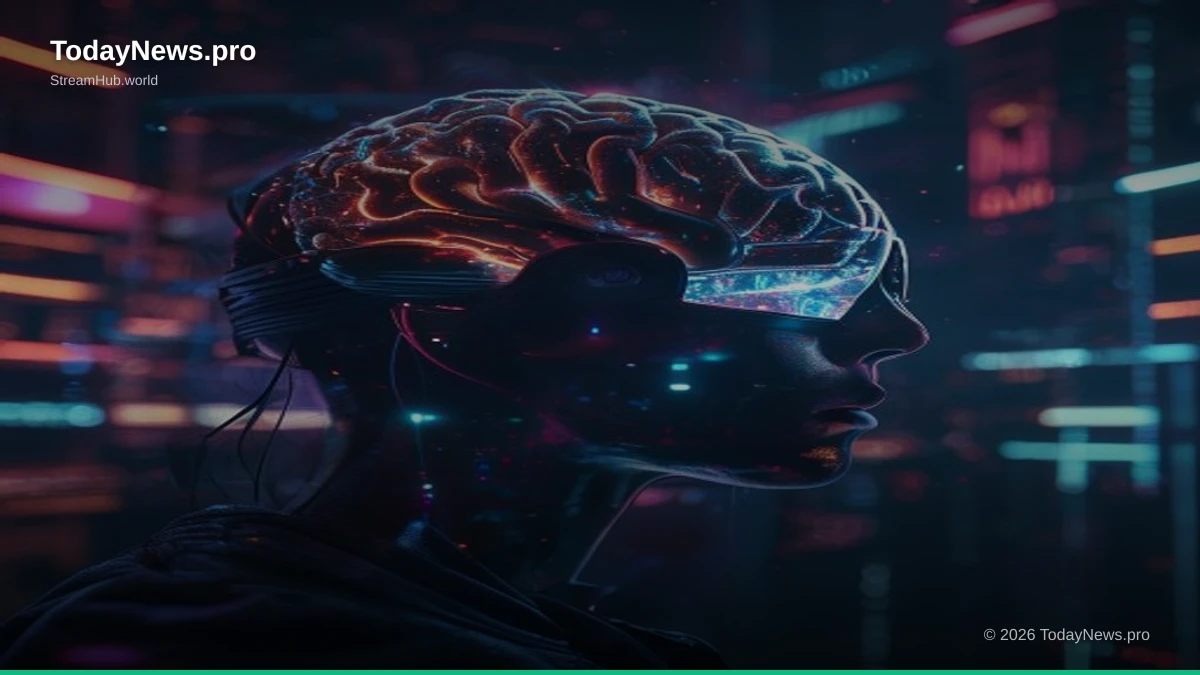
By 2030, the global metaverse market is projected to reach a staggering value of over $2.5 trillion, a figure that underscores the immense economic and societal shift underway. This burgeoning digital universe is poised to fundamentally alter human interaction, commerce, and crucially, our very perception of reality.
The Neurological Frontier of the Metaverse
The metaverse, a persistent, interconnected set of virtual spaces, is more than just an advanced form of entertainment or social media. It represents a novel environment that directly engages and reshapes fundamental aspects of our brain's functioning. Neuroscientists and psychologists are increasingly exploring how prolonged immersion in these hyper-realistic, interactive digital worlds can influence neural pathways, cognitive processes, and even our sense of self. This exploration is revealing how our brains adapt to and are potentially rewired by experiences that blend the digital and the physical in unprecedented ways. The sheer novelty of these environments presents a unique opportunity to study neuroplasticity in real-time, observing how the brain forms new connections and modifies existing ones in response to a constant influx of virtual stimuli. The sensory input, emotional responses, and social interactions within the metaverse trigger distinct neural activations that differ from those experienced in the physical world, leading to a complex interplay of adaptation and learning.
Neural Plasticity and Virtual Experiences
The brain's remarkable ability to adapt and reorganize itself, known as neuroplasticity, is a core mechanism through which we process new information and experiences. The metaverse, with its rich, multi-sensory, and highly interactive nature, provides a fertile ground for observing and potentially influencing this plasticity. Unlike passive media consumption, the metaverse demands active engagement, requiring users to navigate, interact, and make decisions within its digital architecture. This active participation stimulates a broader range of neural networks, from motor control and spatial navigation to complex problem-solving and social cognition. The continuous feedback loops inherent in metaverse experiences, where actions have immediate and visible consequences, further reinforce neural pathways. For instance, learning to navigate a complex virtual environment or mastering new social etiquette within a digital community can lead to tangible changes in brain structure and function, similar to how learning a new language or a musical instrument impacts the brain. This adaptability means that our brains are not merely passive recipients of virtual stimuli but are actively constructing and reconstructing their understanding of reality based on these novel inputs.
Sensory Integration and Immersion
A key characteristic of the metaverse is its ability to create a profound sense of immersion, often achieved through advanced virtual reality (VR) and augmented reality (AR) technologies. These technologies aim to trick our senses into believing we are present in the virtual environment. This sensory integration is crucial for deep immersion. When visual, auditory, and even haptic feedback align, the brain dedicates significant resources to processing this unified sensory stream. The more congruent and convincing the sensory input, the stronger the illusion of presence, leading to a more deeply felt experience. This can trigger physiological responses akin to those experienced in real-world situations, such as increased heart rate in a virtual 'thrill ride' or a sense of unease in a simulated dangerous environment. The brain's reliance on sensory cues to construct our reality means that a well-designed metaverse can effectively override, or at least strongly influence, our perception of what is real. This heightened state of engagement can lead to profound psychological effects, including emotional resonance and a deep connection with virtual avatars and environments.
Perception and Reality: Blurring the Lines
The fundamental question arising from metaverse immersion is its impact on our perception of reality itself. When virtual experiences become sufficiently vivid and emotionally engaging, they can begin to feel as real, or even more real, than physical world interactions. This phenomenon challenges our traditional understanding of what constitutes reality, suggesting that our brains construct reality based on the totality of our experiences, both digital and physical. The line between the two blurs as the emotional and cognitive impact of virtual events mirrors that of real-world occurrences. For instance, experiencing loss or triumph within a metaverse narrative can elicit genuine emotional responses, influencing mood and outlook long after the virtual session ends. This suggests that the brain does not inherently differentiate between the source of the stimulus, but rather responds to the sensory and emotional data it receives. This has profound implications for how we define our experiences and our understanding of selfhood in an increasingly blended reality.
The Extended Self and Digital Identity
Our sense of self is intricately linked to our experiences and our interactions with the world. In the metaverse, individuals can embody avatars that may or may not reflect their physical appearance, gender, or even species. This decoupling of identity from physical form allows for exploration and experimentation with different personas, potentially leading to profound shifts in self-perception. The consistent interaction through an avatar, the development of virtual relationships, and the accumulation of virtual assets can all contribute to a perceived 'extended self' that encompasses both the physical and digital realms. Psychologists are observing how individuals develop strong emotional attachments to their avatars, treating them as integral parts of their identity. This can be particularly potent for individuals who find greater freedom or acceptance in their virtual personas than in their physical lives. The ability to curate and control one's digital presentation can foster confidence and self-expression, but it also raises questions about the authenticity of these digitally constructed identities and their long-term psychological effects. Does a highly curated digital self lead to a more integrated or a more fragmented sense of identity?
Altered States of Consciousness
Prolonged immersion in highly engaging virtual environments can induce altered states of consciousness, characterized by a diminished awareness of the physical surroundings and an intensified focus on the virtual world. This state is often referred to as 'flow,' a concept describing complete absorption in an activity. In the metaverse, the constant stimulation, dynamic environments, and immediate feedback mechanisms can facilitate entry into this flow state more readily than in many traditional activities. This deep immersion can lead to a subjective distortion of time, where hours feel like minutes, and a heightened sense of presence. Such altered states can be both rewarding, offering escape and novel experiences, and potentially disorienting. The brain, operating under these immersive conditions, prioritizes virtual stimuli, potentially leading to a temporary reduction in attentional resources available for real-world awareness. This raises concerns about safety, especially for activities that require real-world vigilance, and about the potential for psychological dependence on these immersive experiences to achieve a sense of well-being or escape.
| Technology | Immersion Level | Sensory Engagement | Potential for Reality Blurring |
|---|---|---|---|
| Virtual Reality (VR) | High | Visual, Auditory, Haptic (limited) | High |
| Augmented Reality (AR) | Medium | Visual, Auditory (overlay on real world) | Medium |
| Mixed Reality (MR) | High | Visual, Auditory, Haptic (integrated) | Very High |
Cognitive Load and Immersion
The metaverse, by its very nature, presents a significant cognitive load. Users are bombarded with novel information, complex interfaces, and the need to constantly process and respond to dynamic virtual environments. This load can strain working memory and attentional resources. However, the design of these virtual worlds plays a crucial role in managing this load. Well-designed metaverse experiences can optimize information delivery and interaction design to minimize cognitive fatigue, allowing for sustained engagement. Conversely, poorly designed or overly complex environments can lead to frustration, confusion, and disengagement. The brain's capacity for processing information is finite, and the metaverse constantly pushes these boundaries. Understanding how to balance rich, stimulating content with intuitive user interfaces is paramount for creating sustainable and enjoyable virtual experiences. The challenge lies in creating environments that are stimulating enough to be engaging but not so overwhelming as to cause cognitive overload. This involves careful consideration of user interface design, information architecture, and the pacing of experiences.
Attentional Mechanisms in Virtual Environments
Our attentional systems are constantly working to filter and prioritize information. In the metaverse, the sheer density and dynamism of stimuli can challenge these mechanisms. Users must learn to direct their attention to relevant cues within the virtual space, filtering out distractions. This can involve visual attention to moving objects or avatars, auditory attention to conversations or environmental sounds, and even proprioceptive attention to the virtual body's movements. Studies suggest that the brain adapts its attentional strategies within immersive environments. For instance, the brain might become more adept at tracking multiple moving objects simultaneously or at rapidly switching attention between different virtual elements. This can lead to enhanced attentional skills that may even transfer to the physical world. However, there's also a risk of attentional fatigue, where prolonged exposure to high-demand environments can lead to a decline in focus and an increased susceptibility to errors. The continuous demand for focused attention can, over time, alter how our brains allocate attentional resources.
Memory Formation and Recall in Virtual Worlds
The formation and recall of memories are deeply intertwined with our experiences. The metaverse offers unique opportunities to study memory formation within novel contexts. When users engage in memorable events, learn new skills, or build virtual relationships, their brains are actively encoding this information. The multi-sensory nature of metaverse experiences can lead to richer, more robust memories compared to purely text-based or visual media. For example, remembering a virtual concert attended with friends might involve recalling the sights, sounds, and even the feeling of being in a crowd, leading to a more vivid and enduring memory. However, the ephemeral nature of some virtual experiences, combined with the potential for rapid environmental shifts, could also impact memory consolidation. Researchers are exploring whether memories formed in the metaverse are as readily accessible and as emotionally resonant as those formed in the physical world. The question of how the brain distinguishes and prioritizes memories from different realities is a critical area of ongoing investigation.
Social Cognition in Virtual Spaces
The metaverse is fundamentally a social construct, designed for interaction and connection. As such, it profoundly influences our social cognition—the mental processes that allow us to understand and navigate social situations. Within virtual worlds, we interact with other users' avatars, engage in shared activities, and build communities. These interactions, while mediated by technology, can elicit genuine social and emotional responses. The ability to perceive and interpret social cues from avatars, such as body language and tone of voice (when conveyed through advanced avatars), is crucial for effective communication. The metaverse provides a unique laboratory for studying how social dynamics evolve in non-traditional settings, and how our brains adapt to interpreting digital representations of others. The richness of these interactions, when well-implemented, can foster a sense of belonging and connection that rivals real-world relationships, leading to significant psychological benefits. However, the challenges of misinterpretation and the potential for anonymity to enable negative social behaviors are also significant considerations.
Empathy and Connection in Digital Interactions
Empathy, the ability to understand and share the feelings of another, is a cornerstone of human social interaction. The metaverse presents complex challenges and opportunities for empathy. While avatar-based interactions may lack the subtle non-verbal cues present in face-to-face communication, advanced technologies are striving to bridge this gap. Technologies like full-body tracking and facial expression capture can allow avatars to convey a greater range of emotion, potentially fostering deeper empathetic connections. Furthermore, shared experiences and collaborative tasks within the metaverse can build a sense of camaraderie and mutual understanding. When individuals work together to achieve a common goal in a virtual space, they can develop a strong sense of shared accomplishment and mutual reliance. This can lead to the formation of genuine friendships and support networks, demonstrating that meaningful social bonds can be forged even through digital interfaces. The potential for experiencing diverse perspectives through avatar embodiment could even enhance empathy by allowing users to temporarily step into the shoes of others.
The Formation of Virtual Communities
The metaverse is rapidly becoming a breeding ground for new forms of community. These virtual communities can form around shared interests, professions, or even just the desire for social connection. Unlike traditional online forums, metaverse communities offer a more embodied and immersive experience, allowing members to interact in shared virtual spaces, attend events together, and collaborate on projects. The sense of presence and shared environment can foster a stronger sense of belonging and collective identity. These communities can provide vital social support, opportunities for skill-sharing, and platforms for collective action or creativity. The implications for social cohesion and mental well-being are substantial, as individuals find spaces where they feel understood and accepted. The ability to transcend geographical boundaries also means that communities can form between individuals who might never have met in the physical world, leading to a richer tapestry of human connection. However, the dynamics of these communities, including governance, conflict resolution, and the potential for echo chambers, are all areas requiring careful study and development.
The Impact on Memory and Learning
The immersive and interactive nature of the metaverse offers revolutionary potential for learning and memory. Traditional educational methods often struggle to capture and maintain student engagement. The metaverse, however, can provide unparalleled opportunities for experiential learning. Imagine medical students practicing complex surgeries in a risk-free virtual environment, history students walking through ancient Rome, or engineering students building and testing prototypes in simulated conditions. These highly engaging, multi-sensory experiences can lead to deeper understanding and more robust memory retention. The ability to learn by doing, to make mistakes and learn from them in a safe, simulated space, is a powerful pedagogical tool. This experiential approach bypasses rote memorization, fostering intuitive understanding and practical skill development. The dynamic and adaptive nature of metaverse learning environments also means that educational content can be personalized to each learner's pace and style, further optimizing the learning process.
Experiential Learning and Skill Acquisition
The metaverse excels at facilitating experiential learning, where knowledge is acquired through direct participation and interaction. For complex skills, such as piloting an aircraft, performing intricate medical procedures, or mastering a foreign language, the ability to practice in a realistic, consequence-free environment is invaluable. The brain learns more effectively when it is actively engaged and when there is a clear link between action and outcome. In the metaverse, learners can receive immediate feedback on their performance, allowing for rapid iteration and improvement. This hands-on approach not only accelerates skill acquisition but also builds confidence and reduces the anxiety associated with making mistakes in high-stakes real-world scenarios. The ability to repeat a virtual task an unlimited number of times, refining technique with each iteration, is a significant advantage over traditional training methods. Furthermore, the ability to explore different scenarios and variables within a virtual simulation allows for a deeper understanding of the underlying principles and potential challenges.
Personalized Learning Pathways
One of the most significant promises of the metaverse for education and training is its capacity for hyper-personalization. By tracking user interactions, learning pace, and areas of difficulty, metaverse platforms can dynamically adapt content and challenges to suit individual needs. This means that learners can progress at their own pace, receiving additional support or advanced challenges as required. AI-powered tutors and adaptive learning algorithms can identify knowledge gaps and provide targeted interventions, ensuring that no learner is left behind. This level of individualized attention, often difficult to achieve in traditional classroom settings, can lead to more efficient and effective learning outcomes. The metaverse can tailor not only the difficulty but also the style of learning, offering visual, auditory, or kinesthetic approaches based on a user's preferences and learning style. This adaptability ensures that the learning experience remains engaging and effective for a diverse range of individuals.
| Learning Domain | Metaverse Application | Traditional Method | Retention Improvement Potential |
|---|---|---|---|
| Medicine | Surgical simulations, anatomical exploration | Cadavers, textbooks, 2D diagrams | High |
| History | Immersive historical reenactments, virtual tours | Textbooks, documentaries, static images | Very High |
| Engineering | Virtual prototyping, stress testing simulations | Physical models, CAD software | High |
| Language Acquisition | Interactive role-playing with AI or native speakers | Audio lessons, flashcards, classroom practice | High |
Ethical Considerations and Brain Health
As the metaverse becomes more integrated into our lives, it is imperative to address the ethical considerations and potential impacts on brain health. Issues such as data privacy, digital addiction, and the psychological effects of prolonged immersion require careful scrutiny. The vast amounts of personal data generated within metaverse interactions—from behavioral patterns to biometric information—raise significant privacy concerns. Furthermore, the highly engaging nature of these virtual worlds could lead to addictive behaviors, where individuals neglect their physical-world responsibilities and relationships in favor of their digital lives. The long-term neurological effects of constant exposure to virtual stimuli, especially on developing brains, are also an area of active research. Ensuring responsible development and usage is crucial to harness the benefits of the metaverse while mitigating its risks.
Digital Addiction and Psychological Well-being
The immersive and rewarding nature of the metaverse presents a significant risk of digital addiction. When virtual experiences offer escape, social connection, or a sense of accomplishment that may be lacking in the physical world, individuals can become overly reliant on these digital environments. Symptoms of metaverse addiction could mirror those of other behavioral addictions, including compulsive use, withdrawal symptoms when unable to access the platform, and negative consequences on daily life, such as neglecting work, studies, or personal hygiene. The blurring lines between virtual and real can exacerbate these issues, making it difficult for individuals to disengage. Promoting healthy usage patterns, developing tools for self-monitoring, and fostering awareness of potential risks are crucial steps in preventing and addressing digital addiction. The social aspect of the metaverse, while beneficial, can also contribute to addiction by creating strong social ties and a fear of missing out (FOMO).
The psychological well-being of metaverse users is a multifaceted concern. While the metaverse can offer opportunities for positive social connection, self-expression, and skill development, it also presents potential harms. Cyberbullying, harassment, and the spread of misinformation can have severe psychological impacts. The constant exposure to idealized virtual avatars and environments can also contribute to body image issues and social comparison. Furthermore, the disorientation that can arise from prolonged immersion, coupled with the potential for addiction, may lead to anxiety, depression, and a diminished sense of self-efficacy in the physical world. Understanding and addressing these psychological risks is paramount for ensuring that the metaverse contributes positively to users' lives rather than detracting from their mental health.
Data Privacy and Neuro-Data Security
The metaverse thrives on data, and the collection of user information is extensive. Beyond typical browsing habits, metaverse platforms can collect highly sensitive data, including eye-tracking information, physiological responses captured by biometric sensors, and detailed behavioral analytics. This 'neuro-data' offers unprecedented insights into user cognition, emotion, and intent. The ethical implications of collecting, storing, and utilizing such intimate data are profound. Ensuring robust data privacy and security measures is paramount to prevent misuse, exploitation, or breaches that could have devastating consequences for individuals. The potential for this data to be used for highly targeted advertising, manipulation, or even discriminatory purposes necessitates stringent regulations and transparent practices. Users must have clear control over their data and understand precisely how it is being used. The development of decentralized identity solutions and privacy-preserving technologies will be crucial in building trust within the metaverse.
The security of neuro-data is an even more specialized concern. Unlike traditional personal information, neuro-data can potentially reveal an individual's thought processes, emotional states, and predispositions. The idea of such data being compromised, whether through hacking or unauthorized access, is deeply unsettling. Safeguarding this information requires advanced encryption, secure storage protocols, and strict access controls. Furthermore, ethical guidelines must be established regarding the ownership and consent for the use of neuro-data. Who owns the data generated by your brain within a metaverse experience? How can informed consent be genuinely obtained when the full implications of neuro-data collection are complex and evolving? These are critical questions that require urgent attention from policymakers, technologists, and ethicists alike. The potential for malicious actors to exploit neuro-data for sophisticated forms of manipulation or social engineering is a significant future threat.
For more information on the ethical implications of emerging technologies, consult the Wired website.
The Future of Hyper-Personalization
The metaverse is not a monolithic entity; it is a collection of diverse virtual worlds, each offering unique experiences. The true power of the metaverse lies in its potential for hyper-personalization, where virtual environments and interactions are tailored to the individual user's preferences, needs, and even their cognitive and emotional states. This goes beyond simple customization; it involves dynamically adapting experiences in real-time. As AI and machine learning technologies advance, metaverse platforms will become increasingly adept at understanding user behavior, anticipating desires, and curating content that resonates deeply. This opens up a future where our digital lives are not just immersive but also profoundly reflective of our unique identities and aspirations, creating a truly bespoke reality.
AI-Driven Adaptive Environments
Artificial intelligence will be the engine driving hyper-personalization in the metaverse. AI algorithms will analyze user data – from past interactions and expressed preferences to physiological responses and cognitive patterns – to create environments that are perfectly suited to each individual. This means virtual worlds that can dynamically adjust their aesthetics, challenges, and social dynamics to maximize engagement and well-being. For example, a learning environment might automatically increase the difficulty of a task if it detects the user is bored, or offer a calming visual sequence if it senses frustration. Social platforms could intelligently match users for deeper connections based on shared values and interaction styles. This level of adaptation promises a far more enriching and effective digital experience, moving beyond one-size-fits-all solutions towards deeply individualized realities. The potential for AI to curate experiences that foster personal growth, creativity, and happiness is immense, but it also raises questions about the extent to which we should delegate the shaping of our realities to algorithms.
Biometric Feedback and Emotional Tuning
The integration of biometric feedback, such as heart rate monitors, electroencephalography (EEG) sensors, and galvanic skin response (GSR) devices, will further enable hyper-personalization by allowing metaverse platforms to understand and respond to a user's emotional and physiological state in real-time. This "emotional tuning" could lead to virtual experiences that actively aim to enhance mood, reduce stress, or optimize focus. Imagine a virtual workout that adjusts intensity based on your energy levels, or a therapeutic environment that shifts its ambiance to promote relaxation. This biofeedback loop creates a powerful synergy between the user and the virtual world, where the environment responds not just to conscious actions but also to subconscious physiological signals. While this offers exciting possibilities for well-being and performance enhancement, it also raises profound ethical questions about the potential for emotional manipulation and the commodification of our innermost states. The responsibility lies in ensuring that such technologies are used to empower individuals rather than control them.
The journey into the metaverse is a journey into the uncharted territories of our own minds. As these virtual worlds become more sophisticated, the interplay between our brains and these digital realities will only deepen, promising to redefine not just how we interact with technology, but how we understand ourselves and the nature of reality itself. For a deeper dive into the future of virtual worlds, see Wikipedia's entry on the Metaverse.