

 James Holloway
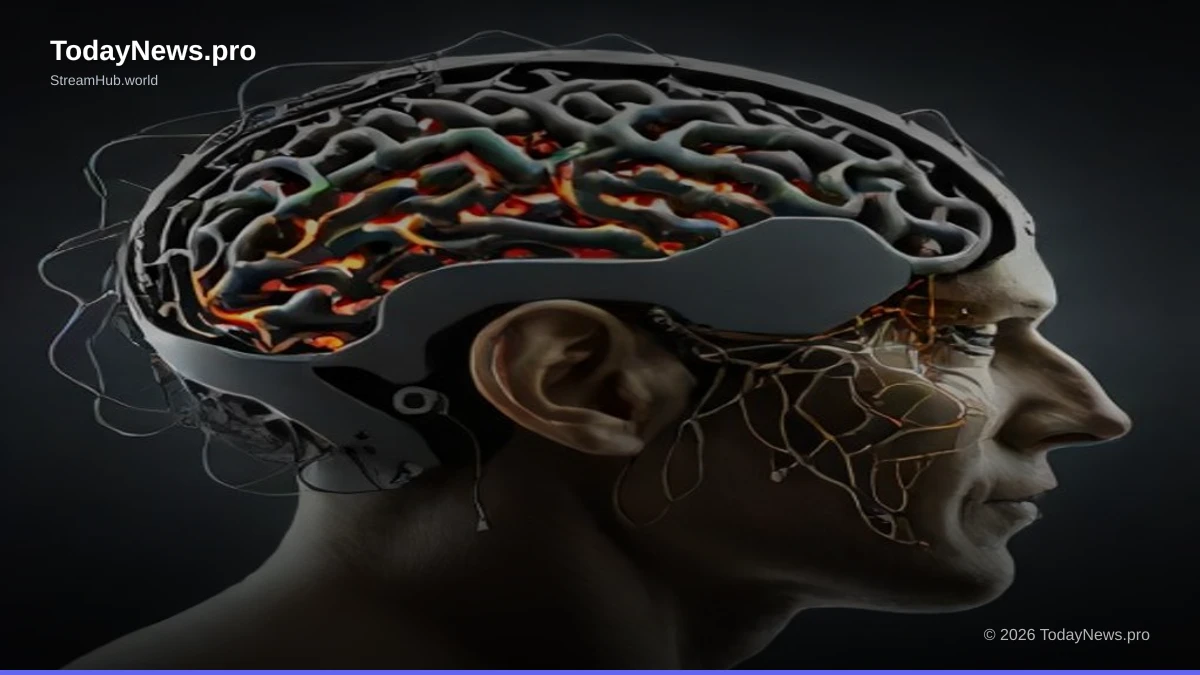
The Genesis of Thought: Understanding BCIs
At its core, a Brain-Computer Interface is a system that facilitates direct communication between the brain and an external device. Unlike conventional interfaces that rely on motor pathways, BCIs bypass the body's natural output channels, such as nerves and muscles. They achieve this by measuring brain activity, processing it, and translating it into commands that control external technology. This direct neural link opens up unprecedented possibilities for individuals who have lost motor function due to neurological conditions, but also promises to augment the capabilities of healthy individuals. The fundamental principle involves detecting neural signals – electrical impulses generated by neurons – and interpreting their patterns. These patterns are incredibly complex, but with advancements in machine learning and signal processing, we are becoming increasingly adept at deciphering them.The Neural Symphony
The human brain is an electrochemical marvel, generating billions of neural signals every second. These signals, though microscopic, carry vast amounts of information about our thoughts, intentions, and perceptions. BCIs aim to tap into this neural symphony, extracting meaningful commands from the cacophony of brain activity. This process involves sophisticated sensing techniques to capture these signals and advanced algorithms to decode them.
From Intention to Action
Imagine thinking about moving a cursor on a screen, and it moves. Or wanting to type a message, and the words appear. This is the essence of BCI functionality. The system learns to associate specific patterns of brain activity with desired actions. For example, a particular thought or mental imagery might correspond to the command "move left," while another might translate to "select." This intricate mapping is where the real innovation lies, constantly refined through user training and machine learning.
Decoding the Mind: Technologies at Play
The technological landscape of BCIs is diverse, ranging from non-invasive methods that can be used by anyone to highly invasive surgical implants. Each approach has its own set of advantages and limitations, dictating its suitability for different applications and user needs. The choice of technology often depends on the desired level of precision, the complexity of the task, and the acceptable risk profile.Non-Invasive BCIs: Accessible and Safe
Non-invasive BCIs are the most common and accessible, utilizing external sensors placed on the scalp. Electroencephalography (EEG) is the most widely used technique, measuring electrical activity through electrodes. While offering convenience and safety, EEG signals are relatively weak and can be contaminated by noise from muscle movements or blinks. Other non-invasive methods include functional near-infrared spectroscopy (fNIRS), which measures blood oxygenation changes in the brain, and magnetoencephalography (MEG), which detects magnetic fields produced by neural activity. These technologies offer a glimpse into brain function without the need for surgery.
Invasive BCIs: High Fidelity and Precision
For applications requiring the highest signal fidelity and precision, invasive BCIs are employed. These involve surgically implanting electrodes directly onto the surface of the brain (electrocorticography, ECoG) or within the brain tissue (intracortical electrodes). While offering superior signal quality and spatial resolution, invasive BCIs carry the risks associated with surgery and long-term implantation. Research in this area is pushing the boundaries of miniaturization and biocompatibility to minimize these risks and maximize the benefits.
The Role of Machine Learning
Regardless of the sensing modality, the interpretation of brain signals is heavily reliant on sophisticated algorithms, particularly machine learning. These algorithms are trained to recognize patterns in neural data that correspond to specific mental states or intentions. As the user interacts with the BCI, the algorithms learn and adapt, improving the system's accuracy and responsiveness over time. Deep learning, a subset of machine learning, is proving particularly effective in decoding complex neural patterns.
Revolutionizing Healthcare: A New Era of Treatment
Perhaps the most profound impact of BCI technology is in the realm of healthcare. For individuals living with paralysis, communication disorders, or neurodegenerative diseases, BCIs offer a lifeline to independence and a restored quality of life. They are not just assistive devices; they are transformative tools that can restore lost functions and unlock new avenues for rehabilitation.Restoring Communication and Mobility
For individuals with conditions like amyotrophic lateral sclerosis (ALS) or severe spinal cord injuries, the ability to communicate is often the first casualty. BCIs are enabling these individuals to type messages, control wheelchairs, and even operate prosthetic limbs through thought alone. This restoration of agency is incredibly empowering, allowing them to reconnect with loved ones and participate more fully in life. For example, systems are being developed that can translate brain signals directly into synthesized speech, offering a voice to those who have lost theirs.
Neurorehabilitation and Recovery
Beyond restoring lost functions, BCIs are also playing a crucial role in neurorehabilitation. For stroke survivors, for instance, BCIs can help retrain damaged neural pathways. By linking intended movements with visual or haptic feedback, these systems can encourage the brain to reorganize and compensate for the injury. This "re-learning" process can significantly accelerate recovery and improve functional outcomes. The principle is to provide the brain with targeted stimulation and feedback to promote neuroplasticity.
Assisting Neurological Disorders
BCIs are also showing promise in managing and treating various neurological disorders. For individuals with epilepsy, BCIs can potentially detect and even predict seizures, allowing for timely intervention. Research is also exploring their use in treating depression, anxiety, and even attention deficit hyperactivity disorder (ADHD) by providing real-time biofeedback to help individuals regulate their brain activity. The potential for closed-loop systems, where the BCI both senses and intervenes, is particularly exciting.
Beyond Medicine: Transforming Daily Life
The impact of BCIs is not confined to the medical sphere. As the technology becomes more sophisticated, affordable, and user-friendly, it is poised to infiltrate various aspects of our daily lives, enhancing human capabilities and creating new forms of interaction with the digital and physical world.Augmented Reality and Gaming
The gaming industry is a natural early adopter of BCI technology. Imagine controlling game characters with your thoughts, enhancing immersion and reaction times. Coupled with augmented reality (AR) headsets, BCIs could usher in a new era of truly interactive and personalized entertainment experiences. The potential for seamless integration of thought and action in virtual environments is immense.
Enhanced Productivity and Creativity
For professionals, BCIs could offer a significant productivity boost. Imagine designing complex 3D models, composing music, or even writing code simply by thinking. This could free up cognitive resources and accelerate creative processes. Industries that rely heavily on rapid ideation and intricate manipulation of digital information stand to benefit immensely.
Consumer Electronics and Smart Homes
The integration of BCIs into consumer electronics, such as smartphones and smart home devices, is also on the horizon. This could lead to hands-free control of devices, personalized user interfaces that adapt to your mental state, and even the ability to monitor your own cognitive well-being. Imagine adjusting the lighting or temperature of your home based on your mood or focus level.
The Ethical Labyrinth: Navigating the Future
As BCI technology advances, it brings with it a complex web of ethical considerations that demand careful scrutiny. The ability to access and interpret brain activity raises profound questions about privacy, autonomy, and the very definition of human consciousness. Addressing these challenges proactively is crucial to ensure the responsible development and deployment of this powerful technology.Brain Privacy and Security
One of the most significant concerns is brain privacy. If our thoughts and intentions can be decoded, how do we protect this intimate data from unauthorized access or misuse? Robust security protocols and ethical guidelines are essential to prevent the weaponization of neural information or its exploitation for commercial gain. The concept of "mental surveillance" is no longer theoretical.
Autonomy and Agency
Another critical issue is the potential for BCIs to influence or override an individual's autonomy. As systems become more sophisticated, there's a risk of them making decisions on our behalf or subtly manipulating our behavior. Ensuring that individuals retain ultimate control and agency over their thoughts and actions is paramount. The line between assistance and control needs to be clearly defined.
Cognitive Enhancement and Equity
The prospect of cognitive enhancement through BCIs raises concerns about equity and access. If only the wealthy can afford to augment their cognitive abilities, it could exacerbate societal inequalities, creating a new form of digital divide. Ensuring equitable access to beneficial BCI technologies is a critical social and ethical imperative. The potential for a "super-human" class is a real concern.
The Road Ahead: Challenges and Opportunities
Despite the immense potential, the BCI revolution is still in its nascent stages, facing significant scientific, engineering, and societal hurdles. Overcoming these challenges will pave the way for widespread adoption and unlock the full spectrum of BCI applications.Technical Hurdles: Signal Quality and Longevity
Improving the quality and longevity of neural signals remains a primary technical challenge, especially for non-invasive methods. Reducing noise, increasing signal-to-noise ratio, and developing more durable and biocompatible implantable electrodes are ongoing areas of research. Miniaturization and wireless power transfer are also key to making implants more practical.
User Training and Adaptability
Current BCI systems often require extensive user training to achieve optimal performance. Developing more intuitive and adaptive interfaces that require less calibration is crucial for user acceptance and widespread adoption. Machine learning plays a vital role here, but further advancements are needed to reduce the burden on the user.
Regulatory Frameworks and Standardization
As BCI technology matures, clear regulatory frameworks and industry standards will be necessary to ensure safety, efficacy, and ethical deployment. Harmonizing these regulations across different regions will be a significant undertaking, but essential for global market growth. The rapid pace of innovation often outstrips the ability of regulatory bodies to keep up.
| Challenge Area | Key Issues | Potential Solutions |
|---|---|---|
| Signal Acquisition | Noise, low signal-to-noise ratio, limited spatial resolution (non-invasive) | Improved sensor technology, advanced signal processing, hybrid approaches |
| Implantable Devices | Biocompatibility, longevity, surgical risks, power consumption | Advanced materials, miniaturization, wireless power, regenerative medicine |
| Algorithm Development | Decoding accuracy, real-time processing, generalization across users and tasks | Deep learning, transfer learning, personalized models, explainable AI |
| User Experience | Training time, fatigue, cognitive load, accessibility | Adaptive interfaces, gamification, user-centered design, intuitive feedback mechanisms |
| Ethics and Society | Privacy, security, autonomy, equity, potential for misuse | Robust ethical guidelines, public discourse, transparent regulation, inclusive design |
Investing in the Mind: The Market Outlook
The burgeoning BCI market represents a significant investment opportunity, attracting venture capital and corporate funding. The convergence of neuroscience, artificial intelligence, and engineering is creating a fertile ground for innovation and commercialization. Understanding the market dynamics and key players is crucial for investors and industry watchers alike.Venture Capital Influx
Leading venture capital firms are pouring substantial investments into BCI startups, recognizing the transformative potential of this technology. This influx of capital is fueling research and development, accelerating product innovation, and driving market growth. Companies are focusing on both invasive and non-invasive solutions for various applications.
Corporate Acquisitions and Partnerships
Major technology corporations are also actively participating in the BCI space through strategic acquisitions and partnerships. This indicates a broader industry recognition of BCIs as a future cornerstone of human-computer interaction. These collaborations can bring essential resources and expertise to accelerate development and market penetration.
Key Market Drivers
Several factors are driving the rapid growth of the BCI market. These include the increasing prevalence of neurological disorders, advancements in AI and machine learning, growing demand for assistive technologies, and the expanding interest in cognitive enhancement and immersive gaming experiences. The aging global population also contributes to the demand for healthcare-related BCI solutions.
The Brain-Computer Interface revolution is not a distant dream; it is a present reality unfolding before our eyes. From restoring lost function to enhancing human potential, BCIs are poised to reshape our world in profound ways. As we navigate this exciting and complex future, a thoughtful and ethical approach will be paramount to ensuring that this revolution benefits all of humanity. The journey ahead is filled with challenges, but the opportunities for progress and positive transformation are truly limitless. To delve deeper into the technical aspects of brain signal acquisition, one can explore resources like Wikipedia's comprehensive BCI page or follow the latest breakthroughs reported by Reuters Technology.