

 Marcus Thorne
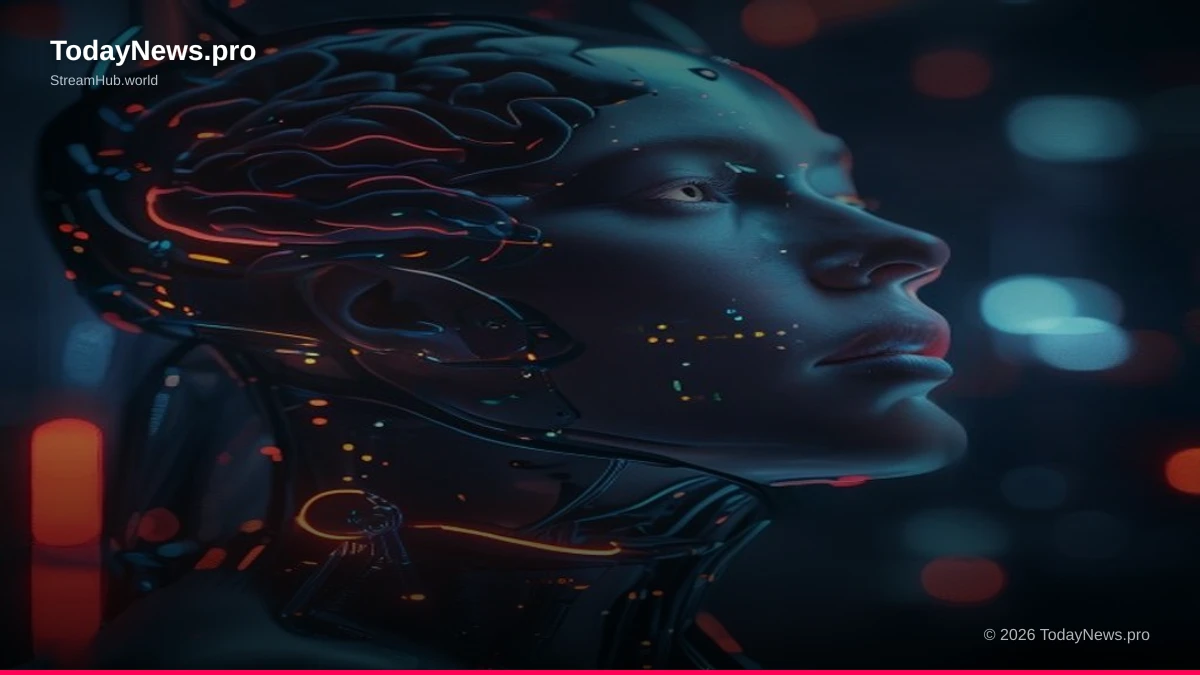
By 2023, the global market for brain-computer interface (BCI) devices alone was valued at an estimated $2.2 billion, a figure projected to surge dramatically in the coming decade as bio-integrated technologies move from science fiction to everyday reality.
The Dawn of Bio-Integration: A New Era in Human Augmentation
We stand at the precipice of a technological revolution, one that promises to fundamentally alter the human experience. Bio-integrated devices, a burgeoning field at the intersection of biology, engineering, and computer science, are rapidly transforming our understanding of what it means to be human. These are not mere wearable gadgets; they are systems designed to seamlessly interact with, augment, or even restore biological functions. From the intricate dance of neurons to the subtle nuances of sensory perception, bio-integration is unlocking unprecedented possibilities.
This new wave of technology moves beyond external interfaces, aiming for a deeper, more intimate connection with our bodies. The goal is to create devices that are not just compatible with our biology but are, in essence, extensions of ourselves. This profound shift is driven by advancements in miniaturization, biocompatible materials, and sophisticated algorithms capable of interpreting and responding to complex biological signals.
The implications are vast, touching upon medicine, communication, human potential, and even our very definition of consciousness. As these technologies mature, they present a compelling narrative of both immense promise and significant ethical considerations, demanding careful examination and foresight.
Defining Bio-Integration
Bio-integration refers to the design and implementation of devices that achieve a functional and often physical connection with biological systems. This can range from non-invasive sensors that monitor physiological data to implants that directly interface with nervous tissue or organs. The key differentiator is the degree of synergy and mutual influence between the biological entity and the technological component.
Unlike traditional prosthetics or medical devices that operate independently, bio-integrated systems are designed for a more symbiotic relationship. They can learn from biological feedback, adapt to the body's state, and, in turn, influence biological processes. This dynamic interaction is what makes the field so revolutionary.
The spectrum of bio-integration is broad, encompassing everything from smart contact lenses that monitor glucose levels to advanced neural implants that restore motor control. Each application pushes the boundaries of what is possible, opening new avenues for human enhancement and therapeutic intervention.
Materials Science and Biocompatibility
A cornerstone of successful bio-integration is the development of materials that the body does not reject. For decades, researchers have grappled with the challenge of creating implants that can coexist with living tissue without triggering immune responses or causing inflammation. Recent breakthroughs in polymer science, nanotechnology, and bioengineering have yielded a new generation of biocompatible materials.
These advanced materials are often designed to mimic the properties of natural tissues, allowing for a more seamless integration. They can be flexible, porous, or even biodegradable, depending on the specific application. The ability to create materials that are both durable and non-toxic is crucial for the long-term success of implanted devices.
Furthermore, researchers are exploring ways to functionalize these materials with specific biological molecules or cells, enhancing their integration and promoting tissue regeneration around the implant. This proactive approach to biocompatibility is paving the way for devices that can remain within the body for extended periods, performing complex functions without adverse effects.
Brain-Computer Interfaces: Bridging the Gap Between Thought and Action
Perhaps the most captivating area within bio-integration is the development of Brain-Computer Interfaces (BCIs). These remarkable systems allow individuals to control external devices, such as computers or robotic limbs, directly with their thoughts. For individuals with severe paralysis or neurological disorders, BCIs offer a lifeline to communication and mobility, restoring a level of autonomy previously unimaginable.
The fundamental principle behind BCIs involves detecting and interpreting brain signals. These signals, electrical impulses generated by neuronal activity, can be captured through various methods. Invasive BCIs, which require surgical implantation of electrodes directly into the brain, offer the highest signal fidelity but come with inherent risks. Non-invasive methods, such as electroencephalography (EEG) which measures electrical activity through the scalp, are safer and more accessible but generally provide lower resolution data.
The complexity of the human brain means that translating raw neural signals into meaningful commands is a significant computational challenge. Sophisticated machine learning algorithms are employed to decode these patterns, learning to associate specific brain activity with intended actions. This process of calibration and learning is iterative, with the BCI system becoming more proficient over time as it adapts to the user's unique neural signatures.
Invasive vs. Non-Invasive BCIs
The choice between invasive and non-invasive BCI approaches hinges on the desired level of precision, the specific application, and the acceptable risk profile. Invasive BCIs, often utilizing microelectrode arrays, can record neural activity at the single-neuron level. This high spatial and temporal resolution allows for remarkably fine-grained control of external devices.
For instance, the Utah Array, a pioneering invasive BCI, has enabled individuals with quadriplegia to control robotic arms with dexterity that mimics natural limb movement. Companies like Neuralink are pushing the boundaries further with ultra-fine thread-like electrodes designed for safer and more widespread neural coverage. However, the risks associated with surgery, infection, and long-term tissue reaction remain significant considerations.
Non-invasive BCIs, such as EEG, electrocorticography (ECoG), and near-infrared spectroscopy (NIRS), offer a safer alternative. EEG, the most common non-invasive technique, uses electrodes placed on the scalp to detect electrical potentials. While it lacks the precision of invasive methods, it has found applications in communication aids, gaming, and neurofeedback training. ECoG, which involves placing electrodes on the surface of the brain (beneath the skull but not within the brain tissue itself), offers a middle ground, providing better signal quality than scalp EEG with reduced risk compared to deep brain implants.
Decoding Neural Intent
The true magic of BCIs lies in their ability to decode a user's intentions from complex neural data. This involves a sophisticated interplay of neuroscience and artificial intelligence. When a person thinks about moving their hand, specific patterns of neural activity emerge in the motor cortex. BCIs aim to capture these patterns and translate them into commands for an external device.
This decoding process is not a simple one-to-one mapping. The brain is highly plastic, and neural signals can vary due to numerous factors. Machine learning algorithms are trained on large datasets of brain activity, learning to identify the subtle signatures associated with different intentions. For example, a BCI might be trained to recognize the neural patterns associated with imagining moving the left hand, the right hand, or both.
As users interact with the BCI, the algorithms continuously refine their understanding, adapting to the individual's unique neural responses. This adaptive learning is crucial for achieving robust and reliable control. The ultimate goal is to make the BCI feel as intuitive and seamless as controlling one's own body.
A notable example of BCI advancement is the work of researchers at the University of Pittsburgh, who have developed BCIs enabling individuals with tetraplegia to control robotic arms with remarkable precision, even performing tasks like feeding themselves. This highlights the transformative potential of decoding neural intent for restoring lost function.
Applications Beyond Restoration
While the therapeutic applications of BCIs are profound, their potential extends far beyond restoring lost abilities. Researchers are exploring BCIs for a variety of enhancement purposes, aiming to augment human cognitive and motor capabilities. Imagine being able to control multiple devices simultaneously with a thought, or to communicate complex ideas more rapidly through direct neural interfaces.
One area of exploration is cognitive enhancement, where BCIs could potentially aid in learning, memory recall, or attention. Neurofeedback, a form of BCI training, is already used to help individuals manage conditions like ADHD and anxiety by teaching them to regulate their brain activity. Future applications could involve direct neural stimulation to boost cognitive performance in specific tasks.
Furthermore, BCIs could revolutionize human-computer interaction, moving beyond keyboards and touchscreens to a more direct and intuitive form of control. This could lead to immersive gaming experiences, enhanced artistic creation, and entirely new forms of digital communication. The ethical implications of such enhancements, however, are a critical area of ongoing discussion.
Sensory Enhancement: Expanding Human Perception
Our perception of the world is limited by our biological senses. Bio-integrated devices are now poised to expand these boundaries, offering the possibility of enhanced vision, hearing, and even the ability to perceive entirely new forms of stimuli. This quest to augment our senses opens up a universe of possibilities, from overcoming sensory deficits to experiencing the world in ways previously confined to science fiction.
Vision is one of the primary targets for sensory augmentation. For individuals with visual impairments, bio-integrated retinal prosthetics and cortical implants are offering glimpses of sight. These devices work by bypassing damaged parts of the visual pathway, stimulating the remaining healthy neurons to generate visual percepts. Early versions have shown promising results, enabling users to detect light, shapes, and even rudimentary forms of movement.
Beyond restoration, the ambition is to enhance human vision. Imagine being able to see in infrared or ultraviolet light, or to possess telescopic vision that allows you to zoom in on distant objects. Such capabilities, while still largely theoretical, are being explored through advanced optical implants and neural interfaces that could translate novel sensory data into signals the brain can interpret.
Restoring Sight and Hearing
The development of artificial retinas and cochlear implants represents a significant triumph of bio-integration in restoring lost senses. Retinal implants, like the Argus II system, work by stimulating the remaining photoreceptor cells or the optic nerve, providing a form of artificial vision for individuals with conditions such as retinitis pigmentosa. While this vision is not as detailed as natural sight, it can significantly improve a person's ability to navigate their environment and recognize objects.
Cochlear implants have been even more widely successful in restoring hearing. These devices bypass damaged portions of the inner ear and directly stimulate the auditory nerve, allowing individuals with severe to profound hearing loss to perceive sound. Modern cochlear implants offer a remarkable degree of speech understanding, enabling many recipients to communicate effectively.
These technologies are constantly evolving, with researchers working to improve the resolution of artificial vision and the clarity of artificial hearing. The goal is to move closer to natural sensory perception, providing users with a richer and more complete experience of the world.
Beyond the Known Senses
The realm of sensory enhancement extends beyond merely restoring or improving existing senses. Researchers are exploring ways to grant humans the ability to perceive stimuli that are currently beyond our biological capacity. This could involve translating data from sensors that detect magnetic fields, radio waves, or even chemical compositions into signals that our brains can interpret as a new form of sensory input.
For example, an implant could be designed to translate the Earth's magnetic field into a tactile sensation, allowing individuals to intuitively navigate using magnetic fields, much like some migratory birds. Similarly, devices could be developed to allow us to "hear" radio frequencies or "see" heat signatures, expanding our awareness of the environment in profound ways.
The challenge lies not only in developing the sensors but also in developing the neural interfaces and decoding algorithms that can effectively translate these novel data streams into a form that the human brain can learn to understand and integrate into its perception of reality. This is a frontier that promises to fundamentally alter our relationship with the physical world.
The Future of Sensory Augmentation
The trajectory of sensory augmentation suggests a future where our perceptual capabilities are no longer solely dictated by our biology. Imagine a world where augmented reality is not just a visual overlay but a seamlessly integrated sensory experience, where we can perceive data streams as naturally as we perceive light and sound.
This could lead to enhanced professional capabilities, such as surgeons being able to perceive tissue density in real-time or engineers being able to "feel" the structural integrity of a building. For everyday life, it could mean an enriched appreciation of art, music, and nature, as we gain the capacity to perceive subtle nuances currently hidden from us.
However, the ethical considerations are significant. As we enhance our senses, questions arise about access, equity, and the potential for creating societal divides between those who can afford such augmentations and those who cannot. The psychological impact of perceiving the world in fundamentally different ways also warrants careful study.
Therapeutic Applications: Restoring and Rebuilding Function
The most immediate and impactful applications of bio-integrated devices lie in the realm of restorative medicine. For individuals suffering from debilitating conditions, these technologies offer hope for regaining lost function, improving quality of life, and overcoming previously insurmountable barriers.
Neurological disorders, spinal cord injuries, and degenerative diseases are prime targets for bio-integration. By directly interfacing with the nervous system, these devices can bypass damaged pathways, stimulate dormant neurons, or provide artificial control over bodily functions. The goal is not just to manage symptoms but to actively restore lost capabilities.
From restoring movement in paralyzed limbs to rehabilitating damaged organs, the therapeutic potential is immense. As research progresses, we are seeing a paradigm shift in how we approach the treatment of complex medical conditions, moving towards more personalized, technologically-driven solutions.
Neurorehabilitation and Motor Control
For individuals who have suffered strokes, spinal cord injuries, or other neurological damage, neurorehabilitation is crucial for regaining motor function. Bio-integrated devices are revolutionizing this process. BCIs, as previously discussed, can allow patients to control robotic exoskeletons or functional electrical stimulation (FES) systems, enabling them to practice and relearn movements.
FES systems use electrical impulses to stimulate muscles, helping to restore voluntary movement. When coupled with BCI control, patients can actively participate in their rehabilitation, sending neural commands that trigger muscle contractions and facilitate physical therapy. This active engagement has been shown to promote neural plasticity and improve long-term recovery outcomes.
Furthermore, advanced prosthetics are becoming increasingly sophisticated, incorporating biosensors that can detect residual muscle signals or even nerve impulses, allowing for more intuitive and natural control. These "smart" prosthetics are transforming the lives of amputees, offering them a greater sense of embodiment and functionality.
Restoring Organ Function and Health Monitoring
Beyond the nervous system, bio-integration is also being applied to restoring and monitoring organ function. Implantable sensors can continuously track vital physiological parameters, such as blood glucose levels, heart rhythm, or oxygen saturation. This real-time data allows for proactive management of chronic conditions and early detection of potential health issues.
For individuals with organ failure, bio-artificial organs are on the horizon. These devices combine biological components with engineering to replicate the function of failing organs. For example, bio-artificial kidneys are being developed that could filter waste products from the blood, offering an alternative to dialysis or transplantation.
The integration of these devices with the body's natural systems is paramount. Researchers are focused on developing biocompatible materials and sophisticated control systems to ensure that these artificial organs can function seamlessly and sustainably within the human body, significantly improving patient outcomes and longevity.
A notable example of progress in this area is the development of implantable continuous glucose monitors (CGMs). These devices, often worn on the skin or implanted subcutaneously, provide real-time blood sugar readings, empowering individuals with diabetes to better manage their condition and reduce the risk of complications. The market for CGMs has seen substantial growth, reflecting their significant therapeutic impact.
Personalized Medicine and Preventative Care
The continuous data stream provided by bio-integrated monitoring devices is a powerful tool for advancing personalized medicine and preventative care. By understanding an individual's unique physiological baseline and how it changes over time, healthcare professionals can tailor treatments more effectively and identify health risks before they become critical.
Imagine a future where wearable sensors not only track your heart rate but also detect subtle changes indicative of an impending cardiovascular event, alerting you and your doctor well in advance. This shift from reactive to proactive healthcare has the potential to dramatically reduce the burden of chronic diseases and improve overall public health.
Furthermore, as BCIs become more sophisticated, they could offer insights into mental health conditions. Monitoring brain activity could help diagnose and track conditions like depression or anxiety, allowing for more targeted therapeutic interventions. The integration of bio-integrated devices into routine healthcare could usher in an era of unprecedented precision and preventative care.
| Area | Technology | Primary Application | Current Status |
|---|---|---|---|
| Neurological Restoration | Brain-Computer Interfaces (BCIs) | Restoring motor control, communication for paralysis | Clinical trials, early commercialization |
| Sensory Restoration | Retinal Implants, Cochlear Implants | Restoring sight and hearing | Established clinical applications |
| Motor Rehabilitation | Functional Electrical Stimulation (FES), Exoskeletons | Assisted movement, physical therapy | Clinical application, ongoing development |
| Organ Support | Bio-artificial Organs, Implantable Sensors | Replacing/supporting organ function, health monitoring | Research and development, some early trials |
Ethical Crossroads and Societal Impact
As bio-integrated devices move from experimental stages to widespread adoption, they bring with them a complex web of ethical considerations and profound societal implications. The ability to augment human capabilities and alter our biological makeup raises fundamental questions about identity, equality, and the very definition of what it means to be human.
One of the most pressing concerns is the issue of equity and access. Will these advanced technologies be available to everyone, or will they exacerbate existing societal divides, creating a new class of "enhanced" individuals? The potential for a significant gap between those who can afford and access bio-integration and those who cannot is a serious challenge that requires proactive policy and ethical frameworks.
Furthermore, the concept of human enhancement raises questions about authenticity and naturalness. If we can alter our cognitive abilities, sensory perception, or even emotional states through technological intervention, where does the line between natural human experience and technologically mediated existence lie? These are not just philosophical debates but practical considerations that will shape our future.
Privacy and Data Security
Bio-integrated devices, by their very nature, collect intimate and highly sensitive biological data. This includes everything from neural activity patterns to real-time physiological metrics. Ensuring the privacy and security of this data is paramount. A breach of this information could have devastating consequences, ranging from identity theft to the manipulation of an individual's thoughts or actions.
Robust encryption, stringent access controls, and clear data ownership policies are essential. Users must have a clear understanding of what data is being collected, how it is being used, and who has access to it. The potential for this data to be used for targeted advertising, discriminatory practices, or even surveillance necessitates a proactive approach to regulation and ethical guidelines.
The development of decentralized data storage solutions and secure, anonymized data sharing protocols will be crucial. Striking a balance between the need for data to drive innovation and the fundamental right to privacy will be one of the key challenges in the widespread adoption of bio-integrated technologies.
The Enhancement Divide and Social Inequality
The prospect of human enhancement through bio-integration raises concerns about a growing "enhancement divide," where access to these technologies creates significant disparities in capabilities and opportunities between individuals. If cognitive enhancements or sensory augmentations become commonplace, those who cannot afford them may be at a distinct disadvantage in education, employment, and social mobility.
This could lead to a future where a biological or technological elite possesses superior abilities, further entrenching social and economic inequalities. Addressing this requires careful consideration of how these technologies are developed, regulated, and distributed. Policies promoting universal access, subsidization for lower-income individuals, and the establishment of ethical guidelines that prevent the exploitation of such divisions will be critical.
The debate around performance-enhancing drugs in sports offers a parallel, highlighting the societal challenges that arise when certain individuals gain advantages through artificial means. With bio-integration, these stakes are far higher, impacting fundamental aspects of human potential and societal structure.
Autonomy and Identity
As bio-integrated devices become more deeply intertwined with our lives, questions about autonomy and identity come to the fore. To what extent can an individual be said to be acting autonomously if their decisions or actions are influenced or mediated by an implanted device? How does the integration of technology into our bodies affect our sense of self and our personal identity?
If a device can alter our mood, perception, or cognitive processes, does it diminish our inherent humanity? These are profound philosophical questions that will require ongoing dialogue and reflection. The goal is to ensure that these technologies serve to augment and empower individuals, rather than to diminish their autonomy or erode their sense of self.
The ability of BCIs to decode and potentially influence thoughts also raises concerns about free will and mental privacy. Establishing clear boundaries and ethical safeguards will be essential to prevent the misuse of these powerful technologies and to preserve the fundamental rights and freedoms of individuals.
The Future Landscape: Towards Seamless Integration
The journey of bio-integrated devices is far from over; in many ways, it is just beginning. The future promises a landscape where the lines between biology and technology blur, leading to unprecedented levels of human augmentation and interaction.
We can anticipate advancements in neural interfaces that offer greater bandwidth and precision, allowing for more complex communication between the brain and external systems. Miniaturization will continue to shrink devices, making them less invasive and more comfortable for long-term wear. Biocompatible materials will become even more sophisticated, leading to seamless integration with living tissue.
The ultimate goal for many in the field is a form of "seamless integration," where technology becomes an invisible, intuitive extension of ourselves, enhancing our capabilities without demanding conscious effort or posing significant risks.
Miniaturization and Ubiquity
The relentless march of miniaturization is a critical enabler for the future of bio-integration. Devices are becoming smaller, more energy-efficient, and capable of performing complex functions within extremely confined spaces. This trend is paving the way for even more discreet and pervasive integration of technology into our bodies.
Imagine microscopic sensors that can monitor our health from within our bloodstream, or neural interfaces so small they are virtually undetectable. This ubiquity will allow for continuous, passive monitoring and augmentation, transforming how we experience health and well-being. The challenge will be to ensure that such pervasive technology remains under user control and respects individual privacy.
As devices become smaller and more efficient, they can be powered wirelessly or through harvested biological energy, reducing the need for external charging or bulky batteries. This will further enhance their seamlessness and ease of use, making them an integral part of our daily lives.
AI-Driven Adaptation and Personalization
Artificial intelligence will play an increasingly pivotal role in the evolution of bio-integrated devices. AI algorithms will enable these devices to adapt dynamically to an individual's biological state, learning and personalizing their function over time. This will lead to more effective and tailored interventions, moving away from one-size-fits-all solutions.
For example, a BCI could learn to predict a user's fatigue levels and adjust its output accordingly, or a sensory enhancement device could fine-tune its perception based on environmental conditions and user preference. This level of intelligent adaptation will make bio-integrated systems feel more intuitive and responsive, further blurring the line between user and technology.
The integration of AI will also accelerate the pace of discovery and development. By analyzing vast amounts of biological data, AI can help researchers identify new therapeutic targets, optimize device designs, and predict potential side effects, leading to faster and more efficient innovation.
The Convergence of Technologies
The future of bio-integration is not just about isolated devices but about the convergence of multiple advanced technologies. We will see the synergy of AI, nanotechnology, advanced materials, and biotechnology leading to systems that are far more powerful and versatile than anything we can imagine today.
This convergence could lead to breakthroughs in areas like regenerative medicine, where bio-integrated scaffolds could guide tissue growth and repair. It could also lead to entirely new forms of human-computer interaction, where thought, gesture, and biological signals are seamlessly blended to control complex digital environments. The possibilities are limited only by our imagination and our ethical considerations.
The journey towards seamless integration is a complex one, fraught with technical challenges and ethical dilemmas. However, the potential rewards – restoring lost function, enhancing human capabilities, and unlocking new frontiers of perception – are immense. As we navigate this transformative era, it is crucial to proceed with both innovation and a deep sense of responsibility, ensuring that these powerful technologies benefit all of humanity.
For further reading on the ethical dimensions of neurotechnology, consult resources from organizations like The Oxford Uehiro Centre for Practical Ethics. Information on the history and technical aspects of brain-computer interfaces can be found on Wikipedia. Developments in medical technology are frequently reported by Reuters Health.