

 David Chen
⏱ 18 min
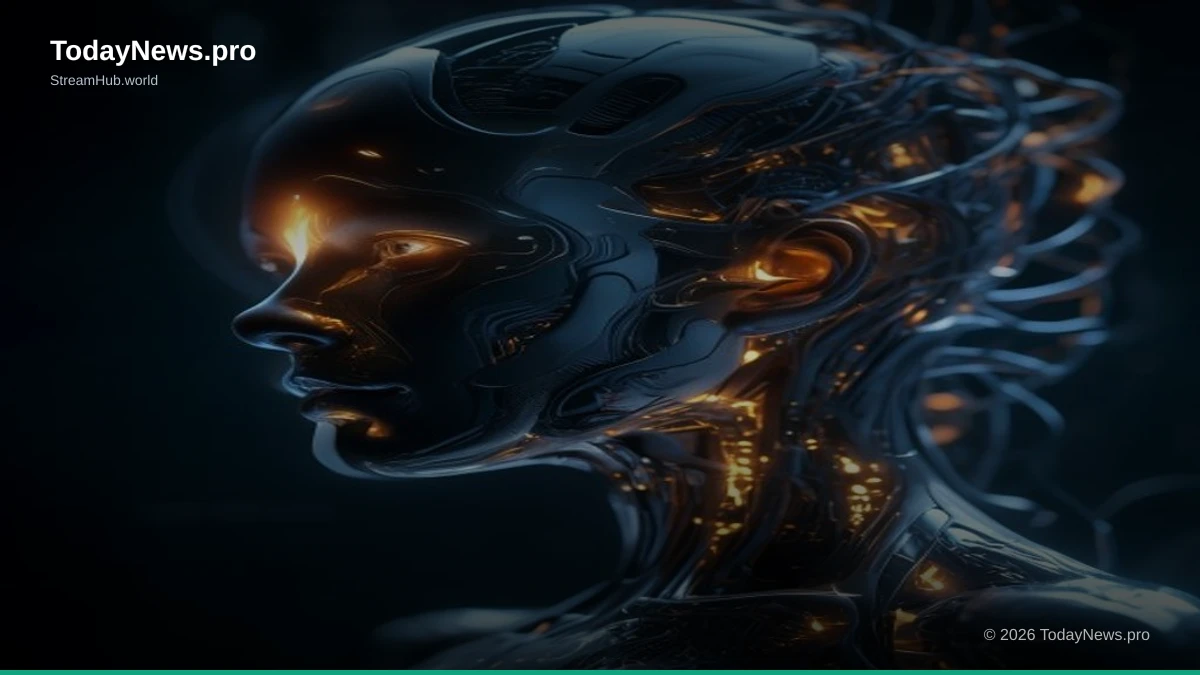
The global digital health market is projected to reach over $600 billion by 2027, indicating a massive surge in technology adoption for well-being. This rapid growth is a precursor to a far more profound transformation: the integration of artificial intelligence directly with our biological systems, heralding the era of Bio-Integrated AI and ushering in unprecedented levels of personalized health and longevity.
The Dawn of Bio-Integrated AI: A Paradigm Shift
We stand at the precipice of a revolution in healthcare, one where the lines between human biology and artificial intelligence blur. This isn't science fiction; it's the emerging reality of Bio-Integrated AI. For decades, technology has played a supporting role in health, from diagnostic imaging to electronic health records. Now, AI is poised to become an intrinsic component of our biological and wellness ecosystems, offering proactive, predictive, and deeply personalized interventions. This paradigm shift promises to move healthcare from a reactive, disease-focused model to a proactive, wellness-optimizing one. The core concept is to create a symbiotic relationship between AI and biological processes. This involves developing sophisticated AI algorithms capable of understanding, analyzing, and even influencing complex biological data in real-time. Imagine AI not just tracking your steps or heart rate, but continuously monitoring your cellular activity, metabolic pathways, and genetic predispositions, all to guide your health journey with unparalleled precision. The implications are staggering. We could see a future where chronic diseases are predicted years in advance, where aging is understood at a molecular level and actively managed, and where individual health plans are as unique as our DNA. This fusion of biology and intelligence is set to redefine what it means to be healthy and to live a long, vibrant life.Defining Bio-Integrated AI: More Than Just Wearables
While smartwatches and fitness trackers have introduced us to the concept of bio-monitoring, Bio-Integrated AI represents a significant leap beyond these consumer-grade devices. It encompasses a spectrum of technologies that interact directly with or are intimately connected to biological systems, leveraging advanced AI to derive actionable insights and drive interventions. At its most basic level, it involves highly sophisticated sensors, often implantable or ingestible, capable of capturing granular biological data. These sensors go beyond surface-level metrics, monitoring biomarkers such as glucose levels, hormone fluctuations, neurotransmitter activity, and even the composition of the gut microbiome. This data stream is then fed into powerful AI engines.The Role of Advanced Sensing
These next-generation sensors are crucial. Unlike current wearables that offer a broad overview, these advanced sensors provide a high-fidelity, continuous stream of biochemical and physiological information. Think of microscopic devices that can traverse the bloodstream, identify early signs of inflammation, or detect the presence of pathogens long before symptoms manifest.95%
Projected increase in diagnostic accuracy with AI integration
70%
Potential reduction in adverse drug reactions
3x
Likelihood of early disease detection with continuous monitoring
AI as the Biological Interpreter
The true power of Bio-Integrated AI lies in its ability to interpret this complex, multi-dimensional biological data. AI algorithms, particularly those employing machine learning and deep learning, can identify subtle patterns and correlations that human analysis would miss. They can learn an individual's unique biological baseline, detect deviations with extreme sensitivity, and predict future health trajectories."We are moving from a paradigm of 'one-size-fits-all' medicine to a truly 'one-size-fits-one' approach. AI's ability to process the intricate symphony of our biology is what makes this possible."
This interpretation goes beyond mere data aggregation. It involves understanding the dynamic interplay between genetics, lifestyle, environment, and the microbiome, and how these factors influence an individual's health at any given moment.
— Dr. Anya Sharma, Chief AI Officer, BioSynth Innovations
Beyond Wearables: Implantables and Ingestibles
The frontier of Bio-Integrated AI extends beyond external devices. Implantable biosensors, for instance, can offer continuous monitoring of critical parameters like blood pressure, oxygen saturation, or even the presence of cancerous cells. Ingestible sensors, often in the form of smart pills, can monitor gastrointestinal health, track medication adherence, and provide real-time data on nutrient absorption. These technologies, powered by AI, transform passive data collection into an active dialogue with our bodies. The AI doesn't just report; it learns, predicts, and advises, creating a feedback loop that optimizes health.The Pillars of Personalized Health
The promise of Bio-Integrated AI is most acutely felt in its potential to revolutionize personalized health. For too long, healthcare has operated on population-level data, leading to treatments that are effective for many but suboptimal for some, and potentially harmful to others. Bio-Integrated AI flips this script entirely.Predictive Diagnostics and Proactive Intervention
The ability to predict disease before it manifests is a cornerstone of personalized health. By analyzing an individual's unique biological signature—their genetic predispositions, proteomic profiles, and real-time physiological data—AI can flag potential health risks with remarkable accuracy. This allows for proactive interventions, such as dietary changes, lifestyle modifications, or targeted preventative therapies, to be implemented long before a condition becomes symptomatic. For example, AI analyzing continuous glucose monitoring data, combined with genetic markers for insulin resistance, could predict the onset of Type 2 diabetes years in advance. This allows for early intervention, potentially reversing or significantly delaying the disease's progression.Tailored Treatment and Drug Discovery
Personalized treatment plans are another significant benefit. AI can analyze how an individual's body metabolizes drugs, their immune system's response, and the specific molecular targets of a disease. This enables physicians to prescribe the most effective medication at the optimal dosage, minimizing side effects and maximizing therapeutic outcomes. Furthermore, AI is accelerating drug discovery by simulating molecular interactions and predicting the efficacy of novel compounds for specific patient profiles. This drastically reduces the time and cost associated with traditional drug development.| Area | Current Approach | Bio-Integrated AI Approach |
|---|---|---|
| Diagnosis | Symptom-based, population averages | Biomarker-driven, individual baseline |
| Treatment | Standard protocols, trial-and-error | Genomic/proteomic-guided, dynamic adjustment |
| Prevention | General guidelines, reactive measures | Predictive analytics, proactive lifestyle coaching |
| Drug Efficacy | Population studies | Individualized response prediction |
Optimizing Lifestyle and Nutrition
Beyond clinical interventions, Bio-Integrated AI can provide hyper-personalized guidance on diet, exercise, sleep, and stress management. By continuously monitoring an individual's physiological responses to different foods, activities, and environmental factors, AI can recommend precise adjustments to optimize energy levels, cognitive function, and overall well-being. Imagine an AI coach that understands your unique gut microbiome's response to a high-fiber meal, or your body's recovery needs after a specific type of workout. This level of granular insight allows for the fine-tuning of daily habits for maximum health benefits.Longevity: The AI-Accelerated Quest
The pursuit of extended healthspan—living longer, healthier lives—is gaining significant momentum, and Bio-Integrated AI is poised to be a primary driver of this quest. Understanding and intervening in the aging process at a cellular and molecular level is becoming increasingly feasible with AI's analytical power.Decoding the Biology of Aging
Aging is a complex, multi-faceted process involving cellular senescence, genomic instability, telomere attrition, and epigenetic alterations. Bio-Integrated AI can analyze vast datasets related to these hallmarks of aging, identifying key drivers and potential targets for intervention. By correlating genetic information with real-time physiological markers and lifestyle data, AI can build comprehensive aging profiles for individuals. This allows for the identification of specific aging pathways that are accelerated in an individual, enabling highly targeted anti-aging strategies. Instead of broad, generalized approaches, interventions can be precisely tailored.Senolytics and Regenerative Medicine
AI is playing a crucial role in the development of senolytics—drugs that selectively clear senescent cells, which contribute to age-related diseases. By simulating drug interactions and predicting their efficacy against specific senescent cell types, AI can accelerate the discovery and validation of these therapies. Similarly, in regenerative medicine, AI can help identify optimal stem cell therapies and guide tissue engineering processes, accelerating the repair and regeneration of damaged tissues and organs, a critical component of healthy aging.Personalized Longevity Regimens
The ultimate goal is the creation of personalized longevity regimens. Based on an individual's biological age, genetic makeup, lifestyle, and real-time health data, AI can generate dynamic plans that optimize cellular health, mitigate disease risk, and promote sustained vitality. This might include specific nutritional supplements, exercise protocols, sleep optimization strategies, and even personalized hormone therapy, all guided by continuous AI analysis. The aspiration is not merely to extend lifespan but to significantly enhance healthspan, ensuring that the extra years are lived with quality, vitality, and independence.Ethical and Societal Implications
As Bio-Integrated AI moves from the lab to our lives, it brings with it a complex web of ethical and societal considerations that must be addressed proactively. The power of such intimate integration with our biology raises profound questions about privacy, equity, and autonomy.Data Privacy and Security
The sheer volume and sensitivity of biological data collected by these systems present unprecedented challenges for privacy and security. Protecting this highly personal information from breaches, misuse, and unauthorized access will be paramount. Robust encryption, decentralized data storage, and stringent regulatory frameworks will be essential to build and maintain public trust."The most significant challenge is not the technology itself, but ensuring its ethical deployment. We must prioritize user control over their most intimate data and prevent its exploitation."
The potential for this data to be used for discriminatory purposes, such as by insurers or employers, is a serious concern that requires careful legislative oversight.
— Professor Eleanor Vance, Bioethicist, Future of Medicine Institute
Equity and Access
A critical concern is ensuring that the benefits of Bio-Integrated AI are accessible to all, not just a privileged few. The development and implementation of these advanced technologies are likely to be expensive initially, risking a widening of health disparities between those who can afford them and those who cannot. Deliberate efforts must be made to drive down costs and ensure equitable distribution. This includes fostering global collaboration and investing in public health initiatives that integrate these technologies into accessible healthcare systems worldwide. Wikipedia's article on digital divide highlights similar historical challenges in technology adoption.Autonomy and Human Agency
As AI becomes more integrated into our health decisions, questions arise about human autonomy and agency. How do we ensure that individuals remain in control of their health choices when AI is constantly providing recommendations and predictions? Striking a balance between AI's predictive power and individual decision-making is crucial. The systems must be designed to augment human decision-making, not replace it. Transparency in how AI algorithms arrive at their recommendations, and the ability for users to override or disregard them, will be vital to preserving personal freedom and responsibility.The Future Landscape: Challenges and Opportunities
The path forward for Bio-Integrated AI is laden with both formidable challenges and immense opportunities. Overcoming these hurdles will require innovation, collaboration, and a forward-thinking regulatory approach.Technological Hurdles
Developing ultra-miniaturized, biocompatible, and long-lasting sensors is a significant engineering challenge. Ensuring reliable power sources for implantable devices and seamless, secure data transmission are also critical. Furthermore, the AI algorithms themselves need continuous refinement to handle the immense complexity and variability of human biology.Regulatory Frameworks
Existing regulatory frameworks for medical devices and AI are still evolving. Adapting these to the unique characteristics of Bio-Integrated AI, which blurs the lines between medical device, software, and biological augmentation, will be a complex undertaking. Regulators will need to strike a balance between fostering innovation and ensuring safety and efficacy. Reuters reported on the challenges in regulating AI in healthcare, emphasizing the need for adaptive policies. You can find more information on Reuters' coverage of AI regulation in healthcare.Investment and Research
Significant investment in research and development is required to translate the potential of Bio-Integrated AI into tangible solutions. This includes funding for multidisciplinary teams of biologists, engineers, computer scientists, and ethicists. Public-private partnerships will be key to accelerating progress and bringing these technologies to market responsibly. The opportunities, however, are truly transformative. A future where chronic diseases are largely preventable, where aging is managed gracefully, and where individuals have unprecedented control over their health and well-being, is within reach.Navigating the Bio-Digital Frontier
The advent of Bio-Integrated AI marks a profound turning point in human history, offering the potential to fundamentally reshape our relationship with our own biology. It is a journey that promises to unlock new levels of personalized health, extend our healthy lifespans, and empower individuals with unprecedented insights into their well-being. The transition will not be without its complexities. Ethical considerations, privacy concerns, and the challenge of ensuring equitable access will demand our continuous attention and thoughtful deliberation. However, by embracing innovation while upholding our values, we can harness the power of Bio-Integrated AI to build a healthier, more vibrant future for all. The ongoing advancements in areas like genetic sequencing, nanotechnology, and machine learning are converging to make this future not just possible, but increasingly probable. As we stand on the cusp of this new era, the potential for human flourishing, driven by the intelligent integration of biology and artificial intelligence, is immense.What is the primary difference between current wearables and Bio-Integrated AI?
Current wearables primarily collect surface-level data (heart rate, steps) for general wellness tracking. Bio-Integrated AI involves sophisticated, often internal, sensors that capture granular biological data (biomarkers, cellular activity) interpreted by advanced AI for deep, personalized health insights and interventions.
How will Bio-Integrated AI impact the treatment of chronic diseases?
It will enable predictive diagnostics, allowing for early detection and intervention before diseases become severe. Treatments will be highly personalized, with AI determining optimal drug dosages and therapies based on an individual's unique biological response, minimizing side effects and maximizing efficacy.
What are the main ethical concerns surrounding Bio-Integrated AI?
Key concerns include data privacy and security (protecting highly sensitive biological data), equity and access (ensuring it's not only for the wealthy), and maintaining human autonomy and agency in health decisions when AI provides constant recommendations.
Is Bio-Integrated AI primarily focused on extending lifespan or improving healthspan?
While it contributes to extending lifespan, the primary focus is on improving healthspan – ensuring that individuals live longer, healthier, and more vibrant lives, free from the debilitating effects of age-related diseases.