

 Robert Stark
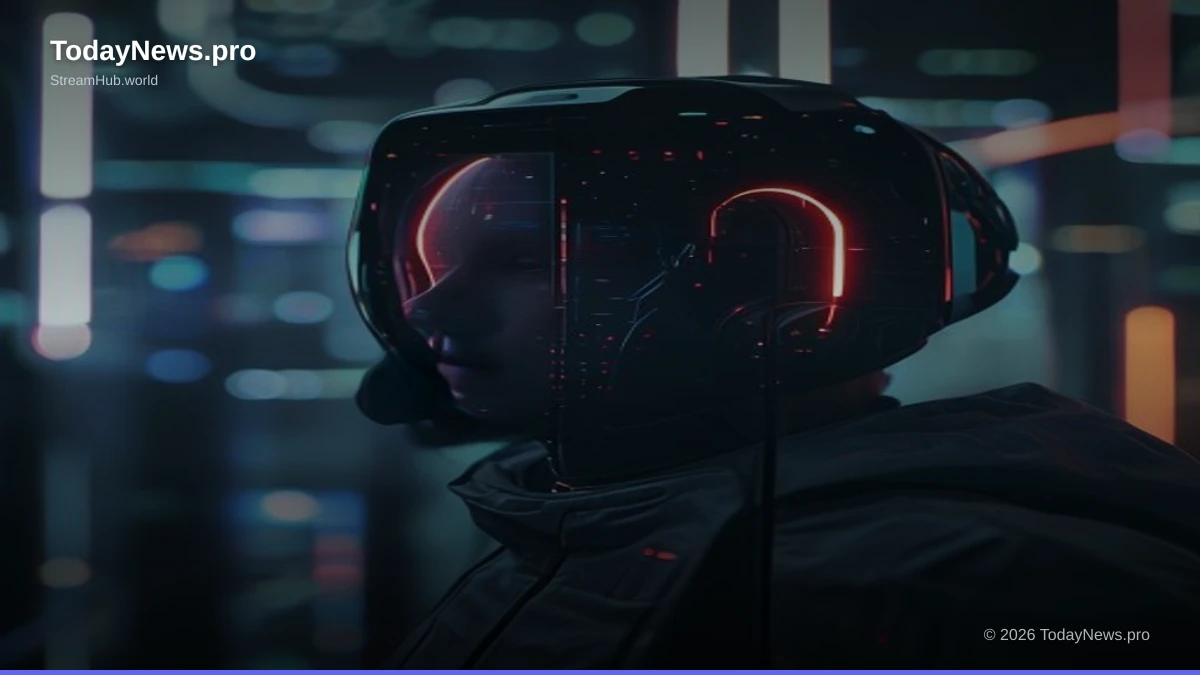
By 2026, the global market for wearable AI devices is projected to reach $110 billion, a testament to the accelerating integration of artificial intelligence into our daily lives, moving far beyond the confines of our smartphones.
The Shifting Sands: From Pocket Supercomputers to Ubiquitous Intelligence
The smartphone has been the undisputed king of personal technology for over a decade. It’s our portal to information, our communication hub, and our entertainment device. However, the relentless march of innovation is ushering in a new era: ambient computing. This paradigm shift envisions technology seamlessly integrated into our environment, responding to our needs and context without explicit commands. Instead of pulling out a device, intelligence will be “all around us,” a responsive, invisible layer enhancing our experiences.
This transition is powered by two intertwined forces: the miniaturization and exponential advancement of Artificial Intelligence (AI) and the proliferation of sophisticated wearable devices. These wearables are evolving from simple trackers to intelligent companions, capable of understanding and anticipating our needs. The convergence of these trends is dismantling the traditional device-centric model, paving the way for a more natural, intuitive, and pervasive interaction with technology.
Consider a simple daily routine: waking up. In the ambient computing model, your smart home might gently adjust the lighting and temperature based on your sleep patterns analyzed by your wearable. Your wearable, in turn, might suggest the optimal time to leave for work, factoring in real-time traffic data and your calendar, all without you needing to check a screen. This is the promise of a future where technology fades into the background, empowering us with enhanced capabilities and effortless convenience.
The Decline of the Screen-First Mentality
The smartphone’s dominance has been characterized by a screen-first interaction model. We actively engage with a visual interface to perform tasks. Ambient computing, however, aims to minimize screen time, prioritizing voice commands, gesture recognition, and contextual awareness. This doesn't mean screens disappear entirely, but their role shifts from primary interface to supplementary displays or specialized information delivery points.
Wearables, with their direct connection to our physical selves and immediate environment, are the perfect conduits for this transition. They can sense our physiological state, our location, and our interactions, feeding this data into AI algorithms that then orchestrate our digital and physical worlds.
Defining Ambient Computing and Wearable AI
Ambient computing refers to a computing environment where technology is embedded into everyday objects and spaces, making its presence felt but not seen. It’s about creating a responsive and intelligent ecosystem that anticipates and serves user needs proactively. Wearable AI, on the other hand, refers to AI capabilities integrated into devices worn on the body, such as smartwatches, smart glasses, hearables, and advanced clothing.
These two concepts are deeply symbiotic. Wearable AI acts as a personal, always-on sensor and interaction point within the broader ambient computing infrastructure. They provide the crucial data and personalized context that ambient systems need to function effectively, while the ambient environment provides the extended intelligence and seamless connectivity.
Wearable AI: More Than Just Fitness Trackers
The initial wave of wearables largely focused on health and fitness tracking. Step counts, heart rate monitoring, and sleep analysis were the primary selling points. While these features remain important, wearable AI in 2026 has evolved significantly. We are now seeing devices that offer sophisticated personalized coaching, proactive health alerts, and even advanced communication and productivity tools.
The AI embedded in these devices is becoming increasingly context-aware. It learns user habits, preferences, and even emotional states, enabling more personalized and relevant interactions. This sophisticated understanding allows wearables to move beyond simple data collection and become true intelligent assistants.
Smart Rings and Advanced Hearables
Beyond the ubiquitous smartwatch, new form factors are gaining traction. Smart rings, for instance, are offering discreet yet powerful health monitoring and payment capabilities, often with advanced gesture control. Hearables, like advanced earbuds and discreet ear cuffs, are becoming sophisticated personal AI assistants, capable of real-time language translation, personalized audio experiences, and contextual awareness through advanced microphones and sensors.
These devices leverage AI to analyze ambient sound, filter distractions, and even provide personalized audio cues based on the user's environment and activity. The ability to process information and respond directly to the ear opens up new avenues for hands-free interaction and augmented reality audio experiences.
The Rise of AI-Powered Clothing
While still nascent, smart clothing is poised for significant growth. Integrated sensors can monitor a wider range of physiological data, from muscle activity and posture to hydration levels. AI algorithms can then analyze this data to provide real-time feedback for athletes, elderly care, or even for industrial safety applications. Imagine a garment that alerts you to poor posture before it causes strain, or a sports jersey that analyzes your swing in real-time.
The integration of AI into textiles represents a frontier in wearable technology, blurring the lines between fashion, function, and intelligent assistance. This will likely see specialized applications emerge first, such as performance athletic wear or medical monitoring garments, before broader consumer adoption.
Personalized Health and Wellness Coaching
Wearable AI is transforming preventative healthcare and personalized wellness. By continuously monitoring vital signs, activity levels, and even stress indicators, AI can identify subtle patterns that might indicate potential health issues long before symptoms appear. This proactive approach can lead to earlier interventions and improved health outcomes. AI-powered coaching applications are also offering personalized advice on diet, exercise, and mental well-being, adapting their recommendations based on individual progress and data.
This goes beyond generic advice. An AI coach could, for example, notice a correlation between poor sleep, increased heart rate variability, and specific dietary choices, then offer tailored suggestions to optimize sleep hygiene and nutrition. The depth of personalization is a key differentiator in this evolving market.
| Segment | 2023 | 2026 | CAGR (2023-2026) |
|---|---|---|---|
| Smartwatches | 45.5 | 62.1 | 10.8% |
| Hearables | 28.2 | 41.5 | 13.5% |
| Smart Rings & Other Wearables | 15.7 | 25.9 | 18.0% |
| Smart Clothing | 3.1 | 8.5 | 39.2% |
| Total Wearable AI | 92.5 | 138.0 | 13.8% |
Ambient Computing: The Invisible Interface
Ambient computing is the natural evolution of our interaction with technology. It’s about creating an environment where technology is so seamlessly integrated that it becomes almost invisible. Instead of actively seeking out a device and an application, the environment itself responds to our presence, our needs, and our intentions. This is powered by a network of interconnected sensors, smart devices, and intelligent algorithms working in concert.
The goal is to reduce cognitive load and friction in our daily lives. Imagine walking into a room and the lighting adjusts to your preferred setting, or a meeting room automatically prepares for your arrival with relevant documents displayed on nearby screens. This level of seamlessness is what ambient computing promises.
Smart Homes and Cities: Orchestrating Our Environments
Smart homes are a foundational element of ambient computing. By 2026, these systems will be more sophisticated, moving beyond simple automation to proactive intelligence. Your home will learn your routines and anticipate your needs, adjusting energy consumption, security settings, and entertainment options without explicit commands. This extends to smart cities, where ambient intelligence can optimize traffic flow, manage public services, and enhance citizen safety through interconnected infrastructure and data analysis.
The potential benefits for urban living are immense, from reducing commute times to improving the efficiency of public utilities. However, the successful implementation hinges on robust data security and privacy frameworks.
Contextual Awareness and Proactive Assistance
The core of ambient computing lies in its ability to understand context. This includes your location, your current activity, your calendar, your physiological state (as reported by wearables), and even your expressed preferences. AI algorithms use this contextual information to deliver the right information or service at the right time, often before you even realize you need it.
For example, if your wearable detects a significant increase in your stress levels, your ambient environment might subtly adjust to promote relaxation, perhaps dimming lights and playing calming music. This proactive, context-aware assistance is a hallmark of the ambient computing paradigm.
The Role of Voice and Natural Language Processing
Voice interfaces are central to ambient computing. As natural language processing (NLP) technologies mature, interacting with our environment through spoken commands becomes increasingly fluid and intuitive. AI assistants are becoming more conversational, capable of understanding complex queries, remembering previous interactions, and performing multi-step tasks. This allows for seamless, hands-free control of our connected environments.
The accuracy and nuance of NLP are critical. By 2026, we can expect AI assistants to be far better at understanding accents, colloquialisms, and even emotional tone, leading to more natural and effective human-AI communication.
Key Technologies Driving the Revolution
The rapid advancement of ambient computing and wearable AI is not a singular breakthrough but rather the result of synergistic progress across several critical technological domains. These foundational technologies are creating the infrastructure and intelligence necessary for this new era of computing.
Edge AI and On-Device Processing
A significant hurdle for early AI integration in wearables was the reliance on cloud processing, leading to latency and privacy concerns. Edge AI, which enables AI algorithms to run directly on the device itself, has been a game-changer. This allows for faster processing, reduced power consumption, and enhanced data privacy as sensitive information can be processed locally.
By 2026, the majority of complex AI tasks in wearables will be performed at the edge, significantly improving responsiveness and user experience. This also reduces reliance on constant connectivity, making devices more functional in areas with poor network coverage.
5G and Advanced Wireless Connectivity
The widespread deployment of 5G networks is a crucial enabler for ambient computing. Its higher bandwidth, lower latency, and increased capacity are essential for connecting the vast number of devices that will comprise an ambient ecosystem. Seamless, high-speed communication between wearables, smart home devices, and the cloud is paramount for real-time data exchange and responsive AI.
Beyond 5G, emerging technologies like Wi-Fi 7 and low-power wide-area networks (LPWANs) will further bolster connectivity options, ensuring reliable communication for a diverse range of ambient devices, from low-power sensors to high-bandwidth augmented reality experiences.
Sensor Fusion and Miniaturization
Wearable AI relies on an ever-increasing array of miniaturized sensors capable of capturing a wide spectrum of data – from biometric signals like heart rate and blood oxygen to environmental data like temperature, air quality, and even location. Sensor fusion, the process of combining data from multiple sensors to gain a more comprehensive understanding of the environment and user state, is key.
The ability to pack more sophisticated sensors into smaller, more power-efficient form factors is a testament to advancements in materials science and micro-engineering. This allows for richer data collection without compromising device comfort or aesthetics.
Machine Learning and Deep Learning Advancements
The intelligence powering ambient computing and wearable AI is derived from sophisticated machine learning (ML) and deep learning (DL) models. These models are becoming more efficient, capable of learning from smaller datasets, and better at understanding complex patterns. Advancements in areas like reinforcement learning and federated learning are particularly important for personal AI agents that learn user preferences without compromising privacy.
Deep learning models are enabling breakthroughs in areas such as natural language understanding, computer vision (for smart glasses and environmental sensing), and predictive analytics, all of which are crucial for creating truly intelligent and responsive ambient systems.
Market Projections and Economic Impact
The economic ramifications of the ambient computing and wearable AI revolution are substantial. Analysts predict a significant surge in related markets, driving innovation and creating new economic opportunities. The shift away from traditional device-centric models means investment will flow into software, AI development, and seamless integration platforms.
This transition will foster the growth of new industries and business models, from personalized AI services to the development of the underlying infrastructure required for ubiquitous connectivity and intelligence. The economic impact will be felt across consumer electronics, healthcare, automotive, and even industrial sectors.
Investment Trends and Startup Ecosystem
Venture capital is increasingly targeting startups at the intersection of AI, wearables, and IoT. Companies developing novel AI algorithms, advanced sensor technologies, and intuitive user interfaces for ambient experiences are attracting significant funding. This influx of capital is accelerating innovation and bringing new products and services to market at an unprecedented pace.
The competitive landscape is fierce, with both established tech giants and agile startups vying for dominance in this rapidly evolving space. Partnerships and acquisitions are becoming common as companies seek to consolidate their positions and acquire key technologies or talent.
Job Market Evolution
The rise of ambient computing and wearable AI will inevitably reshape the job market. While some roles focused on traditional hardware manufacturing or software development for single devices may see shifts, new opportunities will emerge. Demand will soar for AI engineers, data scientists, UX/UI designers specializing in invisible interfaces, cybersecurity experts focused on IoT, and specialists in ethical AI development.
The need for professionals who can bridge the gap between technology and human needs, ensuring that these intelligent systems are not only functional but also beneficial and user-friendly, will be paramount. Lifelong learning and adaptability will be key for individuals navigating this evolving landscape.
Ethical Considerations and Societal Shifts
As technology becomes more pervasive and integrated into our lives, the ethical implications and societal impacts become increasingly critical. The vast amounts of personal data collected by wearables and ambient systems raise significant concerns about privacy, security, and potential misuse. Ensuring transparency, user control, and robust safeguards will be paramount.
Navigating these challenges requires a proactive and multi-stakeholder approach, involving technologists, policymakers, ethicists, and the public. The goal is to harness the power of these technologies responsibly, ensuring they benefit humanity without compromising fundamental rights and societal values.
Privacy and Data Security
The sheer volume and sensitivity of data collected by wearables and ambient systems present a significant privacy challenge. Biometric data, location history, and behavioral patterns are all highly personal. Robust encryption, secure data storage, and clear data usage policies are essential to protect user information from unauthorized access or misuse. The increasing prevalence of edge AI helps mitigate some risks by processing data locally, but data synchronization and aggregation still require strong security protocols.
Concerns around surveillance capitalism and the potential for data to be used for profiling or manipulation will need to be addressed through strong regulatory frameworks and industry best practices. Users must have clear control over what data is collected and how it is used.
Algorithmic Bias and Fairness
AI algorithms, including those used in wearables and ambient systems, can inherit biases present in the data they are trained on. This can lead to unfair or discriminatory outcomes, particularly for marginalized groups. For example, a health monitoring system trained on data predominantly from one demographic might be less accurate for others. Developers must prioritize diverse datasets and rigorous testing to identify and mitigate bias.
Ensuring fairness and equity in AI development is not just an ethical imperative but also a business necessity. Biased systems risk alienating users and facing regulatory scrutiny. Transparency in how algorithms make decisions, where possible, can also build trust.
The Digital Divide and Accessibility
As technology becomes more integrated, there is a risk of exacerbating the digital divide. Not everyone will have equal access to high-speed internet, advanced wearables, or the understanding to effectively utilize these systems. Ensuring accessibility and affordability will be crucial to prevent a two-tiered society where those without access are further disadvantaged.
Efforts to promote digital literacy, develop inclusive technologies, and ensure equitable access to infrastructure are vital to ensure that the benefits of ambient computing are shared broadly across society. This includes designing for users with disabilities and considering diverse cultural contexts.
For more on the ethical implications of AI, see the Wikipedia entry on the Ethics of Artificial Intelligence.
The Future is Here: Scenarios for 2026
Looking ahead to 2026, the landscape of computing will be profoundly different. The smartphone will remain a relevant device, but it will no longer be the sole or even primary interface for many daily tasks. Instead, it will be part of a larger, interconnected ecosystem of wearables and ambient intelligence.
These scenarios illustrate the tangible impact of ambient computing and wearable AI, moving beyond theoretical concepts to practical, everyday applications that enhance our lives. The integration will be gradual but pervasive, fundamentally altering how we interact with the digital and physical worlds.
Scenario 1: The Proactive Personal Assistant
Imagine waking up. Your smart alarm, informed by your wearable’s sleep analysis, gently wakes you at the optimal moment. Your hearables offer a brief summary of your day’s schedule, factoring in real-time traffic updates. As you prepare breakfast, your smart kitchen counter displays recipes based on your dietary goals and available ingredients, cross-referenced with your wearable’s real-time nutrient intake. The entire experience is guided by a conversational AI that anticipates your needs, offering suggestions and taking actions with minimal input from you. This is the proactive personal assistant, seamlessly integrated into your environment and your life.
Scenario 2: Augmented Reality for the Everyday
Smart glasses, now more stylish and less obtrusive, offer subtle augmented reality overlays. Walking through a new city, your glasses can provide real-time navigation cues and identify landmarks with historical information. In a professional setting, they can display relevant data during a meeting, or provide real-time translation of spoken words. Your wearable ring can confirm transactions with a simple gesture, and your hearables can filter out ambient noise to focus on a specific conversation. AR is no longer a novelty; it’s an integrated layer of information enhancing our perception and interaction with the world.
Further insights into the future of augmented reality can be found in Reuters' technology coverage.
Scenario 3: Hyper-Personalized Health and Wellness
Your smart clothing monitors your posture and gait, providing subtle haptic feedback to correct issues before they become problems. Your smartwatch continuously tracks advanced biomarkers, alerting you to subtle shifts that might indicate illness days or weeks in advance. Your hearables analyze your stress levels and suggest micro-meditations or personalized breathing exercises. This hyper-personalized approach extends to nutrition, with AI suggesting meals based on your real-time metabolic needs and activity levels. Healthcare becomes truly preventative and deeply tailored to the individual.