

 Tom 'Retro' Baker
⏱ 15 min
The global esports market is projected to surpass $2.3 billion in revenue by the end of 2024, a staggering figure that underscores its transition from a niche hobby to a dominant force in the entertainment landscape. This growth is not merely a fleeting trend; it represents a fundamental shift in how content is consumed, communities are built, and economies are shaped. Beyond the flicker of screens and the click of controllers lies a complex, multi-billion dollar empire poised for even greater mainstream integration.
Esports: A Colossus Beyond the Screen
Esports, or electronic sports, refers to organized, competitive video gaming. What began as informal gatherings in local internet cafes and basements has blossomed into a global phenomenon with professional leagues, massive tournaments, dedicated arenas, and a devoted fanbase numbering in the hundreds of millions. The sheer scale of its current operations and its trajectory towards even wider acceptance warrant a deep dive into its infrastructure, economic impact, and future potential. This is no longer about mere gameplay; it's about a sophisticated ecosystem involving technology, media, marketing, and a new generation of athletes and entertainers.Defining the Arena
The competitive landscape of esports is diverse, featuring a multitude of games that have cultivated their own dedicated scenes. Titles like "League of Legends," "Counter-Strike 2," "Dota 2," "Valorant," and "Fortnite" are more than just games; they are platforms that host intricate professional circuits. These games demand not only raw reflexes and strategic acumen but also profound teamwork, communication, and adaptability, mirroring the demands of traditional sports. The dedicated fan bases for each of these titles create distinct communities, each with its own culture, rivalries, and heroes.The Ecosystem of Competition
At the heart of the esports empire are the professional leagues and tournaments. Events like the League of Legends World Championship, The International for Dota 2, and the CS:GO Major Championship draw millions of concurrent viewers online and fill massive physical stadiums. These events are not just competitions; they are elaborate productions featuring professional broadcast teams, expert commentators, pre- and post-game analysis, and sophisticated visual effects, rivaling the production values of major sporting events. Sponsorships, media rights, and ticket sales are substantial revenue streams, fueling further investment and expansion.600+ million
Global Esports Viewers (2023)
2.3+ billion
Projected Global Revenue (2024)
850+
Professional Esports Teams Worldwide
The Economic Engine: Trillions in Revenue and Beyond
The financial architecture supporting esports is remarkably robust and continues to expand at an unprecedented rate. While direct revenue from game sales and in-game purchases remains a significant contributor, the lion's share of esports' economic power now stems from sponsorships, advertising, media rights, merchandise, and ticket sales for live events. This diversified revenue model insulates the industry from the volatility of any single income stream and attracts investment from a wide array of traditional corporations.Sponsorships and Partnerships
Major global brands, from automotive manufacturers and beverage giants to financial institutions and fashion labels, are increasingly recognizing esports as a powerful channel to reach a highly engaged, digitally native demographic. These sponsorships can range from title sponsorships of leagues and tournaments to individual team endorsements and product placement within game streams. The ability of esports to deliver targeted advertising to specific fan bases, often more effectively than traditional media, makes it an attractive proposition for marketers.Media Rights and Broadcasting
The value of media rights for major esports tournaments has surged dramatically. Streaming platforms like Twitch and YouTube have become the primary broadcasters, but traditional sports networks and emerging digital media companies are also investing heavily in securing broadcast rights. This creates a competitive landscape for content, driving up the value of these rights and enabling more sophisticated production and distribution strategies. The global reach of these platforms ensures that esports content is accessible to audiences worldwide, further expanding its market.| Revenue Stream | Projected Value (USD) |
|---|---|
| Sponsorships | $1.05 billion |
| Media Rights | $650 million |
| Publisher Fees | $300 million |
| Merchandise & Tickets | $300 million |
| Other | $50 million |
The Investment Landscape
Venture capital firms, private equity funds, and even traditional sports franchises are pouring billions into esports organizations, leagues, and supporting technologies. This influx of capital is transforming esports into a professionalized industry with sophisticated business operations, robust infrastructure, and ambitious expansion plans. The investment is not just in teams but also in platforms, analytics tools, and training facilities, all contributing to the industry's maturation."The investment in esports is no longer a gamble; it's a strategic imperative for brands looking to connect with the next generation of consumers. We are witnessing the birth of a new entertainment paradigm." — Alex Rodriguez, Esports Investor and Former MLB Superstar
The Evolution: From LAN Parties to Global Arenas
The journey of esports from its nascent stages to its current global prominence is a testament to rapid technological advancement and shifting cultural paradigms. What was once a niche subculture, accessible primarily to those with high-end gaming rigs and internet connections, has become a mainstream entertainment spectacle.The Dawn of Digital Competition
In the early days, competitive gaming was confined to local area network (LAN) parties, where players gathered physically to compete. Games like "StarCraft," "Quake," and "Doom" laid the groundwork for organized play. The advent of online multiplayer gaming, facilitated by the widespread adoption of the internet, was a pivotal moment, allowing players to connect and compete across geographical boundaries. This fostered the growth of online communities and the initial seeds of professional play.The Rise of Streaming and Spectacle
The explosion of live-streaming platforms, most notably Twitch, democratized esports viewership. Suddenly, anyone with an internet connection could watch top-tier players compete, creating a massive audience that dwarfed traditional media viewership for many events. This shift from active participation to passive spectating transformed gaming into a spectator sport, attracting not only gamers but also a broader audience curious about the spectacle. The integration of professional broadcast production further elevated the viewing experience.Infrastructure Development
The increasing popularity and commercialization of esports have led to significant infrastructure development. Dedicated esports arenas, equipped with state-of-the-art technology and designed for optimal viewing and fan engagement, are being built or retrofitted in cities worldwide. These venues host live tournaments, creating a palpable atmosphere of excitement and community that rivals traditional sporting events.The Players: Professionalism, Training, and the Human Element
The notion of an "esports athlete" is rapidly moving from a niche concept to mainstream recognition. Professional esports players are no longer simply skilled gamers; they are highly disciplined individuals undergoing rigorous training regimens, supported by professional teams, and often benefiting from specialized coaching and sports science.The Rigors of Professional Play
Professional esports demands immense dedication. Players often train for 8-12 hours a day, focusing on improving in-game mechanics, strategizing with their team, analyzing opponent performance, and maintaining peak mental and physical condition. This level of commitment requires significant sacrifice, often starting from a young age. The mental fortitude to perform under pressure, handle criticism, and maintain focus for extended periods is as crucial as any in-game skill.Team Structures and Support Staff
Modern esports organizations operate much like traditional sports franchises. They employ coaches, analysts, sports psychologists, nutritionists, and even physical therapists to optimize player performance and well-being. This professional support system ensures that players are not only honing their gaming skills but also developing resilience, leadership qualities, and a sustainable career path. Contracts, salaries, and benefits are becoming increasingly standardized, offering a level of security previously unheard of in the industry.Health and Well-being
Concerns about the physical and mental health of professional gamers are being addressed with growing seriousness. Issues such as repetitive strain injuries, eye strain, sleep deprivation, and the psychological toll of intense competition are being mitigated through dedicated health and wellness programs. Organizations are investing in ergonomic equipment, promoting healthy lifestyles, and providing mental health support to ensure their players have long and successful careers."The skills required in esports are incredibly complex and demand a level of dedication and strategic thinking that is comparable to any traditional sport. It's about more than just reflexes; it's about rapid decision-making, intricate coordination, and unwavering teamwork." — Dr. Anya Sharma, Sports Psychologist specializing in Esports
The Spectators: A New Kind of Fandom
Esports has cultivated a unique and highly engaged spectator base. This audience is not only massive but also deeply invested in the narratives, rivalries, and personalities that define the competitive landscape. Understanding this fandom is key to comprehending the mainstream appeal of esports.Digital Natives and Community
The core esports audience consists of digital natives who have grown up with video games and online communities. They are fluent in internet culture, highly interactive, and value authenticity. Streaming platforms provide a direct line of communication between players, casters, and fans, fostering a sense of community and shared experience that is a cornerstone of esports fandom.Engagement Beyond the Game
Esports fandom extends far beyond simply watching matches. Fans engage with content through social media, fan art, cosplay, and discussions on forums and Discord servers. They follow their favorite players and teams across multiple platforms, consuming VODs (Video on Demand), highlight reels, and behind-the-scenes content. This multi-platform engagement creates a rich tapestry of interaction that solidifies fan loyalty.The Spectacle of Live Events
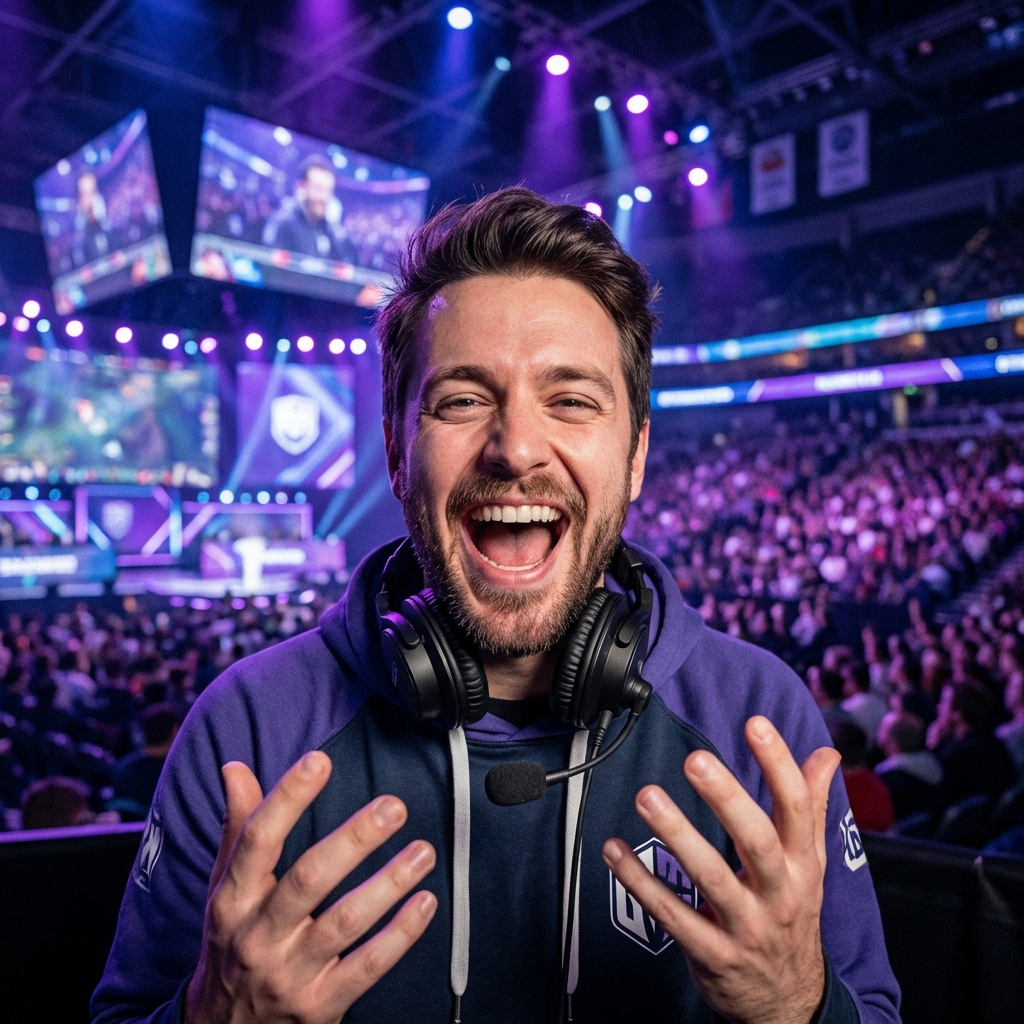
Attending a live esports event is a transformative experience. The electrifying atmosphere, the shared cheers and groans of the crowd, and the sheer scale of the production create an unforgettable spectacle. These events are not just about watching a game; they are about being part of a global community, celebrating a shared passion, and witnessing athletic excellence at its digital peak. The roar of thousands of fans reacting to a clutch play is as visceral as any moment in traditional sports. Reuters Esports News | Wikipedia: EsportsThe Mainstream Leap: Challenges and Opportunities
Despite its impressive growth, esports faces several challenges as it navigates its path towards complete mainstream acceptance. However, these challenges also present significant opportunities for further innovation and expansion.Perception and Stigma
One of the primary hurdles is overcoming the lingering stigma associated with video gaming. For many, gaming is still perceived as a childish pastime or an unproductive hobby, rather than a legitimate sport with professional athletes and a sophisticated competitive structure. Educating the general public about the skill, dedication, and economic viability of esports is crucial for breaking down these barriers.Regulation and Governance
As esports matures, the need for robust regulation and governance becomes increasingly apparent. Issues such as player contracts, anti-cheating measures, anti-doping policies, and dispute resolution mechanisms are critical for ensuring fairness, integrity, and the long-term sustainability of the industry. Establishing standardized regulations will foster greater trust and attract more mainstream investment.Inclusivity and Diversity
Ensuring inclusivity and diversity within esports is an ongoing challenge. While the player base is diverse, professional leagues and top-tier teams have historically been male-dominated. Efforts to promote gender equality, support LGBTQ+ players and fans, and create accessible pathways for players from all backgrounds are vital for the industry's ethical development and its broader appeal.What are the biggest esports titles?
The most popular esports titles include "League of Legends," "Counter-Strike 2," "Dota 2," "Valorant," "Fortnite," "Call of Duty," and "Overwatch 2." These games have massive professional leagues and dedicated fan bases.
How much do professional esports players earn?
Professional esports players' earnings vary significantly. Top players can earn hundreds of thousands, even millions, of dollars annually through salaries, tournament winnings, sponsorships, and streaming revenue. Many players on less established teams earn a modest living wage.
Is esports a real sport?
The definition of "sport" is evolving. While esports may not involve the same physical exertion as traditional sports, it requires immense skill, strategy, teamwork, reflexes, mental fortitude, and dedication, making it a highly competitive discipline often referred to as a sport.
How do I get into professional esports?
Getting into professional esports typically involves mastering a specific game, competing in amateur leagues and tournaments, building a strong online presence, and networking with established players and organizations. Dedication, practice, and continuous improvement are key.
The Future: Integration, Innovation, and Immersive Experiences
The trajectory of esports points towards an increasingly integrated and innovative future, blending seamlessly with traditional entertainment and exploring new frontiers of immersive technology.Integration with Traditional Sports and Media
The lines between esports and traditional sports are blurring. Major sports franchises are investing in esports teams, and traditional sports broadcasters are dedicating more airtime to esports content. This cross-pollination is exposing esports to new audiences and lending it further legitimacy. Expect to see more hybrid events and collaborative ventures in the coming years.Technological Advancements
The future of esports will be heavily influenced by technological advancements. Virtual reality (VR) and augmented reality (AR) hold immense potential for creating even more immersive viewing and playing experiences. Advances in AI will likely play a role in player training, opponent analysis, and even in-game development.The Metaverse and Beyond
The concept of the metaverse presents a vast new playground for esports. Persistent virtual worlds could host continuous tournaments, allow for deeper fan interaction with virtual avatars of players, and create new forms of digital ownership and engagement. Esports could become a foundational element of the metaverse economy, driving engagement and content creation."The metaverse represents the next evolution of online interaction, and esports will undoubtedly be a core pillar of this new digital frontier. We're on the cusp of experiences that will redefine entertainment and community building." — Sarah Chen, CEO of GameTech Ventures
The esports empire, once a whisper in the digital ether, has roared into the mainstream. Its economic might, evolving professionalism, and passionate fanbase demonstrate its enduring power. As technology advances and societal perceptions shift, the integration of esports into the fabric of global entertainment is not just a possibility but an inevitability. The controller is merely the gateway; the empire it commands is vast and its future, boundless.