

 Maria Curry
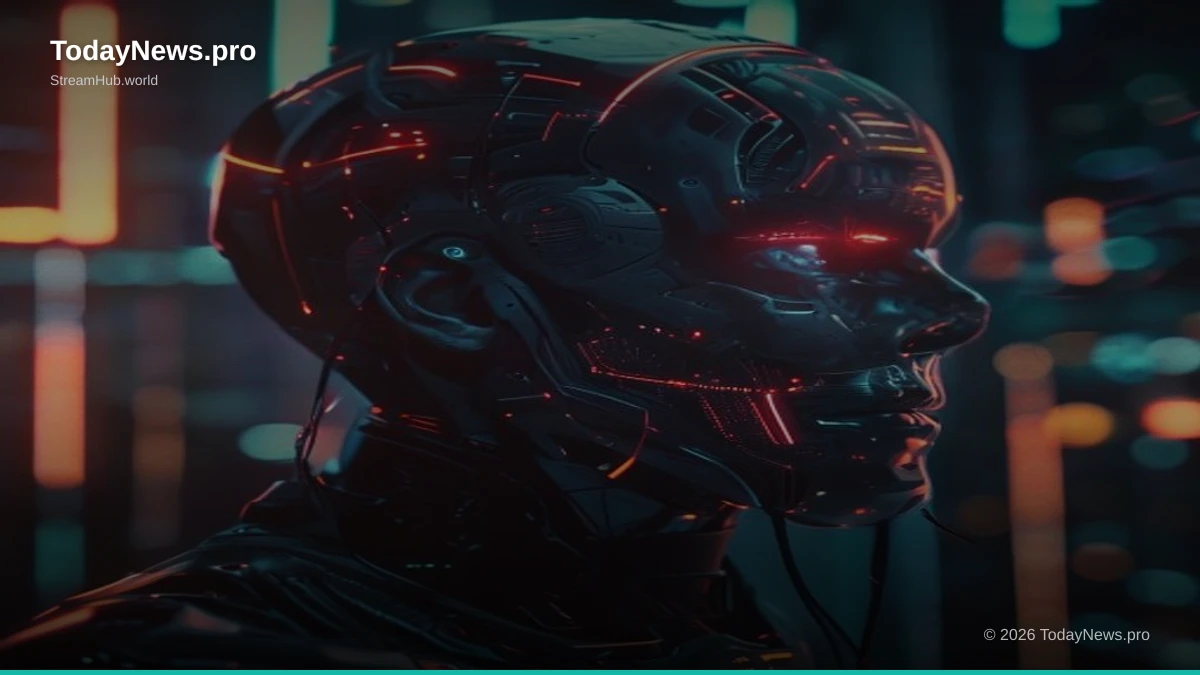
The global market for brain-computer interfaces (BCIs) is projected to reach $2.5 billion by 2027, signaling a dramatic shift in how humans interact with technology and, indeed, with themselves.
The Dawn of Neural Interfaces: A Leap Beyond the Keyboard
For centuries, human interaction with the digital realm has been mediated by physical actuators: hands grasping mice, fingers tapping keyboards, voices issuing commands. This paradigm, while revolutionary in its time, represents a fundamental bottleneck. Our thoughts, our intentions, travel through a complex biological pathway before being translated into binary code. Brain-Computer Interfaces (BCIs) promise to collapse this distance, offering a direct conduit between the human mind and external devices. This is not science fiction; it is the rapidly unfolding reality of neural technology.
The concept of directly interfacing with the brain has captivated scientists and futurists for decades. Early explorations were largely confined to theoretical musings and rudimentary laboratory experiments. However, recent advancements in neuroscience, materials science, and artificial intelligence have propelled BCIs from niche research projects to the cusp of widespread application. We are witnessing a fundamental redefinition of human potential, where the limitations of our physical bodies may no longer dictate the scope of our capabilities.
The implications are staggering. Imagine controlling prosthetic limbs with the fluidity of natural movement, communicating complex ideas without uttering a word, or even augmenting cognitive abilities. These are not distant fantasies but tangible goals being pursued by leading research institutions and ambitious startups alike. The journey is complex, fraught with technical hurdles and profound ethical considerations, but the destination—a future of seamless human-machine synergy—is an irresistible beacon.
Decoding the Brain: The Science Behind BCIs
At its core, a BCI functions by detecting, analyzing, and translating brain signals into commands that a computer or machine can understand. The human brain, a marvel of biological engineering, operates through electrochemical signals. Neurons communicate with each other via electrical impulses and chemical neurotransmitters. These signals generate measurable electrical activity (electroencephalography or EEG) or changes in blood flow and oxygenation (functional magnetic resonance imaging or fMRI, functional near-infrared spectroscopy or fNIRS) that can be detected by external sensors.
The process typically involves several key stages. First, data acquisition: sensors capture raw brain signals. This is followed by signal processing, where noise is filtered out and relevant features are extracted. Machine learning algorithms then play a crucial role in decoding these features, learning to associate specific patterns of brain activity with particular intentions or thoughts. Finally, signal translation occurs, converting the decoded brain state into a command for an external device, such as moving a cursor, typing a letter, or activating a robotic arm.
The complexity of the brain presents a significant challenge. Billions of neurons, trillions of connections, and a constant flux of activity make it an incredibly intricate system. Understanding the neural correlates of specific intentions or cognitive states is an ongoing area of research. Researchers are constantly developing more sophisticated algorithms and signal processing techniques to improve the accuracy and speed of brain signal decoding.
The Neuroscientific Foundation
The foundation of BCI technology lies in our growing understanding of neurophysiology. Different brain regions are responsible for different functions. For instance, the motor cortex is involved in planning and executing movements, while visual cortex processes visual information. BCIs often target specific neural pathways associated with intended actions. By analyzing the electrical patterns emanating from these regions, such as the P300 wave (a positive deflection in EEG occurring about 300 milliseconds after a person is presented with a stimulus they find significant) or sensorimotor rhythms, researchers can infer user intent.
The advancement of electrophysiology, particularly the development of high-density EEG caps and more sophisticated implantable electrodes, has been instrumental. These tools allow for the capture of finer-grained neural data, providing richer signals for analysis. The interplay between neuroscience and computer science is where the magic happens, turning raw biological data into meaningful digital control.
Machine Learning: The Decoders Key
Without advanced machine learning, BCIs would be little more than sophisticated signal detectors. Algorithms, especially deep learning models, are adept at identifying complex patterns within noisy brain data that human analysts might miss. These models are trained on vast datasets, learning to recognize the unique neural signatures associated with different commands or mental states. The more data the system receives, the more it learns and adapts, leading to improved performance over time.
This adaptive learning is crucial. Every individual's brain is unique, and even within a single person, brain activity can vary based on fatigue, focus, and other factors. Machine learning allows BCIs to personalize their decoding capabilities, becoming more attuned to the user's specific neural patterns. This continuous learning loop is a hallmark of modern BCI systems.
Types of Brain-Computer Interfaces: Invasive vs. Non-Invasive
BCIs can be broadly categorized based on how they interact with the brain: non-invasive and invasive. Each approach has its own set of advantages, disadvantages, and application areas.
Non-Invasive BCIs: The Accessible Frontier
Non-invasive BCIs are the most common type, primarily employing electroencephalography (EEG). An EEG cap, fitted with electrodes placed on the scalp, measures the electrical activity generated by the synchronized firing of neurons. These systems are relatively easy to set up, portable, and pose no surgical risk to the user, making them accessible for a wide range of applications and users.
However, EEG signals are inherently noisy and have lower spatial resolution compared to invasive methods. The skull and scalp act as a significant barrier, attenuating and blurring the electrical signals. Despite these limitations, significant progress has been made in signal processing and machine learning to extract useful information from EEG data, enabling applications like controlling cursors, spelling out words, and even playing simple video games.
Other non-invasive techniques include functional near-infrared spectroscopy (fNIRS), which measures brain activity by detecting changes in blood oxygenation, and transcranial magnetic stimulation (TMS), which can be used to both stimulate and measure brain activity. While fNIRS offers better spatial resolution than EEG in some contexts, it is generally slower. TMS is often used for therapeutic purposes rather than direct control.
Invasive BCIs: Precision and Power
Invasive BCIs require surgical implantation of electrodes directly onto the surface of the brain (electrocorticography or ECoG) or within the brain tissue itself (microelectrode arrays). This direct contact allows for the capture of much clearer, higher-fidelity neural signals with excellent spatial resolution.
The primary advantage of invasive BCIs is their superior performance in terms of accuracy, speed, and the range of control they can offer. They are particularly promising for restoring motor function in individuals with severe paralysis, enabling them to control advanced prosthetic limbs or even their own reanimated limbs through functional electrical stimulation.
The major drawback is the inherent risk associated with brain surgery, including infection and tissue damage. Furthermore, implanted electrodes can degrade over time, and the body's immune response can lead to scar tissue formation, which can interfere with signal quality. Despite these challenges, invasive BCIs represent the frontier of BCI technology, offering the highest potential for restoring lost function and pushing the boundaries of human-machine interaction.
Revolutionizing Healthcare: Restoring Functionality and Enhancing Lives
The most immediate and profound impact of BCIs is being felt in the healthcare sector. For individuals who have lost motor control due to conditions like spinal cord injuries, stroke, ALS, or traumatic brain injury, BCIs offer a lifeline, a chance to regain independence and improve their quality of life.
Restoring Motor Function
One of the most compelling applications is the restoration of motor function. By detecting the intention to move a limb, BCIs can bypass damaged neural pathways. For individuals with paralysis, this means they can control advanced robotic prosthetics, wheelchairs, or even their own limbs through functional electrical stimulation (FES) that coaxes muscles to contract. Researchers have demonstrated remarkable feats, with paralyzed individuals able to grasp objects, walk with robotic exoskeletons, and even feed themselves using BCI-controlled robotic arms.
The goal is to make these movements as intuitive and natural as possible. This involves not only decoding motor intentions but also providing sensory feedback. For example, when a BCI-controlled hand grasps an object, information about the pressure and texture can be fed back to the user's brain, allowing for more nuanced control and a greater sense of embodiment.
Communication for the Speechless
Communication is fundamental to human connection. For individuals who are unable to speak due to conditions like locked-in syndrome or severe motor neuron disease, BCIs can be transformative. Non-invasive EEG-based systems, often employing visual spellers or auditory stimuli, allow users to select letters or words to form sentences. While this process can be slower than natural speech, it provides a vital means of expression and interaction.
More advanced systems, particularly those utilizing invasive electrodes, can decode neural activity related to imagined speech or even direct semantic content. This holds the promise of restoring the ability to communicate at much higher speeds and with greater nuance, potentially allowing individuals to engage in conversations, express complex emotions, and maintain social connections.
Therapeutic Applications and Rehabilitation
Beyond restoring lost function, BCIs are also being explored for their therapeutic and rehabilitative potential. For stroke survivors, BCIs can be used to facilitate neuroplasticity, encouraging the brain to rewire itself. By providing feedback on attempted movements, even if they are not physically executable, BCIs can help patients relearn motor skills.
Furthermore, BCIs are showing promise in the treatment of neurological and psychiatric disorders. For example, deep brain stimulation (DBS), while not strictly a BCI in terms of user control, uses implanted electrodes to modulate neural activity and treat conditions like Parkinson's disease and epilepsy. Future BCI systems could offer more adaptive and personalized neuromodulation, responding to real-time brain states to alleviate symptoms of depression, anxiety, or chronic pain.
| Condition | BCI Application | Primary Benefit |
|---|---|---|
| Spinal Cord Injury | Motor Prosthetic Control, FES | Restoration of limb movement |
| Stroke | Motor Rehabilitation, Communication | Facilitating neuroplasticity, regaining speech |
| Amyotrophic Lateral Sclerosis (ALS) | Communication, Environmental Control | Enabling interaction and independence |
| Locked-In Syndrome | Communication | Restoring ability to express thoughts |
| Traumatic Brain Injury (TBI) | Cognitive Rehabilitation, Motor Control | Improving cognitive function and movement |
Beyond Medicine: The Broadening Horizons of BCIs
While healthcare is a primary driver, the applications of BCIs extend far beyond medical rehabilitation. The ability to interact with the digital world directly with one's thoughts opens up a universe of possibilities for enhanced productivity, entertainment, and even entirely new forms of experience.
Enhanced Human-Computer Interaction
Imagine a world where controlling your computer, smartphone, or smart home devices is as simple as thinking about it. BCIs could revolutionize how we interact with everyday technology. This could lead to unprecedented levels of efficiency for professionals in fields requiring rapid data processing or complex command execution. Designers could sculpt 3D models with their minds, programmers could write code faster, and gamers could achieve a new level of immersion and control.
The potential for accessibility is also enormous. For individuals with disabilities that prevent them from using traditional input devices, BCIs offer a pathway to full digital inclusion, allowing them to participate more fully in work, education, and social life. This democratizes access to technology in a profound way.
Augmented Cognition and Learning
The concept of "augmented cognition" suggests that BCIs could not only restore lost function but also enhance existing human capabilities. Researchers are exploring how BCIs might be used to improve focus, memory, and learning. By monitoring brain states associated with optimal learning or concentration, BCIs could provide real-time feedback or adjust the learning environment to maximize cognitive performance.
This could lead to personalized educational tools that adapt to a student's cognitive load, or training programs that accelerate skill acquisition. The ethical implications of cognitive enhancement are significant, but the potential for human intellectual growth is undeniable. For instance, imagine learning a new language or mastering a complex skill at an accelerated pace through guided neural feedback.
Immersive Entertainment and Virtual Realities
The gaming and entertainment industries are natural early adopters of BCI technology. Imagine fully immersive virtual reality experiences where your emotions and thoughts directly influence the game's narrative or environment. Players could control avatars with unprecedented realism, experience virtual worlds with a deeper sense of presence, and interact with digital characters in more nuanced ways.
Beyond gaming, BCIs could also transform how we consume media. Imagine a movie that adapts its pacing or mood based on your emotional responses, or music that generates novel melodies in real-time according to your subconscious preferences. This level of personalized and responsive entertainment could redefine leisure activities.
Companies are already investing heavily in this area, recognizing the potential for BCI to create entirely new forms of interactive media. The line between the user and the digital experience will blur, leading to levels of engagement previously unimaginable. This push into consumer applications, while exciting, also raises questions about data privacy and the potential for addictive or manipulative experiences.
Reuters has reported on significant milestones in human brain implant trials, highlighting the rapid progress in this field.
Ethical Frontiers and Societal Impact: Navigating the Unknown
As BCIs become more sophisticated and widespread, they bring with them a complex web of ethical considerations and societal implications that demand careful scrutiny. The direct interface with the human brain, the seat of our identity, consciousness, and privacy, raises profound questions.
Privacy and Security of Neural Data
Brain data is arguably the most sensitive personal information imaginable. It contains not only intentions and commands but potentially also our deepest thoughts, emotions, and memories. Ensuring the privacy and security of this data is paramount. Who owns this data? How will it be stored, protected, and used? The potential for misuse, such as unauthorized access, manipulation, or even "mind reading," is a significant concern.
Robust regulatory frameworks and advanced encryption techniques will be essential to safeguard neural data. The development of ethical guidelines for data collection, consent, and usage must be a priority, ensuring that individuals maintain control over their own neural information. The implications for surveillance and the potential for a "surveillance state" where even our thoughts are monitored are dystopian possibilities that must be actively guarded against.
Wikipedia's entry on BCIs extensively discusses the ethical dimensions.
Equity and Access: The Digital Divide of the Brain
Will BCIs become tools that exacerbate existing societal inequalities, or will they be accessible to all? The cost of advanced BCI systems, particularly invasive ones, could create a new form of digital divide, where only the wealthy can afford to enhance their capabilities or restore lost functions. This could lead to a society where augmented individuals have a significant advantage over their non-augmented counterparts.
Efforts to ensure equitable access must be a central focus of BCI development and policy. This includes driving down costs, promoting open-source development where appropriate, and creating public health initiatives to make BCI technologies available to those who need them most, regardless of their socioeconomic status. The goal should be to uplift humanity, not to stratify it further.
Identity, Autonomy, and Agency
As BCIs become more integrated with our lives, questions about personal identity and autonomy arise. If our actions are increasingly mediated or even influenced by algorithms interpreting our brain signals, where does our own agency lie? What happens when a BCI makes a decision, even a correct one, that we didn't consciously intend? This blurring of lines between human intention and machine execution could challenge our very understanding of self.
Furthermore, the potential for external manipulation of brain signals, either accidentally or maliciously, raises concerns about free will. Maintaining user control and ensuring that BCIs are tools that serve human intentions, rather than dictating them, is a critical ethical imperative. The user must always remain in control, with clear understanding and consent over how their neural interface is functioning.
The Brain Drain and Cognitive Enhancement Ethics
The prospect of cognitive enhancement through BCIs raises profound ethical questions about what it means to be human. If we can artificially boost intelligence or creativity, what value do natural abilities hold? Who decides what constitutes an "enhancement" versus a "norm"? The pursuit of super-human capabilities could lead to unforeseen consequences for individual well-being and societal structures.
The ethical debate around enhancement is not new, but BCIs bring it to a new, neurobiological level. Careful consideration must be given to the potential for unintended psychological effects, the pressure to undergo enhancement, and the societal implications of a permanently bifurcated human population based on cognitive augmentation. The pursuit of progress must be tempered with wisdom and foresight.
The Future of Human-Machine Synergy: A Glimpse into Tomorrow
The trajectory of BCI development suggests a future where the lines between human and machine become increasingly blurred, leading to a novel form of synergy. This is not a dystopian vision of machines replacing humans, but rather a co-evolutionary path where technology augments and extends our innate capabilities.
Ubiquitous and Seamless Integration
In the coming decades, we can expect BCIs to become more ubiquitous, moving from specialized medical devices and research labs into everyday consumer products. Imagine smart homes that anticipate your needs, vehicles that respond to your driving intentions before you consciously act, and wearable devices that provide real-time cognitive feedback. The interface will become invisible, seamlessly integrated into our lives.
This seamless integration will likely be driven by advancements in materials science, leading to more comfortable, durable, and less intrusive sensors. Non-invasive BCIs will become more accurate and reliable, while invasive technologies will continue to push the boundaries of resolution and longevity. The development of biocompatible and self-healing materials will be key to the long-term success of implantable devices.
The Era of Cognitive Computing
BCIs are a cornerstone of what some futurists are calling "cognitive computing"—a paradigm where computers understand and interact with us on a cognitive level. This goes beyond simply processing information; it involves understanding context, intent, and even emotional states. Imagine an AI assistant that not only answers your questions but also anticipates your needs based on your mental state, or a diagnostic tool that can identify potential health issues by analyzing subtle changes in your neural activity.
This era will require unprecedented collaboration between humans and machines, with each contributing their unique strengths. Humans will provide creativity, intuition, and emotional intelligence, while machines will offer computational power, data processing capabilities, and tireless execution. The potential for solving complex global challenges, from climate change to disease, is immense.
The Evolution of Human Identity
As we become more interconnected with machines, our understanding of human identity will inevitably evolve. The concept of a purely biological self may give way to a more hybrid understanding, where our capabilities and even our experiences are shaped by technological integration. This is not to say we will cease to be human, but rather that our definition of humanity will expand to encompass our technologically augmented selves.
The challenges ahead are significant, requiring not only scientific and engineering breakthroughs but also thoughtful ethical deliberation and societal adaptation. The journey from "mind over machine" to a true "human-machine synergy" will be one of the most transformative in human history. The ethical frameworks we establish today will shape the future of human potential for generations to come.