

 James Holloway
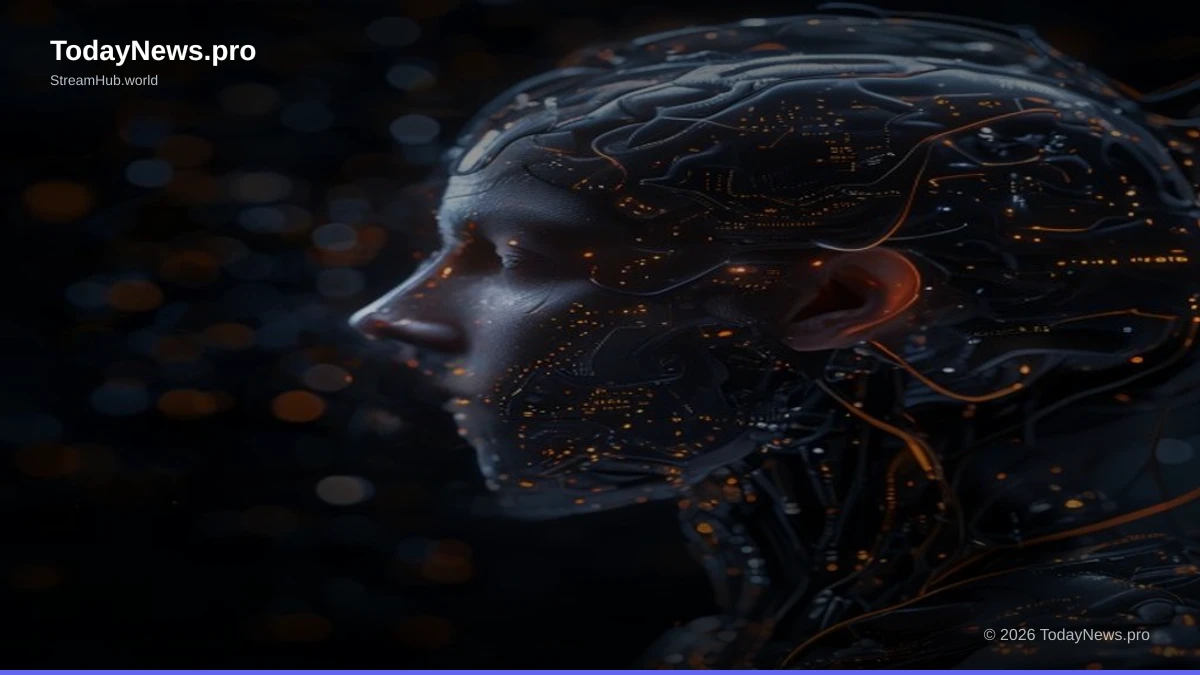
⏱ 15 min
In 2023, the global Brain-Computer Interface (BCI) market was valued at approximately $1.6 billion, with projections suggesting it could surge past $5 billion by 2029, indicating a compound annual growth rate (CAGR) of over 20%.
The Dawn of Direct Neural Control
For millennia, humanity's interaction with the external world has been mediated through physical actions and sensory inputs. We speak, we type, we gesture. But a quiet revolution is underway, one that bypasses these traditional pathways and directly taps into the intricate network of the human brain. Brain-Computer Interfaces (BCIs) are no longer confined to the realms of science fiction; they are rapidly evolving from experimental curiosities into powerful tools poised to redefine human interaction, augment capabilities, and unlock unprecedented possibilities. This is not merely about controlling a cursor with thought; it's about a fundamental shift in how we communicate, learn, and even experience reality, heralding a new era where the boundary between mind and machine begins to blur. The promise is immense, touching everything from restoring lost function to enhancing human potential.Bridging the Biological and Digital Divide
At its core, a BCI establishes a direct communication channel between the brain and an external device. This is achieved by detecting, analyzing, and translating brain signals into commands that a computer or machine can understand and execute. Imagine a paralyzed individual regaining the ability to operate a robotic arm simply by thinking about moving it, or a person with a severe speech impediment communicating fluently through a BCI-powered synthesizer. These are not distant dreams but burgeoning realities, powered by advancements in neuroscience, engineering, and artificial intelligence. The potential to liberate individuals from physical limitations is perhaps the most compelling aspect of BCI technology, offering a beacon of hope for millions worldwide.A Historical Perspective on Neural Interfaces
The concept of interfacing directly with the brain has a surprisingly long history. Early explorations in the mid-20th century involved invasive electrodes placed on the surface of the brain, primarily for research purposes. Significant milestones include the work of Jacques Vidal in the 1970s, who coined the term "Brain-Computer Interface" and demonstrated the potential of using electroencephalography (EEG) to control a cursor. Later, researchers began to explore more sophisticated techniques, including invasive methods for deeper brain signal acquisition. The advent of microelectrode arrays capable of recording from individual neurons marked a pivotal moment, allowing for finer control and more complex command interpretation. Each step, though incremental, has built upon the last, paving the way for the sophisticated BCIs we see emerging today.Decoding the Brain: Technologies at the Forefront
The effectiveness of any BCI hinges on its ability to accurately and reliably capture brain activity. This is where a diverse array of technological approaches comes into play, each with its own strengths, limitations, and invasiveness levels. The choice of technology profoundly impacts the resolution of the data, the complexity of the signals that can be decoded, and the practical considerations for users. From non-invasive methods that offer ease of use to highly precise invasive techniques, the spectrum of BCI technologies is continuously expanding and refining.Non-Invasive Techniques: Accessibility and Ease
Non-invasive BCIs are the most widely accessible and commonly encountered forms of this technology. They do not require surgery and can be implemented using readily available equipment.- Electroencephalography (EEG): This is the most prevalent non-invasive method. It uses electrodes placed on the scalp to detect electrical activity generated by neurons. EEG is relatively inexpensive and portable, making it suitable for a wide range of applications. However, its spatial resolution is limited, and signals can be noisy due to interference from the scalp and skull.
- Magnetoencephalography (MEG): MEG measures magnetic fields produced by electrical currents in the brain. It offers better spatial resolution than EEG and is less susceptible to skull distortion. However, MEG systems are expensive and require a shielded environment, limiting their widespread adoption.
- Functional Near-Infrared Spectroscopy (fNIRS): fNIRS uses near-infrared light to measure changes in blood oxygenation in the brain, which are correlated with neural activity. It provides a balance between spatial resolution and portability, making it a promising option for certain applications.
Invasive Techniques: Precision and Power
For applications demanding the highest precision and the ability to decode complex neural patterns, invasive BCIs are often employed. These methods involve surgically implanting electrodes or sensors directly into or onto the brain.- Electrocorticography (ECoG): ECoG involves placing electrodes directly on the surface of the brain, beneath the dura mater. This technique offers significantly higher spatial and temporal resolution than scalp-based EEG, allowing for more detailed analysis of brain activity. It is often used in clinical settings for epilepsy monitoring and has shown great promise in BCI research.
- Intracortical Microelectrode Arrays: These are arrays of tiny electrodes that are implanted directly into the brain tissue, allowing for the recording of individual neuron activity. This provides the highest level of detail and precision, enabling fine-grained control over external devices. However, the invasiveness and potential for tissue damage are significant considerations.
Emerging and Hybrid Approaches
Beyond these established methods, researchers are constantly exploring new frontiers. This includes minimally invasive techniques, such as endovascular BCIs that can be inserted through blood vessels, reducing surgical risk. Hybrid BCIs, which combine signals from multiple sensing modalities (e.g., EEG and eye-tracking), are also gaining traction, aiming to leverage the strengths of each to improve overall performance and robustness. The ongoing quest is for technologies that offer a superior signal-to-noise ratio, higher resolution, and greater longevity, all while minimizing invasiveness and user burden.| Technology | Invasiveness | Spatial Resolution | Temporal Resolution | Cost | Typical Applications |
|---|---|---|---|---|---|
| EEG | Non-invasive | Low | High | Low | Basic control, neurofeedback, research |
| MEG | Non-invasive | Medium | High | Very High | Research, diagnosis |
| fNIRS | Non-invasive | Medium | Medium | Medium | Cognitive monitoring, rehabilitation |
| ECoG | Semi-invasive | High | High | High | Prosthetic control, communication for severe paralysis |
| Intracortical Arrays | Invasive | Very High | Very High | Very High | Advanced prosthetic control, sensory restoration |
Applications: Transforming Lives and Industries
The potential of BCIs extends far beyond niche scientific applications. They are poised to revolutionize healthcare, enhance human capabilities in various professional fields, and even reshape our entertainment and communication paradigms. The breadth of these applications underscores the transformative power of this technology.Restoring Function and Enhancing Quality of Life
The most profound impact of BCIs is currently seen in their ability to restore lost function for individuals with severe disabilities. For those with paralysis due to spinal cord injuries, stroke, or neurodegenerative diseases like Amyotrophic Lateral Sclerosis (ALS), BCIs offer a pathway to regain a degree of autonomy and communication.- Motor Prosthetics: BCIs can translate the user's intention to move into commands for robotic limbs, wheelchairs, or exoskeletons. This has enabled individuals to perform actions like grasping objects, feeding themselves, and navigating their environment.
- Communication Aids: For individuals who are locked-in or unable to speak, BCIs can facilitate communication by allowing them to select letters, words, or pre-programmed phrases through thought. This dramatically improves social interaction and reduces isolation.
- Sensory Restoration: Emerging research is exploring BCIs that can bypass damaged sensory pathways to restore sight or hearing by directly stimulating the brain.
"The ability to give back agency and a voice to those who have lost them is, in my view, the most ethically compelling and technologically exciting frontier of BCI development. It represents a profound act of human restoration."
— Dr. Anya Sharma, Neuroprosthetics Researcher
Augmenting Human Capabilities in Professional Settings
Beyond therapeutic applications, BCIs hold immense promise for augmenting human capabilities in demanding professional environments. This could lead to increased efficiency, improved safety, and entirely new ways of working.- Military and Aerospace: In high-stakes situations where rapid decision-making and precise control are critical, BCIs could allow pilots or soldiers to control complex systems with greater speed and accuracy.
- Gaming and Entertainment: The immersive potential of BCIs in gaming is vast, allowing for more intuitive and responsive gameplay. Imagine controlling game characters directly with your thoughts or experiencing virtual environments in a more profound way.
- Creative Arts: Artists and musicians could potentially use BCIs to create art or compose music in entirely new mediums, translating their mental imagery or melodic ideas directly into digital output.
The Future of Learning and Cognition
BCIs may also play a role in enhancing cognitive functions and learning processes. Neurofeedback, a form of BCI that allows individuals to monitor and train their brain activity, is already being explored for improving attention, memory, and mood. In the future, BCIs could offer personalized learning experiences, adapting educational content based on a user's cognitive state and optimizing information absorption. This area, however, is fraught with ethical considerations regarding cognitive enhancement and potential societal inequalities.Projected Growth of BCI Applications (2023-2029)
Ethical Labyrinths and Societal Shifts
As BCIs move from research labs to widespread adoption, they bring with them a complex web of ethical considerations and potential societal shifts that demand careful navigation. The ability to directly access and interpret brain activity raises profound questions about privacy, agency, and the very definition of what it means to be human. Proactive discussion and robust ethical frameworks are essential to ensure this powerful technology is developed and deployed responsibly.Privacy, Security, and Neural Data Ownership
Brain data is arguably the most intimate form of personal information. The thought patterns, emotional states, and cognitive processes captured by BCIs could reveal highly sensitive details about an individual. This raises critical concerns about data privacy and security. Who owns this neural data? How will it be protected from unauthorized access, manipulation, or misuse? The potential for "brain hacking" or the exploitation of neural data for commercial or surveillance purposes is a significant threat that requires stringent regulatory oversight and advanced encryption techniques. The concept of "neural privacy" needs to be as robustly protected as financial or medical records.Autonomy, Agency, and Free Will
The direct connection between brain and machine raises questions about user autonomy. If a BCI is subtly influencing decisions or behaviors, even unintentionally, where does the user's agency truly lie? For individuals using BCIs to overcome disabilities, the goal is to enhance autonomy, but the potential for unintended consequences or external influence is a concern. Furthermore, as BCIs become more sophisticated, questions about the nature of free will in a technologically augmented world will inevitably arise. How do we ensure that individuals remain the ultimate decision-makers?Equity, Access, and the Digital Divide
The development of advanced BCIs is currently an expensive undertaking. This raises concerns about equitable access. Will these technologies exacerbate existing societal inequalities, creating a divide between those who can afford to augment their capabilities and those who cannot? Ensuring that the benefits of BCI technology are accessible to all, particularly those who stand to gain the most in terms of restoring function, is a crucial ethical imperative. Discussions about universal basic augmentation or subsidized access to therapeutic BCIs may become necessary.The Specter of Cognitive Enhancement and Human Identity
The potential for BCIs to enhance cognitive abilities beyond natural human limits introduces another layer of ethical complexity. While the prospect of improved learning, memory, and problem-solving is attractive, it also prompts questions about human identity. If significant cognitive augmentation becomes commonplace, how will it affect our understanding of natural human intelligence and our shared human experience? Will it create new forms of social stratification based on cognitive capacity? This mirrors ongoing debates around genetic engineering and other forms of human enhancement.75%
of people support stricter regulations on brain data privacy.
60%
of potential BCI users are concerned about security.
40%
fear BCI technology could widen societal inequalities.
The Future Landscape: From Augmentation to Immersion
The trajectory of BCI development suggests a future where these interfaces are not just tools for control but integral components of human experience, blurring the lines between the physical and digital realms, and potentially unlocking entirely new modes of interaction and consciousness.Seamless Integration and Ubiquitous Interaction
As BCIs become more sophisticated, they are likely to move beyond specialized devices and become seamlessly integrated into everyday technology. Imagine smart homes that respond to your needs before you even articulate them, or wearable devices that subtly guide your focus or manage stress levels based on real-time brain activity. This ubiquitous integration promises a future of effortless interaction with our environment, where technology anticipates and adapts to our mental states. The goal is to make the interface disappear, leaving only pure intent and action.The Metaverse and Beyond: Immersive Digital Realities
The burgeoning metaverse presents a fertile ground for BCI applications. Beyond simple control, BCIs could enable a truly immersive experience, allowing users to interact with virtual worlds using their thoughts and emotions. This could lead to more lifelike avatars, richer social interactions, and entirely new forms of digital art and entertainment. The ability to convey nuance and intent directly from the mind could revolutionize our perception of virtual presence. This is where the potential for sensory feedback loops becomes particularly exciting, allowing for simulated touch, taste, and even smell within digital environments.Brain-to-Brain Communication and Collective Intelligence
While still largely theoretical, the concept of direct brain-to-brain communication, facilitated by BCIs, represents one of the most futuristic and potentially transformative applications. This could enable individuals to share thoughts, emotions, and even skills directly, leading to unprecedented levels of collaboration and understanding. The implications for collective intelligence, problem-solving, and the evolution of human consciousness are profound and largely unexplored. Such advancements would require deep ethical considerations regarding consent and the potential for overwhelming or unwanted mental input.Neuro-enhancement and Cognitive Augmentation
The pursuit of cognitive enhancement will likely continue, with BCIs playing a central role. This could involve using BCIs to improve memory recall, accelerate learning, enhance focus, or even modulate emotional states. While the ethical implications are significant, the potential benefits for human productivity and well-being are also considerable. Research into BCIs that can directly interface with memory formation or learning pathways could fundamentally alter how we acquire knowledge and skills.Challenges and the Path to Ubiquity
Despite the immense promise, the widespread adoption of BCIs faces significant hurdles. Overcoming these challenges is crucial for unlocking the full potential of this technology and ensuring its beneficial integration into society.Technical Limitations and Signal Reliability
One of the primary challenges is achieving robust and reliable signal acquisition. Non-invasive methods, while safer, often struggle with noise and low signal resolution. Invasive methods offer greater precision but come with surgical risks and the long-term biocompatibility of implanted devices remains a concern. Improving the signal-to-noise ratio, developing more durable and less intrusive implants, and creating sophisticated algorithms to decode complex neural patterns are ongoing areas of research.User Training and Adaptation
Current BCIs often require extensive user training and calibration. Users need to learn to generate specific mental commands that the system can recognize. This process can be time-consuming and frustrating. Developing BCIs that are more intuitive and require less effort from the user, perhaps through adaptive algorithms that learn individual brain patterns over time, is essential for broader adoption. The "learning curve" for BCIs needs to become significantly shallower.Cost and Manufacturing Scalability
The high cost of developing and manufacturing advanced BCI systems, particularly those employing invasive techniques, remains a significant barrier. For BCIs to become accessible to a wider population, especially for therapeutic purposes, the cost of production needs to decrease dramatically. This will require advancements in materials science, microfabrication, and large-scale manufacturing processes.Regulatory Approval and Ethical Frameworks
Navigating the complex landscape of regulatory approval for medical devices and novel technologies presents another challenge. Ensuring the safety, efficacy, and ethical use of BCIs requires robust clinical trials and clear regulatory pathways. Establishing comprehensive ethical guidelines and legal frameworks for neural data privacy, consent, and responsible augmentation will be critical for building public trust and facilitating responsible innovation. Organizations like the Wikipedia provide valuable background on related technologies and ethical discussions. For instance, understanding the principles of neurotechnology is key. The work of organizations like Reuters in reporting on scientific advancements also highlights the importance of public awareness and informed debate.What is the difference between invasive and non-invasive BCIs?
Non-invasive BCIs, like EEG, use sensors placed on the scalp and do not require surgery. Invasive BCIs, such as ECoG or microelectrode arrays, involve surgical implantation of sensors directly into or onto the brain to achieve higher signal precision.
Are BCIs safe?
Non-invasive BCIs are generally considered safe. Invasive BCIs carry the risks associated with any surgery, including infection and tissue damage. Long-term safety data for implanted devices is still being gathered.
Can BCIs read my thoughts?
Current BCIs are not capable of reading complex thoughts or inner monologues. They interpret specific patterns of brain activity that correspond to intended actions or commands. The technology is focused on decoding specific neural signals, not on understanding subjective consciousness.
How long does it take to learn to use a BCI?
The training time varies significantly depending on the BCI system and the individual. Some systems can be calibrated in a few sessions, while others may require weeks or months of practice to achieve proficient control.