

 Alexander Veller
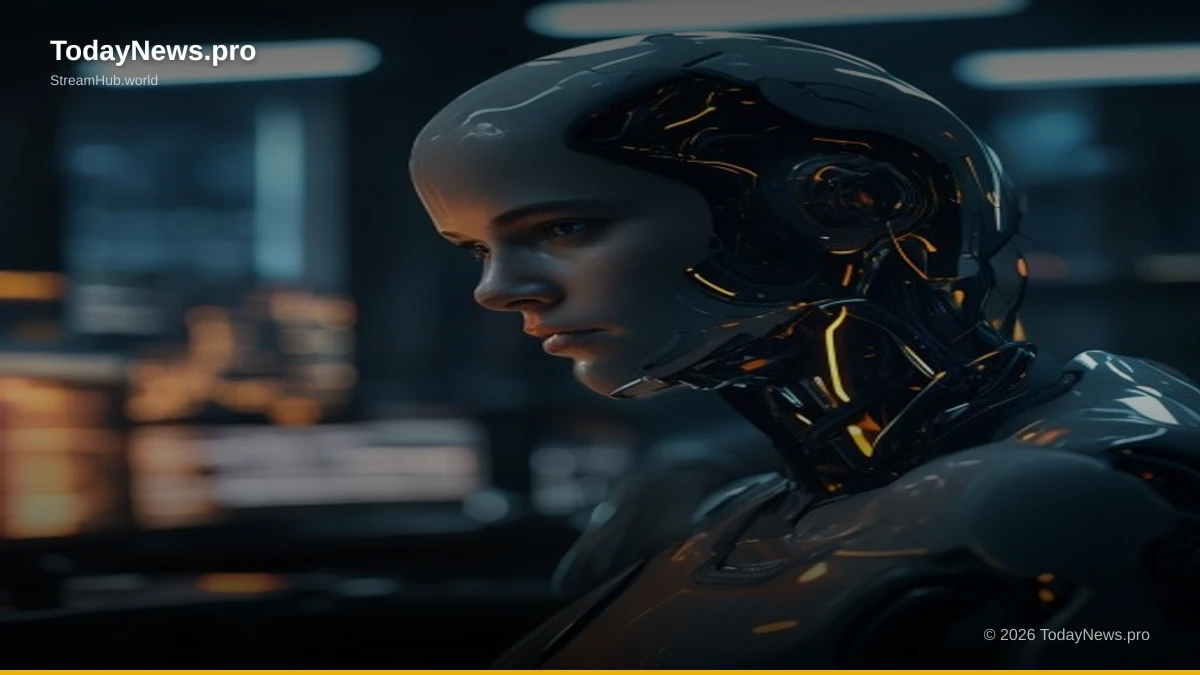
By 2030, an estimated 85% of jobs that will exist have not yet been invented, largely driven by advancements in artificial intelligence and automation, according to a report by the World Economic Forum.
The AI Tsunami: Understanding the Landscape
The period between 2026 and 2030 is not a distant future; it's the immediate horizon for career planning. Artificial intelligence, once a concept confined to science fiction, is now a tangible force reshaping industries at an unprecedented pace. Intelligent automation, encompassing machine learning, natural language processing, and sophisticated robotics, is moving beyond repetitive tasks to tackle complex problem-solving and even creative endeavors. This wave of technological advancement presents both profound challenges and significant opportunities for the global workforce. Understanding the scope and trajectory of AI is the first crucial step in navigating this evolving job market.
The speed of AI adoption is accelerating. Early adopters are already seeing significant productivity gains, while laggards risk being left behind. This isn't just about efficiency; it's about fundamentally re-evaluating what constitutes "work" and what skills are most valued. From customer service chatbots to AI-powered diagnostics in healthcare, the imprint of intelligent automation is becoming ubiquitous. The key takeaway for individuals is that complacency is no longer an option. Proactive adaptation and strategic skill development are paramount.
The economic implications are vast. Some studies suggest that a significant portion of current job roles could be partially or fully automated. However, historical technological shifts have also demonstrated that new jobs emerge to complement and manage these advancements. The critical question is not whether jobs will disappear, but which ones, how quickly, and what new roles will arise. This requires a nuanced understanding of AI's capabilities and limitations.
AIs Impact Across Sectors
The transformative power of AI is not confined to a single industry. Its influence is pervasive, from the factory floor to the corporate boardroom. Manufacturing is seeing increased automation in assembly lines and quality control. The finance sector is leveraging AI for fraud detection, algorithmic trading, and personalized financial advice. Healthcare is benefiting from AI-driven diagnostics, drug discovery, and robotic surgery. Even creative fields, such as graphic design and content generation, are experiencing the impact of AI tools.
The retail sector is employing AI for inventory management, personalized recommendations, and optimizing supply chains. Transportation is on the cusp of a revolution with autonomous vehicles. The legal profession is exploring AI for document review and legal research. The common thread across these diverse applications is the augmentation of human capabilities rather than outright replacement in many instances, at least for now. However, the nature of human involvement is changing.
This widespread integration means that nearly every professional will encounter AI in some capacity. The ability to work alongside AI, to leverage its strengths, and to oversee its operations will become a foundational skill. Ignoring this trend would be akin to refusing to use a computer in the late 20th century. The challenge lies in understanding how specific roles will be affected and what new competencies will be in demand.
Predicting the Pace of Change
Forecasting the exact timeline for AI's impact is a complex endeavor. While some technologies are mature and readily deployable, others are still in developmental stages or face significant regulatory hurdles. However, the general consensus among industry experts is that the pace of change will accelerate significantly in the coming years. Economic incentives, coupled with rapid advancements in computing power and data availability, are creating a fertile ground for AI innovation.
Factors such as the cost of implementation, societal acceptance, and ethical considerations also play a role in the speed of adoption. For instance, while autonomous driving technology is advanced, widespread adoption hinges on regulatory frameworks and public trust. Similarly, AI in critical sectors like healthcare requires rigorous testing and validation. Nevertheless, the underlying trajectory points towards a continuous and intensifying integration of AI into the workforce.
The "AI-proof" career, therefore, isn't about finding a job that AI can never touch, but rather a career that is resilient to disruption by embracing the evolution of work. It’s about understanding the shifting landscape and positioning oneself to thrive within it. This requires foresight, adaptability, and a commitment to continuous learning.
| Job Category | Likelihood of High Automation | Likelihood of Augmentation | Likelihood of New Role Creation |
|---|---|---|---|
| Data Entry & Administrative Support | High (70-85%) | Medium (15-25%) | Low (5-10%) |
| Customer Service Representatives | Medium (40-60%) | High (30-50%) | Medium (15-25%) |
| Manufacturing & Production Workers | High (65-80%) | Medium (20-30%) | Low (5-10%) |
| Software Developers & Engineers | Low (10-20%) | High (60-75%) | High (20-30%) |
| Healthcare Professionals (e.g., Doctors, Nurses) | Low (5-15%) | High (70-85%) | Medium (15-25%) |
| Creative Professionals (e.g., Artists, Writers) | Low (5-10%) | Medium (40-60%) | High (30-50%) |
| Management & Leadership Roles | Very Low (0-5%) | High (70-85%) | High (20-30%) |
Beyond Automation: Jobs AI Cant Replicate (Yet)
While AI excels at tasks involving pattern recognition, data analysis, and execution of predefined processes, there are fundamental human capabilities that remain, for now, largely beyond its grasp. These are the areas where human workers will find the most enduring value and job security in the coming years. Identifying these domains is crucial for individuals looking to future-proof their careers.
The core of what makes a career "AI-proof" lies in roles that require deep empathy, nuanced judgment, complex ethical reasoning, and genuine human connection. AI can simulate empathy, but it cannot truly feel it. It can follow ethical guidelines, but it cannot grapple with the inherent ambiguities and moral dilemmas that humans face daily. These are the frontiers that AI is unlikely to conquer in the near term.
Furthermore, roles that demand high levels of unstructured problem-solving, strategic foresight, and innovative thinking are also more resilient. While AI can assist in these areas by processing vast amounts of data, the conceptual leap, the intuitive spark, and the ability to synthesize disparate ideas into something novel still reside firmly with humans.
The Human Touch: Caregiving and Interpersonal Services
Professions centered on direct human care and interpersonal interaction are highly resistant to automation. This includes roles like nurses, therapists, social workers, early childhood educators, and elder care providers. These jobs require a profound level of emotional intelligence, empathy, and the ability to build trust and rapport. AI can assist with administrative tasks or even provide basic companionship, but it cannot replicate the genuine human connection and nuanced understanding of individual needs that are vital in these fields.
The qualitative aspect of care – the comfort a hand on a shoulder can provide, the intuitive understanding of unspoken distress, the ability to adapt care based on subtle emotional cues – is something AI struggles to emulate. These roles are inherently human-centric and rely on the unique qualities of human interaction. As societies age and the demand for compassionate care grows, these professions are likely to see increased demand and value.
The human element in these roles is not just about performing a task; it's about providing a holistic experience of support, understanding, and connection. This is something that current AI technology simply cannot replicate. The development of AI that can truly understand and respond to the full spectrum of human emotions and needs is a distant prospect.
Strategic Thinking and Complex Decision-Making
High-level strategic planning, executive leadership, and complex decision-making in uncertain environments are also areas where humans maintain a significant advantage. While AI can provide data-driven insights and predictive analytics, it lacks the intuition, the abstract reasoning, and the ability to weigh qualitative factors and unforeseen consequences that are essential for effective leadership. Leaders must navigate complex organizational politics, inspire teams, and make difficult choices with incomplete information – skills that are deeply rooted in human experience and cognitive abilities.
The ability to conceptualize future scenarios, to formulate long-term visions, and to adapt strategies based on evolving contexts is a hallmark of human intelligence. AI can optimize within defined parameters, but it struggles with radical innovation or making decisions in entirely novel situations. The human capacity for foresight, creativity, and navigating ambiguity remains a critical differentiator.
The judgment required in these roles often involves balancing competing interests, ethical considerations, and long-term societal impacts. AI can present probabilities, but the ultimate responsibility for making impactful decisions rests with human leaders. This makes leadership and strategic roles inherently "AI-proof" for the foreseeable future.
Creativity and Innovation
While AI can generate creative content, the originality, depth, and emotional resonance of human-created art, music, literature, and scientific discovery are still unparalleled. True innovation often arises from moments of serendipity, leaps of intuition, and a deep understanding of the human condition. AI-powered tools can assist artists, writers, and scientists by generating ideas, refining concepts, or automating tedious aspects of the creative process. However, the conceptualization, the driving force behind groundbreaking ideas, and the ability to imbue work with personal meaning and unique perspective remain uniquely human.
The development of novel artistic styles, the composition of deeply moving music, or the formulation of revolutionary scientific theories are driven by a complex interplay of experience, emotion, and abstract thought. AI can mimic existing styles and patterns, but it cannot yet originate truly novel artistic movements or scientific paradigms based on its own intrinsic understanding or experience. The spark of true creativity is deeply intertwined with consciousness and lived experience.
The role of the creative professional will likely evolve into one that leverages AI as a powerful tool, enhancing their capabilities rather than replacing them. The focus will shift towards conceptualization, curation, and the infusion of unique human perspective into AI-generated outputs. This collaborative approach will unlock new possibilities in creative fields.
Skills for the AI Era: Cultivating Your Competitive Edge
In an era defined by intelligent automation, simply possessing technical skills will not be enough. The job market of 2026-2030 will demand a blend of technical proficiency, critical thinking, and uniquely human attributes. Developing a diverse skill set that complements AI's capabilities is the most effective strategy for career resilience and advancement.
The future of work is not about humans versus machines, but about humans working with machines. This requires individuals to understand how to interact with, manage, and leverage AI systems effectively. It also means cultivating skills that AI cannot easily replicate, thereby creating a synergistic relationship that enhances productivity and innovation.
The key is to identify the skills that will be in high demand and to invest in acquiring them. This involves a proactive approach to learning and professional development, focusing on areas where human expertise will remain indispensable or will be significantly augmented by AI. A continuous learning mindset is no longer a desirable trait; it's a fundamental necessity.
Technical Literacy and AI Fluency
While not everyone needs to be an AI developer, a foundational understanding of how AI works, its capabilities, and its limitations will be crucial across many professions. This includes understanding data science principles, basic programming concepts, and the ethical implications of AI. AI fluency means being comfortable working with AI-powered tools, interpreting their outputs, and understanding how to integrate them into workflows.
This doesn't necessarily mean learning to code complex algorithms. It can involve understanding how to effectively use AI-powered analytical software, how to prompt generative AI models for desired results, or how to interpret the insights provided by AI-driven decision-making tools. This literacy will empower individuals to harness the power of AI rather than being overwhelmed by it.
For example, a marketing professional will need to understand how AI can optimize ad campaigns, analyze customer behavior, and personalize content. A doctor will need to understand how AI can assist in diagnostics and treatment planning. This technical literacy is becoming a prerequisite for many roles that were not previously considered "tech jobs."
Data Analysis and Interpretation
AI systems generate vast amounts of data, and the ability to analyze, interpret, and derive meaningful insights from this data will be highly prized. This skill extends beyond simply reading reports; it involves understanding the context of the data, identifying trends, and making informed decisions based on the information. Professionals who can translate raw data into actionable strategies will be invaluable.
This includes understanding statistical concepts, data visualization techniques, and the ability to ask the right questions of the data. It’s about being able to critically evaluate the information presented by AI systems and to ensure that decisions are not solely driven by algorithms but are informed by human judgment and domain expertise. The ability to spot anomalies or biases in AI-generated data is also critical.
Data literacy is becoming as fundamental as reading and writing. In a data-rich world, the ability to make sense of numbers and patterns will be a significant advantage. This skill is transferable across industries and roles, making it a highly valuable asset for career longevity.
Problem-Solving and Critical Thinking
As AI automates routine tasks, the focus of human work will increasingly shift towards solving complex, unstructured problems that require critical thinking. This involves analyzing situations from multiple perspectives, identifying root causes, and developing innovative solutions. It means being able to dissect problems, evaluate potential solutions, and adapt strategies as new information becomes available.
Critical thinking is the ability to objectively analyze and evaluate an issue in order to form a judgment. It’s about questioning assumptions, identifying logical fallacies, and distinguishing between credible and unreliable information. In the age of AI, where information is abundant, the ability to sift through it and identify what is truly important and accurate is paramount. This skill allows individuals to effectively guide and supervise AI systems.
These cognitive skills are not easily replicated by machines. They involve abstract reasoning, the ability to make connections between seemingly unrelated concepts, and the capacity for independent thought. Cultivating these abilities will ensure that individuals remain valuable contributors in a rapidly evolving work environment.
The Human Advantage: Emotional Intelligence and Creativity
While AI can process data and execute tasks with remarkable efficiency, it fundamentally lacks the subjective experience, consciousness, and emotional depth that define human interaction and creativity. The "human advantage" lies precisely in these areas, offering a unique and irreplaceable value in the future job market.
Emotional intelligence (EI) is the capacity to be aware of, control, and express one's emotions, and to handle interpersonal relationships judiciously and empathetically. This complex suite of skills is vital for leadership, teamwork, customer service, and any role involving human interaction. AI can be programmed to recognize facial expressions or vocal tones, but it cannot genuinely understand or respond to the nuances of human emotion.
Creativity, on the other hand, is the ability to generate new ideas, solutions, or artistic expressions. While AI can generate novel combinations of existing elements, it struggles with true originality, abstract conceptualization, and the emotional resonance that makes human art and innovation so powerful. These human attributes are not simply "soft skills"; they are core competencies that will drive value and differentiation.
The Power of Empathy and Interpersonal Skills
Empathy, the ability to understand and share the feelings of another, is a cornerstone of effective human interaction. In professions like healthcare, education, counseling, and sales, empathy allows professionals to build trust, provide tailored support, and resolve conflicts constructively. AI can offer personalized recommendations or automate customer support, but it cannot replace the comfort and understanding derived from genuine human empathy.
Interpersonal skills encompass a wide range of abilities, including effective communication, active listening, collaboration, negotiation, and conflict resolution. These skills are crucial for building strong teams, fostering positive working environments, and navigating complex social dynamics within organizations. While AI can facilitate communication through translation or scheduling, it cannot replicate the subtle cues and intuitive understanding that underpin successful human relationships.
The future workforce will increasingly value individuals who can connect with others on a deeper level, understand their needs, and foster a sense of belonging. These are the individuals who can inspire, motivate, and lead teams through challenging times, qualities that are inherently human and difficult for AI to emulate.
Unlocking Innate Creativity
Creativity is not limited to artistic pursuits; it's a fundamental aspect of problem-solving and innovation across all fields. The ability to think outside the box, to generate novel ideas, and to approach challenges with fresh perspectives is a key differentiator. AI can assist in the creative process by providing data, generating variations, or automating repetitive tasks, but the spark of true originality and the conceptual leap often originate from human insight.
For instance, a scientist might use AI to analyze vast datasets to identify potential research avenues, but the hypothesis formulation, the design of experiments, and the interpretation of unexpected results often require human intuition and creative problem-solving. Similarly, a business strategist might use AI to forecast market trends, but developing a truly innovative business model requires creative thinking and an understanding of human desires and behaviors.
Fostering creativity involves cultivating curiosity, embracing experimentation, and being open to diverse perspectives. These are qualities that can be nurtured and developed, making them accessible to anyone willing to invest the effort. The ability to innovate and create will be a defining characteristic of successful professionals in the AI era.
The integration of AI into the workplace is not a threat to human ingenuity but an opportunity to elevate it. By focusing on developing and honing our uniquely human strengths, we can position ourselves for success in a future where human-AI collaboration is the norm.
Lifelong Learning: The New Imperative
The rapid evolution of technology, particularly in the field of AI, means that skills acquired today may become obsolete tomorrow. The concept of a "finished education" is rapidly becoming a relic of the past. In its place, lifelong learning has emerged as the indispensable strategy for remaining relevant and competitive in the job market of 2026-2030 and beyond.
This isn't just about acquiring new technical skills; it's about cultivating a mindset of continuous growth, adaptability, and intellectual curiosity. The ability to learn, unlearn, and relearn will be the most critical meta-skill for navigating career transitions and seizing new opportunities. The pace of change necessitates a commitment to ongoing professional development.
The traditional career path, characterized by a single profession pursued for decades, is increasingly rare. Instead, individuals will likely experience multiple career shifts, requiring them to acquire new knowledge and skills throughout their working lives. Embracing this reality is the first step towards building a resilient and fulfilling career.
Embracing Continuous Upskilling and Reskilling
Upskilling involves enhancing existing skills to remain proficient in one's current role or to take on more advanced responsibilities. Reskilling, on the other hand, involves acquiring entirely new skills to transition into a different occupation or industry. Both are vital components of lifelong learning in the AI era.
Fortunately, the digital age has made learning more accessible than ever before. Online courses from platforms like Coursera, edX, and Udacity offer a vast array of subjects, from AI and data science to creative writing and leadership. Professional certifications, workshops, and even informal learning through industry publications and online communities all contribute to a robust learning ecosystem.
The key is to be proactive. Instead of waiting for skills to become outdated, individuals should actively seek out learning opportunities that align with their career goals and the evolving demands of their industry. This requires self-awareness, a willingness to step outside of one's comfort zone, and a commitment to investing time and resources in personal development.
Cultivating a Growth Mindset
A growth mindset, as defined by psychologist Carol Dweck, is the belief that one's abilities and intelligence can be developed through dedication and hard work. This stands in contrast to a fixed mindset, which assumes that these qualities are innate and unchangeable. For lifelong learners, a growth mindset is essential.
Individuals with a growth mindset view challenges not as insurmountable obstacles but as opportunities for learning and improvement. They embrace feedback, persist in the face of setbacks, and find inspiration in the success of others. This perspective allows them to approach new learning experiences with enthusiasm and resilience, essential qualities for navigating a rapidly changing professional landscape.
Cultivating a growth mindset involves reframing failures as learning experiences, celebrating effort and progress, and actively seeking out challenges that push personal boundaries. It's about understanding that intelligence and skills are not static but are dynamic and can be cultivated through deliberate practice and a commitment to learning.
Leveraging AI for Personal Development
Ironically, AI itself can be a powerful tool for personal development and lifelong learning. AI-powered platforms can offer personalized learning paths, recommend relevant courses and resources based on individual interests and career goals, and provide adaptive feedback to help learners identify areas for improvement.
For example, AI can analyze an individual's existing skill set and identify gaps based on emerging job market trends. It can then suggest specific courses or modules to bridge those gaps, creating a tailored learning journey. Furthermore, AI-powered tutors or chatbots can provide instant support and answer questions, making the learning process more efficient and engaging.
The ability to effectively utilize AI for personal growth will itself become a valuable skill. By understanding how to leverage these tools, individuals can accelerate their learning and stay ahead of the curve in a rapidly evolving world. This symbiotic relationship between human learners and AI-driven educational platforms represents a powerful paradigm for continuous skill development.
Navigating the Transition: Strategies for Career Resilience
The shift towards an AI-integrated workforce is not a single event but an ongoing transition. While some sectors and roles will be more immediately affected, others will experience a more gradual evolution. Understanding this transition and adopting proactive strategies can significantly enhance career resilience and ensure a smoother path forward.
The key to navigating this period of change lies in adaptability, foresight, and a willingness to embrace new ways of working. It's about building a career that is robust enough to withstand disruption and flexible enough to capitalize on emerging opportunities. This involves a combination of individual effort and a supportive ecosystem.
The goal is not to predict the future with absolute certainty, which is impossible, but to build a foundation of skills and a mindset that will allow for success regardless of unforeseen technological advancements or market shifts. This proactive approach is the hallmark of a resilient career.
Diversifying Skill Sets and Experiences
A narrow specialization, while valuable in stable environments, can become a liability in a rapidly changing one. Professionals who possess a diverse range of skills and experiences are better equipped to adapt to new roles or industries. This might involve acquiring complementary technical skills, developing strong soft skills, or gaining experience in related fields.
For example, a graphic designer who also develops proficiency in UI/UX design and basic coding might find themselves more adaptable to roles in digital product development. Similarly, a finance analyst who learns about data visualization and AI-driven forecasting can enhance their value proposition. The aim is to create a versatile professional profile that can be leveraged across different contexts.
Cross-functional experience and exposure to different departments or projects within an organization can also be invaluable. This broadens one's understanding of how different parts of a business function and can reveal unexpected opportunities for contribution. Diversification is a form of risk mitigation in the modern job market.
Building a Strong Professional Network
In times of uncertainty, a strong professional network can be an invaluable resource. Connecting with peers, mentors, and industry leaders can provide insights into emerging trends, job opportunities, and best practices. Networking is not just about finding a new job; it's about staying informed and gaining different perspectives.
Attending industry conferences, participating in professional organizations, and actively engaging on professional social media platforms like LinkedIn are effective ways to build and maintain a network. Informational interviews with individuals in roles or industries of interest can provide crucial guidance and potential pathways. A well-connected professional is often better positioned to identify and seize opportunities.
Your network can also serve as a sounding board for new ideas, a source of constructive feedback, and a support system during career transitions. Cultivating genuine relationships based on mutual respect and shared interests will yield long-term benefits.
Developing a Personal Brand and Online Presence
In the digital age, a strong personal brand and a well-maintained online presence are essential for career visibility and credibility. This involves showcasing your skills, expertise, and accomplishments in a way that resonates with potential employers or collaborators. Your online presence acts as a digital résumé, constantly working to present your professional identity.
This might include maintaining an updated LinkedIn profile with detailed descriptions of your experience and skills, contributing to industry discussions online, or even creating a personal website or blog to share your insights and portfolio. Demonstrating your knowledge and passion through content creation can position you as an authority in your field.
A carefully curated online presence can open doors to opportunities you might not have otherwise encountered. It allows recruiters and hiring managers to discover your capabilities and can provide them with a deeper understanding of your professional persona. Authenticity and consistency are key to building a credible personal brand.
Industry Spotlights: Sectors Primed for AI Integration and Human Collaboration
The impact of AI will vary significantly across industries. Some sectors are already deeply integrated with automation, while others are poised for rapid transformation. Understanding these dynamics can help individuals target their career development efforts strategically. The key trend is not outright replacement but the creation of new collaborative models between humans and AI.
The future of work will be defined by how effectively humans and AI can work together. This partnership promises to unlock new levels of productivity, innovation, and service delivery. Identifying industries that are leading this integration, and the roles within them, is crucial for career planning.
The following spotlights highlight sectors where AI integration is accelerating and where human skills will remain critically important, often in augmented or redefined roles.
Healthcare: The AI-Augmented Healer
The healthcare sector is a prime example of an industry where AI is being integrated to augment human capabilities rather than replace them. AI is being used for more accurate diagnostics through image analysis, personalized treatment plans based on genetic data, drug discovery, and even robotic surgery assistance. However, the human touch of doctors, nurses, and therapists remains indispensable.
Roles such as medical professionals who can interpret AI diagnostics, researchers developing AI-driven treatments, and patient advocates who ensure ethical AI implementation will be in high demand. The emphasis will be on leveraging AI to enhance patient care, improve outcomes, and make healthcare more accessible and efficient, all while maintaining the compassionate, human-centered approach that is fundamental to healing.
The ability of healthcare professionals to understand and ethically apply AI tools will be critical. This includes understanding the limitations of AI and ensuring that patient well-being remains the paramount concern. The future of healthcare is one of profound human-AI synergy.
Finance: The Intelligent Advisor
The financial services industry is rapidly adopting AI for tasks ranging from algorithmic trading and fraud detection to personalized financial advice and risk assessment. AI can process vast amounts of market data, identify patterns, and execute trades with speed and precision. However, complex financial planning, ethical investment strategies, and client relationship management still require human expertise.
New roles will emerge for financial analysts who can interpret AI-generated market insights, compliance officers who ensure AI systems adhere to regulations, and financial advisors who use AI tools to provide more sophisticated and personalized guidance to clients. The human element will be crucial in building trust, understanding individual client needs, and navigating the complexities of financial markets with foresight and ethical consideration.
The ability to blend data-driven insights from AI with human judgment and client-centric approaches will define success in this sector. Financial professionals will need to be adept at using AI to enhance their advisory capabilities, not replace them.
Education: The Personalized Tutor and Facilitator
The education sector is experiencing a significant shift with the advent of AI. AI-powered platforms can offer personalized learning experiences, adaptive assessments, and automated grading, freeing up educators to focus on more impactful aspects of teaching. The role of the educator is evolving from a dispenser of information to a facilitator, mentor, and guide.
Demand will grow for educators who can design engaging AI-enhanced curricula, develop critical thinking skills in students, and foster creativity and collaboration. AI can help identify students who are struggling or excelling, allowing educators to provide targeted support. The human teacher’s ability to inspire, motivate, and nurture the holistic development of students remains irreplaceable.
The future of education involves a dynamic partnership between AI and human educators, creating learning environments that are more personalized, effective, and engaging for students of all ages. This collaborative approach promises to revolutionize how knowledge is imparted and skills are developed.
Creative Industries: The AI-Augmented Visionary
The creative fields, encompassing art, design, music, writing, and entertainment, are also being transformed by AI. Generative AI tools can assist in creating images, writing text, composing music, and even developing game assets. However, the conceptualization, the emotional depth, and the unique artistic vision that define compelling creative work still originate from humans.
New roles will emerge for creative professionals who can effectively leverage AI tools to enhance their work, curate AI-generated content, and imbue their creations with original human perspective and artistic intent. The focus will shift towards the conceptualization, storytelling, and the integration of AI as a powerful medium rather than a replacement for human creativity.
The ability to guide AI tools, to understand their potential and limitations, and to infuse the final product with human emotion and originality will be paramount. The creative industries will likely see a rise in roles that blend technical AI proficiency with artistic talent and a deep understanding of human aesthetics and narrative.