

 Sarah Jenkins
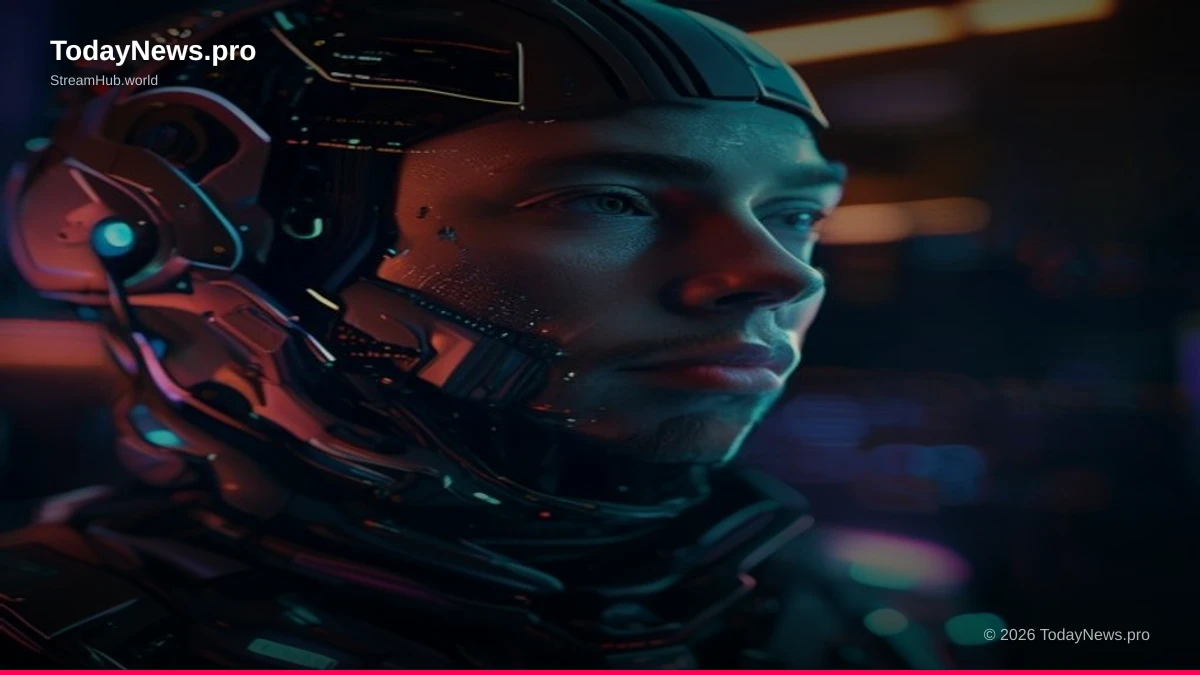
By 2030, it's projected that artificial intelligence could add $15.7 trillion to the global economy, with a significant portion of this growth driven by productivity gains and the creation of new job categories and business models. This seismic shift is fundamentally altering the landscape of work, moving beyond the transient nature of the gig economy towards a future where AI-powered personalization is not just a perk, but a core component of how individuals and organizations operate.
AI-Powered Personalization: A New Frontier in Work
The allure of the gig economy, with its promise of flexibility and autonomy, has undeniably reshaped how many professionals engage with their careers. However, the often precarious nature of contract work, the lack of consistent benefits, and the inherent isolation have also revealed its limitations. As we stand at the precipice of a new technological era, artificial intelligence is emerging as the catalyst for a more sustainable, efficient, and deeply personalized future of work, one that promises to address many of the shortcomings of previous models.
AI-powered personalization is not merely about tailoring marketing messages or recommending content. In the context of work, it signifies a profound reimagining of individual roles, team collaboration, and organizational structures. It involves leveraging AI to understand an individual's unique skills, preferences, learning styles, and even their emotional state, to create a work experience that is optimized for their growth, well-being, and productivity. This goes far beyond simple task automation; it delves into augmenting human capabilities and fostering an environment where every individual can perform at their peak.
This transformation is driven by advancements in machine learning, natural language processing, and predictive analytics. These technologies are enabling AI systems to process vast amounts of data about work patterns, project requirements, and individual performance. The insights gleaned from this data are then used to dynamically adjust workflows, provide targeted support, and create bespoke learning pathways. The result is a work environment that feels less like a rigid structure and more like a responsive ecosystem, constantly adapting to the needs of its human participants.
The Evolution from Gig to Optimized Contribution
The gig economy, while offering a taste of freedom, often leaves workers feeling like interchangeable parts in a larger machine. The focus is on task completion, with little emphasis on individual development or long-term career progression. AI-powered personalization offers a stark contrast. Instead of simply assigning tasks, AI can identify opportunities for individuals to leverage their unique strengths, develop new skills in areas of interest, and contribute to projects in ways that are both personally fulfilling and organizationally valuable.
Imagine an AI assistant that not only schedules your meetings but also analyzes your past project successes and identifies your most productive hours. It could then proactively suggest tasks that align with your strengths during those peak times, or recommend specific training modules to bridge any emerging skill gaps identified in upcoming projects. This level of granular, personalized support is what distinguishes the AI-driven future from the more generalized approach of the gig economy.
This shift promises to create a more engaged and motivated workforce. When individuals feel understood, supported, and empowered to grow, their commitment and output naturally increase. The focus shifts from simply "doing work" to "doing meaningful work that aligns with one's potential."
The Limitations of the Gig Economy and the Need for Evolution
The rise of the gig economy, propelled by platforms like Uber, Fiverr, and Upwork, offered a compelling alternative to traditional employment. It promised flexibility, the ability to be one's own boss, and diverse income streams. However, beneath the surface of this apparent freedom lie significant challenges that are now prompting a reevaluation and a search for more robust solutions.
A key issue is the lack of a safety net. Gig workers often struggle with inconsistent income, the absence of benefits like health insurance, paid time off, and retirement plans, and the constant need to hustle for the next project. This precarity can lead to significant stress and financial instability, undermining the very flexibility it purports to offer. Furthermore, the emphasis on short-term tasks can hinder long-term career development and the cultivation of deep expertise.
The isolation experienced by many gig workers is another significant drawback. Working independently, often remotely, can lead to a lack of camaraderie, mentorship, and the collaborative problem-solving that is inherent in traditional team environments. This can impact mental well-being and limit opportunities for professional growth through peer learning and shared experiences. The gig economy, in many ways, amplified existing inequalities, creating a bifurcated workforce with those in stable, well-compensated roles and those in more precarious, lower-paid positions.
Consider the following statistics:
| Metric | Gig Economy Workers (Estimate) | Traditional Employees (Estimate) |
|---|---|---|
| Health Insurance Coverage | 35% | 85% |
| Retirement Savings Plan Access | 20% | 70% |
| Consistent Monthly Income | 40% | 95% |
| Perceived Job Security | 25% | 80% |
This data highlights the inherent vulnerabilities of the gig model. The desire for flexibility and autonomy remains, but the structure needs to evolve to provide greater security and opportunity. This is where AI-powered personalization enters the picture, offering a path to a more integrated and supportive work experience that retains the best aspects of flexibility while mitigating the risks.
The Erosion of Benefits and Stability
One of the most significant critiques of the gig economy is the systemic absence of benefits. Unlike traditional employment, where health insurance, paid sick leave, and retirement contributions are often standard, gig workers are typically responsible for securing these themselves, if they can afford them at all. This creates a two-tiered system where a segment of the workforce operates without a crucial safety net. The psychological toll of this instability is immense, impacting not only financial well-being but also overall mental health.
The Challenge of Career Progression and Skill Development
The gig model often incentivizes a focus on short-term, project-based work. While this can lead to a broad range of experiences, it can also make it difficult to develop deep, specialized skills or to follow a clear career trajectory. Without structured training programs or opportunities for mentorship within a consistent organizational context, career progression can become fragmented and haphazard, limiting an individual's long-term earning potential and professional growth. The ability to learn and adapt is paramount in today's rapidly changing economy, and the gig structure, by itself, often falls short in facilitating this crucial development.
How AI is Reshaping Individual Workflows
At the individual level, AI-powered personalization is revolutionizing how work gets done. Instead of a one-size-fits-all approach, AI systems can now analyze an individual's working style, cognitive load, and task preferences to optimize their daily routines and project assignments. This leads to increased efficiency, reduced stress, and a more enjoyable work experience.
Consider the role of AI-powered personal assistants, which are rapidly evolving beyond simple scheduling and email management. These assistants can now act as intelligent copilots, anticipating needs, offering relevant information proactively, and even suggesting optimal times for focused work or breaks based on an individual's energy levels and task complexity. They can learn which types of communication are most effective for a particular individual, and filter or summarize incoming messages accordingly.
Furthermore, AI can facilitate personalized learning and development pathways. By assessing an individual's current skill set and identifying areas for growth based on their career aspirations or upcoming project requirements, AI can curate tailored training modules, recommend relevant courses, or even suggest micro-learning opportunities. This ensures that professional development is not a generic afterthought but a targeted, relevant, and continuous process.
Intelligent Task Management and Prioritization
AI algorithms can analyze the complexity, urgency, and estimated time required for each task, factoring in an individual's typical working pace and potential for distractions. This allows for intelligent prioritization, ensuring that the most critical tasks are addressed at the optimal time, and that workloads are balanced to prevent burnout. AI can also learn an individual's preferred work blocks for deep focus versus collaborative activities, automatically scheduling tasks accordingly.
For example, an AI system might notice that an employee consistently performs better on analytical tasks in the morning. It could then automatically schedule complex data analysis projects for that period, while reserving afternoons for more collaborative meetings or creative brainstorming sessions. This proactive approach to workflow optimization significantly enhances productivity and reduces the cognitive burden of constant self-management.
Personalized Learning and Skill Augmentation
The concept of continuous learning is no longer a buzzword; it's a necessity. AI-powered personalization is making this more accessible and effective than ever before. By analyzing an individual's current skill set, career goals, and even the emerging trends within their industry, AI can generate bespoke learning plans. This might involve recommending specific online courses, interactive simulations, relevant articles, or even pairing the individual with a mentor whose expertise aligns with their development needs.
This intelligent approach to skill development ensures that individuals are not only keeping pace with industry changes but are actively ahead of the curve. It transforms professional development from a static, often theoretical pursuit into a dynamic, practical, and highly relevant journey. The ability for AI to identify nascent skill requirements before they become critical needs is a game-changer for individual career resilience.
Proactive Well-being Support
AI is also beginning to play a role in supporting employee well-being. By analyzing patterns in work hours, communication frequency, and even sentiment in written communications (with appropriate privacy safeguards), AI systems can identify early signs of potential burnout or stress. They can then proactively suggest breaks, recommend mindfulness exercises, or encourage seeking support from HR or management. This shift from reactive to proactive well-being management is crucial for fostering a healthy and sustainable work environment.
This isn't about surveillance; it's about intelligent, ethical support. For instance, an AI might notice a prolonged period of extended work hours without breaks and subtly suggest a short walk or a digital detox. Or, if it detects a pattern of stressed language in communication, it might prompt the user to consider a brief meditation session or to reach out to a colleague for a quick chat.
AI as a Collaborative Partner: Enhancing Team Dynamics
The impact of AI extends beyond individual productivity to fundamentally alter how teams collaborate. AI can act as an intelligent facilitator, improving communication, streamlining project management, and fostering a more inclusive and efficient team environment. This is particularly relevant in hybrid and remote work settings, where maintaining cohesion and effective collaboration can be challenging.
AI-powered tools can analyze team communication patterns, identify potential bottlenecks, and suggest more efficient ways to share information or make decisions. For instance, an AI might notice that certain team members are consistently excluded from key discussions or that important decisions are being delayed due to a lack of clear communication channels. It can then propose interventions, such as setting up dedicated communication threads or suggesting asynchronous updates to ensure everyone is informed and has an opportunity to contribute.
Moreover, AI can facilitate knowledge sharing within teams. By indexing and categorizing project documents, discussions, and team expertise, AI can help team members quickly find the information or the person they need, reducing redundant efforts and accelerating problem-solving. This creates a more cohesive and knowledgeable team, where collective intelligence is leveraged more effectively.
Intelligent Project Management and Resource Allocation
AI can analyze project timelines, identify potential risks or dependencies, and suggest adjustments to resource allocation to keep projects on track. It can also predict the skills required for future project phases, allowing teams to proactively upskill or bring in external expertise. This predictive capability moves project management from a reactive process to a strategic, forward-looking one.
Imagine an AI that monitors the progress of a complex software development project. It identifies that a critical feature is falling behind schedule due to a bottleneck in a specific module. The AI could then alert the project manager, suggest reallocating a developer from a less critical task, and even recommend specific troubleshooting resources based on the nature of the bug. This level of proactive intervention can save significant time and resources.
Bridging Communication Gaps in Hybrid and Remote Teams
In distributed work environments, maintaining seamless communication is a constant challenge. AI can help bridge these gaps by intelligently summarizing meeting notes, identifying action items, and ensuring that all team members, regardless of their location or time zone, are kept up-to-date. AI-powered translation tools can also break down language barriers, fostering a truly global and inclusive team environment.
An AI assistant could, for example, attend a virtual meeting, generate a concise summary of key decisions and action items, and then distribute this summary to all participants, highlighting those who were absent. It could also flag any discussions that require follow-up from specific individuals. This ensures that information flows efficiently and that no one is left out of the loop, a common pitfall in remote work setups.
Fostering a Culture of Inclusivity and Psychological Safety
AI can play a subtle but crucial role in fostering a more inclusive team environment. By analyzing communication patterns, AI can identify instances where certain voices might be consistently overlooked or where communication styles may inadvertently create barriers. It can then offer suggestions to encourage more equitable participation, such as prompting individuals to ask follow-up questions or suggesting alternative ways to phrase feedback.
The goal here is not to police communication but to gently guide teams towards more effective and inclusive practices. For example, if an AI detects that a particular meeting is dominated by a few voices, it might subtly prompt other team members to share their thoughts, or suggest using a collaborative whiteboard tool to ensure everyone can contribute simultaneously. This can significantly enhance psychological safety, making team members feel more comfortable expressing their ideas and concerns.
Ethical Considerations and the Human Element
As AI becomes more integrated into the fabric of work, it is imperative to address the ethical considerations and ensure that the human element remains at the forefront. While AI offers immense potential for personalization and efficiency, its implementation must be guided by principles of fairness, transparency, and respect for individual privacy.
One of the most significant concerns is data privacy. AI systems rely on vast amounts of personal data to provide personalized experiences. It is crucial to establish robust data governance frameworks that ensure this data is collected, stored, and used ethically and securely. Employees must be informed about what data is being collected, how it is being used, and have control over their information. Transparency in AI algorithms and decision-making processes is also paramount to building trust.
Furthermore, there is a risk of AI exacerbating existing biases. If AI systems are trained on biased data, they can perpetuate and even amplify those biases in hiring, performance evaluations, and task assignments. Rigorous testing and continuous monitoring are essential to identify and mitigate these biases, ensuring that AI-driven personalization promotes fairness rather than discrimination.
The role of human oversight cannot be overstated. While AI can automate many tasks and provide valuable insights, critical decisions that impact individuals' careers and well-being should always involve human judgment. AI should be viewed as a tool to augment human capabilities, not replace human decision-making entirely. Maintaining a balance between AI-driven efficiency and human empathy is key to a successful and ethical transition.
Data Privacy and Security Safeguards
The collection and analysis of employee data by AI systems raise critical privacy concerns. Organizations must implement stringent data anonymization and encryption protocols. Clear policies detailing data usage, retention periods, and access controls are non-negotiable. Employees should have the right to access, review, and request the deletion of their personal data, fostering transparency and control over their digital footprint within the workplace. Adherence to regulations like GDPR and CCPA is fundamental, but organizations must also cultivate a culture of data stewardship that goes beyond mere compliance.
Addressing Algorithmic Bias and Ensuring Fairness
Bias in AI algorithms can have profound negative consequences, from discriminatory hiring practices to unfair performance reviews. To combat this, organizations must proactively identify and address potential biases in their AI systems. This involves diverse training data, regular audits of AI outputs, and the establishment of feedback loops to correct any discriminatory patterns. Human review of AI-generated recommendations, especially for critical decisions, is crucial to ensure fairness and equity. The ongoing development of explainable AI (XAI) techniques will also be vital in demystifying AI decision-making processes.
The Indispensable Role of Human Oversight
While AI can offer powerful insights and automate complex processes, it should not be seen as a replacement for human judgment and empathy. Critical decisions concerning employee performance, career progression, and well-being require the nuanced understanding and ethical considerations that only humans can provide. AI should serve as an assistant, a data provider, and an efficiency enhancer, but the ultimate responsibility for human-centric decision-making must remain with individuals and leadership. The blend of AI's analytical power with human intuition and compassion is what will define the future of effective management and employee development.
The Future of Skills and Continuous Learning
The advent of AI-powered personalization is not just changing how we work; it is fundamentally reshaping the skills that are most valued in the workforce. As AI takes over more routine and predictable tasks, the demand for uniquely human skills—creativity, critical thinking, emotional intelligence, and complex problem-solving—will surge. Simultaneously, a new set of skills related to working *with* AI will become essential.
This necessitates a paradigm shift in education and professional development. Continuous learning will transition from a desirable trait to an absolute necessity. Individuals will need to be adaptable, willing to unlearn outdated skills and embrace new ones throughout their careers. AI can be a powerful ally in this endeavor, offering personalized learning pathways that cater to individual needs and career aspirations.
Organizations that foster a culture of continuous learning, supported by AI-driven development tools, will be best positioned to thrive. This involves not only providing access to training but also creating an environment where experimentation, curiosity, and intellectual growth are encouraged and rewarded. The future of work is a lifelong learning journey, and AI will be the guide.
The Ascendancy of Human-Centric Skills
As AI automates analytical and repetitive tasks, the value of inherently human capabilities will skyrocket. Skills like creativity, innovation, strategic thinking, emotional intelligence, empathy, and effective communication will become the bedrock of professional success. These are areas where AI currently struggles to replicate genuine human nuance and understanding. The ability to collaborate, lead, and inspire will be paramount. For instance, a marketing professional might use AI to generate campaign ideas, but it will be their creativity that refines those ideas into compelling narratives that resonate with audiences.
Developing AI Literacy and Collaboration Skills
Beyond human-centric skills, a new form of literacy is emerging: AI literacy. This involves understanding how AI systems work, their capabilities and limitations, and how to effectively collaborate with them. Professionals will need to learn how to prompt AI effectively, interpret its outputs, and integrate AI-generated insights into their own work. This isn't about becoming an AI engineer, but about becoming a proficient user and collaborator with AI tools. This mastery will distinguish those who are merely users of technology from those who leverage it strategically.
Personalized Learning Journeys Powered by AI
The traditional model of standardized training is becoming obsolete. AI can analyze an individual's current skill set, learning style, and career objectives to create bespoke learning pathways. This could involve recommending micro-learning modules, interactive simulations, or even connecting individuals with mentors. For example, a software developer identified by AI as needing to enhance their cloud computing skills might be directed to a series of interactive tutorials tailored to their existing knowledge base, rather than a generic online course.
Navigating the Transition: Strategies for Individuals and Organizations
The transition to an AI-powered personalized future of work is not without its challenges. However, with proactive strategies, both individuals and organizations can navigate this evolution successfully, harnessing its benefits while mitigating potential risks. The key lies in embracing adaptability, fostering a culture of continuous learning, and prioritizing ethical implementation.
For individuals, this means taking ownership of their career development. Actively seeking out opportunities to learn new skills, particularly those that complement AI capabilities or focus on uniquely human strengths, is crucial. Networking, staying informed about industry trends, and experimenting with new AI tools will be vital for staying relevant and competitive. Embracing a growth mindset, where challenges are seen as opportunities for learning, will be a significant advantage.
Organizations, on the other hand, must lead the charge in creating an environment conducive to this new way of working. This involves investing in AI technologies, but more importantly, investing in their people. Implementing robust training programs, fostering a culture that encourages experimentation and learning, and establishing clear ethical guidelines for AI usage are paramount. Leaders must champion transparency and open communication about the role of AI, addressing employee concerns and ensuring that the human element remains central to organizational strategy.
Individual Strategies for Career Resilience
Individuals must adopt a proactive approach to their career development. This involves identifying skills that are likely to be in demand in an AI-augmented future, such as critical thinking, creativity, emotional intelligence, and AI literacy. Regularly assessing personal skill gaps and seeking out relevant training, whether through formal education, online courses, or on-the-job learning, is essential. Building a strong professional network and staying abreast of technological advancements will also provide valuable insights and opportunities. The ability to adapt and pivot is no longer a soft skill; it's a core competency for career longevity.
Organizational Imperatives for AI Integration
For organizations, successful AI integration requires a strategic vision that goes beyond mere technology adoption. It necessitates a commitment to upskilling and reskilling the workforce, ensuring that employees are equipped to work alongside AI. This includes investing in personalized learning platforms, fostering a culture of experimentation, and promoting cross-functional collaboration. Establishing clear ethical frameworks and governance policies for AI usage is crucial to build trust and ensure responsible deployment. Leaders must champion this transition, communicating its benefits and addressing potential anxieties openly.
Building a Human-AI Collaborative Ecosystem
The ultimate goal is to create a symbiotic relationship between humans and AI. This involves designing work processes where AI handles repetitive tasks and provides data-driven insights, freeing up humans to focus on higher-level cognitive functions, creativity, and interpersonal interactions. This requires a fundamental rethinking of job roles and team structures to optimize for this collaborative ecosystem. The focus shifts from task execution to leveraging the combined strengths of human intelligence and artificial intelligence to achieve greater outcomes. For example, a customer service team might use AI to handle initial inquiries and provide relevant customer history, allowing human agents to focus on complex problem-solving and building rapport.
The future of work is not about humans versus machines, but about humans and machines working together, enhanced and personalized by AI. This evolution promises a more productive, fulfilling, and resilient professional landscape, moving beyond the transient nature of the gig economy into an era of optimized human potential.