

 Diana Prince
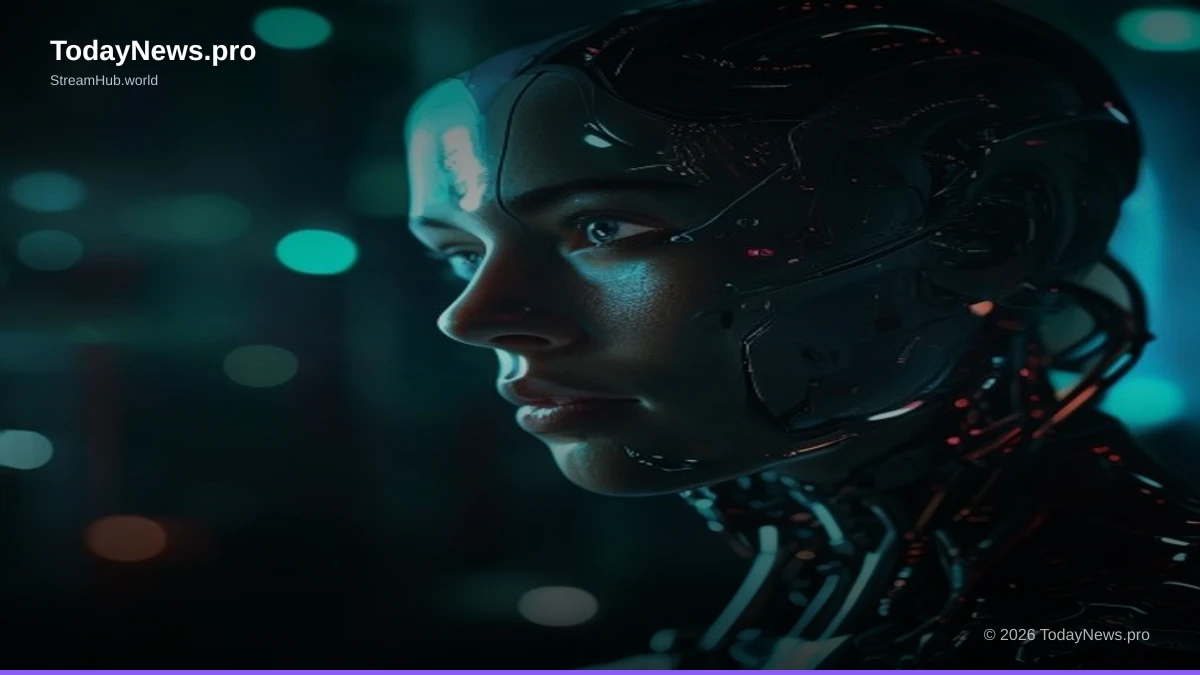
The global market for AI in media and entertainment is projected to reach $119.1 billion by 2030, a staggering testament to its rapid integration, yet this growth is shadowed by profound ethical questions that filmmakers and audiences must confront.
The Uncanny Valley of AI-Generated Performance
The pursuit of digital actors, once confined to science fiction, is now a tangible reality. Advanced AI algorithms can now generate hyper-realistic human performances, from facial expressions to subtle body language. This capability, while awe-inspiring, pushes us deeper into the philosophical territory of the uncanny valley, where digital replicas are so close to human that their minor imperfections become deeply unsettling. Studios are exploring AI to create digital doubles of actors, or even entirely synthetic performers, raising questions about authenticity and the very definition of a "performance."
Digital Doppelgangers and the Actors Likeness
The ability to clone an actor's likeness and voice, allowing them to "perform" in roles they never physically inhabited, presents a complex ethical quandary. While it offers new creative avenues, it also raises concerns about consent, posthumous exploitation, and the devaluation of an actor's craft. Imagine an actor's digital avatar being used in perpetuity, without their direct involvement or consent for future projects. This necessitates a robust framework for managing digital likeness rights.
Ethical Considerations in Synthetic Performances
When an AI-generated character exhibits emotions or performs complex actions, who is the author? Is it the programmer, the data set, or the AI itself? The ethical implications of creating and deploying synthetic performers that can convincingly portray human emotions are vast. We are not just talking about visual fidelity; we are talking about the potential to simulate empathy, grief, or joy in ways that could blur the lines between genuine human expression and algorithmic mimicry. This challenge extends to the potential for AI to create characters that engage with audiences on an emotional level, forcing us to re-evaluate our connection to fictional beings.
De-aging and Resurrection: Bringing the Past to Life, and the Dead Back
AI-powered de-aging technology has revolutionized how we revisit iconic characters and actors. Films like "The Irishman" showcased the power of AI to convincingly shave decades off an actor's appearance. However, this technology also opens the door to "resurrecting" deceased actors. The ethical implications of digitally recreating performances by actors who are no longer alive are immense. While it allows for the completion of unfinished projects or the casting of beloved figures in new roles, it treads on sensitive ground regarding family consent, the actor's legacy, and the potential for exploitation.
The Digital Resurrection Debate
The ability to bring back deceased actors for new roles sparks fervent debate. On one hand, it offers a chance to see legendary performers in scenarios previously unimaginable. On the other, it raises profound questions about respecting the deceased, their artistic intent, and the potential for their image to be used in ways they would not have approved. Hollywood has already seen instances of this, and as the technology becomes more sophisticated, the ethical considerations will only intensify. The question remains: where do we draw the line between honoring a legacy and exploiting a digital ghost?
Preserving Legacy vs. Creative Exploitation
The ethical tightrope walk involves balancing the desire to leverage a deceased actor's iconic presence for commercial gain against the imperative to respect their memory and artistic integrity. This requires careful consideration of familial rights, the nature of the proposed work, and whether it aligns with the actor's previous body of work and public persona. Establishing clear guidelines and consent protocols is paramount to avoid accusations of profiting from grief or disrespecting artistic legacies.
The Specter of Misinformation: Beyond Deepfakes
Deepfakes, while a significant concern, represent only one facet of AI's potential for misinformation in visual media. The technology can now be used to subtly alter existing footage, insert actors into scenes they never filmed, or create entirely fabricated events with startling realism. This capability poses a grave threat to journalistic integrity, historical accuracy, and public trust. The ease with which convincing fake newsreels or altered documentary footage can be generated necessitates a vigilant approach to media verification and digital literacy.
AI-Generated Propaganda and Disinformation Campaigns
Beyond individual deepfakes, AI can orchestrate sophisticated disinformation campaigns. Imagine an AI generating thousands of seemingly authentic social media posts featuring fabricated video clips of political figures making inflammatory statements. This scalable creation of synthetic media can overwhelm fact-checking efforts and sow widespread discord. The weaponization of AI-generated visual content for political or social manipulation represents a clear and present danger to democratic processes and societal stability. Organizations like Reuters have extensively reported on the growing prevalence of AI-driven misinformation.
The Challenge of Authenticity Verification
As AI-generated content becomes indistinguishable from reality, the burden of proof shifts. Filmmakers and media platforms must invest in robust authentication tools and protocols. Watermarking, blockchain-based verification, and AI detection algorithms are becoming essential components of the media ecosystem. However, the arms race between generation and detection means this will be an ongoing struggle, requiring constant innovation and collaboration across the industry. The Wikipedia entry on Deepfakes provides a comprehensive overview of the technology and its societal implications.
Authorship, Ownership, and the AI Co-Pilot
The increasing reliance on AI tools for scriptwriting, storyboarding, editing, and even music composition blurs the lines of traditional authorship. When an AI contributes significantly to a creative work, who holds the copyright? Is it the programmer, the user who prompts the AI, or can the AI itself be considered a co-creator? This legal and philosophical challenge is already being debated in courts and creative guilds worldwide, impacting how intellectual property is understood and protected in the digital age.
Copyright and Intellectual Property in the Age of AI
Current copyright laws are largely designed around human creators. The application of these laws to AI-generated or AI-assisted content is a legal minefield. Without clear precedents, studios and individual creators face uncertainty regarding ownership, licensing, and the ability to protect their work. This ambiguity could stifle innovation or lead to widespread legal disputes. The U.S. Copyright Office has begun issuing guidance, but the landscape is rapidly evolving.
The Role of the AI Prompt Engineer
As AI becomes more sophisticated, the role of the human "prompt engineer" or "AI director" becomes crucial. This individual guides the AI, curates its outputs, and imbues the final work with artistic intent. However, distinguishing between AI output and human input in terms of creative contribution is becoming increasingly difficult. This raises questions about fair compensation and credit for the human collaborators working alongside AI.
| AI Application | Estimated Market Growth (CAGR 2023-2030) | Ethical Concern Level |
|---|---|---|
| Deepfake Generation | 25% | High |
| AI-Assisted Scriptwriting | 18% | Medium |
| AI for De-aging/Resurrection | 22% | High |
| AI for Visual Effects (VFX) | 15% | Medium |
| AI for Personalized Content Recommendation | 20% | Low to Medium |
Democratization or Domination? AIs Impact on Indie and Blockbuster Filmmaking
AI tools promise to democratize filmmaking, making sophisticated visual effects, animation, and even script generation accessible to independent creators who previously lacked the resources. This could lead to an explosion of diverse and innovative content. Conversely, large studios with significant capital can leverage AI to create even more elaborate and cost-effective blockbusters, potentially widening the gap between independent and mainstream cinema and concentrating power within a few major players.
Lowering Barriers to Entry
For independent filmmakers, AI can be a game-changer. Tasks that once required large crews and expensive equipment, such as complex CGI or realistic character animation, can now be achieved with AI-powered software. This empowers individual storytellers to realize ambitious visions that were previously out of reach, fostering greater creative freedom and potentially leading to a more diverse cinematic landscape. The cost reduction for certain visual effects can shift budgets towards more compelling storytelling.
The Rise of AI-Powered Studios
The potential for AI to automate many aspects of production could lead to the emergence of "AI-powered studios" that operate with significantly smaller human teams. These studios could churn out content at an unprecedented scale and speed. While this might increase the volume of available media, it also raises concerns about the homogenization of content and the displacement of human creative professionals. The long-term economic impact on the film industry workforce is a significant consideration.
Navigating the Ethical Labyrinth: Towards Responsible AI in Visual Media
The rapid advancement of AI in filmmaking necessitates a proactive and collaborative approach to ethical development and deployment. This involves not only technological safeguards but also the establishment of industry-wide standards, ethical guidelines, and robust regulatory frameworks. Open dialogue between technologists, filmmakers, ethicists, legal experts, and the public is crucial to ensure that AI serves as a tool for artistic enhancement rather than a catalyst for exploitation or deception.
Industry Self-Regulation and Ethical Frameworks
Many industry bodies are beginning to grapple with these issues. The development of clear ethical frameworks, codes of conduct, and best practices for AI use in media is paramount. This includes guidelines on transparency regarding AI-generated content, informed consent for the use of digital likenesses, and responsible data sourcing for AI training. Collaboration is key to preventing a fragmented and potentially harmful approach to AI integration.
The Role of Transparency and Disclosure
Audiences have a right to know when they are viewing AI-generated or AI-manipulated content. Establishing clear disclosure mechanisms, whether through on-screen labels, metadata, or other verifiable means, is essential for maintaining trust. Transparency builds a foundation for informed consumption and allows audiences to engage with media critically. The debate around labeling AI-generated content is ongoing, with varying proposals for implementation.
The Future of Storytelling: Collaboration or Replacement?
The ultimate question facing the film industry is whether AI will serve as a collaborative partner, augmenting human creativity, or eventually replace human artists. The current trajectory suggests a future where AI is deeply integrated into the filmmaking process, handling tasks ranging from pre-visualization to final rendering. The human element, however, particularly in areas of nuanced emotional storytelling, subjective artistic vision, and original conceptualization, is likely to remain indispensable, albeit in evolving roles. The key lies in fostering a symbiotic relationship where AI empowers human creativity.
Evolving Roles for Creative Professionals
As AI takes on more technical and repetitive tasks, human creative professionals will likely see their roles shift towards higher-level conceptualization, direction, curation, and ethical oversight. The "AI whisperer" or "synthetic director" might become common job titles. The ability to effectively prompt, guide, and refine AI outputs will be a critical skill. This evolution requires adaptation and continuous learning within the creative workforce.
The Uniquely Human Element in Storytelling
While AI can mimic human expression with uncanny accuracy, the capacity for genuine lived experience, subjective interpretation, and raw emotional vulnerability remains a uniquely human domain. The ability to imbue a story with personal resonance, to draw from a well of authentic human feeling, and to connect with audiences on a deeply empathetic level are qualities that AI currently struggles to replicate. The future of compelling storytelling will likely hinge on the effective synergy between AI's capabilities and the irreplaceable depth of human experience.