

 Scott Wright
⏱ 12 min
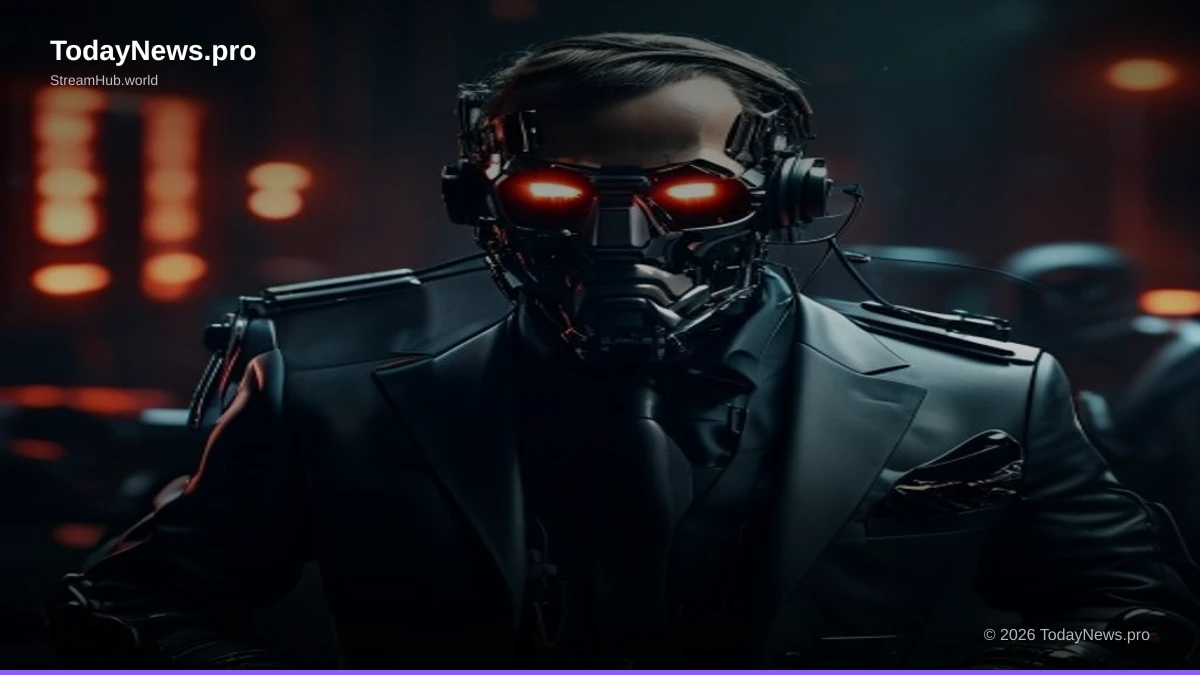
A staggering 90% of film and television production executives believe artificial intelligence will significantly alter their industry within the next five years. This seismic shift, driven by advancements in machine learning, is not merely an incremental upgrade but a fundamental reimagining of how stories are conceived, crafted, and delivered to audiences worldwide. From the nascent stages of script development to the final polish of visual effects, AI is emerging as a powerful co-creator, a hyper-efficient assistant, and a groundbreaking tool that is actively reshaping the cinematic landscape. This article delves into the multifaceted ways AI is becoming the "AI Director," influencing every facet of filmmaking.
The AI Director: Redefining the Art of Storytelling
The very essence of filmmaking – storytelling – is undergoing a profound transformation thanks to the integration of artificial intelligence. AI is moving beyond its role as a mere technological enhancer to become an active participant in the creative process. Machine learning algorithms, trained on vast datasets of existing narratives, cinematic techniques, and audience preferences, are now capable of generating novel ideas, refining existing concepts, and even predicting audience reception with remarkable accuracy. This is not about replacing human creativity, but augmenting it, freeing up filmmakers to focus on the nuanced emotional beats and thematic depth that only human experience can truly imbue. The "AI Director" isn't a singular entity, but rather a distributed intelligence embedded across various stages of production, each contributing to a more efficient, innovative, and potentially more resonant cinematic output.The Genesis of Ideas: AI as a Muse
Artificial intelligence is proving to be a potent catalyst for ideation. Algorithms can analyze trending topics, popular genres, and even psychological profiles to suggest narrative concepts that have a high probability of resonating with specific demographics. This doesn't mean churning out formulaic blockbusters, but rather providing a rich tapestry of starting points, plot twists, character archetypes, and thematic explorations that human writers can then mold and imbue with their unique artistic vision. The process of brainstorming, often a solitary or collaborative endeavor fraught with creative blocks, can now be supercharged by AI's ability to rapidly generate and cross-reference a multitude of possibilities.Predictive Analytics: Understanding the Audience Before the First Frame
One of the most intriguing applications of AI in filmmaking is its ability to predict audience response. By analyzing vast amounts of data from past box office performances, streaming metrics, social media sentiment, and even biometric feedback from test screenings, AI models can offer insights into what elements of a story are likely to engage, thrill, or even alienate viewers. This predictive power can guide script revisions, inform casting decisions, and shape marketing strategies, potentially reducing the inherent risks associated with large-scale film productions. While some may fear this leads to overly commercialized, algorithm-driven content, proponents argue it allows for more targeted storytelling, ensuring that creative visions reach the audiences most likely to appreciate them."AI is not here to dictate taste; it's here to illuminate potential. It can highlight patterns and correlations that are invisible to the human eye, offering a new lens through which to understand audience desires and artistic possibilities."
— Dr. Anya Sharma, Lead AI Researcher, MediaTech Innovations
From Pixels to Plots: AIs Scriptwriting Revolution
The screenplay, the foundational blueprint of any film, is a prime area where AI is making significant inroads. Machine learning models are no longer confined to basic grammar checks; they are actively participating in the narrative construction process, generating dialogue, structuring plotlines, and even developing character arcs. This revolution is not about replacing human screenwriters but providing them with powerful tools to overcome writer's block, explore alternative narrative paths, and ensure structural integrity.Automated Script Generation and Enhancement
AI-powered tools can now generate entire script drafts based on user-defined parameters such as genre, tone, desired themes, and even specific plot points. While these initial drafts may require substantial human refinement, they offer a significant head start, saving countless hours in the early stages of development. Furthermore, AI can analyze existing scripts for pacing issues, dialogue inconsistencies, or plot holes, offering suggestions for improvement. Think of it as an extremely sophisticated co-writer, capable of offering objective feedback and generating variations on a theme at lightning speed.Dialogue Crafting and Character Voice
Creating authentic and compelling dialogue is a hallmark of great screenwriting. AI models, trained on extensive corpora of human conversation and dramatic texts, are becoming adept at generating dialogue that not only fits the narrative context but also captures distinct character voices. They can learn the speech patterns, vocabulary, and emotional nuances of individual characters, producing dialogue that feels natural and contributes to character development. This can be particularly valuable in projects with large ensembles or in historical dramas where capturing authentic period speech is crucial.Narrative Structure and Pacing Optimization
AI's analytical capabilities extend to the very architecture of a story. Algorithms can dissect a narrative's pacing, identifying moments where tension might sag or where a plot point could be introduced more effectively. They can suggest alternative scene orders, reconfigure act breaks, and even propose subplots that could enhance the central narrative. This analytical approach ensures that the story flows logically and maintains audience engagement from beginning to end, a crucial aspect of successful filmmaking.| AI Scriptwriting Feature | Current Capability | Future Potential |
|---|---|---|
| Automated Draft Generation | Generates basic plot outlines and scene skeletons. | Produces near-complete, nuanced scripts with distinct character voices. |
| Dialogue Enhancement | Identifies clichés, suggests alternative phrasing. | Generates contextually appropriate, emotionally resonant dialogue tailored to individual characters. |
| Structural Analysis | Flags pacing issues and plot inconsistencies. | Optimizes narrative flow, proposes complex subplots, and predicts audience engagement with specific story beats. |
Visualizing the Unseen: Generative AI in Pre-Production
The pre-production phase of filmmaking, encompassing everything from storyboarding to conceptual art and location scouting, is being revolutionized by generative AI. This technology allows filmmakers to rapidly visualize ideas, explore diverse aesthetic directions, and create assets that were once prohibitively time-consuming and expensive to produce. The ability to generate photorealistic images, animated sequences, and even virtual environments from simple text prompts is fundamentally changing how directors and production designers translate their visions into tangible forms.Concept Art and Storyboarding at Scale
Generative AI tools can create an astonishing array of concept art and storyboards based on textual descriptions or reference images. This allows for rapid iteration of visual styles, character designs, and environmental concepts. A director can describe a futuristic cityscape, a fantastical creature, or a specific mood, and within minutes, have multiple visual interpretations to choose from. This accelerates the decision-making process and opens up a wider range of creative possibilities, moving beyond the limitations of traditional artistic resources.Virtual Set Design and Environment Generation
Creating realistic or fantastical environments is a cornerstone of visual storytelling. AI can now generate detailed 3D models of sets, landscapes, and even entire virtual worlds. This not only aids in visualization during pre-production but can also be used to create pre-visualizations of complex scenes, allowing filmmakers to plan camera movements and special effects with greater precision. The ability to generate detailed virtual environments can also reduce the need for expensive physical sets and location shoots, particularly for science fiction and fantasy genres."We're seeing a democratization of visual creation. A director with a clear vision can now translate that into compelling visuals without needing a massive team of concept artists. It's about empowering the storyteller."
— Marcus Bellweather, Senior VFX Supervisor, Digital Canvas Studios
Character Design and Asset Generation
From alien creatures to historical figures, AI can assist in the detailed design of characters and other visual assets. By inputting parameters for appearance, costume, and even emotional expression, AI can generate a multitude of character variations. This also extends to the creation of props, vehicles, and other elements that populate the film's world, ensuring consistency and allowing for exploration of different aesthetic approaches before committing to final designs.On Set with the Algorithmic Assistant: AI in Production
While AI's most visible impact might seem to be in the pre- and post-production phases, its presence on the actual film set is growing, albeit more subtly. AI is beginning to act as an invaluable assistant, optimizing schedules, enhancing on-set decision-making, and even contributing to camera work and performance capture.Intelligent Scheduling and Logistics
The logistical complexities of film production are immense, involving hundreds of people, dozens of locations, and intricate shooting schedules. AI can analyze factors such as weather patterns, actor availability, crew schedules, and equipment needs to generate highly optimized shooting schedules. This not only saves time and money but also reduces the potential for costly delays and oversights. AI-powered systems can adapt schedules in real-time as unforeseen circumstances arise, ensuring production remains as fluid as possible.Real-time Cinematography and Camera Assistance
AI is starting to augment the cinematographer's role. Imagine cameras equipped with AI that can predict actor movements, anticipate focus needs, or even suggest optimal framing based on pre-defined aesthetic guidelines. AI-powered tracking systems can assist with complex camera movements, ensuring smoother and more precise shots. While the cinematographer's artistic eye remains paramount, AI can handle many of the technically demanding aspects, allowing them to focus on the creative composition and emotional impact of each shot.Performance Capture and Digital Doubles
In the realm of visual effects and performance capture, AI is playing a crucial role. Machine learning algorithms can analyze motion capture data with greater accuracy, translating human movement into digital characters more seamlessly. Furthermore, AI is being used to generate sophisticated digital doubles, allowing for the creation of complex stunts or the resurrection of deceased actors in a more convincing manner than ever before. This opens up new narrative possibilities and enhances the safety and scope of certain productions.75%
Reduction in scheduling conflicts with AI optimization.
40%
Faster turnaround for motion capture data processing.
20%
Potential cost savings through AI-driven logistics.
The Algorithmic Editor: Streamlining the Post-Production Pipeline
Post-production, where raw footage is transformed into a polished film, is a particularly fertile ground for AI integration. The sheer volume of footage and the intricate nature of editing, sound design, and visual effects make it an ideal area for machine learning to enhance efficiency and creative output.Automated Rough Cuts and Scene Assembly
AI can analyze footage and automatically assemble rough cuts of scenes or even entire sequences. By understanding narrative context, dialogue cues, and desired pacing, AI can select the best takes, arrange them logically, and create a foundational edit. This significantly reduces the time editors spend on the laborious task of sifting through hours of footage, allowing them to focus on refining the creative flow and emotional impact of the film.Intelligent Sound Design and Music Scoring
The auditory experience of a film is as crucial as the visual. AI is being used to automate aspects of sound design, such as identifying and cleaning up background noise, synchronizing audio with visuals, and even generating realistic sound effects. In music scoring, AI can compose original music based on genre, mood, and scene requirements, or it can assist composers by suggesting melodic variations and harmonic progressions. This allows for more dynamic and immersive soundscapes.Advanced Visual Effects and Color Grading
Visual effects, from subtle enhancements to elaborate digital creations, are being revolutionized by AI. Machine learning algorithms can automate tasks like rotoscoping, object removal, and even the generation of complex digital environments. In color grading, AI can analyze footage and suggest color palettes that enhance the mood and aesthetic of the film, ensuring visual consistency across different shots. This allows for greater creative control and faster turnaround times for VFX-heavy productions.AI Impact on Post-Production Efficiency
Beyond the Lens: AIs Impact on Distribution and Audience Engagement
The influence of AI extends far beyond the confines of the production studio, profoundly impacting how films are distributed, marketed, and how audiences interact with them. By leveraging data analytics and personalized content delivery, AI is enabling a more targeted and engaging cinematic experience.Personalized Marketing and Trailer Generation
AI can analyze viewer data to identify specific audience segments and tailor marketing campaigns accordingly. This extends to trailer creation, where AI can generate multiple versions of a trailer, each highlighting different aspects of the film to appeal to diverse tastes. This ensures that promotional materials resonate more effectively with potential viewers, increasing the likelihood of attendance or streaming engagement.Optimized Distribution and Recommendation Systems
Streaming platforms already heavily rely on AI-powered recommendation engines to suggest content to users. As AI advances, it can further optimize distribution strategies by predicting which markets will be most receptive to a particular film, at what time, and on which platforms. This data-driven approach can maximize reach and revenue for filmmakers and distributors. Reuters: How AI is Changing Hollywood StorytellingInteractive Storytelling and Audience Feedback Loops
The future may see AI enabling more interactive cinematic experiences. Imagine films where viewer choices influence the narrative, or where AI dynamically adjusts aspects of the story based on real-time audience engagement data. Furthermore, AI can be used to analyze vast amounts of audience feedback from social media and review sites, providing filmmakers with invaluable insights for future projects and for refining the current film's post-release strategy.Ethical Currents and the Human Touch: Navigating AI in Filmmaking
As AI becomes more deeply integrated into filmmaking, it brings with it a complex web of ethical considerations and a vital discussion about the preservation of the human touch. While the technological advancements are undeniable, the industry is grappling with questions of authorship, bias, job displacement, and the very definition of art.Authorship, Copyright, and Creative Ownership
A significant challenge lies in defining authorship when AI plays a substantial role in content creation. Who owns the copyright to a script or an image generated by an AI? The legal and ethical frameworks are still in their nascent stages. While AI can be a powerful tool, the ultimate creative vision and intent typically originate from human artists. Striking a balance that acknowledges AI's contribution while safeguarding human creativity and intellectual property rights is paramount.Bias in AI and Ensuring Inclusivity
AI models are trained on existing data, and if that data contains societal biases, the AI will inevitably perpetuate them. This is a critical concern in filmmaking, where representation and inclusivity are increasingly important. It is crucial to develop and implement AI systems that are trained on diverse datasets and actively audited for bias to ensure that the stories being told are fair, equitable, and representative of the world's rich tapestry of human experiences. Wikipedia: Artificial Intelligence in FilmThe Indispensable Human Element
Despite AI's burgeoning capabilities, the human element remains irreplaceable in filmmaking. The nuances of human emotion, the lived experiences that fuel authentic storytelling, and the spark of intuition that drives artistic innovation are inherently human qualities. AI can assist, analyze, and generate, but it cannot replicate the soul and subjective perspective that a human artist brings to their craft. The future of filmmaking likely lies in a collaborative synergy between human creativity and AI's unparalleled efficiency and analytical power.Will AI replace human screenwriters?
It is highly unlikely that AI will completely replace human screenwriters. Instead, AI is expected to serve as a powerful tool, augmenting their capabilities by assisting with idea generation, plot structuring, and dialogue refinement. The unique creativity, emotional depth, and lived experiences of human writers remain essential for crafting compelling narratives.
How does AI impact the cost of filmmaking?
AI has the potential to significantly reduce filmmaking costs by streamlining various processes, from pre-production visualizations and automated editing to optimized scheduling and VFX automation. This can make filmmaking more accessible and allow for greater creative experimentation within budget constraints.
What are the main ethical concerns regarding AI in filmmaking?
Key ethical concerns include issues of authorship and copyright for AI-generated content, the potential for AI models to perpetuate biases present in training data, and the impact on employment within the industry. Addressing these requires careful development of AI systems and new legal and ethical frameworks.