

 Alexander Veller
⏱ 10 min
The global AI market is projected to reach over $1.5 trillion by 2030, with personalized AI assistants, often referred to as digital twins, expected to be a significant driving force behind this explosive growth.
The Dawn of the Digital Self: Understanding AI Digital Twins
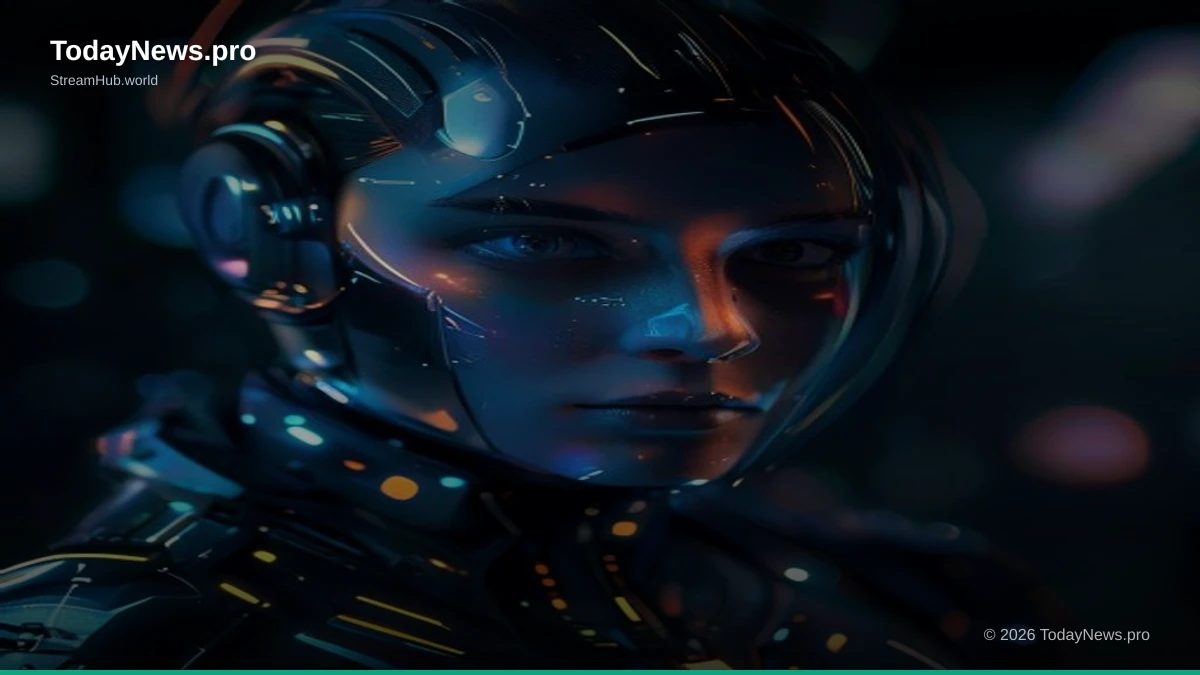
We are on the cusp of a profound shift in our relationship with technology, driven by the emergence of AI digital twins. These are not mere chatbots or smart assistants; they are sophisticated, dynamic, and deeply personalized AI constructs that mirror an individual's digital persona and, increasingly, their real-world behaviors and preferences. Imagine an AI that doesn't just understand your calendar, but anticipates your needs before you even articulate them, learns your communication style, and can even act on your behalf in digital spaces with uncanny accuracy. This is the promise of the AI digital twin. Unlike generic AI models, a digital twin is meticulously crafted from a vast array of personal data – browsing history, communication logs, purchase patterns, health metrics, social media interactions, and even biometric data – to create a unique, evolving digital replica. This replica is designed to learn, adapt, and predict, offering a level of personalized service and proactive assistance previously confined to science fiction. They are the ultimate digital extensions of ourselves, capable of augmenting our capabilities and streamlining our daily routines. The concept itself draws parallels from the industrial world, where digital twins of physical assets like turbines or entire factories are used for simulation, optimization, and predictive maintenance. However, the application to individuals marks a radical departure, transforming the focus from inanimate objects to the most complex entity of all: the human being. This transformation promises to redefine productivity, convenience, and even our understanding of personal agency in the digital age.The Evolution from Smart Assistants to Digital Companions
Our journey towards AI digital twins has been a gradual evolution. We’ve moved from simple voice commands with early smart speakers to more context-aware interactions with sophisticated AI models. However, today's AI digital twins represent a quantum leap. They are not simply responding to queries; they are proactively engaging, offering insights, and performing tasks that align with our implicit goals. This shift from reactive to proactive assistance is a hallmark of their increasing sophistication and personalization. Early iterations of AI assistants were limited by their rigid programming and a lack of deep understanding of individual user context. They could tell you the weather or set a timer, but they couldn't infer your mood or predict your next essential need. AI digital twins, however, are built on a foundation of continuous learning, absorbing and processing personal data to build a nuanced profile that allows for truly intuitive interaction. This evolution is fueled by advancements in machine learning, natural language processing (NLP), and the ever-increasing availability of personal data. As these technologies mature, so too does the capability of our digital counterparts, paving the way for a future where our AI twins are indispensable partners in navigating the complexities of modern life.Beyond Assistants: The Multifaceted Roles of AI Twins
The impact of AI digital twins extends far beyond simply managing your schedule or reminding you of appointments. Their sophisticated understanding of your personal context unlocks a multitude of roles, transforming them into veritable digital extensions of your capabilities. They are becoming personal strategists, educators, health advocates, and even creative collaborators, blurring the lines between human and artificial intelligence in our daily endeavors. One of the most significant emerging roles is that of a **proactive personal strategist**. An AI twin can analyze your long-term goals, financial situation, and career aspirations, then proactively suggest steps, learning resources, or networking opportunities to help you achieve them. It can identify potential roadblocks and offer solutions before you even encounter them, acting as a constant, intelligent advisor. Furthermore, these digital counterparts are poised to revolutionize **personalized learning and skill development**. By understanding your learning style, knowledge gaps, and professional objectives, an AI twin can curate bespoke educational content, recommend relevant courses, and even simulate practice scenarios to accelerate your skill acquisition. This moves beyond generic online courses to a deeply tailored educational journey.The AI Twin as a Personal Health and Wellness Guardian
Perhaps one of the most impactful applications of AI digital twins lies in the realm of health and wellness. By integrating data from wearables, health apps, and even genetic information, these twins can provide continuous, personalized health monitoring and proactive advice. They can track vital signs, identify subtle changes that might indicate early-stage health issues, and alert you or your healthcare provider accordingly. This goes beyond simple calorie counting or step tracking. An AI twin can analyze complex health data to identify potential dietary deficiencies, predict susceptibility to certain conditions based on your lifestyle and genetics, and offer personalized recommendations for exercise and stress management. It becomes an ever-vigilant advocate for your well-being, offering insights that might otherwise be missed. The potential for preventative healthcare is immense. By flagging risks and suggesting interventions early, AI digital twins could contribute significantly to reducing the burden of chronic diseases and improving overall public health.Empowering Creativity and Personal Expression
The utility of AI digital twins isn't limited to pragmatic tasks. They are also emerging as powerful tools for enhancing personal creativity and expression. For artists, writers, musicians, and designers, an AI twin can act as a muse, a collaborator, or a sophisticated tool for ideation and execution. By understanding your artistic preferences, past projects, and even your emotional state, an AI twin can suggest new creative directions, generate preliminary drafts or concepts, and even help refine your work. For instance, a writer might have their AI twin suggest plot twists or character development based on their established narrative style, while a musician could have their twin generate harmonic progressions in a style they've explored. This collaborative aspect fosters a new paradigm in creative endeavors, where human imagination is amplified and supported by intelligent digital partners, leading to faster innovation and potentially more profound artistic output.Hyper-Personalization: The Core of AI Twin Value
The defining characteristic and primary value proposition of AI digital twins is their unparalleled level of hyper-personalization. Unlike any technology before them, these AI constructs are designed to understand and adapt to the intricate nuances of an individual's life, preferences, and behavioral patterns. This deep level of customization is what elevates them from mere tools to indispensable digital companions. This personalization is built upon a sophisticated understanding of user data. It's not just about remembering your name or your favorite color; it's about learning your communication style – your preferred level of formality, your humor, your typical response times. It’s about understanding your decision-making processes, your risk tolerance, and your aspirational goals. This granular understanding allows the AI twin to interact with you and on your behalf in a way that feels entirely natural and aligned with your authentic self. Consider the implications for productivity. An AI twin can filter your incoming communications, prioritizing what is truly urgent based on your established patterns and current context. It can draft emails in your voice, schedule meetings based on your energy levels and existing commitments, and even make minor purchasing decisions, all while maintaining the integrity of your personal brand and preferences.Data Integration: The Foundation of Personalization
The power of hyper-personalization hinges on the seamless integration of diverse data streams. AI digital twins draw from a comprehensive digital footprint, encompassing everything from your browsing history and app usage to your smart home device interactions and even your calendar entries. This holistic view allows for a deeply contextual understanding of your life. Data sources can include: * **Digital Activity:** Web browsing, app usage, search queries, social media interactions. * **Communication Patterns:** Email content, message logs, call history, preferred channels. * **Behavioral Data:** Location history, movement patterns, time spent on tasks, energy expenditure. * **Preferences and Interests:** Explicitly stated preferences, inferred interests from activity, feedback provided. * **Biometric and Health Data:** Heart rate, sleep patterns, activity levels, genetic predispositions (with consent). The ability to synthesize and interpret this vast amount of disparate data is what allows AI digital twins to build a truly unique and evolving profile of their human counterpart.Adaptive Learning: Evolving with You
A key differentiator of AI digital twins is their capacity for continuous, adaptive learning. They are not static entities; they evolve alongside their human counterparts, refining their understanding and capabilities over time. Every interaction, every piece of feedback, and every new data point contributes to their ongoing development. This adaptive learning means that as your life changes – your job, your interests, your relationships – your AI twin adapts with you. It learns from your mistakes, your successes, and your evolving priorities. This creates a dynamic and responsive partnership, ensuring that your digital assistant remains relevant and beneficial throughout your life journey. The implications are profound. Instead of needing to re-train or re-configure a system as your needs change, your AI twin intelligently adjusts, becoming an even more intuitive and valuable asset over time.90%
Of users expect personalized recommendations
75%
Believe AI assistants can improve productivity
85%
Concerned about data privacy with AI
The Technology Underpinning AI Digital Twins
The creation and operation of AI digital twins are dependent on a confluence of cutting-edge technological advancements. These systems are not built on a single innovation but rather on the synergistic integration of several key fields within artificial intelligence and data science. Understanding these foundational technologies is crucial to appreciating the complexity and potential of this emerging paradigm. At its core, the AI twin relies heavily on **advanced machine learning (ML) algorithms**. These algorithms enable the system to learn from vast datasets, identify patterns, make predictions, and continuously improve its performance without explicit programming for every scenario. Techniques such as deep learning, reinforcement learning, and federated learning are instrumental in building these sophisticated models. **Natural Language Processing (NLP)** is another critical pillar. For an AI twin to interact with humans in a natural, intuitive way, it must be able to understand, interpret, and generate human language. Advanced NLP allows for nuanced comprehension of intent, sentiment, and context, making conversations with AI twins feel increasingly human-like.The Role of Big Data and Cloud Computing
The sheer volume of personal data required to build a robust AI digital twin necessitates powerful data management and processing capabilities. **Big data analytics** are employed to collect, store, process, and analyze the immense datasets that form the foundation of an individual's digital persona. This includes structured, semi-structured, and unstructured data from a multitude of sources. **Cloud computing infrastructure** provides the scalable and flexible backbone for these operations. The ability to access vast computational resources on demand is essential for training complex AI models, running real-time analyses, and ensuring the continuous availability of the AI twin. Cloud platforms offer the necessary storage, processing power, and networking capabilities to manage the lifecycle of a digital twin. The development also relies on **edge computing**, where processing happens closer to the data source (e.g., on a user's device). This can enhance privacy and reduce latency for real-time interactions, especially for sensitive health or biometric data.Ethical AI and Explainable AI (XAI)
As AI digital twins become more integrated into our lives, the principles of **ethical AI** are paramount. This involves ensuring fairness, accountability, and transparency in their design and operation. Developing AI that avoids bias, respects privacy, and operates in a socially responsible manner is a significant challenge and a critical area of ongoing research and development. Furthermore, **Explainable AI (XAI)** is crucial. Users need to understand why their AI twin makes certain recommendations or takes specific actions. XAI techniques aim to make the decision-making processes of AI systems more transparent and interpretable to humans, fostering trust and allowing users to validate the AI's reasoning. This is particularly important when dealing with sensitive decisions related to health, finance, or career.Key Technologies Powering AI Digital Twins
Navigating the Ethical Landscape and Security Concerns
The profound personalization offered by AI digital twins comes with a commensurate set of ethical considerations and security challenges. As these AI constructs gain access to increasingly intimate and sensitive personal data, ensuring privacy, security, and responsible usage becomes paramount. These are not mere technical hurdles but fundamental societal questions that require careful navigation. The **privacy of personal data** is arguably the most significant concern. The very essence of a digital twin is its deep understanding of an individual, which requires access to a vast trove of personal information. Robust data protection mechanisms, stringent consent protocols, and clear data governance frameworks are essential to prevent misuse, breaches, or unauthorized access. Users must have complete control over what data their twin collects and how it is used. Beyond privacy, **algorithmic bias** poses a substantial risk. If the data used to train these AI models reflects existing societal biases, the digital twin could perpetuate or even amplify these inequalities. This could lead to discriminatory outcomes in areas such as loan applications, job recommendations, or even healthcare advice. Developers must actively work to identify and mitigate bias in their algorithms and training data.The Challenge of Data Security and Ownership
The security of the data underpinning AI digital twins is non-negotiable. A compromised digital twin could expose an individual to identity theft, financial fraud, reputational damage, and even blackmail. Implementing state-of-the-art cybersecurity measures, including end-to-end encryption, secure authentication protocols, and regular security audits, is vital. The question of **data ownership** also looms large. Who truly owns the digital twin – the individual, the company that developed the AI, or a combination? Clear legal frameworks are needed to define ownership rights and responsibilities. Individuals should retain ultimate control over their digital selves and the data that comprises them."The power of AI digital twins is immense, but it's a power that must be wielded with the utmost responsibility. We need robust ethical guidelines and transparent systems to ensure these technologies empower, rather than exploit, individuals." — Dr. Anya Sharma, AI Ethicist
Maintaining Human Agency and Avoiding Over-Reliance
As AI digital twins become more capable and integrated into our lives, there is a risk of **over-reliance**. If we delegate too much decision-making or critical thinking to our digital counterparts, it could lead to a diminishment of human agency and essential life skills. It's crucial that AI twins are designed as augmentative tools, enhancing human capabilities rather than replacing them entirely. Maintaining **human oversight and the ability to override AI decisions** is critical. Users should always have the final say, especially in significant life choices. The goal is to create a collaborative partnership where the AI provides insights and options, but the ultimate decision-making authority rests with the human. The potential for misuse, such as sophisticated phishing attacks or the manipulation of personal data for targeted propaganda, also necessitates vigilance. Robust regulatory frameworks and industry-wide best practices are crucial to mitigate these risks. Reuters: AI Ethics Debate Intensifies Wikipedia: Digital TwinThe Future is Personal: AI Twins in Everyday Life
The trajectory of AI digital twins points towards an increasingly integrated and personalized future. As the technology matures and gains wider adoption, these intelligent digital counterparts will become woven into the fabric of our daily routines, transforming how we work, learn, manage our health, and interact with the world around us. The concept of a singular, generic digital assistant will likely become obsolete, replaced by a spectrum of highly specialized and deeply personal AI entities. Imagine waking up to an AI twin that has already analyzed your sleep patterns, adjusted your home's climate for optimal comfort, and prepared a personalized news digest that prioritizes topics relevant to your day's agenda. It might then suggest a breakfast based on your nutritional needs and upcoming activities, and even pre-emptively draft responses to emails it deems less critical, allowing you to focus on high-priority tasks. In the professional sphere, AI twins will act as hyper-efficient personal chief of staff. They will manage complex project workflows, identify potential collaboration opportunities, filter information streams to prevent cognitive overload, and even simulate negotiation scenarios to help you prepare for critical business discussions. This frees up human cognitive capacity for higher-level strategic thinking and creativity.Seamless Integration Across Devices and Platforms
The true power of AI digital twins will be realized through their seamless integration across all your devices and digital platforms. Your AI twin won't be confined to a single app or device; it will exist as a distributed intelligence, accessible and functional wherever you are and whatever you are doing. This ubiquity will ensure a consistent and contextually aware experience, no matter the interface. This cross-platform compatibility means your AI twin can interact with your smart home devices, your car, your work computer, and your personal mobile device, all while maintaining a unified understanding of your needs and preferences. This interconnectedness will create a fluid and responsive digital environment tailored precisely to you.The Evolution of Digital Identity and Personal Branding
As AI digital twins become more sophisticated and capable of acting on our behalf, they will inevitably play a significant role in shaping our **digital identity and personal branding**. The way your AI twin communicates, the content it curates, and the interactions it facilitates will all reflect and project your personal brand in the digital realm. This raises interesting questions about authenticity and representation. It will be crucial to ensure that the AI twin accurately reflects your intentions and values, rather than misrepresenting you. As AI becomes more adept at mimicking human communication styles, the distinction between an individual's direct actions and their AI twin's actions will become a critical area of societal discussion and technological development."We are moving from a world of tools to a world of digital partners. The AI digital twin represents the pinnacle of this evolution, offering an unprecedented level of personalized support and augmentation. The key will be to foster a symbiotic relationship, where humans and AI collaborate to achieve more than either could alone." — Kenji Tanaka, Chief Innovation Officer, FutureTech Labs
Impact on Industries and the Global Economy
The proliferation of AI digital twins is poised to send ripples across virtually every industry, fundamentally reshaping business models, labor markets, and economic structures. The ability to automate complex, personalized tasks and gain hyper-insight into individual and collective behaviors will unlock new levels of efficiency, innovation, and economic growth. In **healthcare**, AI twins will revolutionize preventative care, personalized treatment plans, and drug discovery. Imagine a future where your digital twin constantly monitors your health, predicts potential diseases years in advance, and works with your doctor to tailor treatments with unparalleled precision. This could lead to significant improvements in life expectancy and quality of life. The **retail and e-commerce** sectors will experience an unprecedented surge in hyper-personalization. AI twins will understand consumer needs and desires at a granular level, leading to highly targeted marketing, bespoke product recommendations, and optimized customer experiences. This could dramatically increase sales conversion rates and customer loyalty.Reshaping Labor Markets and Skill Demands
The impact on **labor markets** will be transformative, necessitating a significant re-evaluation of skills and job roles. While some tasks currently performed by humans may become automated, new roles will emerge in the development, management, and oversight of AI digital twins. The demand for skills in AI ethics, data science, cybersecurity, and human-AI interaction will skyrocket. Continuous learning and adaptability will become paramount for individuals. The ability to work collaboratively with AI, to leverage its capabilities for enhanced productivity, and to adapt to evolving technological landscapes will be crucial for career success. This shift necessitates investment in lifelong learning initiatives and educational reforms to prepare the workforce for the future.Economic Growth and New Business Models
Economically, AI digital twins have the potential to drive significant growth through increased productivity, innovation, and the creation of entirely new industries and services. The ability to simulate complex scenarios, optimize resource allocation, and understand market dynamics at a deeper level will empower businesses to make more informed decisions and operate with greater efficiency. New business models will emerge around the creation, management, and ethical deployment of AI digital twins. Companies that can offer secure, reliable, and ethically sound digital twin solutions will be well-positioned to capture significant market share. The global economy will likely see a surge in personalized services, predictive analytics, and AI-driven automation across a wide range of sectors.| Sector | Current Market Size (USD Billion) | Projected Market Size (USD Billion) by 2030 | Compound Annual Growth Rate (CAGR) |
|---|---|---|---|
| Healthcare & Wellness | 15.2 | 78.5 | 23.1% |
| Retail & E-commerce | 22.8 | 110.2 | 21.5% |
| Education & Training | 8.9 | 45.7 | 22.9% |
| Financial Services | 11.5 | 55.1 | 22.3% |
What is an AI Digital Twin?
An AI digital twin is a sophisticated, dynamic, and personalized AI construct that mirrors an individual's digital persona, behaviors, and preferences. It learns from vast amounts of personal data to create a unique digital replica that can act as a proactive assistant and augment human capabilities.
How do AI Digital Twins differ from current AI assistants?
Unlike current AI assistants that are largely reactive and task-specific, AI digital twins are proactive, deeply contextual, and continuously learning. They build a holistic understanding of an individual, allowing for more intuitive interactions and the ability to anticipate needs and make complex decisions on behalf of the user.
What are the main ethical concerns surrounding AI Digital Twins?
Key ethical concerns include data privacy, algorithmic bias, security of personal data, data ownership, and the potential for over-reliance leading to diminished human agency.
Can an AI Digital Twin replace human interaction?
AI digital twins are designed to augment and assist, not replace, human interaction. While they can handle many tasks and provide personalized insights, they are intended to enhance human capabilities and decision-making, not to substitute for genuine human connection or critical thinking.