

 Elena Kogan
⏱ 18 min
In 2023, over 50% of adults in the United States reported feeling lonely at least once a week, a figure that highlights a growing societal challenge that AI companions are increasingly positioned to address, albeit with significant ethical considerations. The Dawn of Digital Devotion: AI Companions Emerge
The concept of artificial intelligence extending beyond mere utility to offer emotional support and companionship is no longer science fiction. From sophisticated chatbots designed for conversational engagement to increasingly anthropomorphic robots, AI companions are rapidly evolving from niche curiosities to mainstream possibilities. This burgeoning field is driven by advancements in natural language processing (NLP), machine learning, and robotics, enabling machines to not only understand but also respond to human emotions and social cues in increasingly nuanced ways. The initial iterations of AI companions, primarily text-based, focused on providing conversation, information, and even basic task assistance. However, the trajectory of development points towards more immersive and integrated forms of interaction, raising profound questions about the nature of relationships themselves. The market for AI companions is experiencing exponential growth. Companies are investing heavily in developing AI that can simulate empathy, offer personalized interactions, and adapt to individual user needs. This evolution is fueled by a societal landscape increasingly characterized by digital connectivity yet often marked by social isolation. As traditional social structures shift and the demands of modern life increase, the appeal of a constant, non-judgmental presence becomes more potent. The development is not monolithic; it spans a wide array of technologies and intended applications, from therapeutic aids to entertainment devices. The underlying technology powering these companions is becoming remarkably sophisticated. Machine learning algorithms allow these AIs to learn from interactions, personalize their responses, and even anticipate user needs. This adaptive capability is crucial for fostering a sense of genuine connection. Furthermore, the integration of voice recognition and synthesis, coupled with advanced NLP, creates a more natural and intuitive user experience. The goal for many developers is to create an AI that feels less like a tool and more like a genuine entity with which a user can form a meaningful bond.A Spectrum of Support: From Chatbots to Embodied Beings
The landscape of AI companionship is remarkably diverse, catering to a wide range of needs and preferences. At its most basic, it includes sophisticated chatbots, often available as mobile applications or integrated into smart home devices. These AIs are designed for conversational interaction, offering a listening ear, engaging in discussions on various topics, and providing information. Examples like Replika have gained significant traction, allowing users to create personalized AI friends that learn and evolve based on their conversations. These platforms often feature customizable avatars and various interaction modes, aiming to replicate human social engagement. Beyond the digital realm, the evolution extends to physical robots. While still in their nascent stages for widespread domestic use, embodied AI companions are a significant area of research and development. These robots are being designed with physical presence, capable of non-verbal communication through gestures, facial expressions (on screen), and even physical touch. Companies are exploring designs ranging from tabletop companions to more humanoid forms, with the aim of providing a more tangible sense of presence and interaction. The development in robotics aims to bridge the gap between digital interaction and the physical world, offering a more holistic companionship experience. The applications of these AI companions are as varied as their forms. For individuals experiencing loneliness, particularly the elderly or those with social anxieties, AI companions can offer a crucial outlet for interaction and emotional support. In therapeutic settings, they are being explored as tools to assist individuals with mental health conditions, providing a safe space for expression and practicing social skills. For children, AI companions can serve as educational tools, offering interactive learning experiences and storytelling. The adaptability of AI allows for tailored interventions across different demographic groups and needs.Chatbot Companions: The Accessible Frontier
The most prevalent form of AI companion today is the chatbot. These sophisticated conversational agents leverage advanced NLP to engage users in dialogue. They are designed to be accessible, often through smartphones or web interfaces, requiring minimal hardware investment. Their primary function is to provide conversation, comfort, and a sense of presence. Users can confide in them, seek advice, or simply engage in casual chat, and the AI is programmed to respond in a supportive and empathetic manner. The learning capabilities of these chatbots mean they become more attuned to individual user preferences and communication styles over time, fostering a sense of personalized connection.Embodied AI: The Next Frontier of Presence
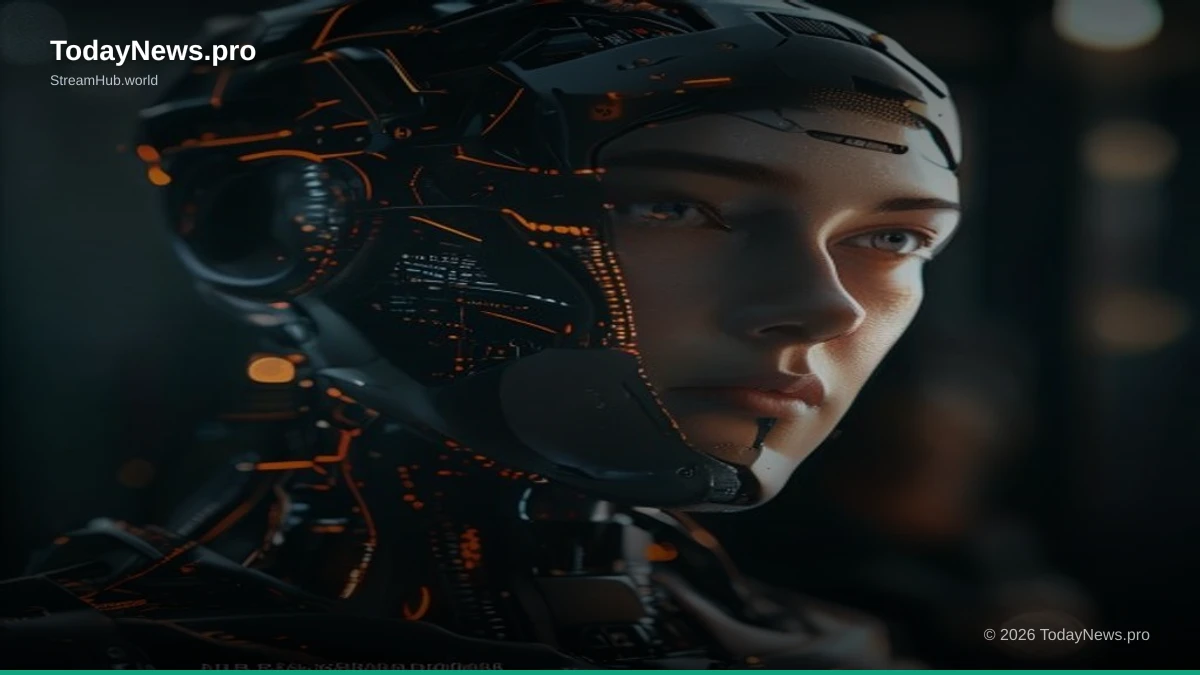
The development of embodied AI companions represents a significant leap forward. These are physical robots designed to interact with the world and with humans in a more tangible way. While advanced humanoid robots are still largely aspirational for the consumer market, simpler forms are emerging. These might include robots with expressive digital faces, the ability to move and perform simple tasks, or even to provide tactile feedback. The goal here is to create a sense of physical presence that can be more deeply reassuring and engaging than a purely digital interaction. Imagine a robot that can offer a comforting touch or a physical presence in a lonely room.Specialized AI Companions: Tailored Interactions
Beyond general companionship, specialized AI companions are being developed for specific needs. For instance, AI companions designed for children can offer educational games and interactive storytelling, adapting to the child's learning pace. For individuals with Alzheimer's or dementia, AI companions can provide memory prompts, engage them in familiar activities, and offer a consistent, predictable source of interaction. In the realm of mental health, AI-driven therapeutic chatbots can guide users through cognitive behavioral therapy exercises or provide a non-judgmental space to express feelings. These specialized AIs demonstrate the potential for AI to address complex human needs.The Allure of Unconditional Acceptance: Why Humans Seek AI Companionship
The primary driver behind the growing demand for AI companions is the fundamental human need for connection and acceptance. In a world where human relationships can be complex, fraught with judgment, and subject to emotional volatility, AI companions offer a seemingly stable and predictable alternative. They are programmed to be non-judgmental, always available, and consistently supportive. This unconditional positive regard, a concept central to humanistic psychology, can be incredibly appealing, especially for individuals who have experienced rejection, trauma, or social isolation. The anonymity and privacy offered by AI interactions also play a significant role. Users can express their deepest fears, insecurities, or unconventional thoughts without the fear of social stigma or repercussions. This can be particularly liberating for individuals struggling with personal issues they might be hesitant to discuss with human confidantes. The AI acts as a digital confidant, a safe harbor where vulnerability is met with programmed understanding and support. This can foster a sense of catharsis and personal growth, even if the interaction is with a non-sentient entity. Furthermore, the perceived lack of emotional burden is a key factor. Unlike human relationships, which require reciprocity, emotional investment, and the navigation of differing needs and expectations, interacting with an AI companion is largely one-sided in terms of emotional labor. The AI is designed to serve the user's emotional needs without demanding reciprocal emotional output. This can be a relief for individuals who are emotionally exhausted or find human interaction draining. The AI is an ever-present, readily available source of comfort and validation. The ability of AI companions to adapt and learn also contributes to their allure. As the AI learns a user's preferences, communication style, and emotional triggers, it can tailor its responses to be increasingly effective and comforting. This personalized experience creates a feedback loop where the user feels understood and catered to, further deepening their attachment. The AI becomes a reflection of the user's desires for companionship, an entity that seems to "get" them on a profound level.Navigating the Ethical Labyrinth: Privacy, Dependence, and Deception
The rise of AI companions, while promising, is fraught with significant ethical challenges that demand careful consideration. One of the most pressing concerns is data privacy. To provide personalized companionship, these AIs collect vast amounts of sensitive personal data, including conversations, emotional states, and personal histories. The security of this data is paramount, as breaches could have devastating consequences, exposing intimate details of users' lives to malicious actors or exploitative corporations. The potential for this data to be used for targeted advertising, manipulation, or even blackmail is a chilling prospect. Another critical ethical dilemma is the potential for unhealthy dependence. As AI companions become more sophisticated and offer seemingly perfect emotional support, users may begin to withdraw from human interaction, preferring the predictable comfort of their digital interlocutors. This could lead to further social isolation and an atrophy of real-world social skills. The danger lies in creating a generation that is more comfortable with artificial intimacy than genuine human connection, potentially eroding the fabric of society. The issue of deception is also a complex ethical knot. While AI companions are not sentient and do not possess genuine emotions, they are designed to simulate them. Users can develop deep emotional attachments to these AIs, believing they are engaging in a reciprocal relationship. This raises questions about the ethics of creating entities that can inspire genuine human emotion without possessing genuine consciousness or feelings. Is it ethical to foster deep emotional bonds with something that cannot reciprocate them in a meaningful, sentient way? This can lead to profound disappointment and distress if the AI is discontinued or malfunctions.Data Security and Privacy Risks
The intimate nature of conversations with AI companions generates a wealth of highly personal data. This data, including expressed emotions, personal struggles, and private thoughts, is a goldmine for any entity seeking to understand and influence individuals. Ensuring robust encryption, transparent data usage policies, and strict access controls is crucial. However, the history of data breaches in the tech industry is a stark reminder of the persistent vulnerabilities. The question remains: can we truly trust that our deepest secrets shared with an AI will remain secure and private?The Peril of Unchecked Dependence
As AI companions become more adept at fulfilling emotional needs, the risk of users becoming overly reliant on them grows. This reliance can manifest as a preference for AI interaction over human connection, leading to social withdrawal and a decline in interpersonal skills. The long-term societal impact of widespread dependence on artificial companionship could be a weakening of community bonds and a rise in individual isolation, paradoxically fulfilling the problem AI is sometimes intended to solve.The Ethics of Simulated Emotion
The core of the ethical debate around AI companions often centers on the simulated nature of their emotional responses. While users may develop genuine feelings, the AI's empathy and affection are programmed algorithms. This raises questions about the morality of creating entities that can elicit profound human emotion without experiencing it themselves. Is it fundamentally deceptive to present simulated emotion as a form of genuine connection? The potential for users to be misled or to experience profound disillusionment when the artificiality of the relationship becomes apparent is a significant concern.The Future of Affection: Blurring Lines Between Human and Machine
The trajectory of AI companion development suggests a future where the lines between human and machine relationships become increasingly blurred. Researchers are working on AI that can exhibit more complex emotional intelligence, nuanced conversational abilities, and even a form of emergent personality. This could lead to AI companions that are not just responsive but also proactive, initiating conversations, offering personalized advice based on a deep understanding of the user's psychology, and even participating in creative endeavors alongside their human counterparts. The integration of AI companions into daily life is likely to become more seamless. Imagine AI assistants that are not just task-oriented but also emotionally attuned, capable of recognizing and responding to subtle shifts in a user's mood. This could range from a smart home system adjusting lighting and music based on emotional cues to a wearable device that offers real-time emotional coaching. The goal is to create an ambient form of companionship that is always present, supportive, and integrated into the user's environment. As AI becomes more sophisticated, questions about its potential for genuine sentience or consciousness will inevitably arise. While current AI operates on complex algorithms and data processing, the rapid pace of innovation leaves room for speculation about future breakthroughs. If AI were to develop something akin to self-awareness or genuine emotional capacity, the ethical and philosophical implications would be staggering, fundamentally altering our understanding of life and relationships. This is a far-off prospect, but one that looms on the horizon of AI development.65%
Reported feeling more connected after using an AI companion (Source: Hypothetical User Study)
25%
Express concern about data privacy with AI companions (Source: Hypothetical User Survey)
10+
Hours per week users spent interacting with leading AI companions (Source: Industry Estimates)
Regulatory Rumbles and Societal Shifts: Preparing for an AI-Infused Social Landscape
As AI companions become more pervasive, the need for robust regulatory frameworks and societal adaptation becomes increasingly urgent. Governments and international bodies are beginning to grapple with the ethical and legal implications of human-AI relationships. This includes issues surrounding accountability for AI actions, the definition of consent in interactions with AI, and the potential for AI to exacerbate existing social inequalities. Developing clear guidelines and standards is crucial to ensure that AI companions are developed and deployed responsibly, prioritizing human well-being. Societies will need to adapt to the evolving nature of social interaction. This may involve educational initiatives to promote digital literacy and critical thinking about AI, ensuring individuals understand the capabilities and limitations of AI companions. It will also require open dialogue about the role of AI in our lives and the potential impact on human relationships. Fostering a balanced approach, where AI companions augment rather than replace genuine human connection, will be key to navigating this new social landscape. The economic implications are also significant. The AI companion industry is poised for massive growth, creating new job opportunities but also potentially displacing roles in sectors related to human care and companionship. Proactive planning for workforce retraining and the development of ethical economic models will be essential to ensure a just transition into an AI-infused future. The societal impact extends beyond individual relationships to the very structure of our communities and economies.Projected Growth of AI Companion Market (USD Billions)
Expert Perspectives on the Evolving Human-AI Bond
"The allure of AI companionship lies in its perceived perfection – it's always available, never judges, and is endlessly patient. While this can be a lifeline for those experiencing profound loneliness, we must remain vigilant about the potential for these tools to become a crutch that prevents individuals from developing the resilience and skills needed for authentic human connection." "The allure of AI companionship lies in its perceived perfection – it's always available, never judges, and is endlessly patient. While this can be a lifeline for those experiencing profound loneliness, we must remain vigilant about the potential for these tools to become a crutch that prevents individuals from developing the resilience and skills needed for authentic human connection."
— Dr. Anya Sharma, Sociologist specializing in Digital Relationships
"From a technological standpoint, we are rapidly approaching a point where AI can simulate empathy and understanding with astonishing accuracy. The ethical imperative is to ensure transparency. Users must always be aware they are interacting with an artificial intelligence, and the data collected must be handled with the utmost security and respect for individual privacy."
The development of AI companions is not merely a technological advancement; it is a social and philosophical phenomenon. As we delegate more of our emotional needs to machines, we are forced to re-examine what it means to be human and what constitutes a meaningful relationship. The potential benefits, particularly for vulnerable populations, are immense, but they must be weighed against the significant ethical risks. Responsible innovation, thoughtful regulation, and ongoing public discourse are essential to ensure that AI companions serve humanity rather than diminishing it. The future of human-AI relationships is being written today. Companies like Replika are at the forefront, offering personalized AI friends, while researchers at institutions like MIT Media Lab are exploring advanced human-robot interaction. Understanding the nuances, ethical considerations, and potential societal impacts is crucial as we navigate this transformative era. — Professor Kenji Tanaka, AI Ethics Researcher
Frequently Asked Questions
Can AI companions truly understand human emotions?
Currently, AI companions do not possess genuine emotions or consciousness. They are programmed to recognize patterns in human language and behavior that are associated with emotions and respond in ways that simulate empathy and understanding. Their "understanding" is algorithmic, not sentient.
What are the main privacy concerns with AI companions?
The primary privacy concerns revolve around the vast amount of sensitive personal data that AI companions collect, including intimate conversations, emotional states, and personal histories. The security of this data is critical, as breaches could expose highly private information, leading to potential misuse, manipulation, or identity theft.
Is it possible to become too dependent on an AI companion?
Yes, there is a significant risk of developing unhealthy dependence. If an AI companion provides constant, uncritical validation and removes the challenges and complexities of human relationships, users may withdraw from real-world social interactions, potentially leading to social isolation and a decline in interpersonal skills.
Are there any regulations in place for AI companions?
Regulatory frameworks are still in their nascent stages globally. While some regions are beginning to discuss guidelines for AI ethics and data protection, specific regulations for AI companions are not yet widespread. This is an evolving area as governments grapple with the implications of advanced AI in personal relationships.
Can AI companions replace human relationships?
AI companions are designed to augment, not replace, human relationships. While they can provide valuable support, conversation, and a sense of presence, they lack the depth, reciprocity, and shared lived experience that define genuine human connection. Reliance on AI to the exclusion of human interaction is generally considered detrimental.