

 Scott Wright
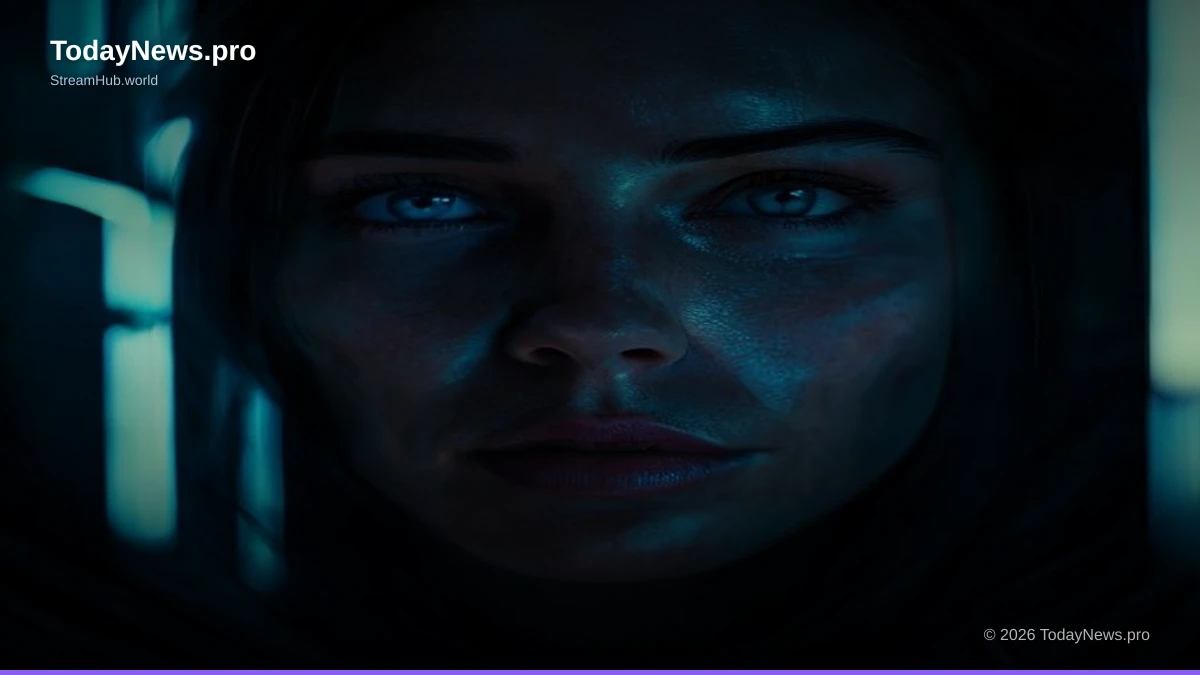
As of 2023, over 90% of consumers globally admit to encountering misinformation online, a significant portion of which is now amplified and made more convincing by sophisticated synthetic media and deepfakes.
The Dawn of Digital Duplication: A New Era of Deception
We stand at the precipice of an unprecedented information landscape, one increasingly shaped by artificial intelligence and the ability to generate hyper-realistic, yet entirely fabricated, audio and visual content. This era, often termed the "Age of the Unseen," is characterized by the rise of synthetic media and deepfakes, technologies that blur the lines between reality and illusion, truth and fiction, with alarming efficacy. No longer confined to the realm of science fiction, these digital simulacra are rapidly permeating our digital lives, posing profound challenges to individual perception, societal trust, and democratic processes. The ability to manipulate digital realities at scale demands a critical re-evaluation of how we consume, verify, and disseminate information.
The term "deepfake" itself, a portmanteau of "deep learning" and "fake," encapsulates the core of this disruptive technology. It refers to synthetic media where a person's likeness or voice is replaced or altered using artificial intelligence, most notably deep neural networks. What began as a niche technology used for entertainment and parody has evolved into a potent tool with the capacity for immense good or profound harm. The sophistication of these creations means they can be indistinguishable from genuine recordings to the untrained eye and ear, making the act of discerning truth an increasingly arduous task.
Generative Adversarial Networks: The Engine of Deception
At the heart of deepfake technology lie Generative Adversarial Networks (GANs). These are a class of machine learning frameworks where two neural networks, a generator and a discriminator, compete against each other. The generator creates synthetic data (e.g., images, audio), while the discriminator attempts to distinguish between real and generated data. Through this adversarial process, the generator becomes progressively better at producing realistic outputs that can fool the discriminator, and by extension, human observers. This continuous refinement cycle is what enables the creation of increasingly convincing fakes.
GANs are remarkably adept at learning the intricate nuances of facial structures, vocal inflections, and behavioral patterns from vast datasets. This learning process allows them to synthesize new content that not only looks and sounds authentic but also mimics the subtle idiosyncrasies of the original subjects. The more data available, the more precise and believable the generated output becomes, creating a self-reinforcing cycle of technological advancement.
Unmasking the Architects: Technology Behind Synthetic Media
The creation of synthetic media is a multifaceted process, drawing upon a diverse array of AI techniques and computational power. While deep learning, particularly GANs, forms the backbone, other methodologies contribute to the overall realism and persuasiveness of the fabricated content. Understanding these underlying technologies is crucial for appreciating the scope of the challenge and for developing effective countermeasures.
Beyond GANs, techniques such as autoencoders and recurrent neural networks (RNNs) play significant roles. Autoencoders are used for feature extraction and data compression, which can be leveraged to learn underlying patterns in data, facilitating the generation of new, similar data. RNNs, on the other hand, are particularly useful for processing sequential data like speech and text, enabling the creation of synthetic audio and dialogue that mimics human speech patterns and intonations.
Voice Cloning and Synthesis
One of the most unsettling advancements in synthetic media is the ability to clone voices with remarkable accuracy. Through sophisticated AI algorithms trained on audio samples, it is possible to generate speech in a target voice, saying virtually anything that can be transcribed into text. This technology has applications in accessibility tools, personalized voice assistants, and even creative arts, but its potential for misuse is vast, including impersonation for fraud or the creation of disinformation campaigns.
The process typically involves extracting phonetic features, prosody, and vocal characteristics from a substantial amount of an individual's speech. Once these parameters are learned, the AI can then generate new audio. Modern voice cloning systems can achieve high fidelity with surprisingly small datasets, making them increasingly accessible and dangerous. The emotional range and subtle nuances of human speech are still a frontier, but the progress has been rapid.
Facial Manipulation and Animation
The visual counterpart to voice cloning is facial manipulation, often seen in deepfake videos. Techniques like facial re-enactment, where an actor's facial movements are used to drive the performance of a target face, or full face synthesis, where an entirely new face is generated, are common. These methods rely on mapping facial landmarks, analyzing expressions, and rendering realistic textures and lighting to create a seamless illusion.
The ability to superimpose one person's face onto another's body, or to make someone appear to say or do things they never did, presents a significant threat. The underlying algorithms analyze facial geometry, expressions, and even micro-movements, then meticulously recreate these on a source video or image. This allows for the creation of incredibly convincing, yet entirely fictional, visual narratives.
The Pervasive Impact: Applications and Ramifications
The implications of synthetic media are far-reaching, touching upon virtually every sector of society. While the technology holds genuine promise for innovation and creative expression, its darker applications are increasingly coming to the fore, demanding our attention and proactive mitigation strategies. The ease with which these fabricated realities can be created and disseminated amplifies their potential impact.
From the entertainment industry, where CGI and digital manipulation have long been staples, to the development of personalized educational tools and realistic simulations for training, synthetic media offers exciting possibilities. However, these beneficial uses are overshadowed by the growing threat of malicious exploitation, which can range from personal harassment to large-scale political destabilization.
Malicious Use Cases: Disinformation and Harassment
The most concerning applications of deepfakes involve the deliberate spread of disinformation, defamation, and harassment. Fabricated videos of politicians making inflammatory statements, or audio recordings of celebrities engaging in unethical behavior, can be used to manipulate public opinion, damage reputations, and sow discord. The speed at which such content can go viral makes it a potent weapon in the information war.
A particularly insidious form of deepfake misuse is non-consensual pornography, where individuals' faces are superimposed onto explicit material. This not only constitutes a severe violation of privacy and a form of sexual abuse but also disproportionately targets women, exacerbating existing gender-based harms. The emotional and psychological toll on victims is devastating.
Legitimate Applications and Their Ethical Dilemmas
Despite the risks, synthetic media also offers genuine benefits. In the realm of filmmaking, it can be used to de-age actors, bring historical figures to life, or even create performances posthumously. For accessibility, voice cloning can provide individuals with speech impediments a synthesized voice that is uniquely their own. Virtual assistants and customer service bots can leverage synthetic voices to offer more natural and engaging interactions.
However, even these beneficial applications raise ethical questions. The use of deceased actors' likenesses, for instance, brings up issues of consent and the rights of their estates. The creation of personalized synthetic content also requires careful consideration of data privacy and potential misuse of user information. The line between creative enhancement and digital puppetry can become blurred.
| Application Area | Potential Benefits | Associated Risks |
|---|---|---|
| Political Discourse | Satire, historical reenactments | Disinformation campaigns, election interference, defamation |
| Entertainment & Media | Special effects, de-aging actors, virtual actors | Reputational damage, non-consensual content creation |
| Personal Communication | Personalized avatars, enhanced accessibility | Impersonation, fraud, identity theft |
| Education & Training | Realistic simulations, historical figures as instructors | Misleading historical representations, fabricated evidence |
Erosion of Trust: Societal and Political Fallout
The pervasive nature of synthetic media, particularly deepfakes, poses a significant threat to public trust. When audiovisual evidence, long considered a cornerstone of truth and accountability, can be convincingly fabricated, the very concept of objective reality comes under siege. This erosion of trust has profound implications for democratic institutions, journalism, and interpersonal relationships.
The "liar's dividend" is a term that describes a phenomenon where the existence of deepfakes can be used to discredit genuine evidence. Even if a piece of content is authentic, individuals or entities can claim it is a deepfake to evade accountability. This creates a climate of pervasive skepticism, making it harder to hold powerful individuals or organizations responsible for their actions.
Undermining Democratic Processes
In the political arena, deepfakes can be weaponized to manipulate public discourse, influence elections, and destabilize governments. A strategically released deepfake video of a political candidate engaging in illicit activities or making controversial statements shortly before an election could have a decisive impact. The speed of social media dissemination means that such content can spread widely before it can be fact-checked or debunked, leaving a lasting impression on voters.
Furthermore, deepfakes can be used to create a false sense of consensus or dissent, to inflame political tensions, or to incite violence. The ability to fabricate speeches, rallies, or news reports makes it possible to engineer political narratives that are entirely divorced from reality, leading to increased polarization and a breakdown of constructive dialogue. This poses an existential threat to informed citizenship and the functioning of a healthy democracy.
Impact on Journalism and the Legal System
Journalism, the traditional gatekeeper of information, faces an unprecedented challenge. Verifying the authenticity of audiovisual sources becomes significantly more complex and resource-intensive. The constant threat of sophisticated fakes can lead to heightened caution, potentially slowing down the reporting process, or conversely, to a greater risk of unknowingly publishing fabricated content. The public's faith in news organizations can be severely damaged if they are perceived as unreliable or easily deceived.
The legal system also grapples with the implications of synthetic media. How can video or audio evidence be reliably presented in court when its authenticity is constantly in question? The burden of proof for digital evidence may increase, requiring more sophisticated forensic analysis. The potential for deepfakes to be used to frame individuals or create false alibis presents a serious challenge to the pursuit of justice.
The Arms Race: Detection and Mitigation Strategies
As synthetic media technology advances, so too do the methods for detecting and combating it. This has led to a continuous "arms race" between creators of fakes and those developing countermeasures. A multi-pronged approach involving technological solutions, legislative action, and public education is essential to stay ahead of the curve.
Detection tools often rely on identifying subtle artifacts or inconsistencies that are characteristic of AI-generated content. These can include unnatural blinking patterns, odd lighting, or peculiar pixel arrangements that a human eye might miss but an algorithm can flag. However, as generation techniques improve, these artifacts become harder to detect.
Technological Countermeasures
Researchers are developing a variety of AI-powered tools to identify deepfakes. These include algorithms that analyze facial expressions for inconsistencies, detect unusual audio frequencies, or examine the temporal coherence of video frames. Digital watermarking and blockchain-based authentication are also being explored as ways to verify the origin and integrity of media content.
Another promising area is the development of "deepfake detection APIs" and software that can analyze uploaded media files. These systems are trained on vast datasets of both real and synthetic media, learning to differentiate between them. Some platforms are integrating these tools directly into their content moderation pipelines to automatically flag or remove potentially fabricated material. For more information on the technical aspects of detection, one can refer to resources from organizations like Reuters.
Legislative and Policy Frameworks
Governments worldwide are beginning to grapple with the legal and ethical challenges posed by synthetic media. Some jurisdictions are enacting laws specifically targeting the creation and dissemination of malicious deepfakes, particularly those involving non-consensual pornography or political disinformation. However, balancing these efforts with freedom of speech is a delicate act.
Policy discussions often revolve around platform accountability, establishing clear definitions of harmful synthetic media, and promoting international cooperation. The development of robust regulatory frameworks is crucial to deter malicious actors and provide recourse for victims. Understanding the evolving legal landscape is vital, with resources like Wikipedia's entry on Deepfakes offering a broad overview of legal considerations.
Navigating the Murky Waters: A Call for Digital Literacy
In an age where digital illusions can be crafted with increasing ease, the most potent defense mechanism lies not solely in technology, but in the critical thinking and digital literacy of every individual. Empowering citizens with the knowledge and skills to discern fact from fiction is paramount to preserving trust and safeguarding our information ecosystem.
Digital literacy encompasses more than just the ability to use technology; it involves understanding how digital content is created, how it can be manipulated, and what motivations might lie behind its dissemination. It's about cultivating a healthy skepticism without falling into cynicism, and developing habits of verification and critical evaluation.
Developing a Skeptical Mindset
The first line of defense against synthetic media is a critical approach to the content we encounter. This involves asking crucial questions: Who created this? What is their agenda? Is there corroborating evidence from reputable sources? Is the emotional tone of the content designed to provoke an immediate reaction rather than thoughtful consideration?
It's important to resist the urge to share sensational or emotionally charged content immediately. Taking a moment to pause, verify, and understand the context can prevent the accidental spread of misinformation. Cultivating this habit is a fundamental step in becoming a responsible digital citizen.
Fact-Checking and Verification Tools
A variety of tools and resources are available to help individuals verify information. Reputable fact-checking organizations, such as those associated with the International Fact-Checking Network, provide analyses of viral claims and debunk misinformation. Reverse image searches can help determine the origin and authenticity of images, and many browsers offer extensions that can flag suspicious websites or content.
Learning to use these tools effectively is an essential component of digital literacy. By actively seeking out multiple perspectives and cross-referencing information, individuals can build a more robust understanding of events and reduce their susceptibility to fabricated narratives. Understanding how to identify manipulated content is a growing necessity.
The Future of Authenticity: Ethical Considerations and Innovations
The trajectory of synthetic media development points towards ever-greater realism and accessibility. As the technology matures, we must engage in ongoing ethical discussions and foster innovations that prioritize authenticity, transparency, and human agency. The choices we make today will shape the future of our digital reality and the very nature of truth itself.
Looking ahead, the integration of AI into our daily lives will continue to accelerate. This will bring both unprecedented opportunities and profound challenges. Proactive engagement with these evolving technologies, guided by strong ethical principles, is not merely advisable but essential for navigating the age of the unseen.
Ethical Guidelines and Responsible AI
The development and deployment of AI technologies, including those used for synthetic media, must be guided by robust ethical frameworks. This involves ensuring transparency in AI development, promoting fairness and inclusivity, and safeguarding against misuse. Companies and researchers have a responsibility to consider the potential societal impact of their work and to implement safeguards to mitigate harm.
The principles of "Responsible AI" advocate for systems that are explainable, reliable, safe, and accountable. For synthetic media, this could translate to clear labeling of AI-generated content, restrictions on its use for malicious purposes, and the development of mechanisms for redress when harm occurs. International collaboration on ethical guidelines is crucial, as the challenges of synthetic media transcend national borders.
Emerging Innovations in Authentic Media
Alongside the advancements in synthetic media, there is a parallel drive towards technologies that can guarantee the authenticity of digital content. Innovations in provenance tracking, secure content signing, and verifiable digital identities are emerging. For instance, initiatives are underway to create standards for media authenticity that would embed cryptographic signatures into content at the point of creation, making it verifiable throughout its lifecycle.
The future may see a robust ecosystem where authenticated content is clearly distinguishable from fabricated material. This could involve decentralized ledger technologies (like blockchain) to create immutable records of media origin and integrity, or advanced biometric authentication methods to ensure the person depicted or speaking is indeed who they claim to be. The pursuit of authentic media is a vital counterpoint to the rise of synthetic creations.