

 William Nye
⏱ 15 min
The Looming Challenge: Feeding a World of 10 Billion
By the year 2050, the global population is projected to reach nearly 10 billion people. This monumental demographic shift presents an unprecedented challenge for our existing food systems, which are already strained by climate change, dwindling arable land, and water scarcity. Traditional agriculture, while foundational to human civilization, faces inherent limitations in its ability to scale sustainably. The United Nations estimates that food production will need to increase by as much as 70% to meet future demand. This imperative has spurred a revolutionary wave of innovation, with vertical farms and lab-grown foods emerging as potential cornerstones of a new, resilient, and sustainable global nutrition paradigm. These technologies promise to decouple food production from land availability and environmental volatility, offering a glimpse into a future where nutritious food is accessible, abundant, and produced with a significantly lighter ecological footprint.Vertical Farming: Cultivating the Future Indoors
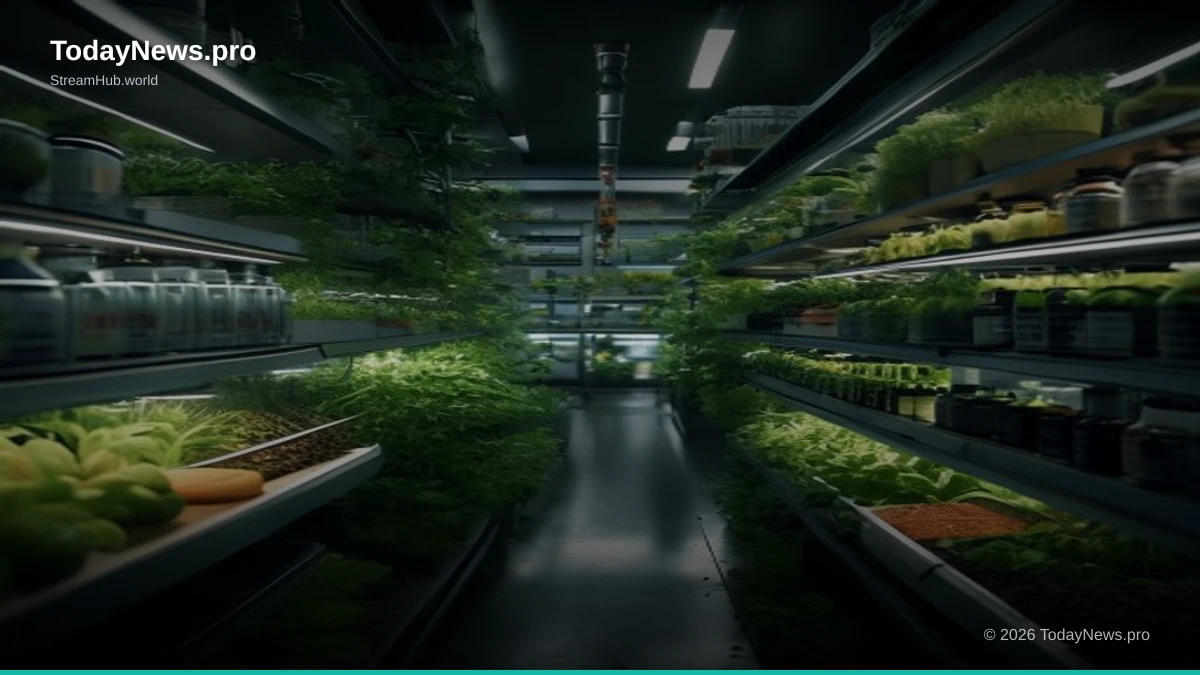
Vertical farming represents a radical reimagining of agriculture, moving food production from sprawling fields to controlled indoor environments stacked in vertical layers. This method utilizes artificial lighting, climate control, and hydroponic or aeroponic systems to grow crops in urban settings, often within repurposed warehouses or purpose-built facilities. The concept is simple yet profound: maximize yield in minimal space. By eliminating the need for soil and outdoor weather conditions, vertical farms can operate year-round, unaffected by droughts, floods, or seasonal changes. This controlled environment also significantly reduces the risk of pest infestations, thereby minimizing or eliminating the need for pesticides and herbicides.The Technology Behind the Layers
At the heart of every successful vertical farm lies a sophisticated integration of technologies. LED lighting is a cornerstone, offering tunable spectrums of light optimized for plant growth while consuming less energy than traditional lighting. Hydroponics, which grows plants in nutrient-rich water solutions, and aeroponics, which mists plant roots with nutrient solutions, are the primary soilless cultivation methods. These systems allow for precise control over nutrient delivery, leading to faster growth rates and higher yields. Environmental controls, managed by advanced software, monitor and adjust temperature, humidity, CO2 levels, and airflow to create the ideal growing conditions for specific crops. Sensors provide real-time data, enabling automated adjustments and maximizing efficiency.| Component | Function | Impact on Yield |
|---|---|---|
| LED Lighting | Provides optimized light spectrum for photosynthesis | Accelerated growth, increased crop cycles |
| Hydroponics/Aeroponics | Delivers precise nutrient and water to roots | Faster growth, reduced water usage, no soil-borne diseases |
| Climate Control Systems | Regulates temperature, humidity, CO2, airflow | Optimal growth conditions, year-round production |
| AI & Sensor Networks | Monitors and adjusts environmental parameters | Maximizes efficiency, reduces waste, predictive maintenance |
Benefits Beyond Freshness
The advantages of vertical farming extend far beyond delivering hyper-local, fresh produce. Water usage is dramatically reduced, often by up to 95% compared to traditional farming, as water is recirculated and reused. This is a critical advantage in water-stressed regions. Furthermore, the proximity of vertical farms to urban centers significantly shortens supply chains, reducing transportation costs and the associated carbon emissions. Produce reaches consumers faster, retaining more nutrients and flavor. This reduced transit time also means less spoilage and food waste. Vertical farms also offer the potential to reclaim underutilized urban spaces, revitalizing industrial areas and bringing green jobs into cities.Lab-Grown Foods: From Petri Dish to Plate
Lab-grown food, also known as cultivated or cell-based food, is another revolutionary technology poised to transform our food system. It involves producing real animal products, such as meat, poultry, and seafood, directly from animal cells in a controlled laboratory environment, rather than from raising and slaughtering animals. This process, also referred to as 'cultivated meat', aims to replicate the taste, texture, and nutritional profile of conventional meat without the significant environmental and ethical challenges associated with traditional livestock farming. It represents a scientific leap in decoupling food production from animal agriculture.The Science of Cultivated Meat
The journey of cultivated meat begins with a small sample of cells, typically taken from a living animal through a biopsy, a process that is painless and requires no harm to the animal. These cells, often muscle or fat cells, are then placed in a bioreactor, a sterile vessel that acts as a controlled environment. Inside the bioreactor, the cells are provided with a nutrient-rich medium, which includes sugars, amino acids, vitamins, and minerals, along with growth factors that signal the cells to multiply and differentiate into muscle and fat tissues. This process mimics the natural growth and development of meat within an animal's body, but in a highly accelerated and controlled manner. The resulting biomass is then harvested and can be formed into familiar food products like burgers, sausages, or chicken nuggets.Biopsy
Initial cell sampling
Bioreactor
Controlled growth environment
Nutrient Medium
Feeds and nourishes cells
Growth Factors
Stimulate cell proliferation and differentiation
Harvesting
Collecting the cultivated tissue
Navigating the Regulatory Landscape
The commercialization of cultivated meat is a complex undertaking that involves navigating stringent regulatory frameworks. Food safety authorities worldwide are developing guidelines and approval processes to ensure these new products are safe for consumption. In Singapore, the first country to grant regulatory approval for cultivated meat, the cultivated chicken product from Eat Just received authorization in December 2020. The United States has also moved forward, with the Food and Drug Administration (FDA) and the U.S. Department of Agriculture (USDA) jointly reviewing and approving cultivated meat products. This regulatory pathway is crucial for building consumer trust and enabling wider market access. The debate around labeling also continues, with discussions on how to best inform consumers about the origin of these novel food products. For more information on the science, see Wikipedia's entry on Cultivated Meat. "The potential for cultivated meat to reduce the environmental impact of food production is immense. We're talking about drastically cutting greenhouse gas emissions, land use, and water consumption associated with traditional animal agriculture. The challenge now is to scale production efficiently and make it economically competitive."
— Dr. Anya Sharma, Senior Food Scientist
Sustainability Metrics: A Closer Look
The environmental claims surrounding both vertical farming and lab-grown foods are compelling, but a critical analysis of their sustainability metrics is essential. While vertical farms significantly reduce water usage and transportation emissions, their energy consumption, particularly for lighting and climate control, can be substantial. The source of this energy is a key factor; if powered by renewable sources like solar or wind, the carbon footprint is dramatically reduced. For cultivated meat, life cycle assessments (LCAs) suggest that, in the future, it could require significantly less land and water than conventional meat production. However, current production methods are still energy-intensive.| Food Production Method | Water Usage (per kg) | Land Use (per kg) | Greenhouse Gas Emissions (per kg CO2e) | Energy Consumption (kWh per kg) |
|---|---|---|---|---|
| Traditional Beef | ~15,400 liters | ~287 m² | ~60 kg | N/A (indirect) |
| Vertical Farm (Leafy Greens) | ~1-5 liters | Minimal (indoor footprint) | Varies (depends on energy source) | ~10-30 kWh |
| Cultivated Meat (Projected) | ~50-200 liters | Minimal (lab footprint) | Lower than beef (projected) | ~50-100 kWh (projected) |
Challenges and the Road Ahead
Despite their immense promise, vertical farms and lab-grown foods face considerable hurdles before they can become mainstream components of our global food supply. These challenges span technological, economic, and societal domains, requiring sustained innovation and strategic investment. Overcoming these obstacles is crucial for realizing the full potential of these revolutionary food technologies.Scaling Production and Consumer Acceptance
One of the most significant challenges for both industries is scaling up production to meet the demands of a global population. Vertical farms, while efficient for niche, high-value crops like leafy greens and herbs, need to become economically viable for a wider range of produce. This requires further optimization of energy efficiency and automation. For cultivated meat, scaling means moving from small pilot facilities to large-scale industrial bioreactors. This involves complex engineering challenges and significant capital investment. Equally important is consumer acceptance. Educating the public about the safety, benefits, and production processes of these foods is vital. Overcoming perceptions of "unnatural" or "processed" food will be a key factor in their widespread adoption. "Consumer trust is paramount. We must be transparent about how these foods are made and demonstrate their safety and nutritional value. Early adoption will likely be driven by early adopters and curious consumers, but broader market penetration will require a concerted effort in education and building familiarity."
— Maria Rodriguez, Food Systems Ethicist
Economic Viability and Investment
The initial capital investment for setting up advanced vertical farms and cultivated meat facilities is substantial. High operational costs, particularly for energy and specialized inputs, have historically made these products more expensive than traditionally farmed alternatives. However, as technology matures and economies of scale are achieved, production costs are expected to decrease. Government support, venture capital investment, and strategic partnerships are crucial for bridging the current economic gap and accelerating the transition to these new food systems. The long-term economic benefits, including reduced healthcare costs associated with improved nutrition and reduced environmental externalities, are also significant considerations for policymakers and investors.The Synergy of Innovation: Vertical Farms and Lab-Grown Foods
The true power of these revolutionary technologies may lie not in their independent operation, but in their synergistic integration. Imagine urban food hubs that combine vertical farms for fresh produce with cultivated meat production facilities. This could create highly localized, resilient food systems that minimize transportation, reduce waste, and offer a diverse range of nutritious food options. Vertical farms could provide the precise, sterile environments and controlled inputs needed for the growth mediums of cultivated meat. Furthermore, both technologies can contribute to a circular economy, with by-products from one process potentially serving as inputs for the other, further enhancing sustainability. The potential for these innovations to work in concert represents a powerful vision for future food security.A Glimpse into the Future of Nutrition
The trajectory of vertical farming and lab-grown foods points towards a future where food production is more sustainable, efficient, and adaptable. These technologies are not just about novelty; they are about addressing fundamental global challenges. They offer solutions for feeding a growing planet in the face of climate change, for providing nutritious food in urban areas and regions with limited agricultural resources, and for reducing the environmental impact of our food choices. As these industries continue to mature, we can anticipate a landscape where fresh produce is grown steps from our homes, and where protein sources are produced with unprecedented efficiency and ethical considerations. The revolution in sustainable nutrition has already begun, driven by human ingenuity and technological advancement.Are vertical farms and lab-grown foods expensive?
Currently, many products from vertical farms and especially lab-grown foods can be more expensive than their traditionally produced counterparts. This is due to high initial investment costs, energy consumption, and the need for specialized technology. However, as these industries scale and technology advances, costs are expected to decrease significantly, making them more accessible.
Are lab-grown foods safe to eat?
Regulatory bodies like the FDA and USDA in the United States, and similar agencies globally, are rigorously reviewing the safety of lab-grown foods before they are approved for consumption. Companies must demonstrate that their products are safe and meet all nutritional requirements. Early approvals in countries like Singapore and the US suggest a positive outlook on their safety.
What are the main environmental benefits of these technologies?
Vertical farms offer substantial water savings (up to 95% less) and reduce transportation emissions by being located near consumers. Lab-grown meat has the potential to significantly reduce land use, water consumption, and greenhouse gas emissions compared to traditional livestock farming, though energy use remains a key factor to optimize.
Will vertical farms replace traditional agriculture entirely?
It is unlikely that vertical farms will entirely replace traditional agriculture. They are best suited for certain crops (like leafy greens, herbs, and some fruits) and for providing hyper-local produce. Traditional agriculture will continue to be essential for staple crops, grains, and other foods that are not economically or technologically feasible to grow vertically at scale.