

 Daniel Volk
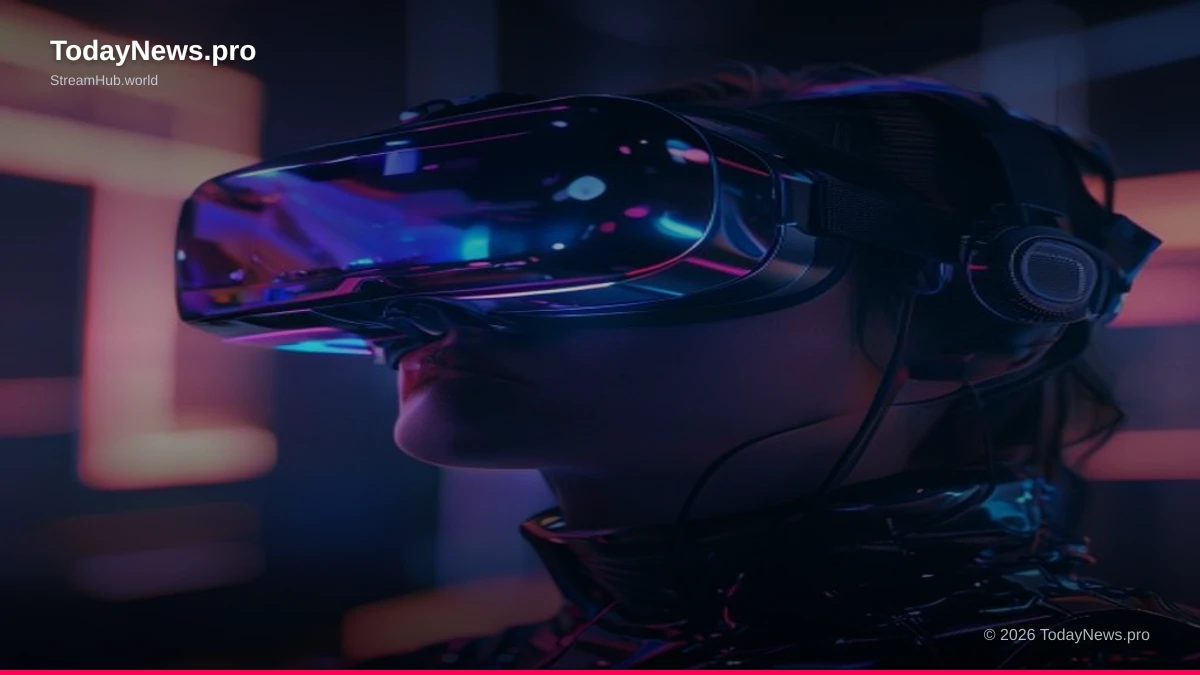
The Dawn of the Sensory Internet: Beyond Sight and Sound
By 2030, the virtual and augmented realities we interact with will be far more immersive than today's visual and auditory experiences. A significant leap will be the widespread integration of haptic feedback and olfactory technologies, creating a "sensory internet" where users can not only see and hear digital content but also feel and smell it. This evolution promises to redefine entertainment, education, remote work, and even therapeutic applications, moving beyond passive consumption to active, multi-sensory engagement. The global market for immersive technologies, projected to reach hundreds of billions of dollars by the end of the decade, is a testament to this transformative potential.
The Dawn of the Sensory Internet: Beyond Sight and Sound
The current iteration of virtual and augmented reality, while impressive, largely engages our senses of sight and sound. This limited sensory input creates a disconnect between the user and the digital environment, hindering true immersion. The next frontier in immersive technology is the integration of haptic feedback – the sense of touch – and olfactory technology – the sense of smell. These advancements are poised to transform digital interactions from a primarily visual and auditory experience into a fully multi-sensory one. By 2030, the ability to feel the texture of a virtual object or smell a digital environment will not be a novelty but a standard feature in advanced immersive systems.
This paradigm shift is driven by a confluence of factors: rapid advancements in materials science, miniaturization of electronic components, sophisticated AI algorithms for simulating complex sensory inputs, and a growing consumer demand for richer, more engaging digital experiences. The development of the "sensory internet" signifies a move from simply observing digital content to actively participating in it, blurring the lines between the physical and virtual worlds in unprecedented ways.
Haptic Feedback: Feeling the Digital World
Haptic feedback, the technology that replicates the sense of touch, is a critical component of the sensory internet. It encompasses a wide range of tactile sensations, from vibrations and pressure to temperature and texture. In virtual and augmented reality, haptics allows users to feel the impact of a virtual object, the resistance of a digital button, or the texture of a virtual surface. This not only enhances realism but also provides crucial proprioceptive feedback, improving user interaction and control within digital environments.
Types of Haptic Feedback
Current haptic technologies can be broadly categorized into several types, each with its own applications and potential for the sensory internet. These include:
- Vibratory Haptics: The most common form, using eccentric rotating mass motors or linear resonant actuators to create vibrations. This is widely used in smartphones and game controllers.
- Force Feedback: This technology applies forces to the user's body, simulating resistance or weight. It's crucial for applications requiring manipulation of virtual objects, like robotic surgery simulators or industrial design tools.
- Tactile Haptics: Focuses on simulating surface textures and fine details. This is achieved through technologies like ultrasonic waves, electrostatics, or microfluidics.
- Thermal Haptics: Simulates temperature variations, allowing users to feel the warmth of a virtual fire or the coolness of a digital ice block.
By 2030, the sophistication of these systems will increase dramatically. Expect to see integrated haptic suits, gloves, and even full-body exoskeletons that provide nuanced and localized tactile sensations. The goal is to create a seamless blend of physical and digital touch, making virtual interactions indistinguishable from real-world ones in terms of tactile perception.
Haptic Applications in VR/AR
The applications of advanced haptic feedback in VR and AR are vast and transformative. In gaming and entertainment, players will be able to feel the recoil of a weapon, the texture of a character's clothing, or the impact of a fall. For education and training, surgeons can practice complex procedures with realistic tactile feedback, pilots can feel the controls of an aircraft, and mechanics can work on virtual engines with a true sense of touch. In social VR, users might feel a virtual handshake or a comforting pat on the shoulder, adding a new dimension of connection to remote interactions. Even in e-commerce, consumers could virtually "feel" the fabric of clothing before purchasing it. This sensory richness will drive deeper engagement and a greater sense of presence.
| Haptic Technology | Primary Sensation Simulated | Potential VR/AR Application by 2030 |
|---|---|---|
| Vibratory Actuators | Routines, Shocks | Enhanced gaming feedback, alerts in AR glasses |
| Force Feedback Systems | Resistance, Weight, Inertia | Robotic surgery training, virtual object manipulation, industrial design |
| Tactile Actuators (Ultrasound, Electrostatics) | Texture, Surface Detail, Pressure | Virtual clothing try-on, architectural walkthroughs, prosthetic limb feel |
| Thermoelectric Coolers/Heaters | Temperature (Hot/Cold) | Simulating environments (e.g., feeling the heat of a desert), culinary experiences |
The Science Behind the Touch
The development of sophisticated haptic feedback relies on a deep understanding of human somatosensation – how our bodies perceive touch. Researchers are meticulously mapping the neural pathways and receptors responsible for detecting pressure, vibration, temperature, and texture. This knowledge is then translated into engineering principles to create actuators that can effectively stimulate these receptors.
Neuromorphic Engineering and AI
A key area of innovation lies in neuromorphic engineering, which seeks to mimic the structure and function of the human brain and nervous system. By developing chips that can process sensory information in a manner similar to biological neurons, researchers are creating more responsive and efficient haptic systems. Artificial intelligence plays a crucial role in interpreting complex real-world physics and translating them into the appropriate haptic signals. AI algorithms can learn to predict how different materials will feel and how interactions will translate into tactile sensations, allowing for dynamic and adaptive haptic experiences. For instance, an AI could dynamically adjust the resistance of a virtual object based on its simulated material properties and the user's interaction speed.
Materials Science Innovations
Breakthroughs in materials science are also fundamental to the advancement of haptic technology. Researchers are developing novel materials that can change their shape, stiffness, or temperature in response to electrical or thermal stimuli. This includes piezoelectric materials that deform when voltage is applied, shape-memory alloys, and advanced polymers capable of intricate movements. The development of flexible, stretchable electronics and advanced conductive inks is enabling the creation of wearable haptic devices, such as gloves and suits, that can conform comfortably to the human body while delivering precise tactile feedback. These materials are essential for creating lightweight, unobtrusive, and highly responsive haptic interfaces.
Olfactory Technology: Smelling the Future
While haptics focuses on touch, olfactory technology aims to replicate the sense of smell, adding another profound layer of immersion to digital experiences. The ability to smell the scent of a forest in a virtual nature walk, the aroma of food in a cooking simulator, or even the distinct odor of a historical period can significantly enhance realism and emotional connection.
The Challenge of Smell Replication
Replicating smell is significantly more complex than replicating touch. The human olfactory system can distinguish thousands of distinct odors, each composed of a unique blend of volatile organic compounds. Creating devices that can precisely mix and release these compounds in real-time, while also dissipating them quickly to allow for new scents, presents immense engineering challenges. Current approaches involve digital scent synthesizers that use a library of basic scent cartridges and a system to mix and dispense them. Others explore advanced methods like controlled evaporation of fragrant liquids or the use of aerosols.
Current State and Future Potential
The field of digital olfaction is still in its nascent stages compared to haptics. Early prototypes and commercial products offer limited scent palettes and often struggle with scent diffusion and persistence. However, rapid progress is being made. By 2030, we can expect to see more sophisticated scent synthesizers integrated into VR headsets and AR devices. These systems will likely employ advanced AI to dynamically generate and control scent profiles, allowing for more nuanced and responsive olfactory experiences. Imagine smelling the salt spray of the ocean while exploring a virtual coastline or experiencing the complex aroma of a bustling marketplace.
The potential applications extend beyond entertainment. In healthcare, olfactory cues could be used in therapy for patients with anosmia (loss of smell) or in creating more realistic therapeutic environments for managing anxiety or PTSD. In education, students could smell historical events or biological specimens, making learning more engaging and memorable. Even in remote collaboration, subtle olfactory cues could convey information or enhance the feeling of presence.
The Convergence: Haptics and Odors in Immersive Experiences
The true power of the sensory internet lies in the seamless convergence of haptic and olfactory technologies. When users can feel the texture of a virtual flower and simultaneously smell its fragrance, the level of immersion skyrockets. This multi-sensory integration creates a holistic experience that engages multiple biological systems, leading to a more profound sense of presence and realism.
Synergistic Sensory Design
Creating these synergistic experiences requires a new discipline of "sensory design." Designers and developers will need to understand how different sensory inputs interact and complement each other. For example, a virtual campfire might not only emit warmth (thermal haptics) and the smell of burning wood (olfactory tech) but also the subtle crackling sound and the visual flicker. The combination of these elements will create a far more convincing and memorable experience than any single sensory input could achieve on its own.
Examples of Convergent Experiences
Consider a virtual cooking experience where you can feel the texture of ingredients as you chop them, smell the aroma of spices as they sauté, and feel the heat of the virtual stove. Or a virtual museum tour where you can touch a replica of an ancient artifact and smell the scent of aged parchment or historical materials. In immersive gaming, imagine feeling the chilling wind of a virtual blizzard while smelling the crisp, cold air, or feeling the impact of a virtual swordfight while smelling the metallic tang of blood and sweat. These are the kinds of rich, multi-sensory experiences that will define the sensory internet by 2030.
Market Projections and Key Players
The market for immersive technologies, including VR and AR, is on a steep upward trajectory. The addition of haptic and olfactory capabilities will further accelerate this growth, creating new sub-markets and driving investment. Analysts predict significant market expansion, driven by both consumer demand and enterprise adoption.
Market Growth and Investment
By 2030, the global market for immersive technologies is expected to surpass $500 billion, with haptics and olfaction becoming increasingly significant segments. Early adopters in gaming, entertainment, and professional training are already driving demand. Venture capital funding has seen a surge in companies specializing in advanced haptic devices, scent synthesis, and integrated sensory platforms. Major tech giants like Meta, Apple, Sony, and Microsoft are heavily investing in research and development, recognizing the strategic importance of multi-sensory immersion for the future of their platforms.
Key Players and Emerging Technologies
Several companies are at the forefront of developing these technologies. In haptics, companies like HaptX, SenseGlove, and Ultraleap are pushing the boundaries of tactile feedback and gesture control. For olfactory technology, startups like Feelreal, OVR Technology, and Aromajoin are pioneering digital scent synthesis. The competition is fierce, driving innovation and leading to more sophisticated and affordable solutions. Partnerships between hardware manufacturers, software developers, and content creators will be crucial in bringing these integrated sensory experiences to the mainstream.
The development ecosystem is expanding rapidly, with open-source initiatives and developer kits becoming more accessible. This will empower a wider range of creators to experiment with and integrate haptic and olfactory elements into their applications, fostering a rich and diverse landscape of sensory-rich digital content. The trajectory suggests that by the end of the decade, these technologies will transition from niche applications to mainstream features.
Challenges and Ethical Considerations
Despite the immense potential, the path to a fully realized sensory internet is not without its challenges and ethical considerations. Technical hurdles, cost, and potential societal impacts need careful examination.
Technical and Practical Hurdles
One of the primary technical challenges is the miniaturization and power efficiency of haptic and olfactory devices. For widespread adoption, especially in portable AR glasses, these components need to be small, lightweight, and energy-efficient. The cost of sophisticated haptic suits and accurate scent synthesizers remains prohibitive for mass-market consumer adoption, though this is expected to decrease with scale. Furthermore, ensuring the safety and hygiene of olfactory devices, particularly those involving direct contact or airborne particles, is paramount. The complexity of accurately simulating the vast array of human-perceived smells also presents a significant scientific and engineering challenge.
From a user experience perspective, achieving sensory synchronization – ensuring that tactile and olfactory cues align perfectly with visual and auditory stimuli – is critical. Mismatched sensory information can lead to discomfort, motion sickness, and a break in immersion. Developing standardized protocols and robust calibration methods will be essential.
Ethical Implications and User Safety
As immersive experiences become more realistic, ethical questions arise. The potential for addiction to hyper-realistic virtual environments could increase. Concerns about data privacy are also amplified; for instance, what data is collected about a user's physical reactions and sensory preferences? There's also the risk of sensory manipulation, where users could be exposed to stimuli designed to influence their emotions or decisions without their full awareness. Ensuring user consent, transparency, and control over sensory experiences will be vital. The long-term psychological effects of prolonged immersion in highly realistic, multi-sensory digital worlds also warrant careful study. The ethical development and deployment of these technologies will be as important as their technical advancement.
The Road Ahead: A Sensory Revolution by 2030
The journey towards the sensory internet is well underway, with tangible progress being made across haptics and olfaction. By 2030, these technologies are no longer theoretical concepts but integral components of advanced immersive systems, fundamentally altering how we interact with digital content and each other.
Integration and Mainstreaming
The next few years will see a continued refinement of existing technologies and the emergence of more integrated, user-friendly devices. We can anticipate mainstream VR/AR headsets incorporating advanced haptic feedback directly into controllers and headbands, while standalone olfactory modules will become more compact and affordable. The development of open standards and robust software platforms will facilitate the creation and sharing of multi-sensory content. The focus will shift from novelty to utility, with applications spanning education, healthcare, remote work, and enhanced social connectivity.
The convergence of these sensory technologies will unlock experiences that are currently unimaginable. From feeling the texture of a piece of art in a virtual gallery to smelling the exotic spices in a simulated culinary adventure, the possibilities are boundless. The sensory internet promises to make our digital lives richer, more engaging, and more human-like, bridging the gap between the physical and virtual worlds in profound and meaningful ways. The revolution is not just coming; it's already beginning to unfold.
For further reading on immersive technologies, you can explore resources from Reuters Technology, or delve into the foundational concepts of human senses on Wikipedia's Human Senses page.