

 David Chen
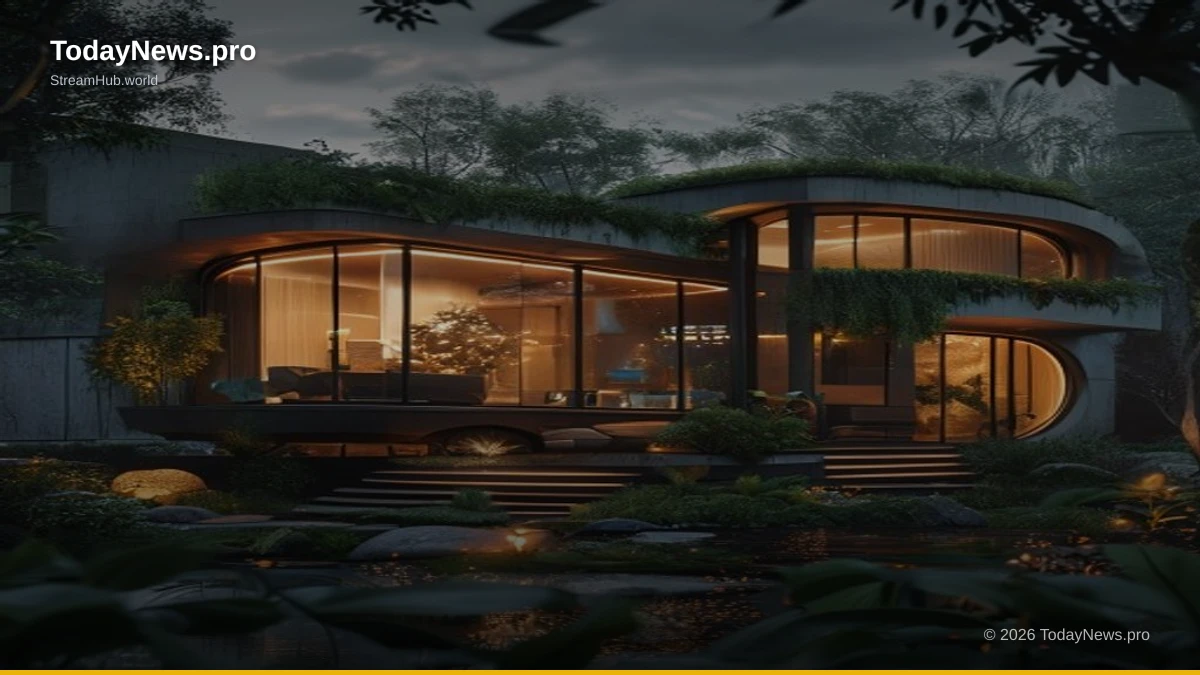
⏱ 18 min
By 2030, the average new home in developed nations will generate at least 75% of its annual energy needs, a significant leap from today's less than 20% for many.
The Imperative Shift: Why 2030 Demands a Sustainable Home
The urgency for sustainable housing has never been more pronounced. Climate change, resource depletion, and escalating energy costs are no longer distant threats but present realities shaping our built environment. The residential sector, a significant contributor to global greenhouse gas emissions and resource consumption, is at a critical juncture. By 2030, the vision of a sustainable home is not merely an aspirational ideal for a niche market; it is rapidly becoming a necessity, driven by regulatory mandates, consumer demand, and technological advancements. This evolution is characterized by the seamless integration of smart technology, a fundamental embrace of circular design principles, and a profound shift towards genuinely eco-conscious living. The homes of the near future will not just be shelters; they will be active participants in a healthier planet, contributing positively to their environment and enhancing the well-being of their occupants."The transition to sustainable homes by 2030 is not a luxury, it's a fundamental requirement for a resilient future. We are moving from a linear 'take-make-dispose' model to a regenerative approach where buildings actively contribute to ecological balance."— Dr. Anya Sharma, Lead Researcher, Global Institute for Sustainable Architecture
The driving forces behind this transformation are multifaceted. Governments worldwide are implementing stricter building codes and offering incentives for green construction, pushing developers to adopt more sustainable practices. Simultaneously, a growing awareness among homeowners regarding the environmental impact of their living spaces, coupled with a desire for lower utility bills and healthier indoor environments, is fueling demand for eco-friendly residences. Technology, once a barrier, is now a powerful enabler, offering sophisticated solutions for energy management, resource optimization, and enhanced comfort. The convergence of these factors is creating an unprecedented momentum towards a new paradigm in residential construction and living.
Navigating the Regulatory Landscape
Policy plays a pivotal role in accelerating the adoption of sustainable housing. International agreements and national targets for carbon reduction directly influence building regulations. For instance, the European Union's "Energy Performance of Buildings Directive" is continually being updated to mandate increasingly stringent energy efficiency standards, pushing the market towards near-zero energy buildings. In the United States, state-level initiatives like California's Title 24 building energy efficiency standards are setting benchmarks that are gradually being adopted elsewhere. These regulations are not just about reducing energy consumption; they often encompass aspects of water efficiency, material sourcing, and indoor air quality, creating a holistic approach to sustainability.The Consumer Mandate for Green Living
Consumer expectations are evolving rapidly. Younger generations, in particular, are showing a strong preference for homes that align with their values. They seek not only aesthetic appeal and functionality but also a demonstrable commitment to environmental responsibility. This includes understanding the embodied energy of materials, the operational carbon footprint of the building, and the overall impact on local ecosystems. Beyond environmental concerns, many consumers are also recognizing the long-term financial benefits of sustainable homes, such as significantly reduced utility costs, increased property value, and improved occupant health due to better air quality and natural light.Intelligent Living: The Rise of Smart Home Ecosystems
The sustainable home of 2030 is intrinsically linked to advanced smart home technology, forming an intelligent ecosystem that optimizes resource usage and enhances occupant comfort. These systems go far beyond basic automation, employing artificial intelligence and machine learning to predict and adapt to environmental conditions and user behavior. The goal is not just convenience but a proactive approach to minimizing environmental impact. At the core of this intelligent ecosystem is a sophisticated network of sensors and interconnected devices. These sensors monitor everything from indoor air quality, temperature, and humidity to occupancy levels and external weather patterns. The data collected is then analyzed by a central hub or cloud-based AI, which makes real-time adjustments to heating, ventilation, air conditioning (HVAC), lighting, and appliance usage. This dynamic optimization ensures that energy is only consumed when and where it is needed, significantly reducing waste.Predictive Energy Management
Smart home systems in 2030 will feature advanced predictive capabilities. By analyzing historical usage patterns, weather forecasts, and even real-time grid energy prices, these systems can anticipate energy needs and optimize consumption. For example, a smart thermostat might pre-cool or pre-heat the house during off-peak hours when electricity is cheaper and cleaner, and then maintain that temperature efficiently throughout the day. This predictive management not only reduces energy bills but also supports grid stability by shifting demand away from peak times.Automated Resource Optimization
Beyond energy, smart technology will extend to water management. Intelligent irrigation systems will use soil moisture sensors and weather data to water gardens only when necessary. Smart faucets and showerheads can monitor and limit water flow, while leak detection systems will alert homeowners to potential issues, preventing significant water wastage. Appliance integration will also play a crucial role, with smart refrigerators, for instance, suggesting recipes based on available ingredients to minimize food waste.90%
Reduction in energy waste through smart optimization
70%
Increase in water conservation with smart systems
50%
Faster response time for home maintenance issues
Seamless User Interface and Control
The interface for interacting with these intelligent homes will become increasingly intuitive and personalized. Voice commands, gesture recognition, and even passive environmental sensing will allow occupants to control their homes without direct interaction. Mobile applications will provide comprehensive dashboards, offering insights into energy consumption, water usage, and indoor environmental quality, empowering homeowners with data to make informed decisions about their lifestyle. The focus will be on creating a harmonious living experience where technology works silently in the background to support sustainable practices.Circular by Design: Building with Longevity and Adaptability in Mind
The concept of "circular design" is a cornerstone of the sustainable home of 2030. This approach rethinks the entire lifecycle of a building, from its construction and use to its eventual deconstruction. Instead of a linear model of "take-make-dispose," circular design prioritizes resource efficiency, durability, adaptability, and the eventual reuse or recycling of materials. At its heart, circular design aims to minimize waste and maximize the value of materials and products over time. This means designing buildings that can be easily reconfigured, repaired, and upgraded, extending their lifespan significantly. It also involves selecting materials that are either renewable, recycled, or can be easily disassembled and repurposed at the end of the building's life.Designing for Disassembly and Adaptability
Homes designed for disassembly (DfD) are constructed using modular components and mechanical fastenings rather than permanent adhesives. This allows for easier repair, replacement, and eventual deconstruction, where materials can be recovered and reused with minimal degradation. Adaptability refers to the ability of a building to be easily modified to meet changing needs over time. This could involve flexible interior layouts that can be reconfigured to accommodate growing families or changing work-from-home requirements, or designing with the potential for future additions or modifications.Material Reuse Potential in Circular Homes (Projected 2030)
Modular Construction and Prefabrication
Modular construction, where sections of a home are built off-site in a factory and then assembled on-site, is a key enabler of circular design. This method offers greater precision, reduces construction waste, and allows for easier disassembly and relocation if needed. Prefabrication of components like wall panels, bathroom pods, and even entire room modules further streamlines the process, ensuring consistent quality and efficient use of resources."The future of housing lies in systems thinking. We need to design buildings not as static objects, but as dynamic systems that can evolve, be repaired, and ultimately, give back to the environment at the end of their useful life. Circularity is no longer an optional add-on; it's the fundamental design philosophy."— Liam Chen, Principal, EcoBuild Solutions
The Role of Digital Twins
Digital twins – virtual replicas of physical assets – will play an increasingly important role in circular design. A digital twin of a home can store detailed information about every material used, its source, its performance characteristics, and its potential for reuse or recycling. This digital passport allows for informed decisions throughout the building's lifecycle, facilitating maintenance, upgrades, and end-of-life material recovery.Energy Independence: Powering the Sustainable Home
Achieving energy independence is a paramount goal for the sustainable home of 2030. This involves not only minimizing energy consumption through efficient design and smart technology but also generating a significant portion of its energy needs on-site, often through renewable sources. The aim is to create homes that are net-zero or even net-positive in terms of energy production. The foundation of energy independence lies in drastically reducing energy demand. This is achieved through passive design strategies such as optimal building orientation, high-performance insulation, triple-glazed windows, and airtight construction. These measures minimize the need for artificial heating and cooling, which are typically the largest energy consumers in a home.On-Site Renewable Energy Generation
Solar photovoltaic (PV) panels are the most common and increasingly efficient means of generating electricity for residential use. By 2030, integrated solar solutions will be standard, seamlessly incorporated into roofing materials, façade elements, and even windows. Beyond solar, other renewable energy sources like small-scale wind turbines (where feasible) and geothermal heat pumps will contribute to on-site power generation and heating/cooling.| Energy Source | Typical Contribution (%) | Notes |
|---|---|---|
| Solar Photovoltaics (PV) | 65% | Integrated into roofing and facades |
| Geothermal Heat Pumps | 20% | For heating and cooling |
| Small Wind Turbines | 5% | Site-dependent |
| Waste Heat Recovery | 10% | From appliances and ventilation |
Advanced Energy Storage Solutions
The intermittency of renewable energy sources necessitates robust energy storage solutions. By 2030, battery storage systems will be a standard feature in sustainable homes. These batteries, charged by on-site renewables, will store excess energy generated during peak production times for use when demand is high or generation is low. This allows homes to operate independently from the grid for extended periods and provides backup power during outages. Advancements in battery technology are leading to higher energy density, longer lifespans, and more affordable solutions.For more on the future of energy storage, see Reuters: Batteries powering future homes with advanced technologies.
Smart Grid Integration and Demand Response
While striving for independence, the sustainable home of 2030 will also be intelligently connected to the smart grid. This bidirectional relationship allows homes to not only draw power when needed but also feed excess generated energy back into the grid. Demand response programs will enable homeowners to participate in managing overall grid load, further enhancing grid stability and potentially generating revenue through energy sales. Smart systems will automatically adjust energy consumption based on grid signals and real-time pricing, optimizing both cost savings and environmental impact.Water Wisdom: Conserving and Reusing Every Drop
Water scarcity is a growing global concern, making water conservation and efficient management a critical aspect of sustainable home design. The homes of 2030 will employ a multi-pronged approach to water wisdom, focusing on reducing consumption, harvesting rainwater, and treating and reusing greywater and blackwater. The first line of defense against water scarcity is minimizing potable water usage. This is achieved through the specification of low-flow fixtures, such as ultra-low-flush toilets, water-efficient showerheads, and aerated faucets. Smart irrigation systems for landscaping, which use soil moisture sensors and weather data, will ensure that outdoor watering is only done when absolutely necessary and only the amount required.Rainwater Harvesting Systems
Collecting and utilizing rainwater is a key strategy for reducing reliance on municipal water supplies. By 2030, integrated rainwater harvesting systems will be common. These systems typically involve collecting rainfall from rooftops via gutters and downspouts, filtering it, and storing it in underground or above-ground cisterns. The collected water can then be used for a variety of non-potable purposes, such as flushing toilets, irrigating gardens, and washing cars, significantly reducing the demand for treated potable water.50,000
Liters of water saved annually per household with comprehensive systems
30%
Reduction in municipal water bills
Greywater and Blackwater Recycling
Greywater, which is wastewater from showers, sinks, and washing machines, can be treated and reused for non-potable applications like toilet flushing and irrigation. More advanced systems will incorporate blackwater recycling, treating wastewater from toilets and kitchen sinks to a high standard, making it suitable for a wider range of uses, including potentially even for potable purposes after rigorous purification. This closed-loop water management significantly reduces the overall water footprint of a household.Learn more about water conservation strategies at Wikipedia: Water conservation.
Smart Monitoring and Leak Detection
Intelligent water management systems will also include advanced monitoring and leak detection capabilities. Sensors embedded within the plumbing system can track water flow in real-time, identify anomalies, and alert homeowners to potential leaks before they become major problems, preventing significant water wastage and potential damage to the property. These systems provide detailed reports on water usage, empowering occupants to understand their consumption patterns and make adjustments.Material Innovations: From Recycled to Regenerative
The building materials used in the sustainable home of 2030 will be a testament to innovation, moving away from resource-intensive and environmentally damaging options towards recycled, renewable, and regenerative materials. The focus will be on reducing embodied carbon, minimizing waste, and improving indoor air quality. Embodied carbon refers to the greenhouse gas emissions associated with the extraction, manufacturing, transportation, and construction of building materials. By choosing materials with low embodied carbon, the overall environmental impact of a building can be significantly reduced, even before it is occupied.Recycled and Upcycled Materials
The use of recycled materials will be widespread. This includes recycled steel, aluminum, and copper, as well as recycled plastics for insulation and decorative elements. Upcycled materials, which are waste materials transformed into new products of higher quality or value, will also find their way into homes, from furniture made from reclaimed wood to countertops crafted from recycled glass. The circular economy principle is heavily embedded in material selection.Bio-Based and Renewable Resources
There will be a significant increase in the use of bio-based and renewable materials. This includes sustainably sourced timber, bamboo, cork, and straw bales for construction. These materials are not only renewable but also often have excellent insulating properties and can sequester carbon during their growth. Innovations in bio-composites and mycelium-based materials are also emerging, offering sustainable alternatives for insulation, panels, and even structural components.Projected Shift in Building Material Use (2020 vs. 2030)
Healthy Indoor Environments
Material selection will also prioritize occupant health. This means avoiding materials that off-gas volatile organic compounds (VOCs) and other harmful chemicals. Low-VOC paints, natural fiber insulation, and untreated wood finishes will become standard. Furthermore, materials that naturally improve indoor air quality, such as certain types of plaster or bio-based air purifiers, will gain prominence. The concept of the "healthy home" is inseparable from the materials it is built with.The Human Element: Eco-Conscious Living and Community Integration
Beyond the technological marvels and innovative materials, the sustainable home of 2030 is fundamentally about fostering an eco-conscious lifestyle and integrating seamlessly with its surrounding community. Technology and design are enablers, but it is the occupants and their relationship with their home and environment that truly define its sustainability. The shift towards eco-conscious living involves a deeper understanding of resource consumption and a conscious effort to reduce one's environmental footprint. This includes everything from mindful energy and water usage to responsible waste management and conscious purchasing decisions. The sustainable home will actively encourage and support these behaviors.Behavioral Nudging and Education
Smart home systems will evolve to include "behavioral nudging" features. These might involve subtle prompts or visual cues that encourage more sustainable actions, such as highlighting when energy usage is higher than optimal or suggesting more efficient ways to use appliances. Educational resources integrated into the home's interface will empower occupants with knowledge about their environmental impact and how to make positive changes.Waste Management and Composting
Advanced waste management systems will be integrated into the design of sustainable homes. This will include sophisticated sorting systems for recyclables and compostable materials. Built-in composting units, both for organic kitchen waste and potentially for other biodegradable materials, will become more common, turning waste into valuable fertilizer for home gardens or community projects."The truly sustainable home is one that not only minimizes its negative impact but actively contributes to the well-being of its inhabitants and its community. This requires a synergy between smart technology, thoughtful design, and a commitment to mindful living."— Maria Garcia, Urban Sustainability Planner
Community Connectivity and Shared Resources
The sustainable home of 2030 will not exist in isolation but will be part of a connected community. This could involve shared renewable energy microgrids, community gardens, or shared access to tools and resources, reducing the need for individual ownership of infrequently used items. Smart community platforms can facilitate the sharing of resources, coordinate local initiatives, and foster a sense of collective responsibility for environmental stewardship. The home becomes a node in a larger, more sustainable network.The principles of sustainable urban development are crucial for understanding the broader context of community integration. Learn more at Wikipedia: Sustainable urban development.
What is the biggest challenge in achieving sustainable homes by 2030?
The biggest challenge is likely the upfront cost of implementing advanced sustainable technologies and materials, although this is decreasing rapidly. Overcoming inertia in the construction industry and ensuring widespread consumer adoption also present significant hurdles.
Will sustainable homes be more expensive to buy?
Initially, sustainable homes might have a higher purchase price due to the cost of advanced materials and technologies. However, they offer substantial long-term savings through reduced energy and water bills, lower maintenance costs, and potentially higher resale value, making them more cost-effective over their lifecycle.
How will smart technology in sustainable homes impact privacy?
Privacy is a critical consideration. Reputable smart home systems will employ robust cybersecurity measures and transparent data usage policies. Users will have control over their data, and manufacturers are increasingly prioritizing user privacy in their design and operational frameworks.
What role does insulation play in a sustainable home?
Insulation is fundamental to energy efficiency. High-performance insulation significantly reduces heat loss in winter and heat gain in summer, minimizing the need for heating and cooling systems. This directly lowers energy consumption and carbon emissions, making it a vital component of any sustainable home.