

 Robert Stark
⏱ 15 min
By 2030, the global spatial computing market is projected to reach a staggering $356.31 billion, up from an estimated $36.7 billion in 2023, signaling a profound shift in how we interact with digital information and the physical world. This isn't merely an upgrade to our current technology; it's the dawn of a new era. The Imminent Arrival: Defining Spatial Computing
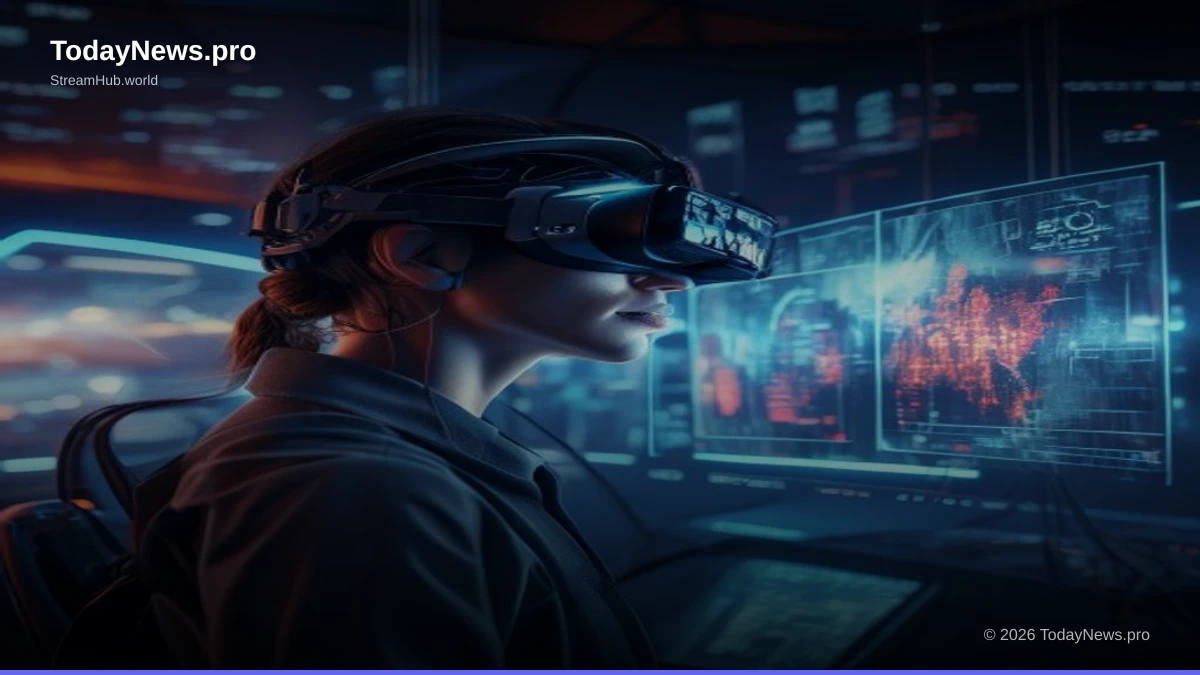
Spatial computing, often interchangeably used with terms like extended reality (XR), augmented reality (AR), and virtual reality (VR), represents a fundamental paradigm shift from flat, 2D interfaces to immersive, 3D environments. It's about blending the digital and physical worlds, allowing us to interact with data, applications, and each other in ways previously confined to science fiction. Unlike traditional computing, which relies on screens and keyboards, spatial computing leverages sensors, spatial mapping, and advanced rendering to create interactive experiences that feel native to our surroundings. Think of it as moving from a window into a digital world to stepping *into* that world, or bringing digital elements seamlessly into our own. This technology aims to make digital interactions as intuitive and natural as interacting with physical objects. The core promise is the ability to overlay digital information onto our physical reality (AR) or to completely immerse ourselves in a digitally constructed environment (VR), with mixed reality (MR) bridging the gap by allowing for dynamic interaction between real and virtual objects. The ultimate goal is a unified computing experience that transcends the limitations of current devices.The Pillars of Spatial Computing
At its heart, spatial computing rests on several key technological pillars. Firstly, **advanced sensing and tracking** are crucial. Devices need to understand their environment in real-time, mapping surfaces, identifying objects, and tracking user movements with high precision. This is achieved through a combination of cameras, LiDAR sensors, accelerometers, and gyroscopes. Secondly, **powerful processing and rendering capabilities** are essential to create believable and responsive 3D environments. This involves sophisticated graphics engines and AI algorithms to render complex visuals and simulate physics. Thirdly, **intuitive input and interaction methods** are paramount. Gone are the days of purely mouse and keyboard; spatial computing relies on hand tracking, eye tracking, voice commands, and gestural interfaces to allow for natural and fluid control. Finally, the development of **robust software platforms and content ecosystems** will be critical for widespread adoption, ensuring a rich and diverse range of applications and experiences. The seamless integration of these elements creates the foundation for a truly spatial computing experience.AR vs. VR vs. MR: A Spectrum of Immersion
While often grouped together, AR, VR, and MR offer distinct levels of immersion and interaction. Augmented Reality (AR) overlays digital information onto the real world, enhancing our perception without fully replacing it. Think of navigation apps projecting directions onto your windshield or furniture placement tools that let you visualize items in your room. Virtual Reality (VR), on the other hand, completely immerses users in a digital environment, shutting out the real world. This is ideal for gaming, training simulations, and virtual tourism. Mixed Reality (MR) exists in the middle, allowing digital objects to interact with the real world in a more sophisticated way. For instance, a virtual character could hide behind a real piece of furniture. The future likely involves a continuum, with devices capable of seamlessly transitioning between these modes, offering unparalleled flexibility.Beyond the Screen: How Spatial Computing Will Transform Industries
The impact of spatial computing will be felt across virtually every sector, fundamentally altering how businesses operate and how individuals work, learn, and play. The transition from 2D interfaces to 3D, interactive environments promises unprecedented gains in efficiency, collaboration, and user engagement. This isn't just about novelty; it's about solving real-world problems and unlocking new possibilities.Manufacturing and Design: The Digital Twin Revolution
In manufacturing, spatial computing is poised to revolutionize product design, prototyping, and factory operations. Engineers can create and manipulate complex 3D models of products in a shared virtual space, iterating designs faster and with greater accuracy. The concept of the "digital twin" – a virtual replica of a physical asset – will become increasingly prevalent. These digital twins, powered by real-time data from sensors, will allow for predictive maintenance, remote monitoring, and optimized performance. Imagine an engineer in one country remotely diagnosing a fault in a robot on a factory floor in another, seeing its exact digital counterpart overlaid with diagnostic data. This significantly reduces downtime and operational costs. Furthermore, training for complex machinery can be conducted safely and effectively in VR, minimizing risk and maximizing hands-on experience without the need for physical equipment.Healthcare: Enhanced Diagnostics and Surgical Precision
The medical field stands to benefit immensely from spatial computing. Surgeons can use AR to overlay patient scans, such as CT or MRI data, directly onto their field of vision during surgery, providing real-time anatomical guidance and improving precision. This can lead to less invasive procedures and faster recovery times. Medical students can learn anatomy through interactive 3D models in VR, offering a level of engagement far beyond textbooks. Furthermore, AR can be used for remote diagnostics and tele-medicine, allowing specialists to guide local practitioners through complex examinations or procedures from afar. Patients could also benefit from VR-powered pain management and physical therapy, offering immersive distractions and engaging rehabilitation exercises. The potential for AR in visualizing patient data and surgical plans in 3D is a game-changer.Retail and E-commerce: Immersive Shopping Experiences
The online shopping experience is set for a radical overhaul. Spatial computing will allow consumers to virtually "try on" clothes, visualize furniture in their homes, or even walk through virtual showrooms before making a purchase. This can significantly reduce return rates and increase customer satisfaction. AR applications can provide detailed product information, reviews, and comparisons simply by pointing a device at an item. For brick-and-mortar stores, AR can enhance the in-store experience with interactive product displays, personalized recommendations, and gamified shopping journeys. Imagine a customer using their AR glasses to see customer reviews and ingredient lists appear next to a product on a shelf. This blended approach bridges the gap between the convenience of online shopping and the tactile experience of physical retail.Education and Training: Learning by Doing, Anywhere
Spatial computing offers a transformative approach to education and training. Instead of passively reading about historical events, students can virtually step back in time and witness them. Complex scientific concepts, like molecular structures or planetary orbits, can be explored in interactive 3D. Vocational training can be conducted in realistic simulations, allowing individuals to gain practical skills in safe, controlled environments. This "learning by doing" approach fosters deeper understanding and retention. For remote learning, VR and AR can create shared virtual classrooms, enabling students and educators to interact and collaborate as if they were physically present, regardless of their geographical location. The potential for immersive field trips and hands-on experimentation is immense.85%
of consumers interested in trying AR for shopping
40%
reduction in training time with VR simulations
2035
projected year for AR/VR to be as common as smartphones
The User Experience Revolution: Immersion, Interaction, and Intuition
The core promise of spatial computing lies in its ability to deliver user experiences that are profoundly more natural, engaging, and intuitive than those offered by current digital interfaces. Moving beyond the constraints of screens and keyboards, spatial computing aims to make digital interactions as seamless as our interactions with the physical world. This involves a fundamental rethinking of how we input information, receive feedback, and navigate digital spaces.Intuitive Input Methods: Beyond the Keyboard
The days of rigid keyboards and imprecise mice are numbered. Spatial computing embraces a range of input methods that are inherently more human. Hand tracking allows for natural gestures to manipulate virtual objects, akin to how we interact with real-world items. Eye tracking enables devices to understand where a user is looking, facilitating selection and interaction with a mere glance. Voice commands will become even more sophisticated, allowing for complex instructions and natural language dialogue with digital assistants. Haptic feedback, through specialized gloves or controllers, will provide a sense of touch, making virtual objects feel tangible. The goal is to reduce the cognitive load associated with interacting with technology, making it feel less like operating a machine and more like an extension of our own senses and intentions.The Power of Immersion: Presence and Engagement
Perhaps the most compelling aspect of spatial computing is its capacity for deep immersion. VR, in particular, can create a profound sense of "presence" – the feeling of truly being in a different place. This is achieved through high-fidelity visuals, spatial audio, and responsive tracking that mimics natural movement. This level of immersion dramatically enhances engagement, whether for entertainment, education, or professional applications. In gaming, it allows for unprecedented realism and excitement. In training, it provides highly realistic simulations that prepare individuals for real-world scenarios with reduced risk. The emotional impact of truly experiencing a digital environment cannot be overstated, creating memorable and impactful interactions.Bridging the Gap: Seamless Integration into Daily Life
The true revolution will occur when spatial computing devices become unobtrusive and seamlessly integrated into our daily routines. While bulky headsets have been a barrier, the trend is towards lighter, more stylish eyewear that can blend in with everyday fashion. These devices will act as intelligent companions, providing contextual information and assistance without demanding constant attention. Imagine an AR overlay that quietly displays the name of a person you're meeting, or provides directions discreetly as you walk. The aim is to move from dedicated device usage to a persistent, ambient computing experience that enhances our perception and capabilities without being a distraction. This future requires not just technological advancement, but also thoughtful design that prioritizes user comfort and natural integration.Projected Growth in Spatial Computing Use Cases (by 2030)
Hardware Evolution: Lenses, Haptics, and the Quest for Ubiquity
The widespread adoption of spatial computing hinges on the evolution of its hardware. For years, bulky, expensive, and often unwieldy devices have been a significant barrier. However, rapid advancements in miniaturization, display technology, processing power, and sensor accuracy are paving the way for more accessible, comfortable, and powerful devices. The future hardware landscape promises a spectrum of form factors, from advanced headsets to sleek AR glasses.From Headsets to Glasses: The Form Factor Race
Current leading XR devices, while powerful, are still largely characterized by their headset form factor. Companies are investing heavily in making these devices lighter, more comfortable, and with wider fields of view. However, the ultimate goal for many is the development of AR glasses that are indistinguishable from regular eyewear. These glasses will need to house sophisticated displays capable of projecting high-resolution images onto the lenses without obstructing vision, powerful, yet energy-efficient processors, and an array of sensors for environmental understanding and user tracking. Achieving this level of miniaturization and integration while maintaining performance and battery life is one of the greatest challenges. The race is on to make spatial computing truly wearable and ubiquitous.The Senses of the Future: Display, Audio, and Haptics
Beyond visual displays, the sensory experience of spatial computing is expanding. **Micro-OLED and holographic display technologies** are emerging, promising sharper, brighter, and more realistic visuals. **Spatial audio** is becoming increasingly sophisticated, allowing for the precise placement of sound in a 3D environment, further enhancing immersion. The integration of **advanced haptic feedback** is crucial for creating a sense of touch. This can range from subtle vibrations in controllers to advanced haptic gloves that can simulate the texture and resistance of virtual objects. The more senses we can engage, the more believable and impactful spatial computing experiences will become.Processing Power and Battery Life: The Balancing Act
Powering these sophisticated experiences requires significant computational power. Companies are developing specialized XR processors that can handle complex rendering, AI, and sensor processing efficiently. However, this power consumption often leads to battery life limitations, a major hurdle for all-day wearable devices. Innovations in battery technology, alongside more efficient chip design and the offloading of processing to edge devices or the cloud, will be critical to overcoming this challenge. The development of truly untethered, long-lasting spatial computing devices will be a key milestone.| Component | 2023 (Estimated) | 2030 (Projected) |
|---|---|---|
| Processing Power (TFLOPS) | 0.5 - 2 | 5 - 20+ |
| Display Resolution (per eye) | 1080p - 2K | 4K - 8K |
| Field of View (degrees) | 90 - 110 | 120 - 150+ |
| Battery Life (hours) | 2 - 4 | 6 - 10+ |
| Weight (grams) | 400 - 600 | 50 - 150 |
Challenges and Ethical Frontiers: Navigating the New Reality
As spatial computing technologies mature and become more integrated into our lives, a host of technical, ethical, and societal challenges will need to be addressed. Navigating these complexities will be crucial to ensuring that this revolution benefits humanity rather than creates new divides or dangers. The responsible development and deployment of spatial computing are paramount.Privacy and Data Security: The All-Seeing Eye
Spatial computing devices, by their very nature, collect vast amounts of personal data. They map our environments, track our movements, record our interactions, and potentially even monitor our physiological responses. This raises significant privacy concerns. Who owns this data? How will it be protected from breaches and misuse? The potential for pervasive surveillance, by both corporations and governments, is a serious threat. Robust data protection regulations, transparent data handling practices, and secure encryption will be essential. Users must have control over their data and understand how it is being used. The concept of "digital footprints" will evolve into "spatial footprints," demanding new approaches to privacy.Digital Divide and Accessibility: Ensuring Inclusivity
The benefits of spatial computing must be accessible to all, not just a privileged few. The high cost of early hardware and the need for reliable internet connectivity could exacerbate the existing digital divide, creating a new class of "spatial have-nots." Ensuring affordability, developing accessible interfaces for individuals with disabilities, and providing widespread digital literacy training will be critical. Without intentional effort, spatial computing could deepen societal inequalities. Efforts must be made to democratize access to this transformative technology.The Blurring Lines of Reality: Psychological and Societal Impacts
As AR and VR become more realistic and integrated, concerns arise about the potential for psychological impacts. The blurring of lines between the physical and digital worlds could lead to issues like addiction, escapism, or difficulties distinguishing between virtual experiences and real-life events. The potential for manipulation through immersive propaganda or misinformation is also a significant concern. Furthermore, the long-term effects of prolonged immersion on social interaction, empathy, and cognitive development require careful study and consideration. Establishing ethical guidelines for content creation and user behavior will be vital."The greatest challenge for spatial computing isn't the technology itself, but our ability to govern it wisely. We are building a new layer of reality, and we must ensure it is built on principles of fairness, transparency, and human well-being."
— Dr. Anya Sharma, Leading XR Ethicist
The Economic Ripple Effect: Investment and Job Market Shifts
The rise of spatial computing is not just a technological evolution; it's a significant economic driver. Billions of dollars are being poured into research, development, and infrastructure, creating new industries and transforming existing ones. This economic surge will inevitably lead to shifts in the job market, demanding new skills and creating new career paths.Investment Boom and Startup Ecosystems
Venture capital funding for spatial computing startups has been on a steady upward trajectory, with significant investments in hardware manufacturers, software developers, and content creators. Major tech giants are dedicating substantial resources to this field, anticipating it to be the next major computing platform. This investment is fueling innovation and accelerating the development cycle. New ecosystems of developers, designers, and service providers are emerging around spatial computing, creating a dynamic and competitive landscape. The potential for economic growth is immense.The Future of Work: New Roles and Skill Demands
The transformation of industries through spatial computing will reshape the workforce. While some jobs may be automated or augmented, new roles will emerge. We will need more XR developers, 3D artists, spatial designers, ethical AI specialists, and XR content moderators. Existing professions, from architects to surgeons, will increasingly require proficiency in spatial computing tools. Upskilling and reskilling initiatives will be crucial to equip the workforce for these changes. Lifelong learning will become even more critical in this rapidly evolving technological landscape.Economic Projections and Market Growth
Analysts project a period of exponential growth for the spatial computing market. Beyond hardware sales, significant revenue will be generated from software, applications, services, and digital content. The interconnectedness of spatial computing with other emerging technologies, such as AI and the metaverse, suggests a synergistic effect that will further amplify its economic impact. Understanding these economic trends is vital for businesses and individuals alike to adapt and thrive.| Industry Sector | Estimated Market Size (USD Billion) - 2023 | Projected Market Size (USD Billion) - 2030 |
|---|---|---|
| Gaming & Entertainment | 12.5 | 75.2 |
| Industrial & Manufacturing | 7.8 | 55.1 |
| Healthcare & Life Sciences | 4.1 | 32.5 |
| Retail & E-commerce | 3.2 | 28.9 |
| Education & Training | 2.5 | 22.1 |
| Overall Spatial Computing Market | 36.7 | 356.3 |
Preparing for the Shift: Education and Societal Adaptation
The transition to a world increasingly shaped by spatial computing requires proactive adaptation from individuals, educational institutions, and society as a whole. Understanding the implications and preparing for the changes will be key to harnessing its full potential while mitigating its risks. This is not a passive technological shift; it demands active engagement and thoughtful planning.Rethinking Education for the Spatial Age
Educational systems must evolve to equip students with the skills and understanding necessary to thrive in a spatial computing-driven world. This means integrating digital literacy, computational thinking, and an understanding of AR/VR technologies into curricula from an early age. Universities will need to offer specialized programs in XR development, spatial design, and human-computer interaction in spatial environments. Furthermore, educators themselves will require training to effectively leverage these new tools for teaching and learning. The emphasis should shift from rote memorization to critical thinking, creativity, and problem-solving within immersive environments.Fostering Digital Citizenship in Virtual Worlds
As our digital lives become more immersive, the concept of digital citizenship becomes even more critical. This includes understanding ethical online behavior, respecting privacy (both personal and of others), and critically evaluating information encountered in virtual spaces. Education on combating misinformation, recognizing algorithmic biases, and engaging in constructive online dialogue will be essential. Promoting responsible use of AR/VR technologies and fostering a sense of community and shared responsibility within virtual environments are paramount.The Role of Policy and Regulation
Governments and regulatory bodies will play a crucial role in shaping the future of spatial computing. Establishing clear guidelines for data privacy, cybersecurity, intellectual property in virtual spaces, and ethical AI development will be vital. Policies that promote equitable access to technology and digital literacy will help prevent the exacerbation of social inequalities. International cooperation will be necessary to address global challenges and establish common standards for this emerging technology. Proactive and thoughtful policymaking is essential for a positive future."We are on the cusp of a new era of human-computer interaction. The challenge and the opportunity lie in guiding this revolution with foresight, ensuring that it amplifies human potential and fosters a more connected, informed, and equitable world."
— Dr. Kenji Tanaka, Chief Innovation Officer, FutureTech Labs
Will spatial computing replace smartphones?
It's unlikely to completely replace smartphones in the immediate future. Instead, spatial computing devices will likely complement them, and eventually, many smartphone functionalities could be integrated into AR glasses or other spatial computing form factors. The transition will be gradual.
What are the biggest challenges for widespread adoption?
Key challenges include the cost of hardware, battery life, the need for compelling content and applications, user comfort and ergonomics, and addressing privacy and ethical concerns.
How will spatial computing affect my job?
Many jobs will be augmented by spatial computing, leading to increased efficiency and new capabilities. New job roles focused on XR development, design, and maintenance will emerge. Upskilling and adaptability will be crucial for navigating these changes.
Is virtual reality bad for your eyes or brain?
Current research suggests that moderate use of VR is generally safe for most individuals. However, prolonged use can lead to eye strain or motion sickness in some. As technology advances, these issues are being addressed with higher refresh rates, better optics, and more refined software. Long-term psychological impacts are still being studied.