

 David Chen
⏱ 15 min
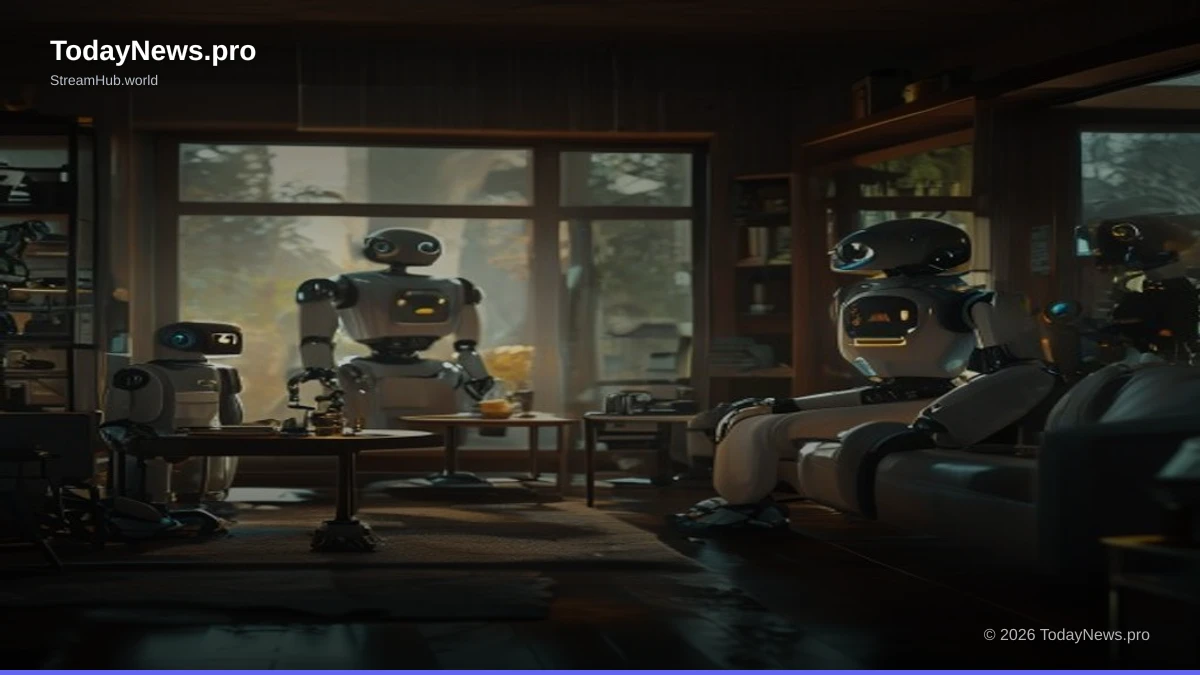
By 2030, the average household will feature at least two distinct robotic systems actively engaged in domestic tasks, according to projections from the International Federation of Robotics, a significant leap from the single-task cleaning bots prevalent today. This marks not merely an evolution in home appliances, but a fundamental reshaping of domestic life, ushering in an era where automation is not an occasional convenience but an integral part of our daily routines. The quiet hum of a robotic vacuum cleaner is poised to become the soundtrack to a much broader revolution, one that touches everything from meal preparation and elder care to home maintenance and entertainment. This unseen revolution is happening not in far-off factories or speculative laboratories, but within the walls of our own homes, subtly yet profoundly altering how we live, work, and interact with our environment. The Dawn of Domestic Automation
The initial foray of robotics into the home was largely characterized by single-purpose devices, most notably robotic vacuum cleaners. These early pioneers, like Roomba, demonstrated the practical utility of autonomous machines in performing repetitive chores. Their success paved the way for a broader acceptance of automated solutions, shifting the perception of robots from science fiction fantasy to tangible domestic aids. As processing power increased and sensor technology became more sophisticated and affordable, the scope of these devices began to expand. Early models relied on simple navigation systems, often bumping into furniture or getting stuck. However, successive generations have incorporated advanced mapping, obstacle avoidance, and even self-emptying capabilities, transforming them from novel gadgets into indispensable household tools for millions.Early Adopters and Market Penetration
The market for domestic robots has seen a steady, albeit gradual, increase in adoption rates. While initially confined to tech-savvy early adopters and affluent households, the declining cost of components and increased product variety have broadened the appeal. The convenience factor, coupled with the growing need for time-saving solutions in increasingly busy lives, has been a primary driver. Many consumers, particularly those in urban environments with smaller living spaces, found significant value in automated cleaning.The Foundation for Sophistication
The groundwork laid by these early cleaning robots is crucial. They proved that consumers were willing to integrate autonomous technology into their personal spaces. This acceptance is a vital prerequisite for the more advanced and integrated robotic systems that are now on the horizon. The data collected by these early devices, about user behavior and environmental mapping, also provided invaluable insights for manufacturers to refine their designs and functionalities.Beyond the Vacuum: Evolving Robot Capabilities
The landscape of home robotics is rapidly expanding beyond mere cleaning. By 2030, we can expect to see robots capable of a far more diverse range of tasks, moving from simple chores to more complex assistance. This evolution is driven by advancements in artificial intelligence, machine learning, computer vision, and more dexterous robotic manipulation.Kitchen Companions and Culinary Assistance
The kitchen is emerging as a key frontier for domestic robotics. Companies are developing robotic arms and integrated systems designed to assist with meal preparation. These robots can chop vegetables, stir ingredients, and even follow complex recipes, potentially reducing cooking time and increasing accessibility for those with physical limitations. Imagine a robot that can pre-chop ingredients for dinner while you're commuting home, or monitor the oven and alert you when your meal is perfectly cooked.Elder Care and Personal Assistance
One of the most significant areas of growth will be in elder care and personal assistance. Robots designed to monitor vital signs, remind individuals to take medication, assist with mobility, and provide companionship are in development. These 'carebots' could alleviate pressure on human caregivers and allow elderly individuals to maintain a greater degree of independence in their own homes for longer. The demographic shift towards an aging global population makes this area particularly critical.Home Maintenance and Security
Beyond daily chores, robots will increasingly be tasked with more complex home maintenance and security functions. This includes automated lawn mowing, window cleaning, and even basic repair tasks. Security robots, equipped with advanced sensors and AI, will be able to patrol homes, detect intrusions, and provide real-time alerts to homeowners and authorities.| Robot Type | Primary Function | Estimated Market Share by 2030 |
|---|---|---|
| Cleaning Robots | Floor cleaning, air purification | 75% |
| Kitchen Assistants | Food preparation, cooking aid | 40% |
| Elder Care Bots | Monitoring, mobility assistance, companionship | 35% |
| Security Bots | Surveillance, intrusion detection | 30% |
| Gardening Bots | Lawn care, plant maintenance | 20% |
The Economic Undercurrents of Home Robotics
The proliferation of robots in the home has significant economic implications, impacting consumer spending, job markets, and the development of new industries. While the initial investment in these technologies can be substantial, the long-term economic benefits are projected to be considerable.Consumer Spending Shifts
The robotics market is poised for explosive growth. Projections indicate a global market value reaching hundreds of billions of dollars by the end of the decade. This surge in spending will be driven by consumer demand for convenience, efficiency, and enhanced quality of life. As prices decrease and product offerings diversify, more households will allocate budgets towards robotic assistants.The Future of Domestic Labor
The rise of domestic robots inevitably raises questions about the future of human domestic labor. While some roles might be displaced, new opportunities are likely to emerge in areas such as robot maintenance, programming, and specialized installation services. The economic discussion must also consider the potential for robots to democratize access to services previously available only to those who could afford human assistance.Projected Growth in Home Robotics Market (USD Billions)
Investment and Innovation
Significant investment is flowing into robotics startups and established technology companies alike. This influx of capital is accelerating research and development, leading to faster innovation cycles and the introduction of more sophisticated and affordable products. Venture capital funding for AI and robotics has seen a steep upward trend, signaling strong investor confidence in the sector's future.$110B
Global Home Robotics Market Value (Est. 2030)
15%
Annual Market Growth Rate (Est. 2025-2030)
80%
Increase in household robot ownership by 2030
Human-Robot Coexistence: Challenges and Opportunities
The integration of robots into our homes presents a unique set of challenges and opportunities that will redefine human-robot interaction and societal norms. Understanding and addressing these dynamics is crucial for a smooth transition.The Uncanny Valley and Social Acceptance
While functional robots are becoming commonplace, the aesthetic and behavioral aspects of human-robot interaction are still being explored. The 'uncanny valley' – the point where robots appear almost, but not quite, human, eliciting feelings of unease – remains a significant hurdle for robots designed for close human interaction, particularly in caregiving roles. Designing robots that are approachable and trustworthy is paramount for widespread adoption.Redefining Household Chores and Leisure Time
With robots taking over many mundane tasks, there's a significant opportunity for humans to reclaim leisure time. This could lead to a renaissance in hobbies, education, and personal development. However, it also necessitates a societal conversation about how we structure our lives when the burden of chores is significantly reduced. The psychological impact of reduced manual labor and increased reliance on automation is an area ripe for sociological study. "The key to successful human-robot integration in the home lies not just in technical prowess, but in fostering trust and understanding. We must design robots that are not only efficient but also empathetic, capable of adapting to human emotional cues and social nuances."
— Dr. Anya Sharma, Leading AI Ethicist
Collaboration and Skill Development
The future home will likely feature a collaborative environment between humans and robots. This necessitates developing new skills, not just for operating and maintaining robots, but also for effectively delegating tasks and understanding robot capabilities and limitations. Educational systems and workplace training will need to adapt to this evolving landscape.Security, Privacy, and Ethical Frontiers
The increasing presence of sophisticated robots in our homes brings to the forefront critical concerns regarding security, privacy, and ethical considerations. As these machines become more integrated into our lives, their potential for misuse or unintended consequences grows.Data Security and Privacy Breaches
Robots, especially those equipped with cameras, microphones, and sensors, collect vast amounts of data about our households and personal lives. Ensuring the security of this data against hacking and unauthorized access is paramount. A compromised domestic robot could become a gateway for intrusive surveillance or even physical security breaches. Regulations and robust encryption protocols are essential. The potential for data to be used for targeted advertising or other commercial purposes without explicit consent is also a significant concern.Ethical Dilemmas in AI Decision-Making
As robots become more autonomous, they will inevitably face situations requiring ethical decision-making. For example, a carebot might have to decide between prioritizing one task over another in an emergency. Programming these robots with robust ethical frameworks, aligned with human values, is a complex and ongoing challenge. Who is responsible when an autonomous robot makes a decision that leads to harm? These questions require careful consideration from technologists, ethicists, and policymakers. "The data generated by smart homes and their robotic inhabitants represent a goldmine of personal information. We are entering an era where the distinction between public and private is increasingly blurred, and robust data protection laws are no longer a luxury but an absolute necessity."
— Ben Carter, Cybersecurity Analyst
Bias in AI and Algorithmic Discrimination
Like any AI system, domestic robots can inherit biases from the data they are trained on. This could lead to discriminatory outcomes, for instance, a cleaning robot that is less effective in certain home environments or a carebot that exhibits biases in its interactions with individuals of different backgrounds. Developers must actively work to identify and mitigate these biases to ensure fairness and equity in robotic assistance. Resources like the Wikipedia entry on AI ethics provide extensive context on these evolving discussions.The 2030 Vision: A Day in the Life of a Roboticized Home
Envisioning a typical day in a home by 2030 paints a vivid picture of how deeply integrated robots will become. The morning routine, often the most rushed part of the day, will be significantly streamlined.Morning Rituals, Automated
Your alarm clock, perhaps integrated into a smart home system, gently wakes you. As you rise, your robotic kitchen assistant has already begun preparing breakfast – perhaps brewing coffee to your exact preference and toasting bread while simultaneously setting out bowls for cereal. A cleaning bot might discreetly tidy up the kitchen as you eat. Your security bot, having monitored the perimeter overnight, confirms all is well. For families with children, a dedicated educational robot could be assisting with morning homework review.Midday Efficiency and Evening Comfort
Throughout the day, other robots manage tasks. A gardening robot tends to the lawn and flowerbeds. A maintenance bot might perform a self-diagnostic on the home's HVAC system, scheduling a check-up if any anomalies are detected. As evening approaches, the kitchen robot might start prepping ingredients for dinner, perhaps suggesting a meal based on available ingredients and your dietary preferences. Entertainment robots could curate personalized playlists or even act as interactive storytellers for children. Elder care robots would be actively monitoring their charges, ensuring they've taken their medication and offering gentle prompts for movement.The Seamless Integration
The key characteristic of these robotic systems by 2030 will be their seamless integration. They will communicate with each other and with the broader smart home ecosystem, operating autonomously and proactively. The focus will shift from explicit commands to intuitive, context-aware assistance. This level of integration promises a home that is not just managed, but truly nurtured by technology, freeing up human occupants for more meaningful pursuits.Navigating the Future: Consumer Preparedness
As the robotic revolution unfolds within our homes, consumer preparedness is key to maximizing benefits and mitigating potential downsides. Understanding the technology, its limitations, and its implications will empower individuals to make informed choices.Education and Digital Literacy
A critical aspect of preparedness is education. Consumers will need to understand how to operate and interact with increasingly complex robotic systems. This extends beyond basic operation to understanding privacy settings, data security protocols, and the ethical considerations involved. Digital literacy will evolve to encompass 'robot literacy.' Resources from organizations like Reuters frequently cover emerging tech trends that impact consumers.Choosing the Right Technology
With a burgeoning market, consumers will face a wide array of choices. Researching reputable brands, understanding product warranties, and assessing the long-term support provided by manufacturers will be vital. Considering the interoperability of different robotic systems within a home will also be important to avoid creating fragmented, inefficient ecosystems.Advocating for Consumer Rights
As robots become more embedded in our lives, consumer advocacy groups will play an increasingly important role. They can help shape regulations concerning data privacy, security standards, and the ethical deployment of AI in domestic environments. Consumers have a right to transparency regarding how their data is collected and used, and to expect a certain level of safety and reliability from the robotic products they purchase.Will robots replace human caregivers?
Robots are more likely to augment human caregivers, providing support for tasks like monitoring, lifting, and medication reminders. They can alleviate some of the physical and emotional strain on human caregivers, allowing them to focus on more personalized and empathetic interaction. Complete replacement is unlikely in the near future due to the complexity of human emotional needs and the nuanced nature of caregiving.
Are home robots safe to have around children and pets?
Manufacturers are increasingly prioritizing safety features, including obstacle avoidance, soft-touch exteriors, and emergency stop mechanisms. However, as with any new technology, it's important to supervise interactions, especially during the initial phases of integration, and to ensure robots are placed in areas where they won't pose a tripping hazard or be easily damaged by energetic pets or curious children. Always follow manufacturer guidelines.
How will robots impact the job market for domestic workers?
The impact is likely to be mixed. Some tasks traditionally performed by domestic workers, such as routine cleaning, may see reduced demand. However, new jobs will emerge in areas like robot installation, maintenance, programming, and specialized caregiving that requires human oversight and emotional intelligence. The shift will necessitate retraining and adaptation within the workforce.
What are the biggest privacy concerns with home robots?
The primary privacy concern is the collection of vast amounts of personal data, including audio, video, and behavioral patterns within the home. This data could be vulnerable to hacking, unauthorized access, or misuse by manufacturers for marketing purposes. Robust data encryption, clear privacy policies, and user control over data sharing are crucial to address these concerns.