

 Robert Stark
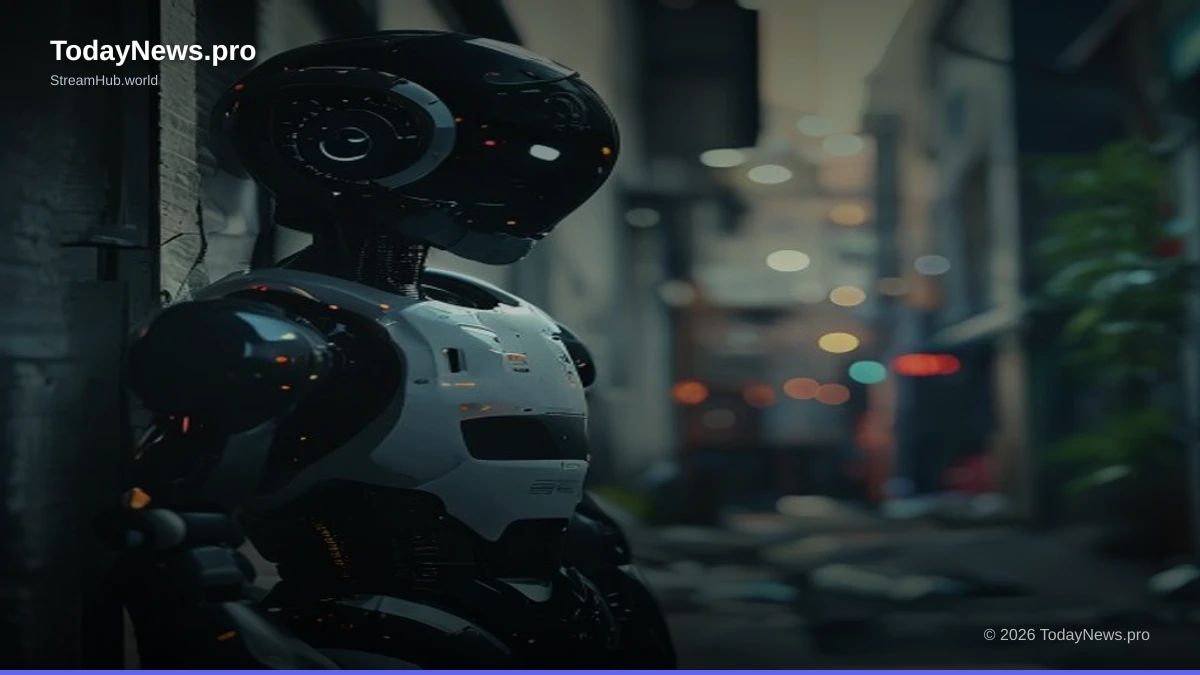
The global market for personal and domestic robots is projected to surge from $14.9 billion in 2023 to $43.6 billion by 2030, demonstrating an explosive compound annual growth rate (CAGR) of 16.4%.
The Dawn of Domestic Automation: From Sci-Fi to Your Living Room
For decades, personal robots were the stuff of science fiction, confined to the silver screen and the imaginations of futurists. From Rosie the Robot in "The Jetsons" to the sophisticated androids of "Blade Runner," these mechanical companions promised a future where mundane chores would be handled by tireless machines. Today, that future is rapidly materializing, moving beyond the realm of speculative fiction into our actual homes. The concept of a "robot next door" is no longer a distant dream but a tangible reality, fueled by relentless technological advancements in artificial intelligence, sensor technology, and miniaturization.
Early attempts at domestic robots were often clunky and limited in functionality. The Roomba, introduced in 2002, was a pioneering example, automating the tedious task of floor cleaning. While revolutionary for its time, it represented a singular function: vacuuming. It couldn't fold laundry, prepare meals, or even navigate complex environments with grace. The subsequent years saw incremental improvements, with robots becoming slightly smarter, more efficient, and more widely adopted. However, the true paradigm shift began with the integration of more sophisticated AI, enabling robots to learn, adapt, and interact with their surroundings in more nuanced ways.
Early Innovations and Consumer Adoption
The journey from concept to consumer began with single-purpose devices. Robotic vacuum cleaners, like iRobot's Roomba, paved the way by proving that automated home assistance could be both practical and desirable. These early robots were met with a mixture of fascination and skepticism. While many appreciated the convenience, others questioned the necessity and the price point. Nevertheless, their growing presence in households laid the groundwork for broader acceptance of automated assistance.
Following the success of robotic vacuums, other specialized robots emerged. Robotic lawnmowers offered a hands-off approach to garden maintenance, while some advanced pool cleaners tackled algae and debris with automated precision. These devices, though still focused on singular tasks, demonstrated a clear consumer appetite for technology that could alleviate household burdens. The key to their success lay in their ability to perform a specific, often disliked, chore reliably and autonomously.
The AI Revolution: Enabling Smarter Robots
The true catalyst for the "robot next door" phenomenon has been the exponential growth in artificial intelligence. Machine learning, deep learning, and natural language processing have transformed robots from pre-programmed automatons into responsive, adaptive entities. Robots are now capable of recognizing faces, understanding spoken commands, learning user preferences, and navigating dynamic environments with increasing sophistication. This AI revolution is what distinguishes today's personal robots from their predecessors, moving them closer to the versatile helpers envisioned in science fiction.
This integration of AI allows for a more intuitive and personalized user experience. Instead of complex programming or rigid commands, users can interact with robots using natural language. This anthropomorphic approach makes robots more approachable and easier to integrate into daily routines. For instance, a robot can be instructed to "clean the living room after dinner" or "remind me to water the plants tomorrow morning," adapting to the user's schedule and preferences without explicit, detailed instruction.
Beyond the Vacuum: Evolving Roles of Personal Robots
The current generation of personal robots is rapidly expanding its functional repertoire, moving far beyond simple cleaning tasks. We are witnessing the emergence of robots designed for companionship, assistance for the elderly and disabled, and even sophisticated home security systems. These evolving roles reflect a deeper integration into the fabric of daily life, addressing a wider range of human needs and desires.
The concept of a "smart home" is increasingly intertwined with personal robotics. Robots can now act as central hubs for managing other smart devices, providing a physical interface for a connected ecosystem. They can adjust lighting, control thermostats, and even alert residents to potential security breaches, acting as both a guardian and a concierge. This convergence of robotics and the Internet of Things (IoT) is creating a truly automated living environment.
Companionship and Social Interaction
One of the most intriguing and rapidly developing areas is the use of robots for companionship, particularly for individuals who are isolated or experiencing loneliness. Robots like Paro, a therapeutic seal, have demonstrated the potential to reduce stress and anxiety in elderly patients. More advanced social robots are being developed to engage in conversation, play games, and even offer emotional support. While they cannot replicate human connection, they can provide a valuable form of interaction and engagement for those who might otherwise have none.
These social robots are equipped with advanced AI that allows them to recognize emotions, respond appropriately to verbal cues, and even exhibit rudimentary personality traits. This creates a more engaging and less sterile interaction. For example, a companion robot might learn its owner's favorite music or conversational topics, tailoring its interactions to create a more personalized and comforting experience. The ethical considerations surrounding robot-human emotional bonding are significant and are a subject of ongoing debate and research.
Assistance for the Elderly and Disabled
The aging global population presents a significant market for assistive robotics. Robots are being developed to help with a variety of daily tasks for the elderly and individuals with disabilities, enabling them to live more independently. This includes robots that can help with mobility, medication reminders, fetching objects, and even providing basic health monitoring. Such assistance can significantly improve quality of life and reduce the burden on human caregivers.
Consider a robot designed to assist with meal preparation. It could retrieve ingredients from a smart pantry, measure portions, and even operate cooking appliances under supervision. For individuals with limited mobility, a robot could act as an extension of their reach, retrieving items from high shelves or low drawers. These assistive robots are not intended to replace human care but to augment it, allowing individuals to maintain dignity and independence for longer.
Case Study: The Evolution of Robotic Assistants
| Robot Type | Primary Function | Year of Significant Introduction | Key Technological Advancements |
|---|---|---|---|
| Robotic Vacuum Cleaner | Floor cleaning | 2002 (Roomba) | Autonomous navigation, obstacle detection |
| Robotic Lawnmower | Lawn maintenance | Early 2000s | GPS navigation, weather sensors |
| Social Robot (Therapeutic) | Companionship, stress reduction | 2009 (Paro) | Biometric sensors, empathetic response simulation |
| Advanced Home Assistant Robot | Multi-functional assistance, security | Late 2010s - Present | AI, NLP, computer vision, IoT integration |
Home Security and Monitoring
Personal robots are also entering the domain of home security. Autonomous mobile robots equipped with cameras, sensors, and AI can patrol homes, detect unusual activity, and alert homeowners or authorities. They can differentiate between pets, residents, and potential intruders, reducing false alarms. Some advanced models can even provide live video feeds and two-way audio communication for remote interaction.
Imagine a robot that conducts regular patrols of your property at night. It can detect motion, identify sounds, and even analyze thermal signatures. If it detects something out of the ordinary, it can send an alert to your smartphone, accompanied by a video recording of the incident. This proactive approach to security offers a level of vigilance that traditional systems cannot match.
The Economic Landscape: Investment and Market Growth
The burgeoning personal robotics market is attracting significant investment from venture capitalists, established tech giants, and startups alike. This influx of capital is accelerating research and development, driving innovation, and bringing new products to market at an unprecedented pace. The economic implications are vast, promising job creation in manufacturing, software development, and maintenance, while also raising questions about the future of work.
The global demand for sophisticated, AI-powered personal robots is not just a technological trend but a significant economic driver. Companies are pouring billions into R&D, recognizing the immense potential for market share in this rapidly expanding sector. This investment fuels a virtuous cycle: more investment leads to better technology, which in turn drives higher consumer demand and further investment.
Key Market Drivers and Trends
Several factors are propelling the growth of the personal robotics market. The increasing affordability of advanced sensors and processing power is a primary driver. Furthermore, a growing acceptance of automation in daily life, coupled with the desire for convenience and efficiency, fuels consumer demand. The aging population's need for assistive technologies and the increasing prevalence of smart home ecosystems also contribute significantly.
The trend towards miniaturization and increased battery life is also crucial. Robots are becoming smaller, more agile, and capable of operating for longer periods without recharging. This makes them more practical for integration into everyday living spaces. The development of robust, user-friendly interfaces is another key trend, making these complex machines accessible to the average consumer.
Market Projections and Investment
Venture capital funding in robotics has seen a significant uptick. In 2023 alone, investments reached over $5 billion, with a substantial portion directed towards companies developing personal and service robots. Major tech companies are also investing heavily, either through internal development or strategic acquisitions, indicating a strong belief in the future of this market. This competitive landscape is driving rapid innovation and pushing the boundaries of what's possible.
The growth isn't confined to a single region. While North America and Europe have historically led in adoption, Asia-Pacific is emerging as a rapidly growing market, driven by technological advancements and increasing disposable incomes. This global expansion signifies the universal appeal of personal robotics in enhancing daily life.
Challenges and Opportunities
Despite the promising outlook, challenges remain. High manufacturing costs for advanced robots can still be a barrier to widespread adoption. Ensuring robust cybersecurity to protect user data and prevent malicious interference is paramount. Furthermore, the ethical considerations surrounding autonomous decision-making and potential job displacement require careful navigation.
However, these challenges also present significant opportunities. Innovations in materials science and manufacturing processes can drive down costs. The development of secure, privacy-preserving AI will be critical for building consumer trust. The need for human oversight and collaboration with robots opens new avenues for skilled employment in fields like robot maintenance, programming, and ethical AI development.
Ethical and Societal Implications: Trust, Privacy, and Employment
As personal robots become more integrated into our lives, they bring with them a complex web of ethical and societal considerations. Building trust between humans and machines is paramount, especially as robots are entrusted with sensitive tasks and access to personal information. The implications for privacy, data security, and the future of employment are profound and require careful consideration and proactive policy-making.
The idea of inviting a machine into our most private spaces – our homes – raises immediate questions about security and surveillance. Who has access to the data these robots collect? How is it stored and protected? These are not abstract concerns but critical issues that will shape consumer acceptance and regulatory frameworks.
The Trust Deficit and Building Confidence
Earning consumer trust is the most significant hurdle for widespread personal robot adoption. This trust is built on reliability, transparency, and robust security. Users need to be confident that their robots will perform as expected, will not compromise their privacy, and will operate safely around them, especially children and pets. The industry is actively working on developing ethical guidelines and certification standards to address these concerns.
Transparency in how robots collect and use data is key. Clear privacy policies, explainable AI, and user control over data permissions are essential components. Furthermore, rigorous testing and validation of robotic systems in real-world scenarios will be crucial for demonstrating their safety and reliability. The public perception of robots can be heavily influenced by high-profile failures or security breaches, making proactive risk management vital.
Privacy and Data Security Concerns
Personal robots, equipped with cameras, microphones, and various sensors, collect a vast amount of data about their environment and users. This data can range from daily routines and personal conversations to intimate details about home layouts and the presence of valuables. The potential for this data to be misused, hacked, or accessed by unauthorized parties is a serious concern. Robust encryption, secure network protocols, and strict access controls are non-negotiable requirements.
The question of data ownership is also complex. Who owns the data generated by a personal robot – the user, the manufacturer, or a third party? Clear regulations and user agreements are needed to define these rights and responsibilities. Organizations like the ENISA are actively developing frameworks for cybersecurity in IoT devices, which directly impact personal robotics.
The Future of Work and Automation
The widespread adoption of personal robots could have a significant impact on the job market. While robots may automate certain tasks currently performed by humans, they are also expected to create new jobs in areas such as robot design, manufacturing, maintenance, programming, and ethical oversight. The key will be to manage this transition effectively through education, retraining programs, and social safety nets.
It's crucial to distinguish between task automation and job replacement. Many personal robots are designed to augment human capabilities rather than replace them entirely. For instance, a robot might assist a chef by performing repetitive tasks like chopping vegetables, freeing up the chef to focus on more creative aspects of cooking. This human-robot collaboration model is likely to be prevalent in many industries.
The Human-Robot Interface: Designing for Seamless Interaction
The success of personal robots hinges on their ability to integrate seamlessly into human environments and interact intuitively with people. This requires a deep understanding of human-computer interaction, ergonomics, and user experience design. The goal is to create robots that are not only functional but also approachable, understandable, and pleasant to be around.
The interface between humans and robots is evolving rapidly. Gone are the days of complex command-line interfaces. Today's personal robots are designed for natural language interaction, gesture recognition, and even emotional cues. This shift towards more natural forms of communication is key to making robots accessible to a wider audience.
Intuitive Controls and Natural Language Processing
Natural Language Processing (NLP) is at the heart of intuitive human-robot interaction. Robots that can understand and respond to spoken commands in a conversational manner make them far more user-friendly. This includes not just understanding basic commands but also grasping nuances, context, and even inferring intent. Advanced NLP allows for more complex instructions and more fluid dialogues.
Beyond voice, robots are incorporating other intuitive control methods. Gesture recognition allows users to command robots through simple hand movements. Some advanced robots can even learn to anticipate user needs based on observed patterns of behavior, creating a proactive and helpful presence rather than a reactive one. The development of robust AI models capable of understanding and generating human-like language is a constant area of research and development.
Consider a robot designed to help in the kitchen. Instead of needing to input precise measurements or cooking times, a user might say, "Robot, make me a simple pasta dish with tomato sauce." The robot, using its AI, would understand the request, access recipes, identify necessary ingredients from a smart pantry, and initiate the cooking process, perhaps asking clarifying questions like, "Would you like to add basil?"
The Importance of Embodiment and Social Cues
The physical form and behavior of a robot play a significant role in how humans perceive and interact with it. Robots designed for social interaction or companionship often benefit from anthropomorphic features, such as expressive eyes or a friendly-looking chassis. However, the degree of anthropomorphism needs to be carefully considered to avoid the "uncanny valley" – a phenomenon where robots that are almost, but not quite, human-like evoke feelings of unease or revulsion.
Robots that can convey their intentions and internal states through visual cues (e.g., LED lights indicating status), auditory signals, or even subtle body language are more likely to foster trust and understanding. This ability to communicate their state – whether they are listening, processing, or encountering an issue – is crucial for building effective human-robot partnerships. For example, a robot might emit a soft chime and its indicator light might turn blue when it is actively listening to a command.
Examples of Intuitive Interfaces
The design of these interfaces is an ongoing iterative process, involving extensive user testing and feedback. Companies are investing heavily in user experience (UX) research to ensure their robots are not just technically advanced but also user-friendly and adaptable to diverse user needs and preferences. This human-centered design approach is critical for the long-term success of personal robotics.
The Future is Now: Next-Generation Personal Robots and What to Expect
The pace of innovation in personal robotics is astonishing, and the robots we see today are just the beginning. Emerging technologies like advanced AI, improved dexterity, and enhanced sensing capabilities are paving the way for even more sophisticated and capable domestic assistants. The "robot next door" is poised to become an indispensable part of our lives, transforming how we live, work, and interact with our environment.
Looking ahead, we can anticipate robots that are more mobile, more dexterous, and more intelligent than ever before. They will be able to perform a wider range of physical tasks, navigate complex environments with greater ease, and offer more personalized and proactive assistance. The lines between human and machine interaction will continue to blur, leading to a more integrated and automated future.
Robots with Enhanced Dexterity and Mobility
Current personal robots, while capable, often lack the fine motor skills and physical dexterity of humans. Future generations are expected to feature advanced manipulators and robotic hands capable of performing delicate tasks, such as folding laundry, preparing complex meals, or even assisting with intricate repairs. This will significantly expand their utility in the home and beyond.
Improvements in mobility are also on the horizon. Robots will move beyond wheels and treads to incorporate more agile locomotion, such as legged robots capable of navigating stairs and uneven terrain. This will allow them to access virtually any part of a home, making them truly versatile assistants. Companies are exploring soft robotics, which uses flexible materials to create more adaptable and safer manipulators.
AI Advancements: Towards True Autonomy and Learning
The continued evolution of AI will be central to the development of next-generation personal robots. We can expect robots to become increasingly autonomous, capable of learning from their environment and from their interactions with humans. This will enable them to adapt to new situations, solve novel problems, and even develop new skills over time, much like humans do.
The concept of "embodied AI" – where AI is integrated into a physical robot – is crucial. This allows robots to learn through physical interaction and experience, leading to a deeper understanding of the world. For example, a robot learning to cook might not just follow a recipe but also learn to adjust cooking times based on the actual texture of food, the ambient temperature, or the performance of the stove. This level of adaptive learning is the next frontier.
The Collaborative Future
The integration of personal robots into our lives is not just about convenience; it's about augmenting human capabilities, improving quality of life, and creating new possibilities. While the journey ahead will undoubtedly present its own set of challenges, the potential rewards are immense. The robot next door is no longer a fantasy; it's a rapidly approaching reality that will redefine our relationship with technology and with our homes.
For further insights into the evolution of robotics, you can explore resources from institutions like the IEEE Spectrum, which often publishes articles on the latest advancements in robotics and automation.