

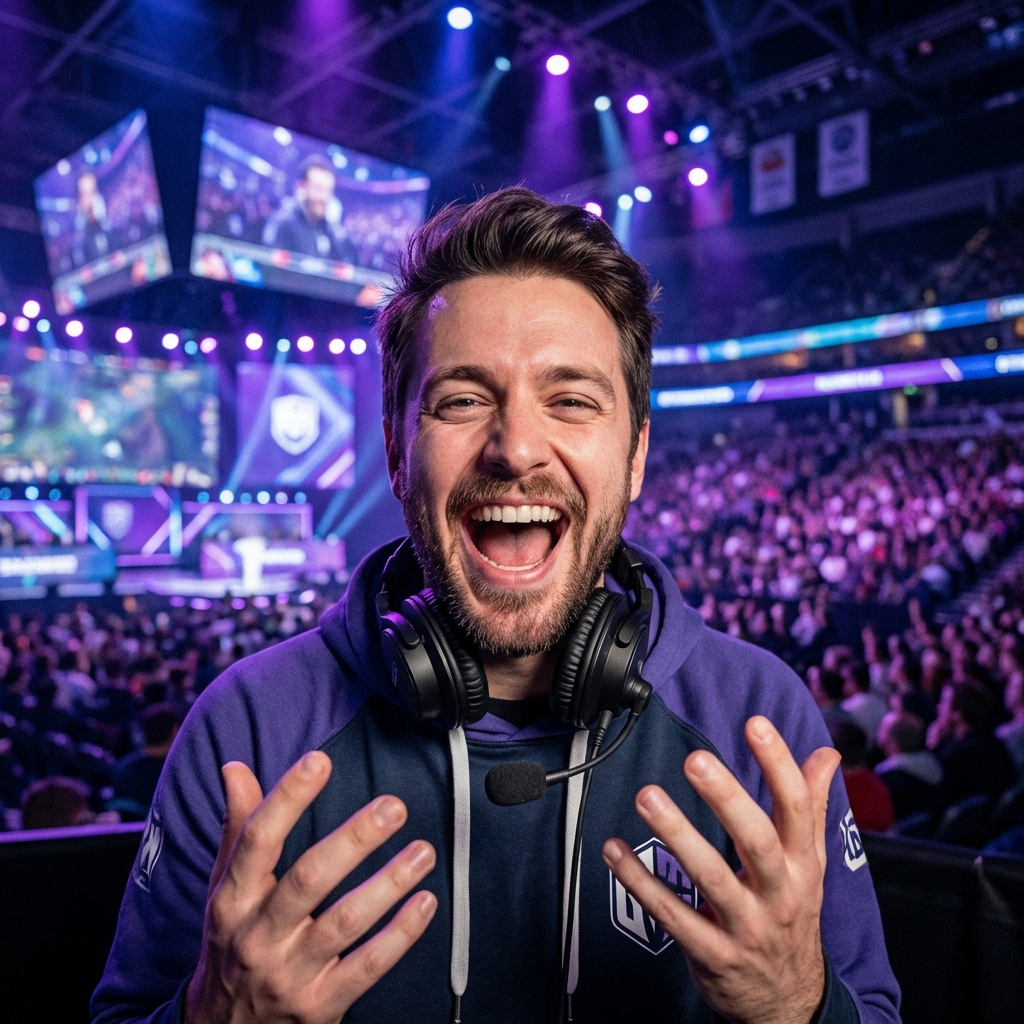
 Max Speed

The Science of Engagement: Why Games Captivate Us
The allure of video games is undeniable. From childhood fantasies to adult escapism, games have a unique ability to command our attention, foster persistence, and evoke strong emotional responses. This captivation is not accidental; it is deeply rooted in our psychology. At its core, gamification in learning seeks to harness these same psychological principles to make educational content more appealing, digestible, and ultimately, more effective. It’s about understanding what makes a learning experience feel less like a chore and more like an engaging pursuit. ### The Brain on Play When we engage in activities we perceive as fun or challenging, our brains release dopamine, a neurotransmitter associated with reward and motivation. This dopamine surge creates a positive feedback loop, encouraging us to repeat the behavior. Gamified learning systems are designed to trigger this reward pathway consistently, associating learning with feelings of accomplishment and pleasure. This is a far cry from the passive reception of information often found in traditional educational settings. ### Intrinsic vs. Extrinsic Motivation While traditional education often relies on extrinsic motivators like grades or the fear of failure, gamification excels at fostering intrinsic motivation. Intrinsic motivation comes from within, driven by curiosity, the desire for mastery, and the sheer enjoyment of the activity itself. Gamified elements like points, badges, and leaderboards can serve as initial extrinsic motivators, but their true power lies in their ability to point towards, and facilitate, the development of intrinsic engagement with the learning material. This shift is crucial for long-term knowledge retention and a genuine love for learning.Core Psychological Drivers of Gamification in Learning
The success of gamified learning hinges on its ability to tap into fundamental human psychological needs and desires. These aren't superficial tricks; they are deeply ingrained mechanisms that drive behavior and learning. By understanding these drivers, educators and developers can create more impactful and engaging educational experiences. ### The Need for Competence and Mastery Humans possess an innate drive to feel competent and to master their environment. Gamified learning provides clear goals, measurable progress, and opportunities to overcome challenges. This allows learners to see tangible evidence of their improvement, fostering a sense of accomplishment and building confidence. Each solved problem, completed module, or mastered skill reinforces this feeling of competence. ### Autonomy and Control While gamification often involves structured challenges, effective systems also grant learners a sense of autonomy and control over their learning journey. This could manifest as choosing learning paths, deciding the pace of progression, or selecting the types of challenges they wish to undertake. Feeling in control enhances engagement and reduces the perception of being forced into a learning process. ### Relatedness and Social Connection Humans are social beings, and the desire to connect with others is a powerful motivator. Gamified learning can incorporate social elements, such as collaborative challenges, leaderboards, team-based competitions, or shared learning communities. These elements foster a sense of belonging and encourage learners to support and learn from one another, turning solitary study into a shared experience.The Role of Feedback
Immediate and constructive feedback is a cornerstone of effective learning, and gamification excels at delivering it. In a gamified environment, feedback is often presented in an engaging and less intimidating manner. This can range from visual cues indicating progress, to celebratory animations for correct answers, to hints for incorrect ones. This constant stream of feedback helps learners adjust their strategies and reinforces correct understanding, minimizing frustration.Mechanics and Dynamics: Building Addictive Learning Experiences
The "game" in gamified learning is not just about aesthetics; it's about the deliberate application of game mechanics and dynamics. These elements are the building blocks that transform a static lesson into an interactive and compelling experience. Understanding their interplay is key to designing truly engaging educational platforms. ### Core Mechanics * **Points and Scoring:** Awarding points for completing tasks, answering questions correctly, or achieving milestones. This provides immediate quantifiable feedback on progress. * **Badges and Achievements:** Digital tokens of accomplishment, recognizing specific skills or milestones. They serve as visible markers of progress and can be shared, fostering pride. * **Leaderboards:** Ranking learners based on points or achievements. This taps into competitive spirit and can motivate learners to strive for higher positions. * **Levels and Progression:** Structuring content into distinct levels that unlock as learners advance. This creates a sense of forward momentum and achievable goals. * **Quests and Challenges:** Presenting learning objectives as missions or quests to be completed. This frames learning as an adventure with a clear objective. ### Dynamics at Play The way these mechanics are implemented creates the underlying dynamics that drive engagement. * **Urgency and Scarcity:** Time-limited challenges or limited attempts can create a sense of urgency, encouraging focused effort. * **Surprise and Randomness:** Occasional unexpected rewards or challenges can maintain interest and prevent predictability. * **Narrative and Storytelling:** Weaving learning content into a compelling story or narrative can make it more relatable and memorable. * **Collaboration and Competition:** Balancing opportunities for learners to work together and compete can cater to different motivations.The Power of Progress Bars and Visual Feedback
One of the most universally effective gamified elements is the progress bar. It provides a clear, visual representation of how far a learner has come and how far they have to go. This simple mechanic taps into our desire for completion and provides a constant, tangible sense of advancement. Coupled with animations, sound effects, and celebratory messages upon reaching milestones, this visual feedback loop reinforces positive behavior and makes the learning journey feel rewarding at every step.The Dark Side: Ethical Considerations and Potential Pitfalls
While the potential of gamified learning is immense, it is not without its risks. A poorly designed gamified system can be manipulative, create undue stress, or even foster unhealthy learning habits. Responsible implementation requires a keen awareness of these potential pitfalls. ### Over-reliance on Extrinsic Rewards When gamified systems become too focused on points, badges, and leaderboards, they can overshadow the intrinsic value of learning itself. Learners might become motivated solely by the rewards, rather than by a genuine interest in the subject matter. This can lead to superficial engagement, where learners prioritize "gaming the system" over deep understanding. ### The Stress of Competition While competition can be a powerful motivator for some, it can be demotivating and anxiety-inducing for others. For learners who struggle, constant exposure to leaderboards can lead to feelings of inadequacy and a desire to disengage. The pressure to perform can also stifle creativity and risk-taking, essential components of genuine learning.Case Studies: Gamified Learning in Action
The theoretical underpinnings of gamified learning are compelling, but its real power is demonstrated through its successful application across various educational domains. These examples highlight how gamification can revolutionize traditional approaches. ### Duolingo: Making Language Learning AccessibleDuolingo, a popular language-learning platform, is a prime example of gamified education's success. It employs a system of points, streaks, leaderboards, and daily goals to keep users motivated. The app breaks down complex language learning into bite-sized, manageable lessons, making it feel less daunting and more like a game. The constant feedback and reward system encourage daily practice, a critical component of language acquisition. This approach has made language learning accessible and enjoyable for millions worldwide.
Learn more about Duolingo's approach. ### Minecraft: Education EditionMinecraft: Education Edition transforms the popular sandbox game into a powerful learning tool. It allows students to explore, build, and collaborate in virtual worlds, fostering creativity, problem-solving, and critical thinking. Educators can create custom lessons that align with curriculum objectives, from exploring historical sites to simulating scientific experiments. The game's open-ended nature and inherent engagement make learning an immersive and hands-on experience. It’s a testament to how play can be a profound pedagogical method.
| Educational Domain | Gamified Elements Used | Observed Impact |
|---|---|---|
| Language Learning | Streaks, Points, Leaderboards, Levels | Increased daily engagement, higher retention rates. |
| STEM Education | Virtual Worlds, Quests, Collaborative Projects, Simulations | Enhanced problem-solving skills, deeper conceptual understanding, improved teamwork. |
| Corporate Training | Badges, Simulations, Performance Tracking, Challenges | Higher completion rates, improved skill acquisition, increased employee motivation. |
| Special Education | Personalized Feedback, Step-by-Step Progression, Reward Systems | Reduced anxiety, increased focus, improved self-efficacy. |
While not strictly a game, Khan Academy incorporates gamified elements like points, energy points, badges, and progress tracking to encourage mastery-based learning. Students progress through subjects at their own pace, earning rewards as they demonstrate understanding. The emphasis is on achieving mastery before moving on, a concept that aligns perfectly with the psychological drive for competence. This system empowers learners by giving them control over their learning path and providing clear indicators of their achievements.
The Future of Education: A Gamified Horizon
The integration of gamification into education is not a fleeting trend but a fundamental shift in how we approach learning. As technology advances and our understanding of cognitive psychology deepens, the possibilities for gamified educational experiences will only expand. The future of education is likely to be one where learning is not just effective, but also inherently enjoyable and deeply engaging. ### Personalized Learning Paths Future gamified systems will leverage artificial intelligence to create even more personalized learning experiences. AI can analyze individual learning styles, paces, and areas of difficulty to tailor challenges and rewards, ensuring that each learner is optimally engaged and challenged. This move towards hyper-personalization will make education more equitable and effective for a broader range of students.The principles of gamification are well-established in behavioral economics and psychology, as documented by researchers like B.F. Skinner, whose work on operant conditioning laid some of the groundwork for understanding reward-based learning.