

 William Nye
⏱ 18 min
In 2023 alone, private companies facilitated over 150 spaceflights, a staggering 70% increase from the previous year, signalling a seismic shift in who owns and accesses the final frontier.
The New Frontier: Private Sectors Leap into Space
For decades, space exploration was the exclusive domain of government agencies like NASA and Roscosmos. The monumental costs, inherent risks, and long-term vision required were simply beyond the scope of most private enterprises. However, the dawn of the 21st century has witnessed a profound transformation. A confluence of technological advancements, increased investment, and a bold entrepreneurial spirit has propelled private companies to the forefront of space exploration and, increasingly, commercial space ventures. Companies like SpaceX, Blue Origin, and Virgin Galactic are no longer just dreaming of space; they are building the infrastructure, launching the missions, and charting the course for a future where off-world experiences are becoming a tangible reality for an expanding demographic. This paradigm shift is not merely about scientific discovery; it's about creating a new economy, a new industry, and entirely new forms of human experience. ### The Genesis of Commercial Spaceflight The groundwork for this revolution was laid by early pioneers who dared to envision a commercial space sector. While figures like Elon Musk and Jeff Bezos are now synonymous with this era, their efforts built upon decades of incremental progress and the vision of those who first saw the commercial potential of orbital and suborbital flights. Early ventures, though sometimes facing significant setbacks, demonstrated the feasibility of private involvement, paving the way for the more robust and ambitious projects we see today. The concept of "space tourism" was once a far-fetched science fiction trope, but it has rapidly evolved into a multi-billion dollar industry segment. ### Key Players and Their Strategies The landscape of private space travel is dominated by a few key players, each with a distinct approach. SpaceX, founded by Elon Musk, has been a disruptive force, leveraging reusable rocket technology to dramatically reduce launch costs. Their Starship program, envisioned for interplanetary travel, also has significant implications for lunar missions and orbital tourism. Blue Origin, led by Jeff Bezos, focuses on developing reusable launch systems like New Shepard for suborbital flights and New Glenn for orbital missions, with a long-term vision of enabling millions to live and work in space. Virgin Galactic, spearheaded by Sir Richard Branson, targets the suborbital tourism market, offering brief but exhilarating journeys to the edge of space. These companies are not just competitors; they are collaborators in a broader ecosystem, pushing each other to innovate and expand the boundaries of what's possible. ### The Specter of Government Contracts While private companies are driving much of the innovation in space tourism, their early development and continued survival often depend on significant contracts from government agencies. NASA, in particular, has actively fostered the growth of the commercial space sector through programs like Commercial Orbital Transportation Services (COTS) and Commercial Crew Program. These partnerships allow private companies to develop and demonstrate their capabilities with substantial financial backing, which in turn lowers costs and increases reliability for future commercial endeavors. This symbiotic relationship has been crucial in bringing down the barriers to entry for private spaceflight.From Suborbital Thrills to Orbital Stays
The initial offerings from private space companies have focused on distinct types of space experiences. Suborbital flights offer a taste of weightlessness and a panoramic view of Earth, making them the most accessible entry point for aspiring space tourists. These flights, typically lasting around 10-15 minutes from launch to landing, provide a few minutes of microgravity and a chance to see the curvature of the Earth. Orbital stays, on the other hand, represent a more immersive and significantly more expensive experience, involving longer durations in orbit and greater exposure to the space environment. ### Suborbital Expeditions: The Gateway to Space Virgin Galactic's VSS Unity and Blue Origin's New Shepard are the primary vehicles for suborbital tourism. These flights ascend to altitudes above 100 kilometers (the Kármán line, a common definition of the boundary of space), allowing passengers to experience several minutes of weightlessness and witness the blackness of space against the vivid blue of Earth's atmosphere. While the duration in space is brief, the psychological and sensory impact is profound. These trips are marketed as a transformative experience, offering a unique perspective on our planet and humanity's place within it. ### Orbital Journeys: Living Amongst the Stars For those seeking a more extended sojourn, orbital missions offer the chance to live and work aboard a space station. SpaceX's Crew Dragon capsule, now a regular shuttle for NASA astronauts to the International Space Station (ISS), has also begun facilitating private astronaut missions. Companies like Axiom Space are leading the charge in developing private space stations, which will eventually offer dedicated accommodations for tourists and researchers. These missions, lasting days or even weeks, provide a comprehensive space experience, including the challenges and wonders of living in microgravity, conducting experiments, and observing Earth from a much higher vantage point.Approx. $450,000+
Suborbital Flight Cost
Approx. $55 Million+
Orbital Stay (per person)
Approx. 3-4 minutes
Weightlessness Duration (Suborbital)
The Lure of the Moon: Dawn of Lunar Tourism
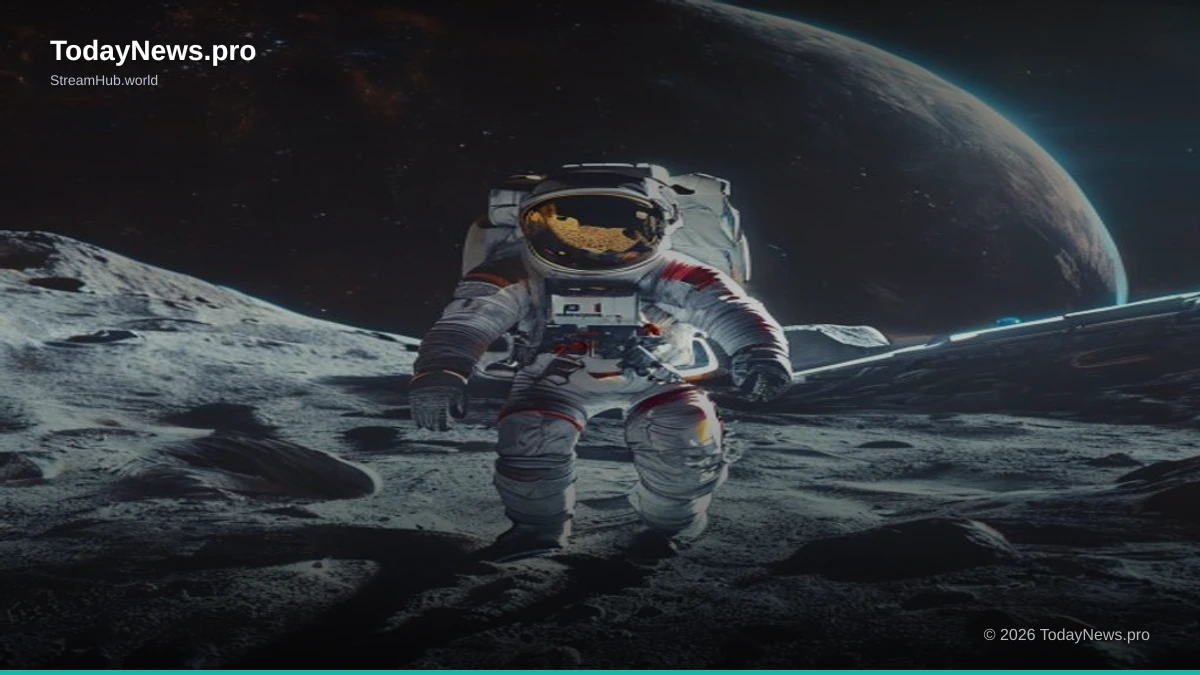
While Earth orbit has become the initial proving ground for private space endeavors, the ultimate prize for many is the Moon. The prospect of walking on lunar soil, gazing back at Earth from another celestial body, and experiencing the stark beauty of an alien landscape is an irresistible draw. Several companies are actively developing capabilities for lunar missions, with the long-term goal of establishing a sustained human presence and, eventually, facilitating tourism. ### Missions to the Lunar Surface SpaceX's ambitious Starship program is central to the vision of lunar tourism. Starship is designed to be a fully reusable super heavy-lift launch vehicle capable of transporting significant payloads and large numbers of people to the Moon and beyond. The company has already secured a contract with NASA to use Starship as the Human Landing System (HLS) for the Artemis III mission, which aims to return humans to the lunar surface for the first time since the Apollo era. This mission, alongside future commercial ventures, will pave the way for tourist landings. ### The Lunar Gateway and Orbital Hotels Beyond surface excursions, the development of a lunar orbital platform, such as the Gateway station being developed by NASA and its international partners, could serve as a staging point for lunar tourism. This orbital outpost would allow for shorter trips to the lunar surface and also provide a unique vantage point for observing the Moon and Earth. Future private space stations in lunar orbit are also a distinct possibility, offering luxurious accommodations with unparalleled views.Projected Growth in Private Space Tourism Market (USD Billions)
Technological Hurdles and Innovation
The ambitious goals of private space travel and lunar tourism are underpinned by continuous technological innovation. The development of reliable, reusable launch systems, advanced life support systems, and robust spacecraft capable of withstanding the harsh environment of space are critical. The industry is experiencing a rapid pace of advancement, driven by both necessity and competition. ### Reusability: The Game Changer The most significant technological breakthrough enabling private spaceflight has been the development of reusable rocket technology. Companies like SpaceX have perfected landing and reflying their orbital-class rockets, dramatically reducing the cost per launch. This economic advantage is fundamental to making space more accessible. The ongoing development of fully reusable spacecraft, such as SpaceX's Starship, promises even greater cost reductions and increased launch cadence. ### Advanced Life Support and Environmental Control For longer duration missions, especially those venturing to the Moon, sophisticated life support systems are paramount. These systems must provide breathable air, potable water, and maintain comfortable temperatures and atmospheric pressure for extended periods. Innovations in closed-loop life support systems, which recycle air and water, are essential for reducing the mass that needs to be launched from Earth and enabling self-sustaining habitats.| Technology Area | Key Innovations | Impact on Space Travel |
|---|---|---|
| Launch Systems | Reusable rocket boosters, advanced engine designs, in-orbit refueling | Reduced launch costs, increased launch frequency, capability for larger payloads |
| Spacecraft Design | Lightweight composite materials, advanced propulsion, modular design | Improved payload capacity, enhanced maneuverability, potential for longer missions |
| Life Support | Closed-loop recycling systems, advanced water purification, artificial gravity research | Enables longer duration missions, reduces reliance on Earth resupply, enhances astronaut comfort and health |
| Robotics and AI | Autonomous landing systems, orbital debris management, AI-driven mission planning | Increased mission safety, reduced human workload, improved operational efficiency |
"The pace of innovation in private spaceflight is breathtaking. We're seeing technologies mature at a rate that would have been unthinkable a decade ago. Reusability is the foundation, but advancements in materials science, AI, and life support are equally critical for making these ambitious ventures a reality."
— Dr. Anya Sharma, Aerospace Engineer
Safety, Regulation, and the Ethical Cosmos
As private space travel becomes more common, ensuring the safety of passengers and the integrity of the space environment are paramount concerns. The rapid growth of the industry has outpaced the development of comprehensive regulatory frameworks, leading to ongoing discussions about how to govern this new frontier. ### Ensuring Passenger Safety The inherent risks of space travel are significant. While private companies invest heavily in safety protocols and redundant systems, the specter of accidents looms. Establishing clear safety standards, rigorous testing procedures, and independent oversight are crucial for building public trust and ensuring the well-being of space tourists. The experience of the aviation industry, with its stringent regulations and safety records, serves as a valuable model. ### The Regulatory Vacuum The international legal framework for space activities is primarily governed by the Outer Space Treaty of 1967. While this treaty provides a foundational set of principles, it was established long before the advent of commercial space tourism and private lunar missions. Nations and international bodies are grappling with how to adapt existing laws or create new ones to address issues such as liability, traffic management in orbit, and resource utilization. The establishment of a clear and consistent regulatory environment is essential for long-term industry growth and stability.1967
Outer Space Treaty Year
100+ km
Kármán Line (Edge of Space)
20+
Private Space Companies Operating
"We are at a critical juncture. The opportunities presented by private space travel are immense, but we must not neglect the responsibilities that come with them. Robust international cooperation on safety standards and regulatory frameworks is not just desirable; it is essential for the sustainable and equitable development of the space economy."
— Dr. Jian Li, Space Policy Analyst
Economic Impact and Future Prospects
The rise of private space travel is not just a technological marvel; it's a significant economic driver. The industry is creating new jobs, stimulating investment, and fostering innovation across a range of sectors. The long-term prospects suggest a rapidly expanding market with the potential to reshape global economies. ### Job Creation and Economic Growth The space industry, once a niche sector, is now a significant source of employment. From rocket engineers and software developers to mission controllers and hospitality staff for future space hotels, the demand for skilled labor is growing. Furthermore, the development of new technologies for space travel often has terrestrial applications, driving innovation in fields like advanced materials, computing, and robotics. The economic ripple effect is substantial. ### Investment and Market Size Private investment in the space sector has surged in recent years. Venture capital funding has flowed into numerous startups aiming to capture a piece of the burgeoning space economy. The market for space tourism, satellite services, and resource utilization is projected to grow exponentially over the next decade. Current estimates suggest the global space economy could reach trillions of dollars in the coming decades.| Year | Estimated Market Value (USD Billion) | Key Drivers |
|---|---|---|
| 2023 | 100 | Satellite services, launch market, early space tourism |
| 2025 | 150 | Increased satellite constellations, growing suborbital tourism |
| 2030 | 300 | Expansion of orbital tourism, initial lunar missions, asteroid mining research |
| 2040 | 800+ | Mature lunar economy, potential for Mars missions, advanced in-space manufacturing |
Challenges and Opportunities Ahead
Despite the remarkable progress, the path forward for private space travel and lunar tourism is not without its challenges. Overcoming these hurdles will require continued innovation, strategic investment, and careful consideration of the broader societal implications. ### Cost Reduction and Affordability The primary barrier to widespread space tourism remains cost. While prices are decreasing, they are still in the hundreds of thousands or even tens of millions of dollars, placing them out of reach for the vast majority of people. Continued technological advancements, particularly in reusability and in-space manufacturing, are crucial for driving down costs and making space accessible to a broader market. ### Space Debris and Environmental Concerns The increasing number of launches and satellites in orbit raises concerns about space debris. Collisions with debris pose a significant risk to operational spacecraft and future missions. Developing effective strategies for debris mitigation, tracking, and removal is essential for maintaining a safe and sustainable space environment. Furthermore, the environmental impact of rocket launches and potential resource extraction on celestial bodies needs careful management.Is space travel safe?
Space travel is inherently risky due to the harsh environment and the complexity of the technology involved. However, private companies are investing heavily in safety protocols and redundant systems. As the industry matures and regulations are established, safety standards are expected to improve significantly.
When will lunar tourism become common?
While initial lunar missions by private companies are planned for the mid to late 2020s, widespread lunar tourism is likely still decades away. Significant infrastructure development, cost reduction, and regulatory frameworks will be necessary for lunar visits to become accessible to a broader range of people.
What are the biggest challenges facing private space travel?
The biggest challenges include reducing costs to make space travel more affordable, ensuring passenger safety, developing comprehensive regulatory frameworks, managing space debris, and addressing the ethical implications of human activity in space.
Will space tourism be only for the ultra-rich?
Currently, space tourism is only accessible to the ultra-wealthy. However, the long-term goal of many companies is to democratize space travel. As technology advances and economies of scale are achieved, prices are expected to decrease, making it accessible to a wider demographic over time.