

 Alice Cooper
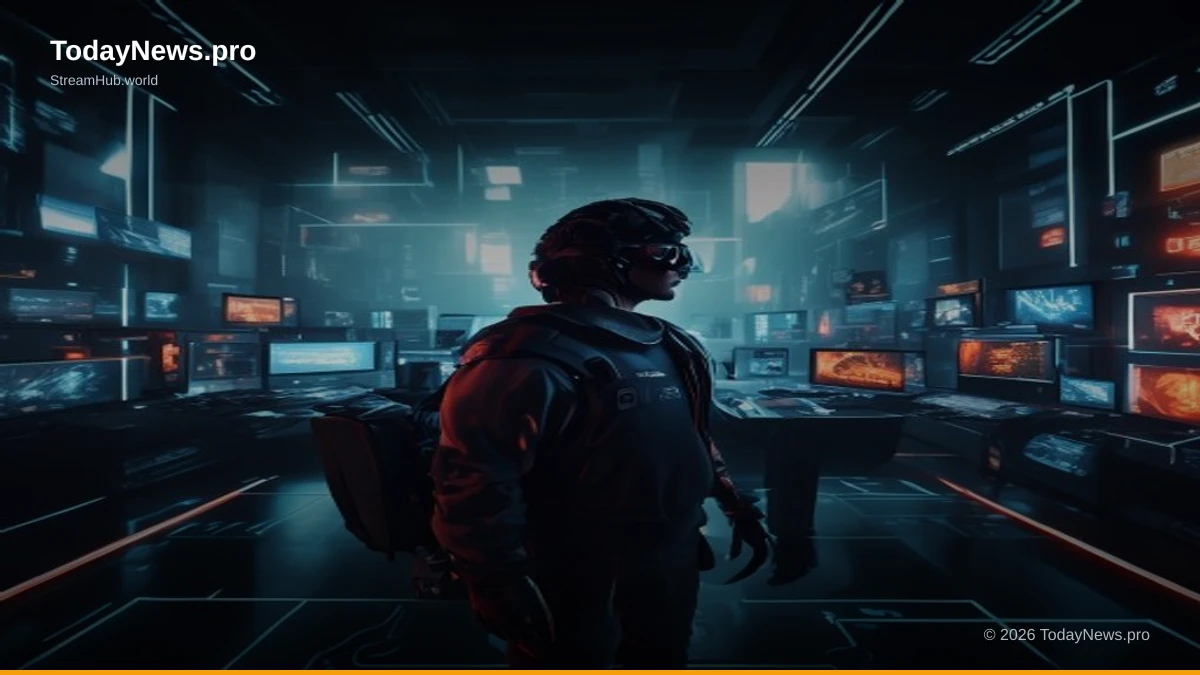
The Unfolding Metaverse: Beyond Hype and Pixels
The early narrative surrounding the metaverse was heavily dominated by virtual reality headsets, cartoonish avatars, and the speculative frenzy around non-fungible tokens (NFTs). While these elements are part of the broader ecosystem, they represent a narrow, often superficial, understanding of what the metaverse truly aims to be. At its core, the metaverse is envisioned as a persistent, interconnected set of virtual spaces where users can interact with each other, digital objects, and AI-powered entities in real-time, often bridging the physical and digital worlds. It's not just about experiencing digital content; it's about participating in it, shaping it, and owning a part of it. This evolution is deeply intertwined with the development of Web3 technologies. Unlike Web2, which is characterized by centralized platforms and data silos, Web3 aims to create a more decentralized, user-controlled internet. Technologies like blockchain, cryptocurrencies, and decentralized autonomous organizations (DAOs) are the bedrock upon which this new iteration of the internet is being built. They provide the infrastructure for digital ownership, secure transactions, transparent governance, and interoperability – critical components for a truly functional and equitable metaverse. The distinction between the "gaming metaverse" and the "practical metaverse" is crucial. While gaming platforms like Roblox and Fortnite have pioneered immersive social experiences, the practical metaverse extends these concepts to a vast array of real-world applications. It’s about using these immersive environments to solve problems, create value, and improve lives in ways that are tangible and impactful.Decentralization as a Cornerstone
The shift towards decentralization is perhaps the most significant aspect of Web3's influence on the metaverse. Instead of relying on a few dominant tech giants to control virtual worlds and user data, Web3 enables distributed ownership and governance. This means users can have a greater say in the development and operation of the metaverse spaces they inhabit, fostering a more inclusive and resilient ecosystem.
Blockchain technology, in particular, provides the immutable ledger necessary for verifiable digital ownership. This is critical for everything from virtual real estate and digital assets to intellectual property rights within the metaverse. It empowers creators and users by giving them true control over their digital creations and investments, moving away from the often precarious landlord-tenant relationships found on current digital platforms.
This decentralized ethos also extends to identity. Instead of relying on single-sign-on solutions tied to specific platforms, Web3 envisions self-sovereign digital identities that users can carry across different metaverse experiences. This enhances privacy, security, and user agency.
The Foundation: Web3 Principles Shaping Immersive Futures
Web3's impact on the metaverse is not merely additive; it's foundational. The core tenets of Web3 – decentralization, tokenization, and interoperability – are actively shaping the architecture of the future metaverse, moving it beyond ephemeral experiences to persistent, valuable digital realities.Decentralized Identity and Ownership
One of the most transformative aspects of Web3 in the metaverse is the concept of decentralized identity. Users will no longer be merely accounts on a platform but individuals with verifiable digital identities that they control. This allows for a more seamless and secure transition between different metaverse experiences, carrying digital assets and reputation without the need for constant re-authentication.
Furthermore, tokenization, powered by blockchain, is revolutionizing digital ownership. NFTs are the most visible manifestation of this, enabling verifiable ownership of unique digital items, from art and collectibles to virtual land and in-game assets. This creates new economies and empowers creators by allowing them to monetize their work directly and retain royalties on secondary sales.
Interoperability: The Holy Grail
A truly functional metaverse cannot exist in silos. Interoperability, the ability for digital assets and identities to move seamlessly between different virtual worlds and platforms, is a key goal. Web3 protocols and standards are being developed to facilitate this, ensuring that the value and utility users accrue in one part of the metaverse can be leveraged in another.
Imagine purchasing a virtual outfit for your avatar in one metaverse and being able to wear it in an entirely different virtual world. This level of integration, powered by shared blockchain standards, will break down the current fragmented landscape and create a more cohesive and expansive digital universe.
Enterprise Metaverse: Productivity and Collaboration Reimagined
Beyond consumer entertainment, the metaverse is poised to revolutionize the enterprise sector. Businesses are recognizing the potential of immersive technologies for enhancing productivity, fostering collaboration, and creating new avenues for customer engagement. The practical metaverse in this context is about augmenting human capabilities and streamlining operations.Virtual Workspaces and Remote Collaboration
The pandemic accelerated the adoption of remote work, but current solutions often lack the sense of presence and natural interaction found in physical offices. The enterprise metaverse offers a solution by creating immersive virtual workspaces where teams can collaborate as if they were in the same room. This includes virtual meeting rooms, shared whiteboards, 3D model manipulation, and even informal virtual water cooler chats, all contributing to a more engaging and effective remote work experience.
Companies are experimenting with virtual training simulations for complex tasks, such as surgery or equipment maintenance, allowing employees to practice in a safe, risk-free environment before operating in the physical world. This not only improves skill acquisition but also reduces training costs and potential for error.
Digital Twins and Operational Efficiency
The concept of "digital twins" – virtual replicas of physical objects, processes, or systems – is a prime example of the practical metaverse in action for enterprises. By creating real-time, data-driven digital twins of factories, supply chains, or even entire cities, businesses can monitor performance, simulate scenarios, predict maintenance needs, and optimize operations with unprecedented accuracy.
For instance, a manufacturing plant can use a digital twin to simulate the impact of a new production line before it’s physically installed, identifying potential bottlenecks and inefficiencies. This predictive capability can save millions in capital expenditure and operational losses.
Education and Training: Immersive Learning for a New Era
The traditional classroom model, while effective for centuries, often struggles to engage diverse learning styles and provide hands-on experience. The practical metaverse offers a revolutionary approach to education and training, making learning more interactive, accessible, and impactful.Experiential Learning and Skill Development
Imagine medical students practicing complex surgical procedures on hyper-realistic virtual patients, or history students walking through ancient Rome, interacting with its architecture and inhabitants. The metaverse enables experiential learning, allowing individuals to engage with subjects in a deeply immersive and memorable way. This is particularly beneficial for subjects that are difficult or dangerous to replicate in a traditional setting.
Vocational training is another area ripe for transformation. Aspiring mechanics can disassemble and reassemble virtual engines, pilots can log hours in realistic flight simulators, and construction workers can navigate virtual building sites, all without the risks and costs associated with real-world training. This hands-on approach, facilitated by immersive simulations, leads to faster skill acquisition and better retention.
Accessibility and Global Reach
The metaverse has the potential to democratize education by breaking down geographical barriers and making high-quality learning experiences accessible to anyone with an internet connection. Students in remote areas could virtually attend lectures from world-renowned institutions, and specialized training programs could reach a global audience, fostering a more equitable distribution of knowledge and opportunity.
For individuals with physical disabilities, the metaverse can offer unique opportunities for participation and learning that might be challenging in the physical world. It opens up new avenues for engagement and skill development, promoting inclusivity in education.
Healthcare and Well-being: Virtual Therapies and Beyond
The application of metaverse technologies in healthcare is one of the most promising areas, offering innovative solutions for patient care, therapy, medical training, and even preventative health. The focus here is on improving patient outcomes, enhancing accessibility to care, and supporting mental well-being.Therapeutic Applications and Mental Health Support
Virtual reality (VR) has already shown significant promise in treating phobias, PTSD, and anxiety disorders by creating controlled, immersive environments where patients can confront their fears or practice coping mechanisms. The metaverse expands this by offering persistent, supportive virtual communities and personalized therapeutic interventions. For example, individuals struggling with social anxiety could practice social interactions in a low-stakes virtual environment.
Pain management is another area where immersive experiences can provide relief. By distracting patients with engaging virtual worlds, VR can reduce the perception of pain during medical procedures or for chronic pain sufferers, potentially decreasing reliance on pharmacological interventions.
Remote Patient Monitoring and Rehabilitation
The metaverse can facilitate advanced remote patient monitoring and rehabilitation programs. Patients recovering from injuries or surgery can engage in guided physical therapy exercises within a virtual environment, with their movements tracked and analyzed by AI. This provides real-time feedback to both the patient and their healthcare provider, allowing for personalized adjustments to the rehabilitation plan.
Furthermore, virtual consultations can become more immersive, allowing doctors to visualize patient data and even virtually examine patients in ways that go beyond traditional video calls. This could be particularly impactful for remote or underserved populations.
The development of "digital therapeutics" within the metaverse, software-based interventions that aim to treat specific medical conditions, is also on the horizon. These therapies, often delivered through immersive interfaces, can offer personalized and data-driven treatment plans.
The Economic Engine: New Markets and Digital Ownership
The practical metaverse is not just a new interface; it's a new economic frontier. Web3's emphasis on digital ownership, decentralized finance (DeFi), and creator economies is fueling the development of novel business models and investment opportunities within the metaverse.Creator Economies and Digital Asset Markets
The rise of NFTs has laid the groundwork for robust creator economies within the metaverse. Artists, designers, musicians, and developers can create and monetize their digital assets directly, bypassing traditional gatekeepers. This allows for a more equitable distribution of value, empowering creators to earn a living from their work in virtual worlds.
The market for virtual real estate, digital fashion, and in-world collectibles is rapidly expanding. Investors are exploring these new asset classes, recognizing the potential for growth as the metaverse matures. The ability to truly own and trade these digital assets, secured by blockchain technology, is a key driver of this economic activity.
Decentralized Commerce and Services
The metaverse will also host new forms of commerce and service provision. Businesses can establish virtual storefronts, offer immersive customer support, and even conduct entirely virtual product launches. Payments can be facilitated through cryptocurrencies, enabling seamless cross-border transactions.
Decentralized Autonomous Organizations (DAOs) are also playing a role, enabling community-driven governance and investment in metaverse projects. This distributed model of decision-making can lead to more transparent and user-aligned development of virtual worlds and economies.
| Metaverse Economic Sector | Estimated Market Size (USD Billion) | Growth Rate (CAGR) |
|---|---|---|
| Virtual Goods & Assets | 20.5 | 25% |
| Virtual Real Estate | 12.3 | 30% |
| Advertising & Marketing | 8.7 | 22% |
| Creator Economy Tools | 6.1 | 28% |
| Virtual Events & Entertainment | 5.9 | 24% |
| Enterprise Solutions | 18.9 | 35% |
*Source: Based on aggregated industry reports and analyst projections.*
Challenges and the Path Forward
Despite the immense potential, the practical metaverse faces significant hurdles that need to be addressed for widespread adoption and success. These challenges range from technological limitations to ethical considerations and regulatory uncertainties.Technological Maturity and Accessibility
While VR and AR technologies are advancing rapidly, they are not yet ubiquitous or affordable for everyone. The hardware can be bulky, expensive, and may cause discomfort for some users. Achieving true, seamless immersion requires further breakthroughs in areas like haptic feedback, processing power, and battery life.
Furthermore, the underlying infrastructure for a truly interoperable metaverse, including robust networking and scalable blockchain solutions, is still under development. Ensuring high-fidelity experiences for millions of concurrent users requires significant investment in global internet connectivity and decentralized computing resources.
Interoperability Standards and Governance
The lack of universal standards for interoperability remains a major bottleneck. Without agreed-upon protocols, the metaverse risks remaining a collection of disparate, walled-off virtual worlds, hindering the free flow of assets and identities. Establishing these standards will require collaboration between competing technology companies and open-source communities.
Governance of these complex virtual spaces also presents challenges. Who sets the rules? How are disputes resolved? Decentralized governance models, like DAOs, offer a path forward, but they are still in their nascent stages and require careful design to ensure fairness and prevent manipulation.
Ethical, Privacy, and Security Concerns
As our lives become more integrated with the metaverse, concerns around data privacy, security, and digital ethics become paramount. The vast amounts of personal data that can be collected in immersive environments raise questions about surveillance, targeted advertising, and the potential for misuse. Robust data protection measures and transparent data handling policies are essential.
The potential for addiction, cyberbullying, harassment, and the spread of misinformation within virtual worlds are also serious issues that require proactive solutions and robust moderation policies. Ensuring a safe and inclusive environment for all users is critical for the long-term health of the metaverse.
The journey towards the practical metaverse is ongoing. It is a continuous process of innovation, adoption, and adaptation, driven by the transformative potential of Web3. As these technologies mature and become more integrated into our daily lives, the metaverse will evolve from a niche interest to an indispensable facet of human interaction, commerce, education, and well-being. The future is not just online; it's immersive, interconnected, and increasingly owned by its users.