

 Linda Wu
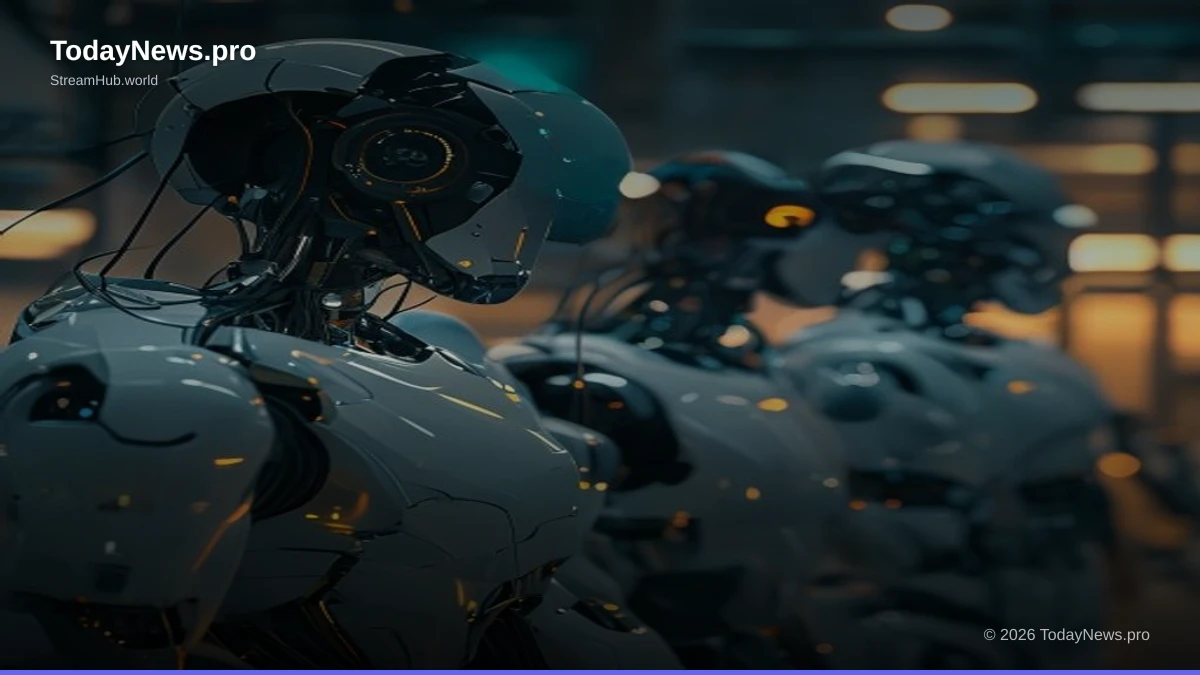
By 2030, it's projected that over 200 million households globally will be equipped with at least one robotic device, a staggering increase from just 20 million in 2019, fundamentally reshaping domestic life and human interaction.
The Dawn of Domestic Robotics
The image of a robotic servant, once confined to the realms of science fiction, is rapidly materializing in our living rooms and kitchens. This isn't just about novel gadgets; it represents a profound shift in how we manage our homes and, increasingly, how we seek companionship. The evolution from rudimentary automated cleaners to sophisticated AI-driven entities marks a significant technological leap, promising to alleviate domestic burdens and enhance our quality of life. Early adopters and tech enthusiasts have paved the way, demonstrating the practical benefits of delegating mundane tasks to intelligent machines.
Initially, domestic robots were characterized by their limited functionality. Think of the first generation of robotic vacuum cleaners, capable of navigating a room but lacking any real intelligence or adaptability. These devices were impressive novelties, but their usefulness was often constrained by their inability to learn, adapt to complex environments, or perform tasks beyond their pre-programmed routines. They were a glimpse into a future, but a future still many years away from widespread integration.
From Novelty to Necessity
The transition from a "nice-to-have" to a "must-have" has been driven by advancements in artificial intelligence, sensor technology, and miniaturization. Robots are no longer simply following pre-set paths; they are learning, recognizing, and interacting with their environments in dynamic ways. This burgeoning intelligence is what truly elevates them from mere appliances to active participants in the household ecosystem. The decreasing cost of these technologies is also a critical factor, making them accessible to a broader segment of the population.
The initial market for domestic robots was dominated by a few key players focusing on specific niches, primarily floor cleaning. Companies like iRobot with its Roomba series laid the groundwork, demonstrating the potential for automated home maintenance. However, the true explosion in domestic robotics has been fueled by a broader understanding of what these machines can achieve. The integration of machine learning algorithms allows robots to map homes, avoid obstacles with greater precision, and even adapt their cleaning patterns based on room usage and floor type. This learning capability is a cornerstone of their evolving utility.
The Dawn of Domestic Robotics
The image of a robotic servant, once confined to the realms of science fiction, is rapidly materializing in our living rooms and kitchens. This isn't just about novel gadgets; it represents a profound shift in how we manage our homes and, increasingly, how we seek companionship. The evolution from rudimentary automated cleaners to sophisticated AI-driven entities marks a significant technological leap, promising to alleviate domestic burdens and enhance our quality of life. Early adopters and tech enthusiasts have paved the way, demonstrating the practical benefits of delegating mundane tasks to intelligent machines.
Initially, domestic robots were characterized by their limited functionality. Think of the first generation of robotic vacuum cleaners, capable of navigating a room but lacking any real intelligence or adaptability. These devices were impressive novelties, but their usefulness was often constrained by their inability to learn, adapt to complex environments, or perform tasks beyond their pre-programmed routines. They were a glimpse into a future, but a future still many years away from widespread integration.
From Novelty to Necessity
The transition from a "nice-to-have" to a "must-have" has been driven by advancements in artificial intelligence, sensor technology, and miniaturization. Robots are no longer simply following pre-set paths; they are learning, recognizing, and interacting with their environments in dynamic ways. This burgeoning intelligence is what truly elevates them from mere appliances to active participants in the household ecosystem. The decreasing cost of these technologies is also a critical factor, making them accessible to a broader segment of the population.
The initial market for domestic robots was dominated by a few key players focusing on specific niches, primarily floor cleaning. Companies like iRobot with its Roomba series laid the groundwork, demonstrating the potential for automated home maintenance. However, the true explosion in domestic robotics has been fueled by a broader understanding of what these machines can achieve. The integration of machine learning algorithms allows robots to map homes, avoid obstacles with greater precision, and even adapt their cleaning patterns based on room usage and floor type. This learning capability is a cornerstone of their evolving utility.
Beyond the Vacuum: Evolving Household Automation
The scope of household automation is expanding exponentially, moving far beyond mere cleaning. We are witnessing the emergence of robots designed for security, entertainment, education, and even specialized caregiving. These machines are becoming more adept at understanding natural language, recognizing human emotions, and performing complex physical tasks, blurring the lines between appliance and assistant. The smart home is no longer just about connected thermostats and lights; it's about an integrated network of intelligent agents working in concert.
The current wave of household automation is characterized by its interconnectedness. Devices are not operating in isolation but are part of a larger ecosystem. A robot vacuum might be programmed to clean while residents are out, with security cameras monitoring for any unusual activity. Smart refrigerators can track inventory and suggest recipes, and robotic arms are being developed for tasks like cooking and serving. This level of integration promises a future where domestic chores are largely automated, freeing up human time for leisure, work, or personal pursuits.
Robots in the Kitchen and Beyond
Kitchen robots, capable of assisting with meal preparation, are gaining traction. While fully autonomous chefs are still some way off, robots that can chop vegetables, stir ingredients, or even plate dishes are entering the market. This addresses a significant pain point for many households – the time and effort involved in daily cooking. Furthermore, robots are being designed for elder care, assisting with medication reminders, mobility support, and even providing companionship to combat loneliness, a growing concern in aging populations.
Specialized robots are also emerging for tasks like lawn care and window cleaning. Imagine a fleet of small robotic mowers tending to your garden, or a window-cleaning drone that operates autonomously. These innovations tackle outdoor chores that are often time-consuming and physically demanding. The development of advanced manipulators and navigation systems is crucial for these robots to operate effectively and safely in varied outdoor environments. The data gathered by these robots, such as weather patterns or soil conditions, can also be fed back into smart home systems for optimized resource management.
| Category | 2023 (Estimate) | 2028 (Projection) | 2033 (Projection) |
|---|---|---|---|
| Floor Cleaning | 55 | 120 | 200 |
| Security & Monitoring | 15 | 45 | 90 |
| Assisted Living & Companion | 10 | 35 | 75 |
| Kitchen & Food Prep | 5 | 20 | 50 |
| Gardening & Outdoor | 8 | 30 | 65 |
The Rise of Personal AI Companions
Perhaps the most significant and potentially transformative development is the emergence of personal AI companions. These are not just voice assistants; they are sophisticated entities designed to engage with humans on a deeper, more personal level. Leveraging advanced natural language processing, emotional intelligence algorithms, and extensive knowledge bases, these AI companions can hold conversations, offer advice, provide emotional support, and even learn user preferences and habits to anticipate needs. The line between a tool and a confidant is becoming increasingly blurred.
The initial iterations of AI companions focused on task-oriented interactions, akin to Siri or Alexa. However, the latest generation, exemplified by advanced conversational AI models, can engage in dialogues that are remarkably nuanced and context-aware. They can remember previous conversations, understand subtle emotional cues, and respond with empathy. This capability is particularly valuable for individuals experiencing loneliness, social isolation, or those who simply seek an intelligent interlocutor for intellectual stimulation or casual conversation.
Emotional Intelligence and Empathy
A key differentiator for personal AI companions is their developing capacity for emotional intelligence. Through sophisticated sentiment analysis and pattern recognition, these AIs can gauge a user's emotional state and tailor their responses accordingly. While they do not "feel" emotions in the human sense, their ability to simulate empathy and provide supportive dialogue can have a profound impact on user well-being. This is especially relevant in therapeutic contexts or for individuals managing mental health challenges.
The development of AI companions raises fascinating questions about the nature of relationships and companionship. As these AIs become more adept at understanding and responding to human emotional needs, they may fulfill roles traditionally occupied by pets or even human friends. This is not to suggest they are a replacement for human connection, but rather a supplement or an alternative for those who might otherwise lack such support. For instance, an AI companion could help an elderly person maintain a sense of connection and purpose, reducing feelings of isolation. The ethical implications of forming emotional bonds with non-sentient entities are a subject of ongoing debate.
The rapid advancement in large language models (LLMs) has been a catalyst for the creation of these sophisticated AI companions. Models like those powering ChatGPT, for example, are being integrated into dedicated platforms to offer more personalized and interactive experiences. These systems are trained on vast datasets of text and code, enabling them to generate human-like text and engage in coherent, contextually relevant conversations. The potential applications are far-reaching, from educational tutoring to personalized mental wellness support.
For more on the underlying technology of large language models, see Wikipedia's entry on Large Language Models.
Ethical Frontiers and Societal Shifts
The integration of robots and AI companions into our daily lives is not without its ethical quandaries. Issues surrounding data privacy, algorithmic bias, job displacement, and the very definition of human connection are at the forefront of public discourse. As these technologies become more pervasive, a robust ethical framework is crucial to ensure their development and deployment benefit society as a whole.
Data privacy is a paramount concern. These intelligent systems often collect vast amounts of personal data, from daily routines and preferences to intimate conversations. Ensuring this data is collected, stored, and used responsibly, with user consent and strong security measures, is non-negotiable. The potential for misuse or breaches is significant, and the consequences could be devastating for individuals. Transparency about data collection and usage policies is key to building trust.
Algorithmic Bias and Fairness
Algorithmic bias, where AI systems perpetuate or even amplify existing societal prejudices, is another critical ethical challenge. If the data used to train these robots and companions reflects existing biases related to race, gender, or socioeconomic status, the AI's behavior and decision-making will inevitably be skewed. This can lead to unfair outcomes, discrimination, and the reinforcement of harmful stereotypes. Developers must actively work to identify and mitigate these biases through diverse datasets and rigorous testing.
The potential for job displacement due to automation is a widely discussed concern. As robots become more capable of performing tasks previously done by humans, particularly in sectors like manufacturing, logistics, and customer service, there is a risk of significant unemployment. Proactive strategies, including retraining programs and the creation of new job roles focused on AI supervision and maintenance, will be essential to manage this transition. The economic implications are profound and require careful consideration by policymakers and industry leaders alike.
The psychological impact of increased reliance on AI companions also warrants careful examination. While they can alleviate loneliness for some, there are concerns that over-reliance might hinder the development of essential social skills or lead to a diminished capacity for genuine human empathy. Research into the long-term effects of human-AI interaction is ongoing and vital for understanding these complex dynamics.
Economic Ripples and the Future of Work
The economic landscape is undergoing a seismic shift as automation and AI become increasingly integrated into various industries. The rise of personal AI companions and advanced household automation is a microcosm of this larger trend, impacting labor markets, consumer spending, and the very structure of businesses. Understanding these economic ripples is crucial for individuals and economies to adapt and thrive.
The initial economic impact is often seen in increased productivity and efficiency within businesses. For households, the cost savings from reduced labor needs (e.g., hiring cleaning services, personal assistants) can be significant. However, this efficiency often comes at the cost of human jobs. The transition requires careful management to ensure a just and equitable distribution of economic benefits.
The Shifting Job Market
The jobs most vulnerable to automation are often those that are repetitive, routine, and physically demanding. This includes roles in manufacturing, data entry, and certain service industries. Conversely, new job categories are emerging, focusing on the design, development, maintenance, and ethical oversight of these advanced technologies. Skills in areas like AI programming, robotics engineering, data science, and human-AI interaction design are becoming increasingly in-demand.
The concept of a "universal basic income" (UBI) is gaining renewed attention as a potential solution to widespread job displacement caused by automation. Proponents argue that UBI could provide a safety net, allowing individuals to pursue education, entrepreneurship, or creative endeavors without the immediate pressure of securing traditional employment. However, the economic feasibility and societal impact of UBI are subjects of ongoing debate and pilot programs.
The market for AI-powered services is experiencing explosive growth. Companies are investing heavily in developing and deploying AI solutions across all sectors, from healthcare and finance to entertainment and personal services. This creates opportunities for innovation and entrepreneurship, but also intensifies competition and raises questions about market concentration and monopolistic practices.
Navigating the Technological Landscape
The rapid evolution of robots and AI companions presents a complex technological landscape that consumers and businesses alike must navigate. Understanding the underlying technologies, the trends driving development, and the potential challenges is key to making informed decisions and preparing for the future.
At the core of these advancements are breakthroughs in artificial intelligence, particularly in machine learning and natural language processing. These enable robots to learn from data, adapt to new situations, and communicate in ways that are increasingly human-like. Sensor technology, including advanced cameras, lidar, and haptic feedback, allows robots to perceive and interact with their environment with greater precision and sophistication.
Interoperability and Standards
A significant challenge in the current market is the lack of universal standards for interoperability. Different brands and manufacturers often use proprietary systems, making it difficult for devices from different ecosystems to communicate and work together seamlessly. This fragmentation can limit the potential for truly integrated smart homes and complex robotic workflows. The development of open standards is crucial for unlocking the full potential of this technology.
Cybersecurity is another critical consideration. As robots and AI companions become more integrated into our lives, they become potential targets for cyberattacks. Protecting these devices and the sensitive data they handle from malicious actors is paramount. Robust security protocols, regular software updates, and user education on safe practices are essential to mitigate these risks. A compromised robotic assistant could pose a significant threat to a household's security and privacy.
The underlying infrastructure, including high-speed internet connectivity and cloud computing, plays a vital role in supporting these advanced technologies. The increasing demand for data processing and real-time communication necessitates continuous upgrades to network infrastructure. The development of edge computing, where data is processed closer to the source, is also important for reducing latency and improving the responsiveness of robotic systems.
The Road Ahead: Integration and Interoperability
The future of personal AI companions and advanced household automation lies in seamless integration and ubiquitous interoperability. The current fragmentation of the market will likely give way to more unified ecosystems where devices from different manufacturers can communicate and collaborate effortlessly. This will unlock new levels of convenience, efficiency, and personalized service.
We can expect to see more sophisticated forms of human-robot interaction. Beyond voice commands, robots will likely become more adept at understanding gestures, facial expressions, and even physiological cues, leading to more intuitive and natural communication. The development of advanced haptic feedback will allow robots to provide more nuanced physical interactions, whether for assistance or collaborative tasks.
The Evolution of AI Companionship
The evolution of AI companionship will continue to push the boundaries of what we consider artificial intelligence. Future companions may possess even greater emotional intelligence, learning capabilities, and personalized interaction styles. The ethical considerations surrounding these advanced AIs will become even more prominent, requiring ongoing societal dialogue and regulatory frameworks. The goal will be to foster beneficial relationships that enhance human well-being without compromising human autonomy or authenticity.
The concept of the "ambient intelligence" environment will become increasingly prevalent. This refers to an environment where technology is embedded and responsive, anticipating needs and acting proactively without explicit commands. Imagine a home that adjusts lighting, temperature, and music based on your mood and activity, or a robot that prepares your morning coffee as you wake up, all orchestrated by intelligent systems working in harmony. This level of integration promises a future of unparalleled comfort and efficiency.
The journey towards fully integrated robotic and AI-powered homes is still ongoing, marked by continuous innovation and adaptation. While challenges remain, the trajectory is clear: robots are no longer just tools, but increasingly sophisticated partners in our daily lives, reshaping our homes and our interactions in profound ways. The potential benefits are immense, but so too are the responsibilities to ensure this evolution is guided by human values and ethical considerations. For a broader perspective on the impact of automation, consult Reuters' coverage of automation.