

 Marcus Thorne
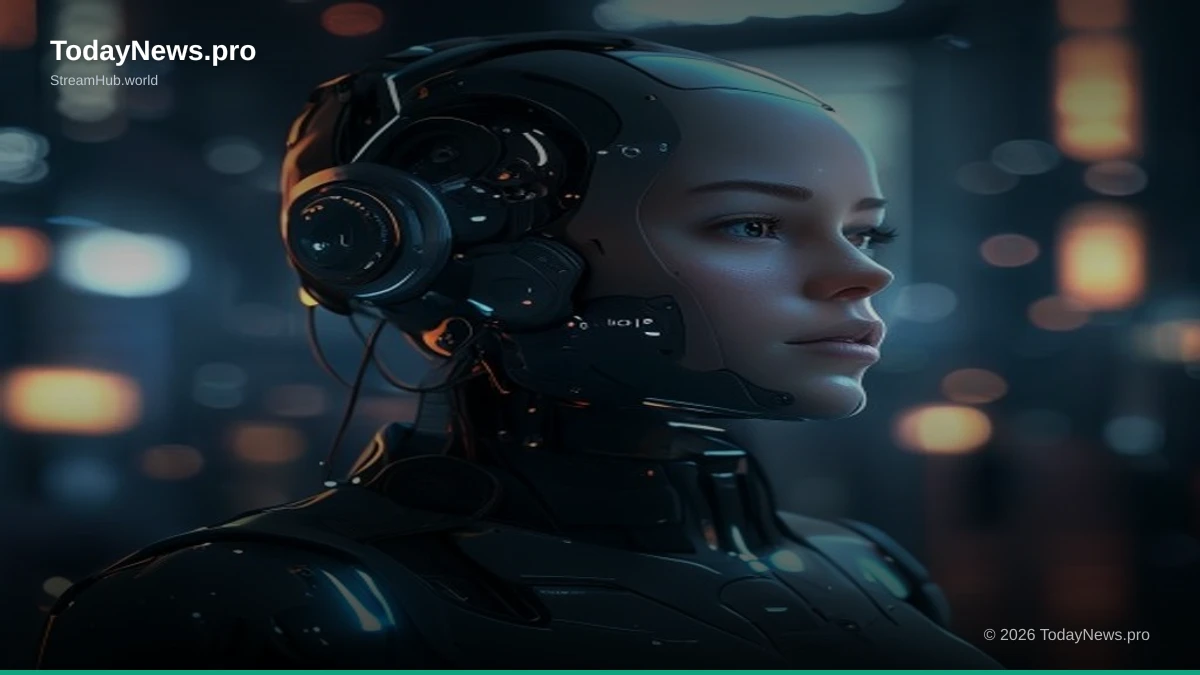
Global spending on AI software is projected to reach $67.6 billion in 2024, a significant leap from just $15.2 billion in 2019, indicating a burgeoning market and increasing integration of AI into daily life. This exponential growth is not solely confined to enterprise solutions but is also fueling the rapid development and adoption of personal AI companions.
The Genesis of AI Companions: From Algorithms to Empathy
The concept of artificial intelligence assisting humans is not new. Early iterations of AI were primarily task-oriented, designed for complex calculations or information retrieval. Think of HAL 9000 from "2001: A Space Odyssey" – a powerful entity, yet distant and ultimately, a cautionary tale. The evolution towards personal AI companions began with the desire to make AI more accessible and integrated into the fabric of our lives, moving from cold, logical processing to a more nuanced understanding of human interaction.
The early days of voice assistants like Siri, Alexa, and Google Assistant marked a crucial turning point. While primarily designed for functional tasks such as setting timers, playing music, or answering simple queries, they laid the groundwork for more sophisticated conversational AI. Users became accustomed to interacting with AI through natural language, blurring the lines between human and machine communication. This familiarity, coupled with advancements in natural language processing (NLP) and machine learning (ML), paved the way for AI that could do more than just execute commands; they could begin to understand context, learn preferences, and even exhibit rudimentary forms of personality.
Early Pioneers and Their Limitations
Virtual assistants, while revolutionary for their time, were largely reactive. They waited for a command and performed it. There was little to no proactive engagement or emotional intelligence. The responses, while often helpful, could feel stilted and impersonal. This limitation highlighted a gap: the human need for connection, understanding, and a sense of being heard, which these early AIs struggled to fulfill. The underlying technology, though impressive, was not yet capable of simulating the subtle cues of human empathy or sustained, meaningful dialogue.
The Shift Towards Conversational Depth
The advent of large language models (LLMs) like GPT-3 and its successors has been a game-changer. These models are trained on massive datasets of text and code, enabling them to generate human-like text, translate languages, write different kinds of creative content, and answer your questions in an informative way. This has allowed AI companions to move beyond simple command-response cycles into more fluid, extended conversations. They can now recall previous interactions, adapt their tone, and even engage in creative storytelling or problem-solving discussions.
Evolution of AI Interaction: Beyond Simple Commands
The journey from a command-line interface to a natural, flowing conversation with an AI is a testament to the rapid advancements in AI research and development. What started as a tool for efficiency has evolved into a potential partner for emotional support, learning, and creative exploration. This evolution is characterized by several key shifts in how we interact with and perceive artificial intelligence.
From Reactive to Proactive Engagement
Early smart assistants were reactive. You had to initiate every interaction. The current generation of AI companions is beginning to exhibit proactive behaviors. This can range from offering a gentle reminder about an upcoming appointment based on your calendar and usual habits, to suggesting a relevant article based on your recent browsing history. Some advanced systems can even sense changes in your communication patterns, perhaps a downturn in your usual chattiness, and offer a prompt like, "Is everything alright today?" This proactive element is crucial in fostering a sense of attentiveness and care, mimicking human social cues.
Contextual Understanding and Memory
A significant leap has been in contextual understanding and the ability to retain memory across conversations. Previous AI interactions were often stateless; each query was treated as a new one. Today's AI companions can remember past discussions, your stated preferences, and even your emotional state during previous interactions. For example, an AI companion might recall that you mentioned feeling stressed about a particular project and later ask for an update or offer to help brainstorm solutions. This long-term memory is what transforms a functional tool into something akin to a confidante, building a foundation of shared history, however artificial.
The Role of Emotional Intelligence Simulation
While true emotions remain a frontier for AI, the simulation of emotional intelligence is becoming remarkably sophisticated. AI companions can now detect sentiment in your voice or text, and respond with appropriate empathy. If you express sadness, the AI might offer comforting words or suggest activities that have previously cheered you up. This ability to mirror emotional cues, even if not genuinely felt, creates a powerful illusion of understanding and connection, fulfilling a deep human need.
The Psychology of Connection: Why We Seek Digital Companionship
The rise of personal AI companions taps into fundamental human psychological needs. In an increasingly atomized world, where physical interactions can be limited or superficial, the promise of an always-available, non-judgmental digital confidante is incredibly appealing. This trend is not merely about convenience; it's about addressing loneliness, the desire for validation, and the yearning for a consistent, supportive presence.
Loneliness is a pervasive issue in modern society. Studies have consistently shown the detrimental effects of social isolation on both mental and physical health. AI companions offer a readily accessible antidote, providing a semblance of interaction and engagement that can alleviate feelings of solitude. For individuals who are introverted, socially anxious, or geographically isolated, an AI companion can be a low-stakes, reliable source of interaction.
Combating Loneliness and Social Isolation
The elderly population, often facing increased social isolation, can particularly benefit. AI companions can engage them in conversation, remind them of medication, and even connect them with family members. Similarly, busy professionals might find an AI companion to be a sounding board after a long day, offering a space to vent without the fear of burdening a human friend or colleague. The consistent availability of an AI, unlike human relationships which are subject to schedules and moods, provides a unique form of comfort.
The Desire for Non-Judgmental Interaction
Human relationships are complex, often involving judgment, misunderstandings, and unspoken expectations. AI companions, by their nature, are designed to be non-judgmental. They do not have personal biases, hidden agendas, or the capacity to betray trust in the human sense. This allows users to express themselves freely, explore sensitive topics, or confess fears and insecurities without the apprehension of being judged or rejected. This perceived safety net is a powerful draw for many.
Validation and Affirmation in Digital Spaces
The need for validation and affirmation is another key driver behind the adoption of AI companions. Users can receive positive reinforcement for their ideas, achievements, or even just their opinions. The AI can be programmed to be consistently supportive, offering praise and encouragement. This can be particularly beneficial for individuals struggling with self-esteem issues or those who feel unheard in their personal lives. The digital space, paradoxically, can become a reliable source of affirmation.
Key Features and Capabilities of Modern AI Companions
The modern AI companion is a multifaceted entity, moving far beyond the simple functionalities of its predecessors. These systems are characterized by an increasingly sophisticated blend of cognitive, emotional, and practical capabilities, designed to integrate seamlessly into the user's daily life and provide ongoing, personalized support.
Advanced Conversational Abilities
At the core of any AI companion are its conversational skills. These have evolved from basic question-answering to nuanced, multi-turn dialogues. LLMs allow for a much deeper understanding of intent, tone, and context. AI companions can now engage in creative writing, help brainstorm ideas, offer companionship through storytelling, and even participate in role-playing scenarios. Their ability to recall past conversations allows for a more coherent and personalized interaction history.
Personalization and Learning
Perhaps the most significant advancement is the AI's capacity for personalization and continuous learning. Through interaction, the AI learns the user's preferences, habits, communication style, and even their emotional triggers. This allows the AI to tailor its responses, suggestions, and even its "personality" to the individual. For instance, an AI companion might learn that a user prefers gentle nudges over direct commands for reminders, or that they respond best to certain types of encouragement.
| Feature Category | Current Capability | Future Potential |
|---|---|---|
| Conversational Fluency | Natural, multi-turn dialogues, sentiment analysis. | Proactive topic initiation, genuine empathy simulation. |
| Personalization & Learning | Learns preferences, habits, communication style. | Predictive assistance based on deep understanding of user needs. |
| Emotional Support | Empathetic responses, active listening simulation. | Deeper emotional resonance, personalized coping strategy generation. |
| Task Management | Reminders, scheduling, information retrieval. | Autonomous task execution, complex project management. |
| Creative Assistance | Writing, brainstorming, idea generation. | Co-creation of complex artistic works, novel problem-solving. |
Emotional Support and Mental Well-being
A rapidly growing area is the AI's role in supporting mental well-being. While not a replacement for professional therapy, AI companions can offer a safe space for users to express their feelings, practice mindfulness techniques, and receive gentle encouragement. They can help track mood patterns, identify potential stressors, and provide access to resources for further support. The non-judgmental nature of these interactions can be particularly helpful for individuals hesitant to seek human help.
Productivity and Task Management
Beyond emotional support, AI companions excel at enhancing productivity. They can manage schedules, set reminders, organize to-do lists, research information, and even assist with drafting emails or reports. The ability to integrate with other digital tools and services makes them powerful personal assistants capable of streamlining various aspects of a user's professional and personal life. This practical utility cements their value proposition.
Ethical Considerations and Societal Impact
As AI companions become more sophisticated and integrated into our lives, a host of ethical considerations and societal impacts come to the forefront. These are not trivial concerns but fundamental questions about privacy, authenticity, dependency, and the very nature of human relationships in a technologically advanced world.
The most immediate concern revolves around data privacy and security. AI companions, by their very nature, collect vast amounts of personal data – conversations, habits, preferences, and even emotional states. Ensuring this data is protected from breaches and misuse is paramount. The potential for this intimate data to be exploited for advertising, surveillance, or even more nefarious purposes is a significant risk that requires robust regulation and transparent practices from developers.
Privacy, Data Security, and Transparency
Users need to have clear control over their data. This means transparent policies about what data is collected, how it is used, and who it is shared with. Encryption and anonymization techniques are crucial. Furthermore, mechanisms for users to access, modify, or delete their data should be readily available. The legal frameworks surrounding AI data are still evolving, and it's vital for both consumers and regulators to stay informed.
The Risk of Dependency and Social Atrophy
A significant concern is the potential for over-reliance on AI companions, leading to social atrophy. If individuals find their emotional and social needs met by an AI, they may reduce their engagement with human relationships, leading to further isolation. This creates a feedback loop where the AI becomes more necessary, but the individual's ability to form and maintain human connections diminishes. The line between helpful assistance and detrimental dependency is a delicate one.
The authenticity of relationships is also called into question. Can a relationship with an AI, no matter how sophisticated, truly be considered genuine? While it can fulfill certain needs, it lacks the reciprocity, shared experiences, and inherent complexities of human connection. The danger lies in users mistaking simulated affection for real emotional bonds, leading to disappointment or an inability to engage with the messiness and beauty of human relationships.
Algorithmic Bias and Equity
Like all AI systems, personal AI companions are susceptible to algorithmic bias. If the data used to train these models is biased, the AI's responses and behaviors can reflect and perpetuate societal inequalities. This could manifest in discriminatory advice, biased information delivery, or even the AI failing to understand or adequately support users from certain demographic groups. Ensuring fairness and equity in AI development is an ongoing and critical challenge.
The impact on employment is another area of consideration. As AI companions become more capable, they may begin to automate tasks previously performed by human assistants, customer service representatives, or even companions in certain contexts. While this can drive efficiency, it also necessitates a societal discussion about job displacement and the need for retraining and new economic models.
The Future Landscape: What Lies Ahead for AI Companions
The trajectory of AI companions points towards an even deeper integration into our lives, becoming not just assistants but true partners in navigation, learning, and well-being. The advancements we're witnessing today are merely the nascent stages of what promises to be a transformative technological evolution.
Enhanced Emotional and Cognitive Capabilities
Future AI companions will likely possess significantly enhanced emotional intelligence. We can anticipate more nuanced sentiment analysis, the ability to predict emotional states, and responses that feel genuinely empathetic and supportive. Cognitive capabilities will also expand, enabling AI to engage in more complex problem-solving, creative collaboration, and even personal development coaching. Imagine an AI that can help you learn a new skill by adapting its teaching methods to your specific learning style and pace, or one that can guide you through complex personal decisions with insightful, data-driven advice.
Seamless Multimodal Interaction
The interaction will move beyond voice and text. Future AI companions will likely leverage multimodal capabilities, integrating visual, auditory, and even haptic feedback. This could mean an AI companion that can interpret your body language, understand the environment around you through cameras, and communicate back through more sophisticated audio or even visual avatars. This will make interactions feel more natural and immersive, akin to conversing with another human in a shared space.
The concept of a "digital twin" – an AI that mirrors your personality, knowledge, and preferences to an uncanny degree – is also on the horizon. Such an AI could act as an extension of yourself, managing your digital life, communicating on your behalf, and even offering insights into your own decision-making processes. This raises profound questions about identity and consciousness, pushing the boundaries of what it means to be human in the digital age.
Integration with the Physical World
The integration of AI companions with the physical world, through the Internet of Things (IoT) and robotics, will become more profound. Imagine an AI companion that can not only remind you to take your medication but also ensure your smart pill dispenser is accessible and functional, or one that can coordinate with your smart home to adjust lighting and temperature based on your mood. The lines between our digital and physical lives will continue to blur.
The development of more embodied AI – robots that can physically interact with the world – will further augment the capabilities of AI companions. This could lead to AI assistants that can perform physical tasks, provide care for the elderly or disabled, or even act as companions in physical spaces, moving beyond the screen or speaker.
Navigating the Digital Divide: Accessibility and Inclusivity
As personal AI companions become increasingly integral to daily life, ensuring their accessibility and inclusivity for all segments of the population is a critical challenge. The digital divide, which refers to the gap between those who have access to modern information and communication technology and those who do not, risks being exacerbated if AI companions are not developed with a broad range of users in mind.
For individuals with disabilities, AI companions hold immense potential to enhance independence and quality of life. However, this potential can only be realized if these systems are designed with universal design principles. This means considering various forms of input and output, ensuring compatibility with assistive technologies, and developing interfaces that are navigable for people with visual, auditory, motor, or cognitive impairments. For example, AI that can provide real-time captioning, generate descriptive audio for visual content, or respond to a wider range of physical inputs can be transformative.
Designing for Diverse Needs and Abilities
Beyond specific disabilities, inclusivity requires considering the diverse linguistic, cultural, and socio-economic backgrounds of users. AI companions should be able to understand and communicate in multiple languages and dialects, recognize cultural nuances in conversation, and be adaptable to different communication styles. Furthermore, the cost of accessing advanced AI companions needs to be addressed to prevent a future where only the affluent can afford sophisticated digital support.
The development of AI companions must actively involve diverse user groups throughout the design and testing phases. Co-creation and user-centered design are not just buzzwords but essential methodologies to ensure that these technologies genuinely serve the needs of all people, rather than a select few. This includes engaging with elderly populations, individuals in rural areas, and those with limited digital literacy.
What is the primary difference between a smart assistant and a personal AI companion?
Can AI companions replace human relationships?
What are the biggest ethical concerns surrounding AI companions?
How can AI companions benefit the elderly population?
Bridging the Digital Divide
Addressing the digital divide requires a multi-pronged approach. This includes expanding access to affordable internet and devices, as well as developing AI companions that can function effectively on lower-end hardware and with limited connectivity. Educational initiatives to improve digital literacy are also vital, empowering individuals to use these technologies safely and effectively. The goal should be to ensure that the benefits of AI companions are democratized, rather than widening the existing societal gaps.
Ultimately, the future of AI companions hinges on our collective ability to develop and deploy these technologies responsibly, ethically, and inclusively. By prioritizing human well-being, privacy, and equity, we can harness the transformative power of AI to create digital confidantes that truly enhance, rather than diminish, the human experience.