

 Elena Kogan
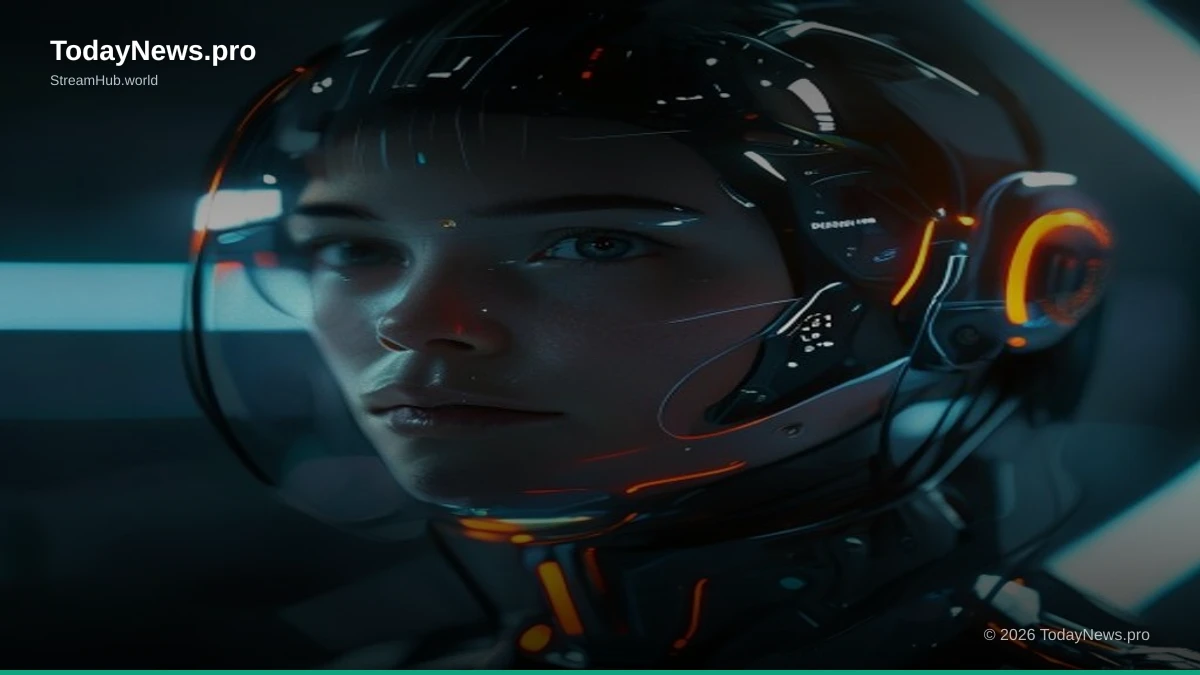
By 2030, an estimated 95% of all digital interactions will be powered by artificial intelligence, with a significant portion of that being hyper-personalized assistants, according to recent industry forecasts.
The Dawn of Hyper-Personalized AI
We stand at the precipice of a profound shift in our relationship with technology. For years, we've interacted with digital tools that are largely one-size-fits-all. Voice assistants like Siri, Alexa, and Google Assistant have become commonplace, offering convenience through basic commands and information retrieval. However, the next wave of artificial intelligence is set to redefine this dynamic entirely. We are entering the era of the hyper-personalized AI assistant, a sophisticated digital companion designed not just to respond to our queries, but to anticipate our needs, understand our nuances, and ultimately, know us better than we might know ourselves. This isn't science fiction; it's the rapidly unfolding reality of AI development.
This evolution is driven by advancements in machine learning, natural language processing (NLP), and the ever-increasing availability of data. These technologies are converging to create AI systems that can learn, adapt, and evolve with each user, forming a uniquely tailored digital experience. The implications are vast, touching everything from personal productivity and well-being to how we interact with businesses and the world around us. The revolution is not just about smarter tools; it's about a deeper, more intimate integration of AI into the fabric of our lives.
Beyond Siri and Alexa: Whats New?
The current generation of AI assistants, while impressive, operates on a relatively superficial level of understanding. They are excellent at executing specific commands, answering factual questions, and performing predefined tasks. However, their ability to grasp context, remember past interactions in a deeply meaningful way, and infer user intent based on subtle cues is limited. They lack the persistent memory and the nuanced emotional intelligence that characterizes human relationships.
Hyper-personalized AI assistants, conversely, aim to bridge this gap. They are being engineered to possess a much richer understanding of an individual's preferences, habits, emotional state, and even their unspoken desires. This is achieved through continuous learning from a vast array of personal data points, processed in real-time. Imagine an assistant that doesn't just remind you to take your medication, but understands the subtle signs of stress that might indicate you're forgetting, and proactively offers a calming playlist or suggests a brief meditation session. This is the leap we are witnessing.
The Pillars of Hyper-Personalization
The development of AI that knows you intimately is built upon several interconnected technological pillars. These elements work in concert to create an assistant that is not only intelligent but also deeply attuned to the individual user. Without these foundational components, the dream of a truly personalized AI would remain just that – a dream.
Data Ingestion and Contextual Understanding
The bedrock of hyper-personalization is the ability of an AI to ingest and interpret a vast ocean of data about its user. This includes explicit data, such as calendar entries, contact lists, and app usage, but also implicit data. Implicit data can range from the tone of voice and word choice in a conversation to browsing history, location patterns, and even biometric data from wearable devices. The AI must not only collect this data but also understand the context in which it is generated. For instance, recognizing that a late-night email draft might indicate creative inspiration rather than an urgent work task requires deep contextual awareness.
Sophisticated NLP models are crucial here. They go beyond keyword recognition to understand sentiment, nuance, and underlying intent. Coupled with advanced machine learning algorithms, the AI can build a dynamic, evolving profile of the user, constantly refining its understanding with every interaction. This is akin to a human developing an intuitive grasp of a friend's moods and needs over years of shared experience, but at an exponentially faster rate.
Adaptive Learning and Predictive Capabilities
Once data is ingested and understood, the AI must possess the ability to learn and adapt. This isn't about static programming; it's about continuous improvement. Every interaction, every successful or unsuccessful prediction, feeds back into the AI's learning models, allowing it to refine its algorithms and become more accurate over time. This adaptive learning is what allows the AI to move from reactive assistance to proactive anticipation.
Predictive capabilities are the direct outcome of this adaptive learning. The AI can forecast future needs based on past behavior and current context. If you typically order groceries every Friday evening, a hyper-personalized assistant might proactively suggest a shopping list based on your usual purchases and current pantry inventory, even before you think to ask. If your calendar shows a stressful week ahead, it might automatically suggest blocking out time for relaxation or mindfulness exercises. This predictive power is what truly sets these assistants apart, transforming them from tools into indispensable partners.
Proactive Assistance and Seamless Integration
The ultimate goal of hyper-personalization is proactive assistance. Instead of waiting for a command, the AI initiates helpful actions. This could involve optimizing your commute based on real-time traffic and your meeting schedule, suggesting relevant articles based on your current research project, or even managing your smart home devices to create an optimal environment for focus or relaxation. The key is that these actions are not intrusive but are instead contextually relevant and genuinely helpful.
Seamless integration across all your devices and platforms is also paramount. A truly hyper-personalized assistant shouldn't be confined to a single device. It needs to follow you across your smartphone, laptop, smart watch, and home devices, maintaining a consistent and evolving understanding of your needs. This omnipresence, combined with proactive capabilities, allows the AI to weave itself into the fabric of your daily life, making tasks smoother and freeing up your cognitive resources.
The Ethical Labyrinth: Privacy, Security, and Bias
As AI assistants become more ingrained in our lives and gain unprecedented access to personal data, the ethical considerations become paramount. The potential for misuse, breaches, and unintended consequences is significant, demanding careful navigation by developers, regulators, and users alike. The promise of hyper-personalization is immense, but so are the potential pitfalls.
The Privacy Paradox
The very nature of hyper-personalization relies on the collection and analysis of vast amounts of personal data. This creates a fundamental paradox: to be truly personalized, AI needs to know us intimately, yet this level of data collection raises significant privacy concerns. Users are increasingly aware of how their data is used, and the prospect of an AI knowing more about them than they might be comfortable sharing can be unsettling.
Ensuring robust data anonymization, transparent data usage policies, and granular user control over data sharing are critical. The question of data ownership and the potential for this data to be exploited by third parties or even the AI developers themselves remains a major concern. Without strong ethical frameworks and regulatory oversight, the convenience offered by these assistants could come at an unacceptable cost to individual privacy. The European Union's focus on AI data privacy highlights the growing international concern.
Security: The Ever-Present Threat
The more integrated an AI becomes with our personal lives, the more attractive a target it becomes for malicious actors. A security breach of a hyper-personalized AI assistant could be catastrophic, exposing not just financial information but deeply personal habits, communications, and even physical whereabouts. The interconnected nature of these systems means that a vulnerability in one area could have cascading effects.
Developers must prioritize robust security measures from the ground up. This includes end-to-end encryption, multi-factor authentication, regular security audits, and rapid patching of vulnerabilities. The ongoing arms race between cybersecurity professionals and hackers means that vigilance and continuous adaptation are essential. The stakes are incredibly high, as a compromised AI assistant could become a powerful tool for identity theft, blackmail, or even more insidious forms of manipulation.
Algorithmic Bias and Fairness
AI systems learn from data, and if that data reflects societal biases, the AI will inevitably perpetuate and even amplify those biases. In the context of hyper-personalized assistants, this could manifest in discriminatory ways. For example, an AI might inadvertently steer users towards certain products or services based on their demographic profile rather than their genuine needs, or it might offer less effective assistance to certain groups due to biased training data.
Addressing algorithmic bias requires a multi-pronged approach. This includes curating diverse and representative training datasets, developing fairness-aware machine learning algorithms, and implementing rigorous testing and auditing processes. Human oversight and the ability for users to challenge or correct biased outputs are also crucial. Ensuring that hyper-personalized AI is fair and equitable for all users is not just an ethical imperative but a requirement for broad societal acceptance.
Industry Impact and Market Projections
The advent of hyper-personalized AI assistants is poised to reshape numerous industries and create entirely new markets. The economic and societal implications are profound, signaling a significant shift in how businesses operate and how consumers engage with technology. This revolution isn't confined to the tech sector; its ripples will be felt across the global economy.
The Shifting Landscape of Tech
Technology giants are already investing heavily in this domain, recognizing the potential for market dominance. Companies are racing to develop more sophisticated AI models, secure vast datasets, and integrate these assistants into their existing ecosystems. This will likely lead to increased competition, with a focus on differentiation through the depth and quality of personalization offered.
Startups are also playing a crucial role, often focusing on niche applications or innovative approaches to AI personalization. The market is expected to grow exponentially, with analysts predicting a surge in demand for AI-powered services that offer tailored experiences. This includes everything from personalized education platforms and healthcare management tools to bespoke entertainment recommendations and financial advisory services. The advancement of AI as a whole is fueling this growth.
| Year | Global Market Size | Compound Annual Growth Rate (CAGR) |
|---|---|---|
| 2023 | 12.5 | - |
| 2024 | 17.2 | 37.6% |
| 2025 | 23.8 | 38.4% |
| 2026 | 32.9 | 38.7% |
| 2027 | 45.5 | 38.3% |
| 2028 | 62.8 | 38.1% |
Consumer Adoption and Expectation
As hyper-personalized AI assistants become more capable and seamlessly integrated into daily life, consumer adoption is expected to accelerate. Early adopters will champion the benefits of increased efficiency, reduced cognitive load, and a more intuitive technological experience. This will, in turn, drive broader acceptance as the technology becomes more mainstream.
However, consumer expectations are also evolving. Users will demand not just functional assistance but also emotional intelligence, ethical behavior, and a sense of trustworthiness from their AI companions. The ability of these assistants to genuinely understand and cater to individual needs, while respecting privacy and security, will be the key differentiator in gaining and retaining user loyalty. The transition from a tool-based relationship with technology to a companion-based one is well underway.
The Future is Now: Glimpses of Tomorrow
The hyper-personalized AI assistant is not a distant vision; it is a present reality rapidly taking shape. The innovations we are seeing today are merely the first steps in a journey that promises to fundamentally alter human-computer interaction and, by extension, human life itself. The possibilities are as boundless as our imagination.
AI as a Cognitive Extension
The most profound impact of hyper-personalized AI will be its role as an extension of our own cognitive abilities. Imagine an AI that not only remembers every fact you've ever encountered but can intelligently retrieve and synthesize that information in real-time, helping you make better decisions, learn faster, and solve complex problems with unprecedented ease. This goes beyond mere information retrieval; it's about augmenting human intellect.
These assistants could act as personalized tutors, adapting their teaching methods to your learning style and pace. They could serve as sophisticated research partners, sifting through vast amounts of data to uncover insights you might have missed. In essence, they offer the potential to unlock new levels of human creativity, productivity, and understanding by offloading cognitive burdens and amplifying our innate capabilities.
The Democratization of Advanced Assistance
While early AI technologies were often expensive and complex, the trend with hyper-personalized assistants is towards increasing accessibility. As the underlying technology matures and becomes more widespread, these advanced forms of assistance will become available to a broader segment of the population. This has the potential to level the playing field, providing individuals with tools that were once only available to large corporations or highly specialized professionals.
For individuals with disabilities, hyper-personalized AI could be transformative, offering tailored support for communication, navigation, and daily living. For students, it could mean personalized educational pathways that cater to individual strengths and weaknesses. For small business owners, it could provide access to sophisticated analytical and operational tools previously out of reach. This democratization of intelligence is a powerful force for empowerment and social progress.
Navigating the Revolution: Advice for Users and Developers
As we embrace the era of hyper-personalized AI assistants, both users and developers have crucial roles to play in ensuring this revolution is beneficial and ethically sound. Proactive engagement, informed decision-making, and a commitment to responsible development are essential. The future of AI is a shared responsibility.
For users, understanding how these assistants work, the data they collect, and the privacy settings available is paramount. Be an informed consumer of AI technology. Don't be afraid to adjust settings, ask questions, and advocate for your privacy. Familiarize yourself with the capabilities and limitations of your AI assistant. Regularly review permissions and data access. The more aware you are, the better you can leverage the technology while mitigating risks.
Developers, on the other hand, must prioritize ethical considerations from the outset. Building trust with users through transparency, robust security, and a commitment to fairness should be at the core of every development process. Think critically about the potential societal impact of your AI. Implement bias detection and mitigation strategies rigorously. Engage with regulators and ethicists to ensure your technology aligns with societal values. The long-term success of hyper-personalized AI hinges on its ability to be both powerful and trustworthy.