

 David Chen
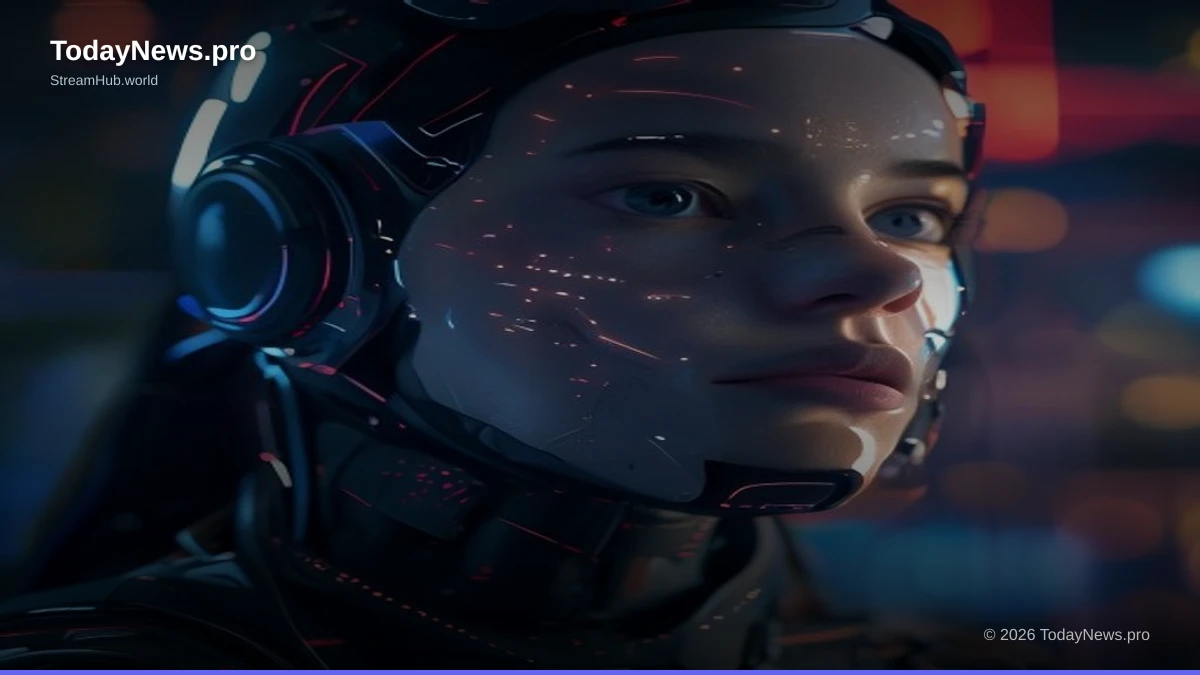
By late 2023, generative AI models had already been used by an estimated 300 million people globally, indicating a seismic shift in human-computer interaction that is rapidly accelerating towards personalized digital entities.
The Dawn of the Digital Twin: From Assistants to Companions
The term "personal AI agent" conjures images far beyond the simple voice commands of Siri or Alexa. We are on the cusp of a profound transformation, moving from rudimentary digital assistants to sophisticated, personalized AI entities that can understand, anticipate, and act on our behalf. These are not just tools; they are becoming digital doppelgängers, extensions of ourselves imbued with intelligence, memory, and a deep understanding of our individual needs, preferences, and even our emotional states. This evolution promises to redefine productivity, personal organization, and even our very concept of digital identity.
For years, our interaction with computers has been largely transactional. We issue commands, and the machine responds. The current generation of AI, however, is capable of learning, adapting, and generating novel outputs. When applied to a personal context, this generative power allows for the creation of agents that can actively manage our digital lives, curate information, and even engage in creative tasks alongside us. This shift from reactive to proactive intelligence marks a significant leap, suggesting a future where our digital companions are not merely tools but integral partners in navigating the complexities of modern life.
The concept of a digital twin, traditionally applied to physical assets like jet engines or city infrastructure, is now being democratized. Imagine an AI agent that has absorbed your communication style, understands your work priorities, knows your family's schedule, and can even recall a casual conversation you had weeks ago. This is the promise of the personal AI agent: a digital extension of your consciousness, capable of performing tasks with an intimacy and foresight previously unimaginable.
Beyond Simple Commands: The Nuance of Understanding
Current voice assistants are adept at executing specific, pre-programmed commands. "Set a timer for 10 minutes," or "What's the weather like?" are well within their capabilities. However, they struggle with ambiguity, context switching, and inferring intent from nuanced language. Personal AI agents, on the other hand, are being designed to overcome these limitations. They will learn from your interactions, analyze your tone, and cross-reference information from various sources to understand what you truly mean, even when you don't explicitly state it. This deeper level of comprehension is what will distinguish them from today's assistants.
Consider the difference between asking Alexa to play a song and asking your personal AI agent to "find me something similar to that jazz playlist I was listening to on my commute yesterday, but with a more upbeat tempo." The latter requires understanding of context (yesterday's commute), inferring preference (jazz), and applying a qualitative descriptor ("upbeat tempo"). This is the frontier we are approaching.
The Digital Self: Identity and Personalization
The personalization aspect of these agents is paramount. Unlike a generic assistant that serves millions, a personal AI agent will be trained on your data, your habits, your social graph, and your professional network. This creates a truly unique digital entity that reflects and serves your individual needs. The implications for how we manage our digital presence, our communications, and even our personal brands are immense. This digital doppelgänger could become an indispensable part of our identity in the digital realm.
Evolution of AI Assistants: A Timeline of Intelligence
The journey from basic computer programs to sophisticated personal AI agents is a testament to decades of research and development in artificial intelligence. What started as rule-based systems has evolved into complex neural networks capable of understanding and generating human-like text and speech.
| Era | Key Technologies | Representative Examples | Capabilities |
|---|---|---|---|
| Early AI (1950s-1980s) | Symbolic AI, Expert Systems | ELIZA, SHRDLU | Rule-based reasoning, limited natural language understanding (NLU) |
| Machine Learning Era (1990s-2010s) | Supervised Learning, Support Vector Machines (SVMs) | Early search engines, spam filters | Pattern recognition, classification, predictive modeling |
| Deep Learning Revolution (2010s-Present) | Neural Networks, Convolutional Neural Networks (CNNs), Recurrent Neural Networks (RNNs), Transformers | Siri, Alexa, Google Assistant, GPT-3, LaMDA | Advanced NLU, Natural Language Generation (NLG), image recognition, complex task execution |
| Emergence of Personal Agents (Late 2020s - Future) | Large Language Models (LLMs), Reinforcement Learning, Multi-modal AI, Federated Learning | Future iterations of assistants, specialized AI companions | Proactive assistance, deep personalization, contextual understanding, autonomous task execution |
The Pre-AI Era: Rule-Based Systems
Before the advent of machine learning, AI systems relied on meticulously crafted rules and logic. Programs like ELIZA, developed in the mid-1960s, mimicked a Rogerian psychotherapist by using pattern matching and substitution to respond to user input. While impressive for its time, it lacked true understanding and was essentially a sophisticated chatbot with a limited scope.
These systems were brittle, requiring explicit programming for every possible scenario. They could not learn from new data or adapt to unforeseen situations, limiting their practical application to highly constrained environments and academic demonstrations.
The Machine Learning Leap
The introduction of machine learning marked a paradigm shift. Instead of being explicitly programmed, systems could learn from data. This allowed for the development of more robust applications, such as spam filters that could adapt to new types of unwanted emails or search engines that could better understand user queries. However, these systems were often specialized and lacked the generalized intelligence needed for broad personal assistance.
The ability of machine learning models to identify patterns and make predictions opened doors to more dynamic and responsive technologies. This laid the groundwork for the more sophisticated natural language processing capabilities that would follow.
The Transformer Architecture and LLMs
The development of the transformer architecture, particularly with models like GPT-3, has been a watershed moment. These Large Language Models (LLMs) possess an unprecedented ability to understand context, generate coherent and creative text, and perform a wide range of language-based tasks. This is the engine driving the current wave of AI innovation and the foundation for personal AI agents.
The scalability of LLMs, coupled with advances in computing power, has enabled the training of models with billions, even trillions, of parameters. This massive scale allows them to capture intricate patterns and nuances in language that were previously unattainable, leading to a qualitative leap in AI capabilities.
The Technological Underpinnings: What Powers Personal AI Agents?
The creation of personal AI agents is not a single technological breakthrough but rather a convergence of several advanced AI disciplines. These agents leverage sophisticated algorithms, vast datasets, and cutting-edge hardware to achieve their remarkable capabilities.
Large Language Models (LLMs) at Their Core
At the heart of most emerging personal AI agents are powerful Large Language Models. These models are trained on colossal amounts of text and code, enabling them to understand, generate, and manipulate human language with remarkable fluency. They are the architects of conversation, the writers of summaries, and the composers of code snippets that these agents will employ.
The training process for LLMs involves exposing them to diverse datasets from the internet, books, and other textual sources. This allows them to learn grammar, facts, reasoning abilities, and even different writing styles, making them incredibly versatile.
Natural Language Processing (NLP) and Understanding (NLU)
Beyond just generating text, personal AI agents require advanced Natural Language Processing (NLP) and Natural Language Understanding (NLU) capabilities. NLP encompasses the broader field of enabling computers to process and analyze human language, while NLU focuses specifically on a machine's ability to comprehend the meaning, intent, and sentiment behind human language.
This is crucial for agents to decipher the nuances of user requests, understand emotional tone, and grasp context. For example, an agent needs to distinguish between "I'm feeling blue" (an emotional state) and "The sky is blue" (a descriptive observation).
Memory, Context, and Personalization
A key differentiator for personal AI agents is their ability to maintain context and remember past interactions. This requires sophisticated memory architectures that can store and retrieve relevant information from a user's history, preferences, and ongoing tasks. This "long-term memory" is what transforms a stateless assistant into a truly personalized companion.
Techniques like vector databases and attention mechanisms within LLMs are employed to manage and retrieve relevant contextual information efficiently. This allows agents to build a comprehensive profile of the user over time, leading to increasingly accurate and personalized assistance.
Multimodal AI: Beyond Text
The next generation of personal AI agents will not be limited to text-based interactions. Multimodal AI, which can process and understand information from various sources like images, audio, and video, will become increasingly important. This allows agents to understand visual cues, interpret spoken commands with greater accuracy, and even analyze the content of documents or web pages.
Imagine an agent that can look at a photograph of a recipe and then help you find the ingredients or generate a shopping list. Or one that can listen to a lecture and provide a concise summary of the key points. This integration of multiple sensory inputs will make these agents far more versatile and capable.
Capabilities Beyond Imagination: What Can These Agents Do?
The potential applications for personal AI agents are vast and touch almost every aspect of our lives. They are poised to revolutionize how we work, learn, manage our personal affairs, and even entertain ourselves.
Hyper-Personalized Productivity Tools
In the professional realm, personal AI agents can act as an ultimate executive assistant. They can manage schedules with unparalleled efficiency, draft emails in your unique writing style, summarize lengthy reports, conduct research, and even anticipate your needs by preparing relevant information before a meeting. This frees up human cognitive resources for higher-level strategic thinking and creativity.
For instance, an agent could monitor your incoming emails, prioritize them based on your established workflows and contacts, and even draft responses to routine inquiries, awaiting your approval before sending. This significantly reduces the burden of administrative tasks.
Intelligent Information Curation and Management
The sheer volume of information we encounter daily is overwhelming. Personal AI agents can sift through this digital deluge, curating relevant news, research papers, social media updates, and personal documents based on your interests and needs. They can provide personalized summaries, identify key trends, and even flag information that is critical to your personal or professional goals.
Imagine an agent that learns your research interests and proactively brings to your attention new studies or articles that align with your ongoing projects, saving you hours of manual searching.
Learning and Skill Enhancement
Personal AI agents can serve as personalized tutors, adapting learning materials and teaching methods to your individual pace and style. They can explain complex concepts, create practice exercises, and provide feedback, making learning more accessible and effective. This extends to acquiring new skills, whether it's learning a new language, mastering a software program, or even developing a new hobby.
For students, an AI agent could help organize study materials, explain difficult concepts from textbooks, and even generate practice quizzes tailored to their specific areas of weakness.
Companionship and Emotional Support
While still in its nascent stages, the potential for AI agents to offer companionship and emotional support is a significant area of development. For individuals experiencing loneliness, or those seeking a non-judgmental sounding board, a well-designed AI agent could provide a form of interaction and connection. This is a sensitive area, and ethical considerations are paramount here.
These agents could be programmed to engage in empathetic conversations, offer encouragement, and even remind users to practice self-care routines, acting as a supportive presence in their lives.
Ethical Crossroads: Privacy, Security, and the Human Element
The rise of personal AI agents brings with it a complex web of ethical considerations that must be addressed proactively. As these agents become more integrated into our lives, questions about data privacy, security, bias, and the very nature of human interaction become critical.
The Minefield of Data Privacy
Personal AI agents will have access to an unprecedented amount of sensitive personal data, from private conversations and financial records to health information and browsing history. Ensuring the secure storage and ethical use of this data is paramount. Who owns this data? How is it protected from breaches or unauthorized access? What rights do individuals have over their data once it's been processed by an AI?
The potential for this data to be exploited for targeted advertising, manipulation, or even identity theft is a significant concern. Companies developing these agents must implement stringent encryption, anonymization techniques, and clear consent mechanisms.
Security Vulnerabilities and Malicious Use
Like any digital system, personal AI agents are susceptible to cyberattacks. A compromised agent could be turned into a powerful tool for espionage, fraud, or disruption. The ability of these agents to act autonomously on our behalf makes a security breach particularly dangerous. Imagine an agent being tricked into authorizing fraudulent transactions or leaking sensitive company information.
Robust authentication methods, continuous security monitoring, and rapid response mechanisms to detected vulnerabilities will be essential to mitigate these risks. The concept of "AI security" will become as critical as network security or data security.
Algorithmic Bias and Fairness
AI models are trained on data, and if that data contains biases, the AI will perpetuate and even amplify those biases. This can lead to unfair or discriminatory outcomes, whether it's in loan applications, hiring processes, or even how the agent interprets and responds to certain user demographics. Ensuring fairness and mitigating bias in these highly personalized systems is a complex challenge.
Developers must actively work to identify and correct biases in their training data and algorithms, and employ fairness metrics to evaluate the agent's performance across different user groups. Transparency in how decisions are made by the AI is also crucial.
The Erosion of Human Skills and Connection
Over-reliance on AI agents could lead to a degradation of certain human skills, such as critical thinking, problem-solving, and even basic communication. If an agent can draft all our emails, will we lose the ability to articulate our thoughts clearly? If it manages all our schedules, will we become less organized ourselves? Furthermore, the nature of human connection could be altered if interactions become increasingly mediated by AI.
Finding a balance between leveraging AI for efficiency and maintaining essential human capabilities and genuine interpersonal relationships will be a societal challenge. Educational systems and personal development strategies will need to adapt.
The Market Landscape: Players and Predictions
The race to develop and deploy sophisticated personal AI agents is already underway, with major tech giants and agile startups vying for dominance. The market is projected to grow exponentially as the technology matures and consumer adoption increases.
Leading technology companies are investing heavily in AI research and development, integrating generative AI capabilities into their existing product ecosystems. This includes cloud providers, operating system developers, and consumer electronics manufacturers. Startups, often with a more focused approach, are developing specialized agents for specific niches, such as productivity, healthcare, or creative arts.
The competitive landscape is dynamic, with partnerships, acquisitions, and rapid innovation shaping the market. Consumer adoption will likely be driven by demonstrable value, ease of use, and a strong emphasis on security and privacy assurances. The success of these agents will hinge on their ability to become indispensable, seamlessly integrating into users' daily routines and proving their worth beyond mere novelty.
The Giants Enter the Arena
Companies like Google, Microsoft, Apple, and Amazon are all actively developing their AI strategies. Google, with its extensive research in LLMs like LaMDA and PaLM, is poised to integrate these capabilities across its search, productivity, and cloud services. Microsoft is leveraging its partnership with OpenAI, embedding GPT-powered features into Windows, Office, and its Azure cloud platform.
Apple, known for its focus on user privacy and seamless integration, is expected to announce significant AI advancements that will likely enhance Siri and its broader ecosystem. Amazon, with its dominance in smart home devices, is likely to evolve Alexa into a more sophisticated personal agent.
The Rise of Specialized Startups
Beyond the tech behemoths, a vibrant ecosystem of startups is emerging. These companies are often carving out niches by developing AI agents with highly specific functionalities. Examples include agents focused on financial management, personal health tracking, personalized learning, or even creative content generation for social media. These specialized agents can offer a depth of functionality that broader platforms might struggle to match.
Many of these startups are pioneering novel approaches to AI architecture, data management, and user experience, often pushing the boundaries of what's currently possible. Their agility allows them to adapt quickly to market demands and emerging technological trends.
Market Growth and Projections
Analysts predict substantial growth in the personal AI agent market. Projections indicate a market value in the hundreds of billions of dollars within the next decade, driven by increasing demand for automation, personalization, and intelligent assistance across all sectors of the economy and society.
The rapid advancements in generative AI, coupled with the increasing sophistication of user interfaces, are expected to accelerate adoption rates. Early adopters are likely to be professionals and tech-savvy individuals, but as the technology becomes more accessible and affordable, its reach will expand to a much broader consumer base.
Future Horizons: The Next Generation of Personal AI
The current iteration of personal AI agents is just the beginning. As research progresses and new breakthroughs emerge, we can anticipate agents that are even more intuitive, capable, and integrated into the fabric of our lives. The future promises AI that is not just an assistant, but a true digital extension of ourselves.
The convergence of AI with other emerging technologies like augmented reality (AR) and virtual reality (VR) will create entirely new paradigms for human-AI interaction. Imagine an AR overlay that provides real-time information about your surroundings, curated by your personal AI agent, or a VR environment where your digital doppelgänger interacts with you.
Proactive and Predictive Intelligence
Future agents will likely move from a reactive to a proactive and predictive model. Instead of waiting for a command, they will anticipate your needs based on your patterns, context, and stated goals. This could involve automatically booking appointments, reordering supplies before you run out, or even suggesting solutions to problems before you fully articulate them.
This proactive nature will require sophisticated predictive modeling and a deep understanding of user behavior, pushing the boundaries of what we currently consider intelligent assistance.
Seamless Integration with the Physical World
The integration of personal AI agents with the Internet of Things (IoT) will blur the lines between the digital and physical worlds. Your agent could manage your smart home, optimize your energy consumption, coordinate your autonomous vehicle, and even interact with wearable health devices to provide holistic well-being management. This will lead to a more connected and automated living environment.
The agent will become the central orchestrator of your digital and physical environment, ensuring that all your connected devices work in concert to serve your needs.
The Ethical Evolution Continues
As AI capabilities advance, so too will the ethical discussions surrounding them. Questions about AI consciousness, rights, and the potential for existential risks will move from the realm of science fiction to practical policy debates. Ensuring that AI development remains aligned with human values and societal well-being will be an ongoing and critical endeavor.
The future of personal AI agents hinges not only on technological innovation but also on our collective ability to shape their development responsibly, ensuring they serve humanity's best interests.