

 Linda Wu
⏱ 25 min
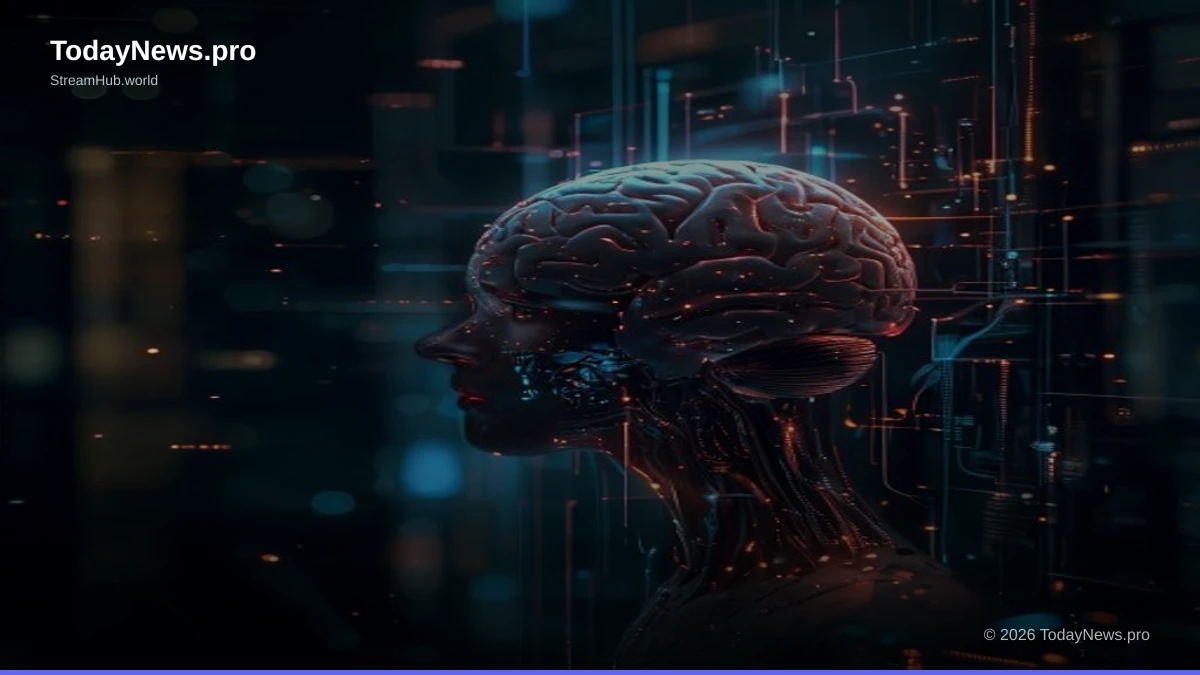
A staggering 87% of individuals globally express a desire for enhanced cognitive abilities, a sentiment that perfectly aligns with the nascent yet rapidly evolving field of consumer brain-computer interfaces (BCIs). This isn't science fiction anymore; it's a tangible frontier where the human mind and digital world converge, promising to redefine our daily existence, our capabilities, and even our understanding of consciousness itself. The Dawn of Direct Neural Interaction
For decades, the idea of controlling external devices with our thoughts remained largely confined to the realm of speculative fiction and advanced medical research. Early brain-computer interfaces were cumbersome, invasive, and primarily focused on restoring lost function to individuals with severe motor impairments. Think of pioneering work in assistive technologies, enabling paralyzed patients to communicate or operate wheelchairs using their brain signals. However, the landscape has dramatically shifted. Driven by breakthroughs in neuroscience, miniaturization of sensors, and sophisticated machine learning algorithms, BCIs are now becoming more accessible, less intrusive, and are beginning to permeate the consumer market. This transition marks a pivotal moment, moving from purely therapeutic applications to enhancements and novel forms of interaction for the general public. The allure of directly interfacing with technology via thought alone is profound. It promises a future where the friction between intention and action is virtually eliminated. Imagine composing an email, adjusting your home thermostat, or even learning a new skill, all by simply thinking it. This vision, once an aspirational dream, is steadily materializing.Bridging the Biological and Digital Divide
At its core, a BCI acts as a translator. It detects neural activity, processes it, and converts it into commands that a computer or other device can understand. This process involves a complex interplay of hardware and software. Non-invasive methods, such as electroencephalography (EEG) using a cap fitted with electrodes, are at the forefront of consumer adoption due to their ease of use and safety. These sensors pick up the electrical signals generated by brain activity. More invasive techniques, like electrocorticography (ECoG) or implanted microelectrode arrays, offer higher signal fidelity but are currently reserved for medical interventions. The progress in signal processing, particularly with deep learning models, has been instrumental in deciphering the nuanced patterns of brainwaves and associating them with specific thoughts or intentions. The journey from raw neural data to actionable command is intricate. It requires robust algorithms capable of filtering out noise, identifying relevant signals, and learning individual user patterns. This adaptive learning is crucial, as each brain is unique, and a BCI must be trained to understand its specific user's neural signatures.From Therapy to Everyday: A Shifting Landscape
The evolution of BCIs has been a testament to human ingenuity, initially driven by the urgent need to restore agency to those who had lost it. Early successes in clinical settings, enabling communication for individuals with amyotrophic lateral sclerosis (ALS) or restoring motor control after strokes, laid the groundwork. These therapeutic triumphs demonstrated the profound potential of directly engaging with the nervous system. However, the past decade has witnessed a significant pivot. As the technology matured and became more consumer-friendly, companies began exploring its application beyond medical necessity. The focus shifted towards augmentation and enhancement, tapping into a broader market eager for novel ways to interact with their digital environment and improve their cognitive performance.The Leap to Consumer Adoption
Several factors have propelled BCIs into the consumer arena. Firstly, the development of wearable EEG devices has been revolutionary. These are no longer bulky laboratory equipment but sleek, often headset-like devices that can be worn comfortably at home or even in public. Secondly, the increasing affordability of sophisticated processing power and cloud computing has made complex signal analysis more accessible. Finally, a growing awareness and interest in neuroscience and mental well-being have created a receptive audience for technologies that promise to unlock untapped mental potential. This transition has opened up a Pandora's Box of possibilities, from gaming and entertainment to productivity and mindfulness applications. The once-niche technology is now finding its way into the hands of early adopters and enthusiasts, signaling a broader societal embrace.Early Market Entrants and Their Impact
The consumer BCI market, though still nascent, is already buzzing with innovation. Companies are developing devices that range from basic EEG headsets for meditation and focus tracking to more sophisticated systems aimed at enhancing gaming experiences or controlling smart home devices. For instance, some apps use EEG data to provide real-time feedback on relaxation levels, guiding users through mindfulness exercises. Others are integrating BCIs into virtual reality environments, allowing for more intuitive and immersive gameplay where actions are dictated by thought. One significant area of growth is in cognitive training and enhancement. Tools are emerging that claim to help users improve concentration, memory, and learning speed by providing biofeedback based on their brain activity. While the scientific validation for some of these claims is still developing, the demand for such solutions is undeniable. | Technology | Primary Application | Consumer Accessibility | Signal Fidelity | Examples | |---|---|---|---|---| | Non-invasive EEG | Meditation, Focus Tracking, Gaming Control, Smart Home Integration | High | Moderate | Muse, Emotiv, NeuroSky | | Invasive ECoG | Advanced Medical Rehabilitation, Research | Low | High | Currently research-focused | | Implanted Microelectrodes | Restoring Motor Function, Sensory Prosthetics | Very Low | Very High | Neuralink (research), Blackrock Neurotech |Decoding the Mind: Technologies at Play
The magic behind BCIs lies in their ability to interpret the subtle electrical symphony of the brain. Understanding the different types of neural signals and how they are captured is crucial to appreciating the technology's potential and limitations.Electroencephalography (EEG): The Accessible Frontier
EEG remains the workhorse of consumer BCIs. It works by placing electrodes on the scalp to measure the electrical potential differences caused by ionic current within the neurons of the brain. These signals are incredibly complex and are often categorized into different frequency bands, such as: * **Delta waves (0.5–4 Hz):** Associated with deep sleep. * **Theta waves (4–8 Hz):** Linked to drowsiness, meditation, and REM sleep. * **Alpha waves (8–13 Hz):** Present during relaxed wakefulness and meditation. * **Beta waves (13–30 Hz):** Characteristic of active thinking, problem-solving, and focused attention. * **Gamma waves (30–100 Hz):** Involved in higher cognitive functions like perception and learning. Consumer EEG devices typically use a dry electrode system, which is easier to set up than wet electrodes that require conductive gel. While less precise than invasive methods, these devices are sufficient for detecting broad patterns related to states of attention, relaxation, and mental fatigue.The Role of Machine Learning and AI
Interpreting these noisy EEG signals is where artificial intelligence and machine learning truly shine. Raw brain data is rich with information but also susceptible to interference from muscle movements, eye blinks, and environmental noise. Machine learning algorithms are trained on vast datasets to identify specific patterns correlated with user intentions or mental states. For example, an algorithm might be trained to recognize the neural signature associated with imagining moving one's left hand versus one's right hand. This pattern recognition is not a one-time process; it's often iterative. The BCI learns and adapts to the individual user over time, improving its accuracy and responsiveness. Deep learning models, in particular, have proven adept at uncovering complex, non-linear relationships within neural data that traditional methods might miss.90%
of EEG signals are noise
80%
accuracy in focused tasks with AI training
50+
consumer BCI products available
Emerging Technologies and Future Prospects
While EEG dominates the consumer market, other technologies are on the horizon. Functional Near-Infrared Spectroscopy (fNIRS) is gaining traction, measuring brain activity by detecting changes in blood oxygen levels. It offers a good balance between spatial resolution and portability. Further into the future, advancements in nanotechnology and biocompatible sensors could lead to even less intrusive and more powerful forms of neural monitoring. The ultimate goal for many researchers is to achieve a seamless, almost invisible interface that feels like an extension of one's own mind. The continuous improvement in sensor technology, coupled with more powerful AI, is paving the way for BCIs that can distinguish finer nuances of thought and intention, leading to more sophisticated and intuitive human-machine interactions.The Expanding Applications of BCIs
The impact of consumer BCIs is already being felt across a surprising array of domains, moving far beyond their initial therapeutic roots. As the technology matures and becomes more user-friendly, its potential applications continue to broaden, promising to redefine how we work, play, and interact with the world around us.Gaming and Entertainment: A New Level of Immersion
The gaming industry has been an early adopter of BCI technology, recognizing its potential to create more engaging and immersive experiences. Imagine controlling your character's movements or abilities with just a thought, or experiencing a game that dynamically adjusts its difficulty based on your mental state. Companies are developing BCI-enhanced peripherals and software that allow players to interact with virtual worlds in unprecedented ways. This can range from subtle control inputs to complete control schemes, offering a truly novel way to engage with digital entertainment. This extends beyond gaming to other forms of interactive media. Immersive storytelling, where the narrative adapts to the viewer's emotional responses, could become a reality. The ability to influence virtual environments directly with thought promises a deeper, more personal connection to digital content.Productivity and Cognitive Enhancement Tools
For professionals and students alike, the promise of enhanced productivity is a significant draw. BCIs are being developed to help users optimize their focus and concentration. By monitoring brainwave patterns, these devices can provide real-time feedback, alerting users when their attention wanes and suggesting strategies to regain focus. Imagine a BCI that gently nudges you back on track during a long work session or helps you enter a state of deep concentration for complex problem-solving. Furthermore, applications for cognitive training are emerging. These tools aim to improve memory, learning speed, and overall cognitive function through personalized, brain-training exercises guided by BCI feedback. The goal is to create a more efficient and effective learning process by tailoring exercises to an individual's unique neural profile.Projected Growth of Consumer BCI Applications (USD Billion)
Wellness and Mindfulness: Tapping into Inner States
The burgeoning wellness industry is finding a powerful ally in BCIs. Devices that monitor brainwave activity can provide objective measures of stress, relaxation, and meditation depth. This biofeedback can empower individuals to better understand and manage their mental states, leading to improved emotional well-being. For instance, a BCI can guide a user into a deeper meditative state by providing auditory or visual cues based on their alpha wave activity. These tools can be invaluable for individuals seeking to reduce anxiety, improve sleep quality, or cultivate greater mindfulness. The ability to receive direct, data-driven insights into one's own mental landscape offers a powerful pathway to self-improvement and stress management.Smart Home and Everyday Convenience
The ultimate goal for many BCI developers is seamless integration into our daily lives. Imagine controlling your smart home devices – lights, thermostats, entertainment systems – with a simple thought. This could be particularly beneficial for individuals with mobility issues, but also offers a futuristic convenience for everyone. The ability to adjust your environment without lifting a finger, simply by intending it, represents a significant leap in human-computer interaction. This could extend to controlling appliances, managing digital calendars, or even composing messages without needing to physically interact with a device. The possibilities for enhancing everyday convenience are vast and largely unexplored."The democratization of BCI technology is not just about convenience; it's about empowering individuals with a new paradigm of interaction. We are moving towards a future where our minds are directly connected to the digital fabric of our lives, unlocking potential we are only beginning to comprehend." — Dr. Anya Sharma, Lead Neuroscientist, CogniTech Labs
Ethical Labyrinths and Societal Shifts
As consumer BCIs become more sophisticated and pervasive, they bring with them a complex web of ethical considerations and the potential for profound societal shifts. Navigating this new terrain requires careful thought, robust regulation, and open public discourse. The very idea of directly accessing and interpreting brain activity raises fundamental questions about privacy, security, and the very definition of human identity.Privacy and Data Security: The New Frontier of Intimacy
Brain data is arguably the most intimate data imaginable. It can reveal not just conscious thoughts and intentions but potentially subconscious biases, emotional states, and even predispositions. Ensuring the privacy and security of this highly sensitive information is paramount. Who owns this data? How is it stored, and who has access to it? The potential for misuse, from targeted advertising based on inferred mental states to unauthorized surveillance, is a significant concern. Robust encryption, transparent data policies, and strong regulatory frameworks are essential to build trust and prevent exploitation. The risk of "brain-hacking" or unauthorized access to neural data presents a chilling prospect. Unlike a compromised password, a compromised brain interface could have far more devastating and personal consequences.Cognitive Inequality and the Augmented Divide
As BCIs offer potential for enhanced cognitive abilities, there's a growing concern about exacerbating existing societal inequalities. If access to these technologies is limited by cost or availability, it could create a divide between those who can afford to "upgrade" their cognitive capabilities and those who cannot. This could lead to a scenario where individuals with BCI enhancements have a distinct advantage in education, employment, and overall societal success, creating a new form of cognitive stratification. Ensuring equitable access and exploring the implications of widespread cognitive augmentation is crucial for a just and inclusive future. The potential for a "cognitive arms race" where individuals and nations vie for mental supremacy through BCI technology is a scenario that demands proactive ethical planning.Authenticity and Agency: Redefining the Self
The integration of BCIs also prompts philosophical questions about authenticity and agency. If our actions are increasingly mediated by technology, or if our thoughts are directly influencing digital processes, where does the line between human intention and machine influence blur? Could BCI-driven decision-making erode our sense of personal responsibility? Furthermore, as BCIs become more adept at influencing our mental states (e.g., for focus or relaxation), questions arise about the authenticity of those states. Are we truly feeling relaxed, or are we being guided to feel that way by an external system? The long-term psychological impact of constant BCI interaction, including potential dependence or altered self-perception, needs extensive research and careful consideration."The ethical considerations surrounding brain-computer interfaces are not merely technical challenges; they are deeply human ones. We must ensure that these powerful tools serve to enhance human potential for all, not to create new divides or compromise our fundamental autonomy and privacy." — Professor Kenji Tanaka, Ethicist, Cyber-Humanity Institute
Regulatory Challenges and the Path Forward
Governments and regulatory bodies worldwide are grappling with how to approach BCI technology. Existing regulations for medical devices, consumer electronics, and data privacy may not fully encompass the unique challenges posed by BCIs. Developing appropriate legal and ethical frameworks that foster innovation while safeguarding individual rights will be a complex but critical undertaking. International cooperation will likely be necessary to establish global standards and best practices. Wikipedia: Brain–computer interface Reuters: Brain-Computer InterfacesThe Future is Now: Whats Next for BCIs
The journey of consumer brain-computer interfaces is still in its early chapters, but the pace of innovation suggests a future brimming with transformative potential. While significant challenges remain, the trajectory points towards increasingly sophisticated, intuitive, and integrated BCI systems that could fundamentally alter our relationship with technology and ourselves.Towards Seamless Integration and Enhanced Usability
The immediate future will likely see a refinement of existing BCI technologies. Expect more comfortable, less obtrusive wearable designs, improved signal processing for greater accuracy, and more intuitive user interfaces. The focus will be on making BCIs as easy to use as any other consumer electronic device, minimizing the learning curve and maximizing everyday utility. The development of personalized AI models that adapt rapidly to individual users will be key to achieving this seamless integration. Further miniaturization of sensors and the development of more robust and efficient power sources will also play a crucial role in enabling truly portable and always-on BCI applications.Expanding the Scope of Applications
As BCIs become more capable, their applications will continue to expand. We can anticipate advancements in areas like: * **Enhanced Learning and Skill Acquisition:** BCIs that can monitor cognitive load and optimize learning environments. * **Advanced Human-Robot Collaboration:** More intuitive control of robots and autonomous systems. * **Personalized Healthcare:** Beyond rehabilitation, BCIs could monitor general health indicators and provide early warnings for various conditions. * **Creative Arts and Expression:** New forms of artistic creation that involve direct mental input. The convergence of BCIs with other emerging technologies like virtual and augmented reality, artificial intelligence, and the Internet of Things will unlock synergistic possibilities, creating entirely new categories of experiences and interactions.2030
Projected market value for BCIs
50+
startups in the consumer BCI space
95%
of research is on non-invasive BCIs
The Ongoing Ethical Dialogue
The rapid advancements in BCI technology necessitate a continuous and evolving ethical dialogue. As the capabilities of BCIs grow, so too will the need for clear ethical guidelines, robust privacy protections, and thoughtful societal adaptation. Public engagement, interdisciplinary collaboration between technologists, ethicists, policymakers, and the public will be essential to ensure that this powerful technology is developed and deployed responsibly, benefiting humanity as a whole. The choices we make today regarding BCI development and regulation will shape the future of human-machine interaction for generations to come. The question is no longer if BCIs will become a part of our lives, but rather how we will shape their integration to create a future that is both technologically advanced and fundamentally human.Are consumer BCIs safe to use?
For non-invasive BCIs like EEG headsets, they are generally considered safe. They measure electrical activity from the scalp and do not emit radiation or directly stimulate the brain. However, as with any new technology, it's advisable to follow manufacturer guidelines and be aware of potential, though rare, skin irritation from electrodes. Invasive BCIs, which are not for consumer use, carry inherent medical risks.
How accurate are consumer BCIs?
The accuracy of consumer BCIs varies significantly depending on the technology, the specific application, and the individual user. Non-invasive EEG devices are improving rapidly with AI, but they are not as precise as invasive methods. For tasks like detecting broad states of focus or relaxation, accuracy can be quite good. For controlling complex actions or interpreting nuanced thoughts, accuracy is still a developing area, often requiring significant user training and calibration.
Can anyone use a BCI?
Most consumer BCIs are designed for general use. However, effectiveness can depend on an individual's ability to learn to control their brain signals consistently. Factors like concentration, relaxation techniques, and even individual brain anatomy can influence how well someone can operate a BCI. Some devices require more training than others.
What are the main ethical concerns with BCIs?
The primary ethical concerns include data privacy (brain data is highly sensitive), security (risk of hacking), potential for cognitive inequality (a divide between augmented and non-augmented individuals), questions of authenticity and agency (blurring lines between human intent and machine influence), and the potential for misuse in areas like surveillance or manipulation.
Will BCIs replace traditional input methods like keyboards and touchscreens?
It's unlikely that BCIs will completely replace traditional input methods in the near future. Instead, they are more likely to augment them, offering alternative or complementary ways to interact with technology. For certain tasks or user groups, BCIs may offer superior efficiency or new possibilities, but keyboards, mice, and touchscreens are likely to remain dominant for many applications due to their speed, precision, and established usability.