

 David Chen
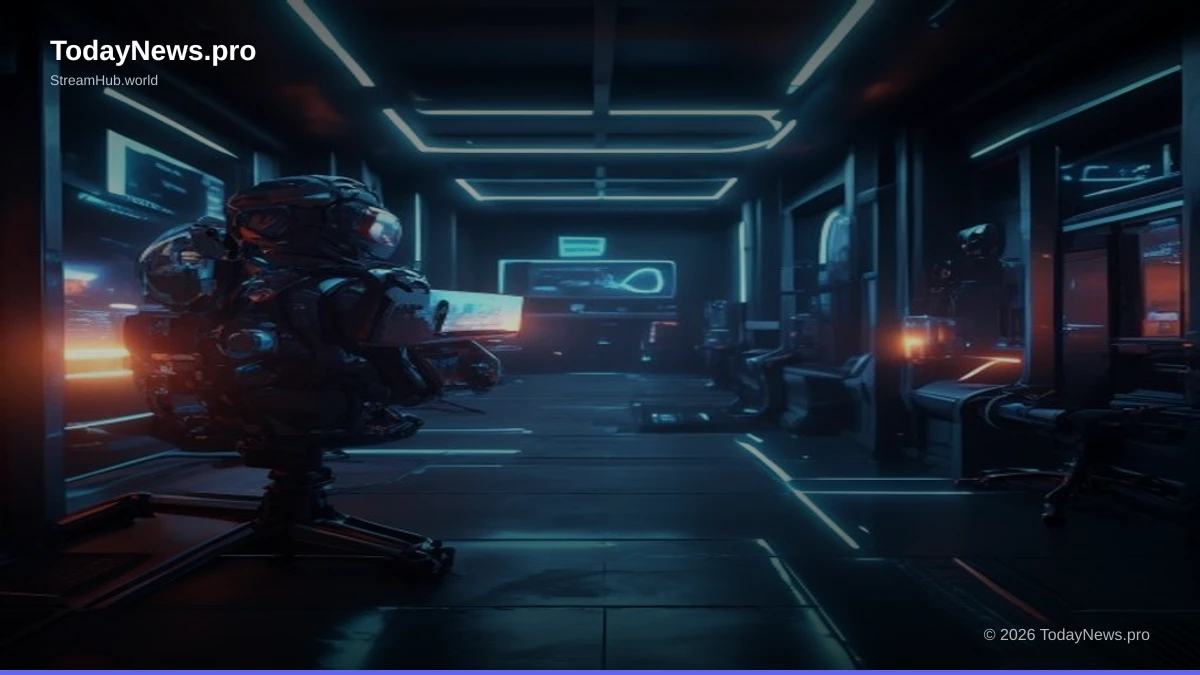
By late 2023, the global metaverse market was valued at approximately $100 billion, with projections indicating a staggering growth to over $1 trillion by 2030, according to Bloomberg Intelligence. This isn't just about virtual reality headsets; it's a fundamental shift in how we interact, work, and play, with tangible economic and social implications already unfolding.
The Metaverse: Beyond the Hype, Into Reality
The term "metaverse" has been a buzzword for years, often conjuring images of science fiction and far-off futures. However, the reality is that the foundational elements of the metaverse are not only here but are actively shaping our present. From persistent virtual worlds where social interaction thrives to digital economies that mirror and complement the physical one, the metaverse is steadily moving from a conceptual idea to a functional, albeit nascent, reality. This article aims to unpack the multifaceted nature of the metaverse, exploring its core components, its burgeoning impact on various sectors, and the critical challenges and opportunities that lie on its evolving frontiers.
Initial hype cycles, particularly around 2021 and 2022, led to inflated expectations and subsequent market corrections. Yet, beneath the surface of speculative investments and public skepticism, significant technological advancements and strategic deployments have continued. Companies across diverse industries are recognizing the metaverse not as a singular destination, but as a spectrum of interconnected digital experiences. This recognition is driving innovation in areas ranging from augmented reality overlays on our physical world to fully immersive virtual environments for collaboration, entertainment, and commerce.
Understanding the metaverse requires moving beyond a singular, monolithic definition. Instead, it's more accurately described as a convergence of technologies and experiences. It represents the next iteration of the internet, evolving from flat, two-dimensional webpages to three-dimensional, interactive, and persistent virtual spaces. This evolution promises new forms of digital ownership, identity, and social interaction that can profoundly influence our daily lives and the global economy.
Defining the Undefined: What Exactly IS the Metaverse?
Attempting to pin down a definitive, universally agreed-upon definition of the metaverse is akin to defining the internet in its early days. However, core characteristics consistently emerge. At its heart, the metaverse is envisioned as a persistent, interconnected network of 3D virtual worlds. These worlds are experienced in real-time by a potentially unlimited number of users, each with a sense of individual presence. Crucially, the metaverse is not just a game or a single application; it's an ecosystem where users can move seamlessly between different experiences, carrying their digital identity, assets, and social connections with them.
Key attributes often cited include:
Persistence
Unlike a temporary video game session that ends when you log off, the metaverse is always on. Events and changes within the metaverse persist, meaning the world continues to evolve even when individual users are not actively participating. This creates a sense of continuity and history.
Interoperability
This is a critical, yet still largely aspirational, feature. True interoperability means that digital assets, avatars, and even identities can be transferred and utilized across different metaverse platforms. Imagine taking a virtual shirt purchased in one world and wearing it in another, or using the same avatar across multiple experiences. This is a significant technical and business challenge.
Synchronicity and Live Experience
The metaverse is a live, shared experience. While asynchronous activities are possible, the core of the metaverse relies on real-time interaction and shared events that happen concurrently for all participants, regardless of their physical location.
Economic System
A thriving metaverse necessitates a robust economy. This involves the creation, ownership, trading, and investment of digital goods and services, often facilitated by cryptocurrencies and non-fungible tokens (NFTs). This economic layer is what allows for true digital ownership and opens up new avenues for creators and businesses.
Social Presence and Identity
Users are represented by avatars, which are digital embodiments of themselves. The sense of presence – feeling like you are truly "there" with others – is paramount. Users can express their identity through their avatar's appearance, actions, and interactions.
Consider the analogy of the current internet: it’s not a single website but a vast network of interconnected sites and applications. The metaverse aims to be the 3D evolution of this, a network of interconnected virtual spaces and experiences. Platforms like Roblox, Decentraland, and VRChat offer glimpses into this future, each with its own distinct communities, economies, and functionalities, but lacking the seamless interoperability that defines the ultimate vision.
The Pillars of the Metaverse: Technology and Infrastructure
The realization of the metaverse, in its full potential, hinges on a complex interplay of advanced technologies and robust infrastructure. Without these foundational pillars, the grand vision remains confined to the realm of theoretical possibility. From high-speed connectivity to sophisticated rendering engines and secure digital ledger technologies, each component plays a crucial role in enabling immersive, persistent, and interactive digital worlds.
Connectivity and Computing Power
The backbone of any metaverse experience is reliable, low-latency connectivity. Technologies like 5G and future iterations of cellular networks are essential for transmitting the vast amounts of data required for real-time rendering and interaction in immersive environments. Furthermore, the computational power needed to render complex 3D worlds and simulate realistic physics for millions of concurrent users is immense. Cloud computing and edge computing are vital in distributing this processing load efficiently.
Extended Reality (XR) Technologies
This umbrella term encompasses Virtual Reality (VR), Augmented Reality (AR), and Mixed Reality (MR). VR headsets offer full immersion, transporting users into entirely digital environments. AR overlays digital information onto the physical world, enhancing our perception and interaction with reality. MR blends the digital and physical, allowing virtual objects to interact with the real environment. Devices like Meta Quest, HTC Vive, and Apple's Vision Pro are leading the charge in making XR hardware more accessible and capable.
Blockchain and Decentralization
Blockchain technology is fundamental to enabling digital ownership, scarcity, and decentralized governance within the metaverse. Non-Fungible Tokens (NFTs) are used to represent unique digital assets, such as virtual land, clothing, or artwork, ensuring verifiable ownership. Cryptocurrencies provide a native medium of exchange for transactions. Decentralized platforms aim to give users more control over their data and digital identities, moving away from centralized control by single entities.
Artificial Intelligence (AI) and Machine Learning (ML)
AI and ML are crucial for creating dynamic, intelligent, and responsive virtual environments. They power non-player characters (NPCs) that behave realistically, personalize user experiences, generate content, and even assist in moderation. AI can also be used to analyze user behavior and optimize virtual spaces for engagement and utility.
3D Development and Graphics Engines
The creation of believable and engaging virtual worlds relies on advanced 3D modeling, animation, and rendering technologies. Game engines like Unity and Unreal Engine are pivotal in this regard, providing developers with the tools to build complex environments, characters, and interactive experiences. The ongoing advancements in graphics processing units (GPUs) further enhance the visual fidelity and realism of these worlds.
The interdependency of these technologies is clear. High-fidelity graphics require powerful GPUs and advanced engines. Seamless interaction demands low-latency networks. Verifiable ownership and decentralized economies rely on blockchain. And intelligent, responsive environments are driven by AI. As these individual fields mature, their convergence accelerates the development and accessibility of the metaverse.
Real-World Impact: Transforming Industries and Daily Life
The metaverse is not merely a digital playground; it is rapidly becoming a powerful engine for transformation across a wide array of industries and fundamentally altering how we approach daily life. From revolutionizing workplace collaboration to redefining retail experiences and educational paradigms, its influence is expanding beyond initial speculative use cases into practical, value-generating applications.
Workplace and Collaboration
The shift towards remote and hybrid work models has been a significant catalyst for metaverse adoption in the professional sphere. Virtual meeting spaces offer a more immersive and engaging alternative to traditional video conferencing. Companies are building persistent virtual offices where employees can interact with colleagues, collaborate on projects using 3D models, and foster a stronger sense of team cohesion, even when physically dispersed. Platforms like Meta's Horizon Workrooms and Microsoft Mesh are pioneering these collaborative environments, aiming to bridge the physical distance and enhance productivity.
Training and development are also being dramatically enhanced. Complex procedures, from surgical training to machinery operation, can be simulated in safe, risk-free virtual environments. This allows for more effective learning, reduced error rates, and significant cost savings compared to traditional methods. Imagine surgeons practicing intricate operations repeatedly in VR before performing them on a patient, or engineers troubleshooting complex machinery without the need for physical access.
| Industry | Metaverse Application | Key Benefits |
|---|---|---|
| Retail | Virtual Showrooms, Immersive Shopping Experiences | Enhanced customer engagement, reduced returns, global reach |
| Education | Virtual Classrooms, Historical Recreations, Science Labs | Interactive learning, accessibility, experiential education |
| Healthcare | Surgical Training, Therapy, Remote Consultations | Risk-free practice, improved patient outcomes, wider access |
| Manufacturing | Digital Twins, Prototyping, Remote Maintenance | Faster R&D, reduced costs, improved efficiency |
| Real Estate | Virtual Property Tours, Architectural Visualization | Global access, immersive viewing, cost-effective marketing |
Entertainment and Social Interaction
The entertainment industry was one of the earliest adopters, with the metaverse offering new avenues for live events, gaming, and social gatherings. Virtual concerts have seen artists perform to millions of avatars simultaneously, breaking geographical barriers. Gaming has evolved from single-player experiences to massive multiplayer online (MMO) worlds that are essentially proto-metaverses, fostering deep social connections and player-driven economies.
Socializing in the metaverse offers a richer experience than traditional social media. Users can meet friends in virtual cafes, attend virtual parties, or explore digital worlds together, fostering a sense of presence and shared experience that flat social feeds cannot replicate. This is particularly impactful for individuals who may face social anxieties or physical limitations in the real world.
E-commerce and Digital Economies
The metaverse is creating entirely new markets and transforming existing ones. Virtual storefronts allow brands to showcase their products in interactive 3D environments. Consumers can "try on" digital clothing, visualize furniture in their virtual homes, or explore product details from all angles. This enhanced engagement can lead to higher conversion rates and a more satisfying shopping experience. Furthermore, the rise of digital assets and NFTs has given birth to a burgeoning creator economy, where individuals can design, sell, and monetize virtual goods and experiences.
The economic implications are vast. Companies are investing heavily in building their metaverse presence, creating new job roles, and fostering digital economies that can rival or complement physical ones. This integration of digital and physical economies blurs the lines between the two, creating a more interconnected global marketplace.
The Evolving Frontiers: Opportunities and Challenges Ahead
As the metaverse continues its rapid evolution, it presents a landscape brimming with both unprecedented opportunities and formidable challenges. Navigating these frontiers requires strategic foresight, technological innovation, and a deep understanding of human behavior in digital spaces. The potential for growth and societal impact is immense, but so are the risks that must be carefully managed.
Opportunities for Innovation and Entrepreneurship
The metaverse opens up vast new territories for innovation. Developers can create novel experiences, games, and tools that were previously impossible. Entrepreneurs can establish businesses within virtual worlds, offering unique products and services. The creator economy is poised for explosive growth, empowering individuals to monetize their digital creativity. Imagine a virtual architect designing and selling custom metaverse homes, a digital fashion designer creating bespoke avatar outfits, or a virtual event planner organizing immersive brand activations.
New business models are emerging, from pay-to-play and subscription services in virtual worlds to the monetization of digital assets and virtual land. Companies are exploring how to leverage the metaverse for marketing, customer service, and even product development. The ability to test products in simulated environments or gather feedback from a global audience in real-time offers invaluable insights.
Technological Hurdles and Scalability
Despite significant advancements, several technological hurdles remain. Achieving true interoperability between different metaverse platforms is a monumental task, requiring standardization and cooperation across competing entities. The current infrastructure, while improving, still faces limitations in supporting truly massive, persistent, and graphically rich virtual worlds accessible to everyone. The cost and accessibility of high-end XR hardware also remain a barrier for widespread adoption.
Scalability is another critical concern. As the number of users and the complexity of virtual environments increase, maintaining performance and a seamless user experience becomes increasingly challenging. This requires continuous innovation in networking, computing power, and rendering technologies. The energy consumption associated with maintaining these vast digital worlds is also an environmental consideration that needs to be addressed.
Economic Disparities and Accessibility
There is a significant risk that the metaverse could exacerbate existing economic and digital divides. Access to high-speed internet, powerful computing devices, and expensive XR hardware is not universal. This could create a tiered metaverse, where only a privileged few can fully participate, leading to new forms of exclusion. Ensuring equitable access and affordability is paramount to realizing the metaverse's potential for all.
Furthermore, the speculative nature of some metaverse economies, particularly around digital assets and cryptocurrencies, can lead to volatility and financial risks for participants. Robust regulatory frameworks and consumer protection measures will be essential to foster stable and trustworthy digital economies.
The Digital Divide and Inclusivity
The metaverse, if not developed with inclusivity in mind, could mirror and even amplify existing societal inequalities. Designing virtual spaces that are accessible to individuals with disabilities, ensuring diverse representation in avatars and content, and preventing the replication of real-world discrimination are crucial challenges. The development of assistive technologies and inclusive design principles must be a core focus.
The potential for the metaverse to become a space for both empowerment and exploitation is significant. Ensuring that it fosters a positive and equitable environment requires continuous dialogue, ethical considerations, and proactive governance from developers, policymakers, and users alike.
Navigating the Ethical Landscape: Privacy, Security, and Governance
As the metaverse expands its reach and influence, the ethical considerations surrounding privacy, security, and governance become increasingly paramount. The very nature of immersive, persistent digital environments raises complex questions about data collection, user safety, and the establishment of fair and effective rules. Addressing these challenges proactively is essential for building a metaverse that is trustworthy and beneficial to society.
Data Privacy and Surveillance
In the metaverse, the amount of personal data collected about users could be exponentially greater than on the current internet. Beyond browsing history and online purchases, metaverse platforms can track biometric data from VR headsets (eye movements, facial expressions), physical movements, social interactions, and even emotional responses. This unprecedented level of data collection raises serious privacy concerns. Who owns this data? How is it used? How is it protected from breaches and misuse?
The potential for pervasive surveillance by corporations or even governments is a significant threat. Robust data protection regulations, transparent data usage policies, and strong user control over their personal information are critical. The concept of "data sovereignty," where users have greater control and ownership over their digital identity and the data associated with it, is a key area of development.
Security Risks and Digital Identity
The metaverse presents a new frontier for cyber threats. Hacking of avatars, theft of digital assets (NFTs, cryptocurrencies), virtual identity theft, and sophisticated phishing attacks are all potential risks. Ensuring the security of digital identities and virtual assets requires advanced authentication methods, robust encryption, and ongoing vigilance against emerging threats. The immutability of blockchain offers some security for asset ownership, but the interfaces and user access points remain vulnerable.
The concept of a persistent digital identity is powerful. If this identity is compromised, the repercussions could extend across multiple virtual worlds and even into the physical realm. Secure and verifiable digital identity solutions are therefore a critical component of a safe metaverse.
Governance and Regulation
Who makes the rules in the metaverse? This is one of the most complex questions. Currently, many metaverse platforms are governed by the companies that created them, leading to concerns about censorship, arbitrary rule enforcement, and a lack of user recourse. As the metaverse becomes more decentralized, new models of governance will be needed.
Decentralized Autonomous Organizations (DAOs) are one proposed solution, where token holders can vote on platform development and policy decisions. However, these models themselves present challenges regarding fairness, voter apathy, and the potential for manipulation. Governments worldwide are grappling with how to regulate these nascent digital spaces, balancing the need for consumer protection and public safety with fostering innovation. International cooperation will be vital, as the metaverse transcends national borders.
The development of ethical frameworks and robust governance structures is not just a technical challenge but a societal imperative. It requires collaboration between technologists, policymakers, ethicists, and the public to ensure the metaverse evolves into a space that is inclusive, safe, and empowering for all its inhabitants. External resources like the Reuters explanation of the metaverse offer further insight into these evolving concepts.
The Future is Here (Sort Of): Adoption and the Road Ahead
The journey towards a fully realized metaverse is still in its early stages, characterized by rapid innovation, significant investment, and evolving user adoption. While the ultimate vision of a seamless, interconnected 3D internet may be years away, the foundational elements are already impacting our lives, and the trajectory suggests a continued expansion of its influence.
Current Adoption Trends and User Engagement
Current metaverse adoption is fragmented. Gaming platforms like Roblox and Fortnite have millions of daily active users, demonstrating a strong appetite for immersive, persistent virtual experiences, especially among younger demographics. Social VR platforms like VRChat and AltspaceVR (now retired, but influential) have fostered vibrant communities. Enterprise adoption, while slower, is growing, particularly in sectors like manufacturing, training, and remote collaboration, driven by the need for more engaging and effective digital solutions.
However, mainstream adoption is still hindered by several factors. The cost and complexity of XR hardware, the need for high-speed internet, and the current lack of compelling, mass-market applications beyond gaming are significant barriers. User fatigue with early, unpolished experiences and a general skepticism about the long-term viability of some metaverse projects also play a role. The Wikipedia entry on the Metaverse provides a broad overview of its history and concepts.
The Path to Interoperability and Mass Adoption
The key to unlocking widespread metaverse adoption lies in achieving true interoperability. Without it, the metaverse remains a collection of isolated digital islands rather than a cohesive, interconnected digital universe. This will require significant effort in establishing common standards for avatars, digital assets, identity, and communication protocols. Industry-wide collaboration and the development of open standards will be crucial, akin to how the World Wide Web evolved.
As hardware becomes more affordable and powerful, and as more developers build engaging and useful applications, user adoption is expected to accelerate. The metaverse is likely to evolve incrementally, with AR technologies playing a significant role in bridging the gap between the digital and physical worlds in our daily lives, perhaps more so than fully immersive VR for the general population in the near term.
Long-Term Vision and Societal Transformation
The long-term vision of the metaverse is transformative. It promises to redefine social interaction, work, education, commerce, and entertainment. It could lead to new forms of digital citizenship, governance, and economic participation. The ability to experience and interact in virtual worlds without physical limitations could democratize access to experiences and opportunities previously out of reach for many.
However, realizing this potential requires careful consideration of the ethical, social, and economic implications. Ensuring equitable access, protecting user privacy and security, and establishing robust governance frameworks are not optional add-ons but fundamental requirements for building a metaverse that benefits humanity. The road ahead is complex, filled with both extraordinary promise and significant challenges. The metaverse is not a destination, but an evolving frontier, and its ultimate form will be shaped by the choices we make today.