

 Maria Gonzalez
⏱ 20 min
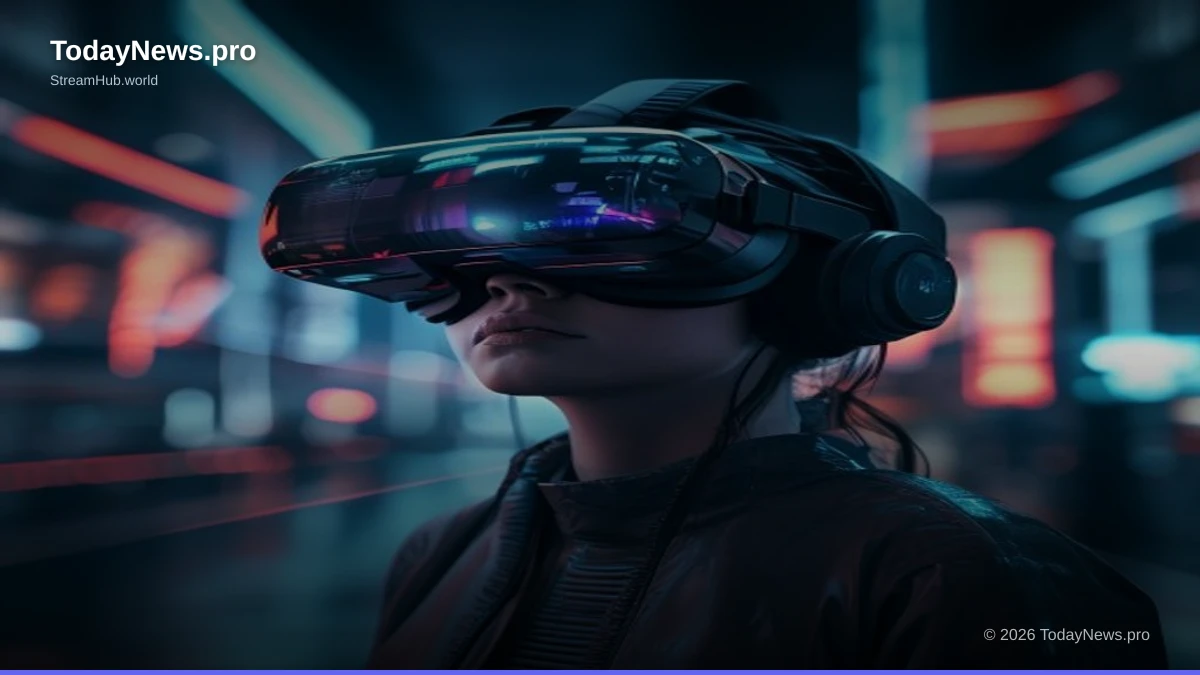
By 2026, the global metaverse market is projected to reach a staggering $800 billion, a 10x increase from its current valuation. This dramatic growth signifies a profound shift, moving the metaverse from a niche technological curiosity to an integrated facet of our daily existence, extending far beyond the confines of virtual reality headsets.
The Metaverse: From Niche to Ubiquitous
The early perception of the metaverse was largely dominated by clunky VR headsets and nascent gaming platforms. However, the period between 2026 and 2030 is characterized by a deliberate expansion of accessibility and functionality. The underlying technologies—augmented reality (AR), spatial computing, and advanced AI—have matured, making immersive digital experiences more seamless and integrated into our physical world. Instead of requiring dedicated hardware for every interaction, AR overlays will become commonplace, accessible through everyday devices like smart glasses and even advanced mobile phones. This transition is fueled by a convergence of factors: improved processing power in consumer electronics, the rollout of robust 5G and future 6G networks offering low latency, and a growing library of compelling content and applications. The metaverse is no longer just a destination; it’s becoming an ambient layer of reality, accessible and useful in a multitude of contexts. This shift democratizes access, moving beyond early adopters to a broader consumer base seeking enhanced utility and entertainment. The development of interoperable platforms is also a crucial factor. While early metaverses were often siloed, the push towards standards and protocols will allow for greater fluidity of identity, assets, and experiences across different virtual worlds. This interconnectivity is essential for realizing the full potential of a truly pervasive metaverse, where users can move between different digital spaces with a consistent sense of self and ownership.The Rise of Ambient Computing
The most significant evolution will be the move towards ambient computing, where digital information and interactions are seamlessly blended with the physical environment. Smart glasses, evolving beyond their initial iterations, will offer contextual information, personalized notifications, and augmented interfaces without requiring users to pull out a phone. Imagine walking down a street and seeing reviews of a restaurant overlaid on its facade, or having a virtual assistant guide you through a complex repair with step-by-step AR instructions. This ambient layer will extend to our homes and workplaces. Smart environments will dynamically adjust lighting, temperature, and even provide interactive displays based on user presence and preferences. The metaverse, in this context, becomes less about logging into a separate digital world and more about enhancing and augmenting the one we already inhabit.Beyond Gaming: A Multifaceted Digital Landscape
While gaming will undoubtedly remain a significant driver, the metaverse's appeal will broaden considerably. By 2030, expect to see fully realized virtual concert venues hosting live performances with global reach, immersive educational campuses offering hands-on learning experiences regardless of geographical location, and sophisticated virtual storefronts that rival their physical counterparts in terms of engagement and personalization. The entertainment, retail, and education sectors are poised for a radical transformation, driven by the metaverse's capacity for shared, interactive, and highly engaging experiences.Beyond the Headset: The Expanding Ecosystem
The narrative of the metaverse has been inextricably linked with virtual reality (VR) headsets. While VR will continue to be a vital component for deep immersion, the period leading up to 2030 will see a significant diversification of access points. Augmented reality (AR) will emerge as the dominant interface for everyday metaverse interactions. Lightweight, stylish smart glasses will become increasingly affordable and functional, offering persistent digital overlays onto the physical world. This shift from VR-centricity to AR ubiquity is crucial for widespread adoption. AR allows for seamless integration of digital elements into our existing reality, enhancing productivity, communication, and entertainment without the isolation that can sometimes accompany VR. Think of attending a business meeting where participants appear as avatars in your physical workspace, or receiving real-time translations during a conversation with someone speaking a different language, all via AR glasses. The underlying technology powering this expansion includes advanced AI, haptic feedback systems, and spatial audio. These innovations contribute to more realistic and responsive digital interactions, blurring the lines between the physical and virtual. Haptic suits and gloves will provide tactile feedback, allowing users to "feel" virtual objects, while sophisticated AI will drive the behavior of non-player characters (NPCs) and personalize digital environments to an unprecedented degree.The Ubiquity of AR Interfaces
Smart glasses will transition from a niche gadget to a mainstream accessory by 2030. Companies like Meta, Apple, and Google, alongside numerous startups, will have refined their offerings, delivering devices that are comfortable, stylish, and packed with functionality. These glasses will serve as persistent gateways to the metaverse, displaying notifications, providing navigation, enabling hands-free communication, and offering contextual information about the user's surroundings. This AR-first approach removes the barrier to entry associated with dedicated VR hardware for many use cases. While VR will still be preferred for highly immersive gaming or specialized training simulations, AR will become the go-to for daily tasks, social interactions, and information access within the metaverse.Haptic Feedback and Sensory Immersion
The evolution of the metaverse is not solely visual and auditory; it's increasingly tactile. Advancements in haptic technology are enabling users to experience the "feel" of virtual objects. Imagine virtually trying on clothes and feeling the texture of the fabric, or participating in a virtual cooking class and feeling the resistance of dough being kneaded. This multi-sensory approach dramatically enhances the sense of presence and realism within digital environments, making them far more engaging and impactful. The development of advanced haptic gloves, suits, and even localized tactile feedback devices will be key. These technologies, combined with sophisticated spatial audio, will create a truly immersive experience that engages multiple human senses, pushing the boundaries of what's possible in digital interaction.Projected Adoption of Metaverse Access Devices (2026-2030)
Economic Realities: Commerce and Employment in the Metaverse
The economic landscape of the metaverse is set to undergo a radical transformation between 2026 and 2030. Beyond virtual goods and services, we will see the emergence of entirely new industries and employment opportunities. The concept of a "digital economy" will become deeply integrated with the physical one, driven by decentralized technologies like blockchain, NFTs, and cryptocurrencies. This integration will create a robust framework for ownership, value exchange, and the creation of persistent digital assets. The retail sector, in particular, is poised for a paradigm shift. Brands will invest heavily in creating immersive virtual storefronts that offer personalized shopping experiences, virtual try-ons, and interactive product demonstrations. These digital spaces will go beyond simple e-commerce, fostering community engagement and brand loyalty through unique metaverse activations and exclusive digital merchandise. The lines between physical and digital retail will blur, with seamless transitions between browsing online and purchasing physical goods, or vice versa.The Creator Economy and Digital Ownership
The metaverse will supercharge the creator economy. Artists, designers, developers, and entrepreneurs will find unprecedented opportunities to build, monetize, and distribute their creations. Non-fungible tokens (NFTs) will play a pivotal role in establishing verifiable ownership of digital assets, from unique art pieces and virtual land to in-game items and even digital fashion. This will empower individuals to build and own their digital portfolios, fostering a new wave of digital entrepreneurship.New Avenues for Employment
The metaverse will not only create new ways to spend money but also new ways to earn it. Job roles such as metaverse architects, virtual event planners, digital fashion designers, community managers for virtual worlds, and metaverse security specialists will become increasingly common. Companies will hire extensively for roles that require expertise in building, managing, and engaging audiences within these immersive digital environments. This will necessitate new skill sets and educational programs focused on digital world-building and virtual interaction.| Industry Sector | Projected Metaverse Revenue (USD Billion) | Key Growth Drivers |
|---|---|---|
| Gaming & Entertainment | 350 | Immersive experiences, virtual concerts, e-sports |
| Advertising & Marketing | 180 | Targeted ads, virtual sponsorships, brand activations |
| E-commerce & Retail | 150 | Virtual storefronts, digital goods, AR try-ons |
| Education & Training | 70 | Immersive learning environments, skill simulation |
| Real Estate & Virtual Land | 50 | Digital property ownership, virtual events, advertising |
2.5x
Increase in digital asset trading volume
15%
Growth in remote work opportunities within the metaverse
$500B
Estimated value of the metaverse's virtual goods market
Social Fabric and Identity: Reimagining Human Connection
The metaverse promises to redefine how we connect, socialize, and express ourselves. By 2030, it will be a primary platform for social interaction, offering richer and more nuanced ways to build relationships and communities than current social media. The ability to embody an avatar allows for experimentation with identity, offering a space for self-expression that transcends physical limitations and societal norms. This can foster greater inclusivity and understanding, enabling individuals to explore different facets of their persona in a safe and controlled environment. The evolution of social interactions within the metaverse will be driven by advancements in AI and natural language processing, enabling more intuitive and engaging communication. Virtual spaces will be designed to facilitate shared experiences, from casual meetups in virtual cafes to collaborative projects in digital workspaces. The concept of "presence" will be amplified, with users feeling genuinely connected to others, even when physically apart.Community Building in Digital Spaces
The metaverse offers fertile ground for community building. People with shared interests, hobbies, or professional backgrounds will be able to congregate in dedicated virtual spaces, fostering deeper connections and collaborations. These communities will be more than just online forums; they will be interactive environments where members can engage in shared activities, co-create content, and build lasting relationships. This is particularly impactful for niche communities or those who may face geographical barriers to in-person interaction.The Nuances of Digital Identity
Avatars will become increasingly sophisticated, offering a high degree of customization and realism. This allows individuals to present themselves in ways that reflect their desired identity, be it aspirational, fantastical, or a digital extension of their physical self. This freedom of expression can be liberating, but it also raises questions about authenticity and the potential for deception. Managing digital identity and ensuring secure, verifiable representation will be a critical aspect of metaverse evolution."The metaverse offers a canvas for human expression unbound by physical constraints. It's not just about looking like someone else; it's about *being* someone else, exploring facets of self that might remain dormant in the physical world. This has profound implications for personal growth and understanding."
— Dr. Anya Sharma, Sociologist and Digital Ethicist
Challenges and Ethical Frontiers
While the metaverse presents immense opportunities, its widespread adoption by 2030 is contingent on addressing significant challenges and ethical considerations. Issues of data privacy, security, and digital well-being will be paramount. The vast amounts of personal data generated within immersive environments will require robust regulatory frameworks and advanced cybersecurity measures to prevent misuse and protect user information. The potential for addiction and the blurring of lines between the digital and physical worlds also raise concerns. Ensuring responsible design and promoting healthy usage habits will be crucial. Furthermore, the digital divide could be exacerbated if access to the metaverse remains unequal, creating new forms of social and economic exclusion. Ensuring equitable access and digital literacy will be vital for a truly inclusive metaverse.Data Privacy and Security Concerns
The sheer volume and granularity of data collected within metaverse environments—including biometric data, behavioral patterns, and social interactions—present unprecedented privacy risks. Companies operating within the metaverse will face intense scrutiny over how this data is collected, stored, and utilized. Robust encryption, transparent data policies, and user control over personal information will be non-negotiable. The threat of sophisticated cyberattacks targeting metaverse infrastructure and user accounts will also necessitate continuous innovation in cybersecurity.Mental Health and Digital Well-being
The highly immersive nature of the metaverse, while beneficial for engagement, also carries risks related to excessive use, addiction, and the potential for disassociation from the physical world. Designing metaverse experiences with user well-being in mind, including tools for time management, digital detox, and mental health support, will be essential. Educational initiatives promoting digital literacy and responsible metaverse engagement will also play a crucial role.Governance and Regulation
As the metaverse becomes more integrated into daily life, questions of governance and regulation will become increasingly complex. Who sets the rules in these digital realms? How are disputes resolved? What legal frameworks apply to virtual property, digital contracts, and user behavior? International cooperation will be necessary to establish consistent guidelines and prevent the emergence of unregulated digital territories. Understanding how existing laws translate to the metaverse, and where new legislation is required, will be a significant undertaking."The ethical framework for the metaverse is still in its infancy. We are building the architecture of our digital future, and it's imperative that we bake in principles of fairness, transparency, and user autonomy from the outset. Ignoring these foundational elements now will lead to insurmountable problems later."
— Kenji Tanaka, Chief Technology Officer, Digital Futures Lab
The Future of Work and Education
The metaverse is poised to revolutionize both how we work and how we learn. By 2030, virtual collaboration tools will move beyond basic video conferencing to offer fully immersive, interactive work environments. Remote teams will be able to meet in persistent virtual offices, brainstorm on 3D whiteboards, and conduct realistic simulations for training and development. This will foster a stronger sense of team cohesion and productivity for distributed workforces. Educational institutions will leverage the metaverse to create dynamic and engaging learning experiences. Students will be able to explore historical sites virtually, conduct complex scientific experiments in simulated labs, and receive personalized instruction from AI tutors. This shift towards experiential learning, regardless of geographical location, has the potential to democratize access to high-quality education and foster a more skilled global workforce.Immersive Collaboration and Productivity
The metaverse will enable new forms of collaboration that transcend physical limitations. Imagine architects walking through a virtual model of a building with clients, engineers collaboratively troubleshooting a complex piece of machinery in a shared digital space, or marketing teams co-creating campaigns in a dynamic virtual boardroom. These immersive environments will foster creativity, streamline communication, and enhance problem-solving capabilities for businesses operating in a globalized economy.Experiential Learning and Skill Development
The educational applications of the metaverse are vast. Medical students could practice complex surgical procedures in hyper-realistic simulations, history students could walk through ancient Rome, and engineering students could design and test prototypes in virtual environments. This hands-on, experiential approach to learning will lead to deeper understanding, improved retention, and a more prepared workforce ready to tackle the challenges of the future. The ability to access these rich learning environments from anywhere in the world will be a significant equalizer.Navigating the Next Era: Consumer and Enterprise Adoption
The period between 2026 and 2030 marks a critical inflection point for metaverse adoption. Consumer adoption will be driven by increasingly accessible and user-friendly devices, compelling content, and the seamless integration of metaverse experiences into daily life. Early adopters will be joined by the mainstream as the perceived value proposition shifts from novelty to utility. Enterprise adoption, on the other hand, will be fueled by the demonstrable ROI in areas such as enhanced collaboration, efficient training, and innovative marketing strategies. The development of interoperable standards will be crucial for widespread enterprise adoption, allowing businesses to connect their metaverse presences across different platforms. As the metaverse matures, it will become an indispensable tool for businesses seeking to engage with customers, empower employees, and drive innovation in an increasingly digital world. The journey from niche technology to integrated reality will be defined by strategic investments, technological advancements, and a growing understanding of its transformative potential.70%
Of consumers expected to engage with metaverse experiences weekly by 2030
65%
Of businesses planning significant metaverse investments by 2028
3x
Projected increase in remote collaboration efficiency via metaverse platforms
The metaverse is no longer a distant futuristic concept. It is a rapidly evolving reality that will fundamentally reshape how we live, work, and interact. The coming years, from 2026 to 2030, will witness its true unleashing, moving beyond VR headsets to become an integral and ubiquitous part of our daily lives.
Will the metaverse replace the internet?
No, the metaverse is unlikely to replace the internet but rather evolve and integrate with it. It will function as a more immersive and interactive layer built upon the existing internet infrastructure, offering new ways to experience and engage with digital content and services.
How will my privacy be protected in the metaverse?
This is a critical ongoing challenge. Robust data protection regulations, advanced encryption, transparent data policies, and user control over personal information are expected to be implemented. However, constant vigilance and evolving security measures will be necessary as the technology advances.
Can I use the metaverse without expensive VR equipment?
Yes, the trend is moving towards greater accessibility. While VR offers deep immersion, augmented reality (AR) via smart glasses and even smartphones will become primary access points for many metaverse experiences, making it accessible to a broader audience without requiring expensive VR headsets.
What are NFTs and how do they relate to the metaverse?
NFTs (Non-Fungible Tokens) are unique digital assets verified on a blockchain, representing ownership of items like digital art, virtual land, or in-game collectibles. In the metaverse, NFTs enable verifiable ownership and trade of digital goods and assets, forming a crucial part of its digital economy.