

 Jessica 'Jinx' Lee
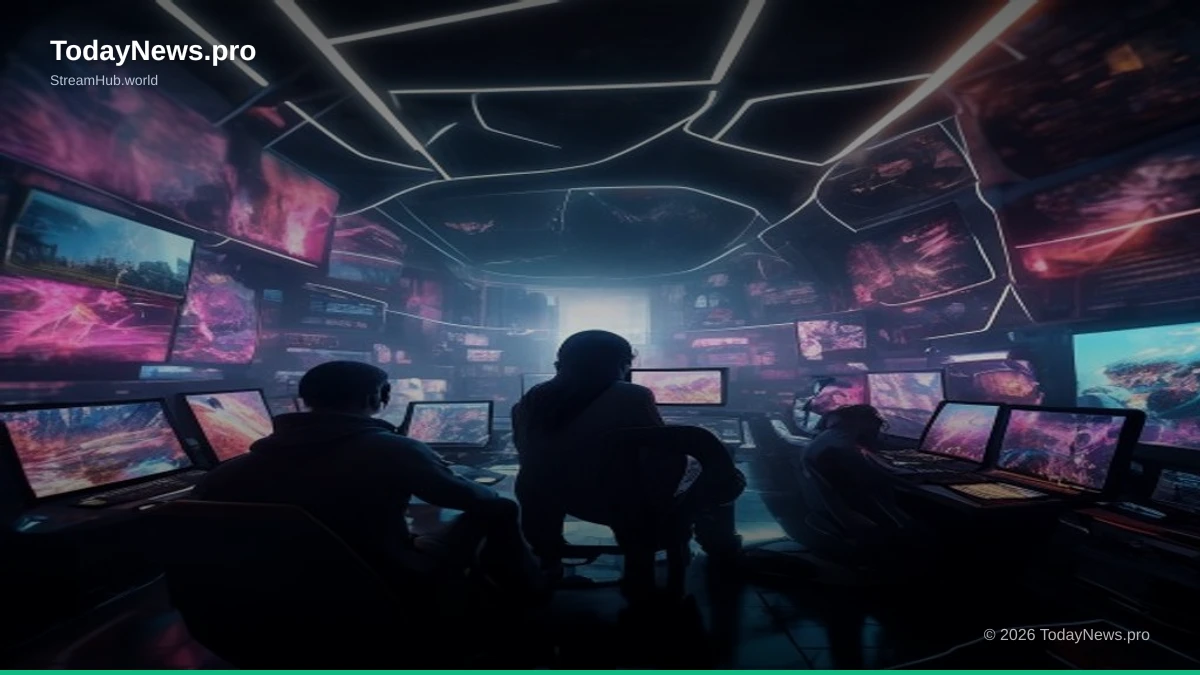
The Metaverse Unlocked: True Interoperability and the Future of Gaming Worlds by the End of the Decade
By the year 2030, the global metaverse market is projected to reach an astonishing $1.5 trillion, a figure heavily contingent on the successful implementation of true interoperability, especially within the burgeoning gaming sector. Without the ability for assets, identities, and experiences to seamlessly traverse disparate virtual worlds, this ambitious growth forecast risks becoming a mere digital mirage. The current state of virtual environments resembles a collection of walled gardens, each with its own proprietary currency, avatar systems, and in-game items that are locked within their borders, hindering the organic growth and user engagement that a truly connected metaverse promises. This analysis delves into the critical elements required to "unlock" the metaverse, focusing on the transformative impact of interoperability on the future of gaming worlds within the next seven years.The Current Landscape: A Patchwork of Isolated Realities
Today's digital gaming landscape is characterized by a fragmented ecosystem. While many games offer rich, immersive experiences, they exist as independent entities. A skin purchased in "CyberKnight Arena" cannot be used in "Galactic Empires," nor can the reputation built as a revered strategist in "Chronicles of Eldoria" carry over to a new adventure in "Mystic Isles." This isolation breeds inefficiency and limits player potential, forcing them to re-establish their digital personas and economies with each new platform or game they engage with.The Walled Garden Phenomenon
Major gaming platforms and individual game developers have historically prioritized creating self-contained universes. This approach, while understandable from a business perspective, has inadvertently created "walled gardens" that restrict user freedom and innovation. Players invest time and real-world currency into digital assets and progress, only to find these investments confined to a single experience. This lack of portability is a significant barrier to the development of a truly expansive and interconnected metaverse.The Illusion of Connectivity
Some platforms boast about their "metaverse" aspirations, often showcasing cross-game promotional events or shared cosmetic items. However, these are typically superficial integrations. True interoperability goes far beyond such limited collaborations, requiring a fundamental shift in how virtual worlds are designed and how data is managed. The current iterations often feel more like marketing stunts than genuine steps towards a unified digital frontier.The Economic Bottleneck
The inability to freely transfer or utilize digital assets across different games and platforms creates significant economic friction. Players are unable to leverage their in-game investments in one title to gain an advantage or aesthetic appeal in another. This limits the potential for secondary markets and the overall velocity of digital economies within the gaming sphere.Defining True Interoperability: Beyond Basic Asset Transfers
True interoperability in the metaverse, particularly for gaming, extends far beyond simply being able to move a digital sword from one game to another. It encompasses the seamless transfer and recognition of a comprehensive digital identity, the fungible and non-fungible assets owned by a player, their reputation and social graph, and even their learned skills and experiences across a multitude of distinct virtual environments.Identity and Avatars
A core component of interoperability is a persistent, portable digital identity. This means a player's avatar, their chosen digital representation, should be recognizable and adaptable across different metaverse experiences. This is not about a universal avatar model but rather the ability for a player to bring their chosen aesthetic, modifications, and even underlying biometric data (with consent) to new worlds. Imagine a personalized avatar that retains its unique features and modifications, from a cybernetic arm to a specific hairstyle, as you move from a high-fantasy RPG to a futuristic racing simulator.Asset Portability and Utility
The most discussed aspect of interoperability is asset portability. This refers to the ability to take digital items, whether they are skins, weapons, vehicles, or unique collectibles, from one game or virtual world to another. Crucially, these assets must retain their perceived value and, ideally, find functional utility in their new environment. A rare sword might offer a defensive bonus in a combat game and serve as a decorative trophy in a virtual home.Reputation and Social Graphs
Beyond tangible assets, interoperability should also encompass a player's intangible digital capital. This includes their reputation within gaming communities, their social connections, and even their skill progression. A player known for their fair play and leadership in one game should ideally have that reputation recognized, or at least be able to build upon it, in another. This fosters a more cohesive and trustworthy digital society.The concept of a universal login or a single digital wallet is a foundational step, but true interoperability requires deeper integration at the protocol level. It's about creating common languages and standards that allow diverse virtual worlds to understand and interact with each other's data and logic.
The Technical Hurdles: Blockchain, Standards, and the Quest for a Unified Protocol
Achieving true metaverse interoperability is a monumental technical challenge. It requires the convergence of several cutting-edge technologies and the establishment of widely adopted standards. At the forefront of these challenges lie blockchain technology, the development of open protocols, and the creation of robust cross-chain communication mechanisms.The Role of Blockchain and NFTs
Blockchain technology, particularly non-fungible tokens (NFTs), has emerged as a cornerstone for enabling digital ownership and portability. NFTs provide a decentralized and immutable ledger for tracking ownership of unique digital assets. This allows players to truly own their in-game items, independent of any single game developer or platform. However, simply minting an NFT does not automatically grant it interoperability. The challenge lies in ensuring that these NFTs can be recognized and utilized across different blockchains and virtual environments.Developing Universal Standards and Protocols
The absence of universally accepted standards is a significant impediment. Similar to how the internet relies on TCP/IP for communication, the metaverse needs common protocols for data exchange, identity management, and asset representation. Organizations and consortiums are actively working on defining these standards, but widespread adoption will require a collaborative effort from developers, platform providers, and the community.Efforts are underway to create open standards for avatar representation, 3D model formats, and metadata schemas. The goal is to ensure that a 3D model created in one application can be rendered and understood in another, regardless of the underlying software.
Cross-Chain Communication and Bridges
The blockchain ecosystem itself is fragmented, with numerous independent blockchains (e.g., Ethereum, Solana, Polygon). For true interoperability, assets and data need to be able to move seamlessly between these different networks. This is where cross-chain bridges and interoperability protocols become crucial. These technologies act as translators, enabling communication and asset transfer between disparate blockchains.The Challenge of Scalability and Security
As the metaverse grows, the underlying technologies must be able to handle an unprecedented volume of transactions and data. Scalability solutions for blockchains, such as sharding and layer-2 networks, are essential. Furthermore, ensuring the security of cross-chain interactions and preventing exploits in such a complex, interconnected environment is paramount.Economic Implications: New Markets and Monetization Models
The advent of true metaverse interoperability will fundamentally reshape the economic landscape of digital worlds, unlocking new markets, creating novel monetization strategies, and empowering creators and players alike. The ability to freely transfer assets and identities will foster a more dynamic and liquid digital economy.The Rise of a Truly Open Digital Economy
With interoperability, players will no longer be confined to the economic systems of individual games. An item purchased or earned in one game could be sold on a universal marketplace, its value determined by demand across multiple metaverse experiences. This creates a more robust and competitive market for digital goods.Consider a scenario where a rare digital artwork, minted as an NFT, can be displayed in a virtual gallery in one metaverse, then used as a wearable accessory in a social hub, and later traded on a decentralized exchange. This cross-utility dramatically increases its potential value and demand.
New Monetization Opportunities for Developers and Creators
Developers can explore new revenue streams beyond traditional in-game purchases. They can create experiences that leverage assets and identities from other worlds, potentially earning royalties on secondary sales or licensing fees. Creators will gain unprecedented opportunities to monetize their digital creations across a vast network of virtual spaces.The Democratization of Digital Wealth
Interoperability promises to democratize digital wealth. Players who invest time and resources into building valuable digital assets or cultivating strong in-game reputations will be able to realize that value across a much wider spectrum of experiences. This can lead to more equitable distribution of digital earnings and a more engaged player base.Decentralized Autonomous Organizations (DAOs) in Gaming
The growth of DAOs within gaming ecosystems is intrinsically linked to interoperability. DAOs can manage shared treasuries, govern inter-world economies, and even fund the development of new, interconnected experiences. As assets and identities become portable, the governance of these shared digital spaces will become increasingly crucial, with DAOs offering a transparent and community-driven model.The Player Experience: Seamless Worlds and Unprecedented Freedom
The ultimate beneficiary of true metaverse interoperability will be the player. By removing the artificial barriers between virtual worlds, players will experience a level of freedom, immersion, and agency previously unimaginable. The friction of re-establishing identity and assets with every new virtual frontier will be eliminated, paving the way for truly engaging and continuous digital lives.Seamless Transition Between Worlds
Imagine logging into a gaming metaverse and being able to seamlessly transition from a high-octane spaceship battle to a collaborative building project, and then to a virtual concert, all while retaining your personalized avatar and your most prized digital possessions. This fluidity will fundamentally change how players interact with digital content.This seamless transition isn't just about aesthetics; it’s about continuity of experience. A player who has mastered a particular skill in one game might find that skill directly applicable or transferable in another, accelerating their learning curve and deepening their engagement.
Persistent Digital Identity and Social Connections
Your digital identity will become a persistent entity, transcending individual games and platforms. Your reputation, achievements, and social connections will follow you, fostering a sense of belonging and continuity across the metaverse. This will lead to richer social interactions and the formation of lasting digital communities.Empowerment of Creators and Players
Interoperability empowers both creators and players. Creators can design assets and experiences that have broader appeal and utility, while players gain greater control over their digital assets and identities. This shift in power fosters a more vibrant and player-centric digital ecosystem.The End of Alt-Accounts for Different Games
The need for multiple accounts and fragmented progress across different gaming ecosystems will diminish. A single, robust digital identity managed through decentralized technologies will serve as the gateway to a vast interconnected metaverse, simplifying the user experience and reducing digital clutter.Key Players and Emerging Solutions
The race to build an interoperable metaverse is attracting significant attention and investment from a diverse range of players, from established tech giants and gaming studios to innovative blockchain startups. Several promising solutions and initiatives are emerging that aim to bridge the current gaps in digital world connectivity.Blockchain Platforms and Ecosystems
Prominent blockchain platforms like Ethereum, Solana, Polygon, and Flow are actively developing infrastructure and tools to support interoperability. These platforms are focusing on scalability, cross-chain communication protocols, and the standardization of NFT standards to facilitate asset transferability.Gaming Studios and Publishers
Forward-thinking gaming studios and publishers are experimenting with blockchain integration and NFT technology. While some are proceeding with caution, others are embracing it as a means to offer players true ownership and explore new monetization models. Companies like Epic Games and Unity are also investing in metaverse development tools that could facilitate interoperability.Decentralized Identity Solutions
Projects focused on decentralized identity (DID) are crucial for establishing portable and secure player identities. These solutions aim to give users control over their digital credentials, allowing them to selectively share information across different metaverse experiences without relying on centralized authorities.Interoperability Standards Bodies
Organizations such as the Metaverse Standards Forum and the W3C (World Wide Web Consortium) are working to establish common standards and protocols for metaverse development. Their efforts are essential for ensuring that different virtual worlds can communicate and interact effectively, fostering a more cohesive and functional metaverse.The development of open-source protocols for 3D asset rendering, physics engines, and networking will be critical. These shared building blocks will allow developers to focus on content creation rather than reinventing fundamental technologies.
The Road Ahead: Challenges and Opportunities
While the vision of a truly interoperable metaverse by the end of the decade is compelling, significant challenges remain. Overcoming these hurdles will require continued innovation, collaboration, and a commitment to user-centric design. However, the opportunities presented by this interconnected digital future are immense.Regulatory Uncertainty and User Trust
The rapid evolution of the metaverse, particularly with its ties to blockchain and digital assets, raises complex regulatory questions. Navigating these uncertainties while building user trust is paramount. Concerns around data privacy, security, and the potential for scams need to be addressed proactively.The Need for Collaboration and Openness
True interoperability can only be achieved through widespread collaboration. Tech giants and independent developers alike must embrace open standards and protocols, rather than retreating into proprietary ecosystems. A concerted effort to build a shared digital infrastructure is essential for the metaverse to reach its full potential.The history of the internet provides a valuable lesson: open standards and decentralized development led to explosive growth and innovation. The metaverse can follow a similar path if its architects prioritize collaboration over fragmentation.
Bridging the Digital Divide
As the metaverse becomes more integrated into our lives, ensuring equitable access and participation is crucial. Efforts must be made to bridge the digital divide, making these immersive experiences accessible to a broader audience, regardless of their technological or economic background.The Evolving Definition of Gaming
As the metaverse matures, the lines between gaming, social interaction, and work will blur. Interoperability will facilitate experiences that seamlessly blend these aspects, creating new forms of entertainment, education, and commerce. The concept of "gaming" itself will expand to encompass a much wider array of interactive digital experiences.The journey to a truly interoperable metaverse is not merely a technological pursuit; it is a societal and economic transformation. By the end of this decade, if the foundations of interoperability are firmly established, gaming worlds will no longer be isolated islands but interconnected continents within a vast, emergent digital universe, offering players unprecedented freedom and opportunity.