

 Tom 'Retro' Baker
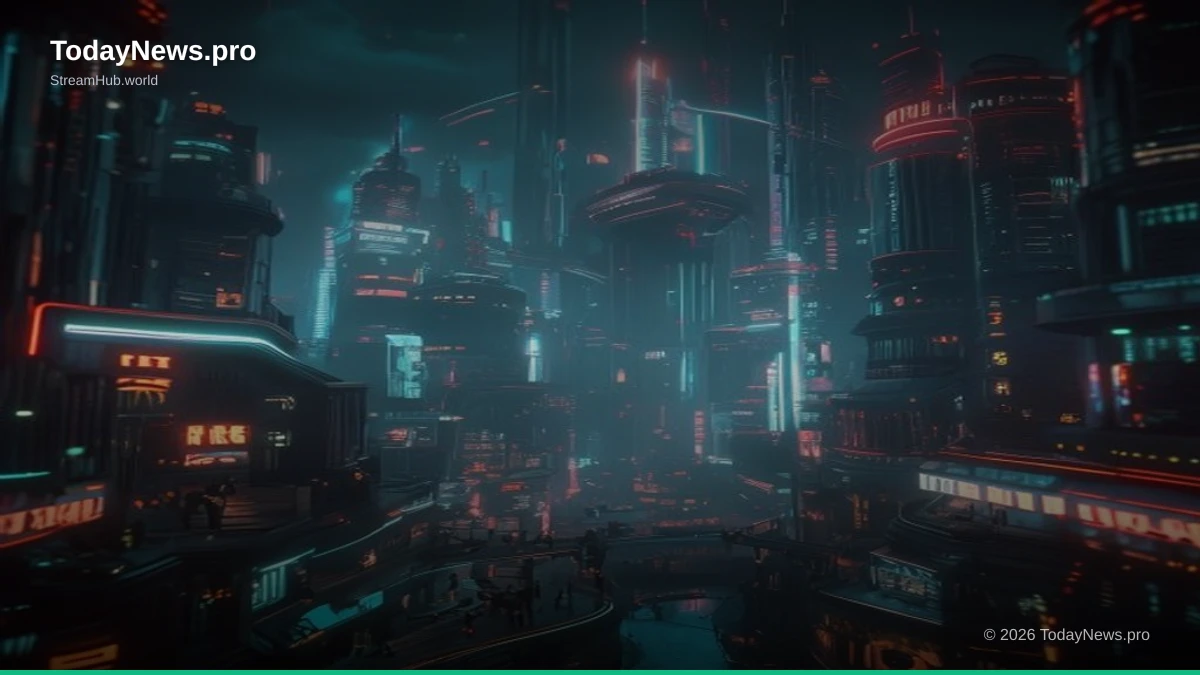
The global metaverse market is projected to reach a staggering $1.3 trillion by 2030, with gaming serving as a primary catalyst for its adoption and economic growth.
The Dawn of Digital Realities: Metaverse Gamings Ascendance
For decades, video games have offered players escapism and vibrant digital landscapes to explore. However, the advent of "metaverse gaming" represents a paradigm shift, moving beyond discrete play sessions into persistent, interconnected virtual worlds. These are not just games; they are nascent digital societies where players not only compete and collaborate but also build, own, and trade. This evolution is fueled by advancements in immersive technologies, blockchain, and sophisticated game development, creating environments that blur the lines between digital and physical existence. The dream of building a virtual empire, once confined to strategy games, is now a tangible reality for millions.
The allure of metaverse gaming lies in its promise of boundless creativity and economic opportunity. Players are no longer passive consumers of digital content but active participants in its creation and monetization. This fundamental change redefines the player's role, empowering them to shape the very fabric of the virtual worlds they inhabit. From virtual real estate moguls to digital artisans, the possibilities for self-expression and wealth generation are unprecedented. This burgeoning ecosystem is attracting significant investment and talent, signaling a profound transformation in entertainment and digital interaction.
Defining the Metaverse: Beyond the Hype and Into the Code
The term "metaverse" itself can be elusive, often conflated with simple virtual reality experiences or online multiplayer games. At its core, a true metaverse is characterized by several key pillars: persistence, real-time interactivity, economic functionality, interoperability, and a vast, user-generated content base. It's a continuous, always-on digital universe that exists independently of any single player's presence. Unlike traditional games that reset or pause, metaverse worlds continue to evolve, with events and changes occurring even when no one is logged in.
Real-time interactivity ensures that all actions within the metaverse happen instantaneously and are experienced by all participants simultaneously, fostering a sense of shared reality. Economic functionality, often powered by cryptocurrencies and non-fungible tokens (NFTs), allows for the creation, ownership, and trading of digital assets, from virtual land and avatars to in-game items and experiences. Interoperability, the holy grail of metaverse development, aims to allow assets and identities to move seamlessly between different virtual worlds, though this remains a significant technical and logistical challenge.
The Pillars of a Persistent Digital Universe
Understanding the foundational elements of the metaverse is crucial to grasping the scope of metaverse gaming. Persistence means the world never truly "ends" or resets. Interactivity is the live, synchronous experience shared by users. Economic functionality introduces real-world value to digital assets. Interoperability promises a connected web of virtual experiences. Finally, user-generated content ensures that the metaverse is not static but constantly expanding and evolving based on player creativity and input.
These elements combine to create an environment where players can engage in a multitude of activities. They can attend virtual concerts, explore user-created art galleries, participate in competitive esports tournaments, or simply socialize with friends from across the globe. The economic aspect allows for players to earn real money by selling virtual goods or services, creating entirely new career paths within these digital realms.
The Architecture of Persistence: Building Worlds That Endure
Creating a persistent digital world is an immense undertaking, requiring robust server infrastructure, sophisticated game engines, and meticulous world-building. Unlike traditional games that might store player progress on local devices or dedicated servers for a specific game mode, metaverse environments are designed to be perpetually online and accessible. This demands a constant state of operation, with systems in place to manage data, simulate environments, and process interactions for potentially millions of concurrent users.
The underlying technology often involves distributed computing, cloud infrastructure, and advanced database management to handle the sheer volume of data generated by a living, breathing digital world. Game engines like Unreal Engine and Unity are being pushed to their limits, with developers innovating to create more detailed, responsive, and scalable environments. The goal is to simulate a world that feels alive, with dynamic weather systems, evolving economies, and emergent narratives driven by player actions.
Scalability and Infrastructure Demands
The ability to scale is paramount for any metaverse. As user numbers grow, the underlying infrastructure must be able to accommodate the increased load without compromising performance. This involves sophisticated load balancing, data partitioning, and optimized network protocols. Developers are exploring decentralized solutions, such as blockchain technology, to manage ownership and transactions, which can also contribute to scalability and resilience.
The cost of maintaining such persistent worlds is substantial. Server hosting, continuous development, and community management all require significant ongoing investment. This is where the economic models of metaverse games become critical, as they need to generate sufficient revenue to sustain these operational costs and facilitate further growth. The vision is to create self-sustaining digital economies that can thrive and expand organically.
Player Agency and Economic Ecosystems: The Heartbeat of Virtual Empires
The true power of metaverse gaming lies in its emphasis on player agency and the creation of robust economic ecosystems. Unlike traditional games where developers dictate the entire experience, metaverse worlds empower players to become creators, entrepreneurs, and landowners. This shift from passive consumption to active participation is what allows for the formation of "virtual empires."
Player-generated content is a cornerstone. Users can build structures, design clothing for avatars, create custom experiences, and even develop entire mini-games within the larger metaverse. This UGC not only enriches the virtual world but also provides avenues for monetization. A player might build a virtual art gallery and charge admission, or design unique avatar skins and sell them as NFTs. The digital economy thrives on this innovation and creativity.
The Role of Blockchain and NFTs
Blockchain technology and NFTs have been instrumental in unlocking the economic potential of metaverse gaming. NFTs provide verifiable ownership of digital assets, ensuring that players truly own what they create or purchase. This ownership is transferable and can be traded on open marketplaces, creating a real-world value for in-game items. Cryptocurrencies act as the medium of exchange, facilitating seamless transactions within and between virtual worlds.
This integration of blockchain has given rise to concepts like "play-to-earn" (P2E) gaming, where players can earn cryptocurrency or NFTs by playing the game. While P2E models have faced scrutiny and evolving dynamics, they have undeniably proven the viability of player-driven economies within virtual spaces. The ability to earn a living or significant supplementary income from playing games is a powerful draw for many.
| Virtual Asset Type | Typical Monetization Strategy | Example Use Case |
|---|---|---|
| Virtual Land | Purchase, Rent, Development | Building virtual businesses, advertising space, event venues. |
| Avatar Skins & Accessories | Direct Purchase, NFT Sale | Customizing player appearance, exclusive digital fashion. |
| In-Game Items (Weapons, Tools) | NFT Sale, Crafting & Selling | Enhancing gameplay, crafting rare or powerful items. |
| Virtual Experiences/Games | Ticket Sales, In-App Purchases | Creating and monetizing unique interactive events or mini-games. |
Challenges and Controversies: Navigating the Uncharted Territories
Despite the immense promise, metaverse gaming is not without its significant challenges and controversies. Scalability remains a persistent hurdle, with many platforms struggling to handle massive concurrent user loads without performance degradation. The technical complexities of building and maintaining these vast, interconnected worlds are immense, requiring cutting-edge solutions and continuous innovation.
Economic volatility is another concern. The value of cryptocurrencies and NFTs can fluctuate wildly, impacting the stability of virtual economies and the livelihoods of those who depend on them. Issues of security, such as the risk of scams, hacks, and the theft of digital assets, also loom large. Ensuring a safe and secure environment for users is paramount for long-term adoption.
User Safety, Moderation, and Governance
The decentralized nature of some metaverse platforms presents unique challenges for moderation and governance. Who is responsible for enforcing rules, preventing harassment, and combating illicit activities in a world where users have significant autonomy? Establishing effective moderation systems, ensuring digital safety, and creating fair governance models that reflect the interests of the community are critical for fostering healthy virtual societies.
Furthermore, accessibility remains a barrier. High-end VR hardware can be expensive, and while many metaverse games are accessible via traditional screens, the full immersive experience often requires specialized equipment. Bridging this digital divide and ensuring inclusivity is crucial for the metaverse to live up to its potential as a universally accessible digital frontier.
What are the biggest security risks in metaverse gaming?
How is user-generated content regulated in metaverses?
Can I get banned from a metaverse?
The Future Frontier: Interoperability, AI, and Societal Integration
The trajectory of metaverse gaming is pointing towards increased interoperability, the integration of advanced AI, and a deeper societal integration. Interoperability, the ability for assets, identities, and experiences to move seamlessly between different virtual worlds, is widely seen as the next evolutionary leap. Imagine taking your favorite avatar or a rare digital item from one metaverse game to another, regardless of who developed it.
This would create a truly interconnected digital universe, breaking down the current silos of isolated virtual experiences. While technically challenging due to differing standards and proprietary systems, the potential benefits for users and developers alike are enormous. It would foster a more cohesive and dynamic digital landscape, akin to the World Wide Web but for immersive experiences.
The Role of Artificial Intelligence
Artificial intelligence is poised to play a transformative role in shaping the future of metaverse gaming. AI can be used to generate more dynamic and responsive non-player characters (NPCs) that exhibit complex behaviors and engage in natural language conversations. This can lead to richer narratives, more challenging gameplay, and a more immersive world. AI can also assist in content creation, helping users design assets, build environments, and even generate music or dialogue.
Furthermore, AI can analyze player behavior to personalize experiences, optimize game mechanics, and detect fraudulent activities. The potential for AI to enhance every facet of the metaverse, from world generation to user interaction, is vast. It promises to make virtual worlds more intelligent, more engaging, and more tailored to individual players.
Societal integration signifies the metaverse moving beyond entertainment and becoming a venue for work, education, and social interaction on a grander scale. Companies are already establishing virtual offices, educators are exploring immersive learning environments, and social gatherings are taking place in digital spaces. As these worlds become more sophisticated and accessible, they are likely to become integral parts of our daily lives, influencing how we communicate, learn, and conduct business.
This integration raises important questions about digital identity, ownership, and governance. Establishing clear legal frameworks, ethical guidelines, and robust security measures will be crucial as the metaverse becomes more intertwined with our physical reality. The journey from a gaming niche to a fundamental societal infrastructure is underway, promising a future where the lines between the physical and digital are increasingly blurred.
Case Studies: Titans of the Metaverse Gaming Landscape
Several platforms have emerged as pioneers in the metaverse gaming space, each offering unique approaches to virtual world building and player engagement. These titles demonstrate the diverse possibilities within the genre and have attracted massive player bases and significant investment.
Decentraland, built on the Ethereum blockchain, offers a decentralized virtual world where users can purchase, develop, and monetize virtual land parcels. It emphasizes user ownership and governance through its DAO, allowing players to have a direct say in the platform's evolution. Decentraland hosts a variety of user-created experiences, from art galleries and games to social hangouts.
The Sandbox is another prominent blockchain-based metaverse that empowers players to create, play, and monetize their gaming experiences. It utilizes NFTs for land ownership and in-game assets, allowing creators to design and sell their creations on the marketplace. The Sandbox has attracted notable partnerships with major brands, signaling its growing influence in the digital entertainment landscape.
Roblox, while not strictly a blockchain-based metaverse, is a colossal platform that has embraced user-generated content and virtual economies for years. It hosts millions of "experiences" created by its users, allowing for a vast array of gaming genres and social interactions. Roblox’s success demonstrates the immense appeal of a platform where creativity and entrepreneurial spirit are rewarded.
These platforms, along with emerging contenders like Axie Infinity (a pioneer in play-to-earn gaming) and virtual social worlds like VRChat, are paving the way for what comes next. They are laboratories for new forms of interaction, economic models, and digital culture, pushing the boundaries of what is possible in virtual environments. The lessons learned and innovations developed within these spaces will undoubtedly shape the future of gaming and the broader digital landscape.
The continued evolution of these platforms, coupled with advancements in underlying technologies like VR/AR and AI, suggests that metaverse gaming is not just a fleeting trend but a fundamental shift in how we will interact with digital content and each other. The ability to build persistent virtual empires, engage in thriving digital economies, and express oneself in boundless ways ensures that metaverse gaming will remain at the forefront of technological and cultural innovation.