

 Tom 'Retro' Baker
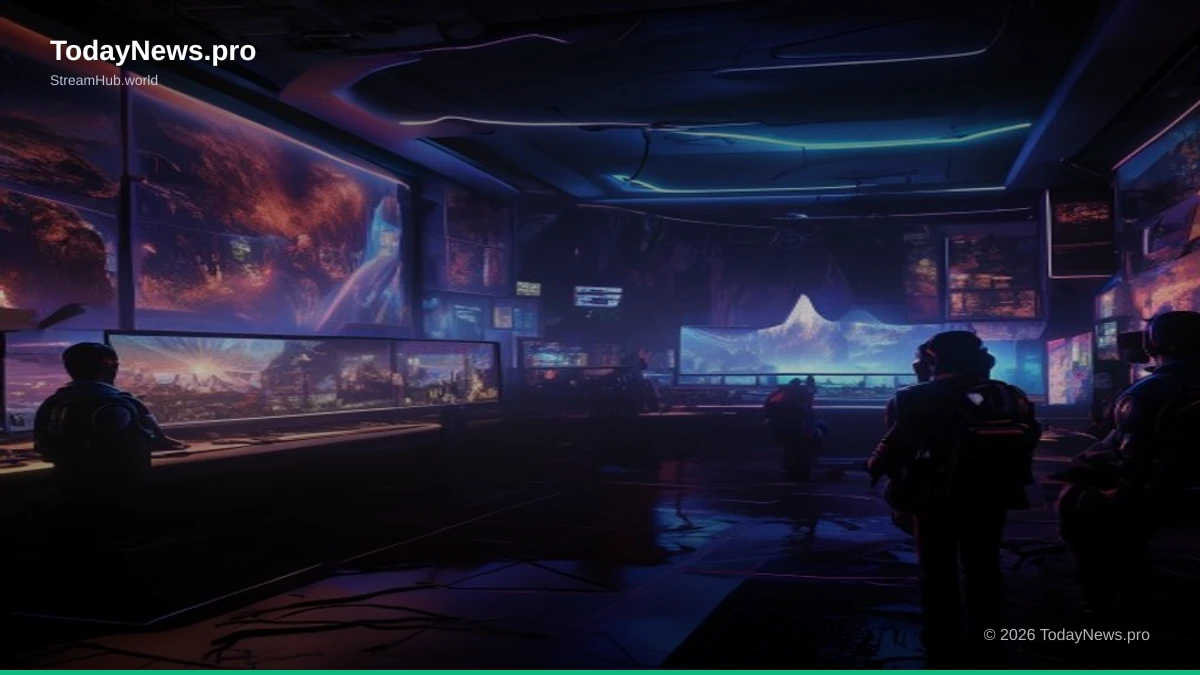
⏱ 40 min
The global metaverse market is projected to reach $1.6 trillion by 2030, with gaming representing a significant catalyst for this expansion, moving beyond simple entertainment to become complex digital ecosystems.
The Metaverse Gaming Frontier: A Shifting Landscape
The term "metaverse" has evolved from a science fiction concept to a tangible digital reality, and at its forefront is the gaming industry. What began as isolated virtual worlds for entertainment is now transforming into interconnected, persistent digital universes where players are not just consumers but active participants, creators, and even economic stakeholders. This seismic shift is driven by advancements in technology, a growing desire for immersive experiences, and the burgeoning potential of decentralized economies. Today's metaverse gaming frontier is a complex tapestry woven with threads of innovation, speculation, and genuine human connection, pushing the boundaries of what we understand as "play." The evolution is not merely about better graphics or more expansive worlds. It's about a fundamental redefinition of the player's role and the very nature of digital interaction. We are witnessing a transition from closed, proprietary game environments to open, interoperable platforms where digital assets can transcend individual games. This signifies a monumental leap, one that mirrors the early internet's journey from siloed networks to a globally connected web. The implications for developers, players, and the broader digital economy are profound, promising a future where virtual experiences are as rich and meaningful as our physical ones. ### The Birth of Persistent Worlds Early multiplayer games laid the groundwork for persistent virtual spaces. Titles like *Ultima Online* and *EverQuest* introduced concepts of player-driven economies and enduring digital identities. These early forays, while primitive by today's standards, demonstrated the inherent human desire to inhabit and shape virtual worlds. They proved that players sought more than fleeting experiences; they desired a sense of belonging, progression, and ownership within these digital realms. This foundational work paved the way for more sophisticated virtual worlds. Platforms like *Second Life* further explored user-generated content and social interaction, showing that virtual environments could be more than just arenas for combat or competition. They could be social hubs, marketplaces, and canvases for creative expression. The lessons learned from these pioneering efforts are directly influencing the design and architecture of today's metaverse gaming experiences, emphasizing community, creativity, and economic opportunity. ### From Closed Ecosystems to Open Worlds Historically, game worlds have been largely closed ecosystems, controlled entirely by their developers. Players invested time and money into digital assets that were confined to that specific game. The rise of the metaverse, however, is challenging this paradigm. Concepts like interoperability and blockchain technology are enabling digital assets to have true ownership and potential use across multiple virtual environments. This is a critical differentiator, unlocking new possibilities for player investment and engagement. The shift towards open worlds means that the value created by players within a game can have a tangible, external worth. This has profound implications for how games are designed, monetized, and experienced. Developers are now tasked with building platforms that can accommodate diverse user-generated content and facilitate the exchange of assets, fostering a more dynamic and player-centric digital economy.Beyond Pixels: Defining the Next Era of Gaming
The metaverse is not just an upgrade; it's a paradigm shift that redefines what gaming can be. It’s about moving beyond the traditional confines of a screen and controller to create experiences that are deeply immersive, socially integrated, and economically relevant. This evolution is driven by a confluence of technological advancements and changing player expectations, where virtual worlds are becoming extensions of our real lives, offering new avenues for interaction, creation, and commerce. The core of this transformation lies in the concept of persistence and shared reality. Unlike traditional games that often reset or have finite endpoints, metaverse environments are intended to be always-on, evolving spaces. This means that player actions have lasting consequences, and the digital world continues to exist and change even when individual players are offline. This persistent nature fosters a deeper sense of engagement and ownership. ### The Immersive Experience: VR, AR, and Beyond Virtual Reality (VR) and Augmented Reality (AR) are often seen as the gateways to the metaverse. VR offers complete immersion, transporting users into fully digital environments, while AR overlays digital information and objects onto the real world. These technologies are crucial for making the metaverse feel tangible and believable, enhancing player presence and interaction within virtual spaces. The continued development of VR headsets, with improved fidelity, comfort, and accessibility, is making these experiences more mainstream. Similarly, AR technologies are becoming more sophisticated, integrated into smartphones and increasingly into wearable devices. The synergy between these technologies promises a future where the lines between physical and digital reality blur, creating unparalleled gaming opportunities. Imagine attending a virtual concert with friends from around the globe, or playing an AR game that transforms your living room into a fantasy battlefield. ### User-Generated Content: Empowering the Creator Economy A defining characteristic of the metaverse is its reliance on user-generated content (UGC). Unlike traditional games where developers dictate all in-game assets and experiences, metaverse platforms empower players to become creators. This ranges from designing custom avatars and virtual spaces to developing entirely new game modes and experiences. This democratization of creation fuels innovation and ensures a constant stream of fresh content. Platforms like *Roblox* and *Minecraft* have already demonstrated the immense power of UGC. Millions of users contribute to their worlds, creating a vibrant ecosystem of diverse experiences. The metaverse takes this a step further, providing tools and economic incentives for creators to build sophisticated applications and services within these virtual realms. This fosters a thriving creator economy, where talented individuals can earn a living by contributing to the metaverse. ### Social Integration and Community Building Metaverse gaming is inherently social. These virtual worlds are designed to be places where people can connect, interact, and form communities, regardless of their geographical location. Beyond just playing games together, players can socialize in virtual cafes, attend events, collaborate on projects, and build lasting relationships. This social fabric is as important as the gameplay itself, fostering a sense of belonging and shared experience. The development of advanced social features, such as proximity voice chat, intricate avatar customization, and shared interactive spaces, enhances these social dynamics. Metaverse games are becoming digital town squares, spaces where people can express themselves, forge friendships, and participate in collective activities. This social dimension is a key driver of long-term engagement and retention, making these virtual worlds sticky and appealing.Economic Revolution: Play-to-Earn and Digital Ownership
The advent of blockchain technology has introduced a revolutionary economic model to gaming: play-to-earn (P2E). This model allows players to earn real-world value through their in-game activities, transforming gaming from a purely recreational pursuit into a potential source of income. Digital ownership, facilitated by Non-Fungible Tokens (NFTs), is central to this economic shift, granting players verifiable ownership of in-game assets. This economic paradigm shift has profound implications. It democratizes wealth creation within virtual worlds, allowing individuals from diverse backgrounds to participate and benefit. For many, P2E games have become a viable way to supplement their income, particularly in regions where traditional employment opportunities are scarce. This has led to the emergence of dedicated guilds and communities focused on optimizing earnings within these virtual economies. ### The Rise of Play-to-Earn (P2E) Play-to-earn games fundamentally alter the relationship between players and developers. Instead of players paying for a game and its in-game items, they can earn cryptocurrency or NFTs by playing. These earnings can then be traded on open marketplaces for fiat currency or other cryptocurrencies. This creates a positive feedback loop where player engagement directly contributes to the game's economy. While the P2E model has faced scrutiny regarding its sustainability and potential for speculative bubbles, its impact on the gaming landscape is undeniable. It has spurred innovation in game design, forcing developers to think about long-term economic viability and player retention through earning potential rather than just entertainment value. The challenge lies in creating P2E games that are fun and engaging first, with the earning potential as a secondary benefit, rather than solely focusing on economic incentives.| Year | Market Size | CAGR |
|---|---|---|
| 2023 | 125.5 | - |
| 2024 | 158.9 | 26.6% |
| 2025 | 201.2 | 26.6% |
| 2026 | 255.0 | 26.8% |
| 2030 | 750.0 | 30.0% |
"The play-to-earn model has democratized digital asset ownership in gaming. Players are no longer just renting digital goods; they truly own them, and this has unlocked unprecedented economic activity within virtual worlds."
### Non-Fungible Tokens (NFTs) and True Ownership
NFTs are digital certificates of authenticity that are stored on a blockchain, proving ownership of unique digital assets. In metaverse gaming, NFTs can represent anything from in-game items like weapons and skins to virtual land, avatars, and even characters. This allows for verifiable scarcity and ownership, which is crucial for building robust in-game economies.
Unlike traditional digital items that can be infinitely duplicated, NFTs are one-of-a-kind or part of a limited series, giving them inherent value. This has led to the creation of secondary markets where players can buy, sell, and trade their digital assets, fostering a dynamic player-driven economy. The potential for NFTs extends beyond mere ownership; they can also grant players access to exclusive content, events, or special abilities within games.
### Decentralized Autonomous Organizations (DAOs) in Gaming
Decentralized Autonomous Organizations (DAOs) are emerging as a powerful governance model for metaverse games. DAOs are community-led entities where decisions are made through proposals and voting mechanisms by token holders. In the context of gaming, DAOs can give players a direct say in the development, direction, and economic policies of the games they play.
This shift towards decentralized governance empowers players and fosters a sense of collective ownership. Players who hold governance tokens can vote on proposals related to game updates, feature requests, treasury management, and even the allocation of development resources. This collaborative approach ensures that games evolve in ways that align with the interests of their community, leading to more sustainable and player-centric virtual worlds.
— Dr. Anya Sharma, Lead Researcher, Digital Economy Institute
Social Fabric of the Metaverse: Community and Interaction
The metaverse is fundamentally a social construct, and its success hinges on its ability to foster genuine human connection and vibrant communities. Beyond the thrill of gameplay, players seek belonging, shared experiences, and opportunities for meaningful interaction. Metaverse gaming platforms are increasingly designed to facilitate these social dynamics, becoming digital extensions of our real-world social lives. The ability to embody unique digital avatars, express individuality, and engage in shared activities creates a powerful sense of presence and camaraderie. These virtual worlds are not just places to play games; they are evolving into digital neighborhoods, social clubs, and collaborative workspaces where relationships are forged and communities thrive. ### Avatars as Digital Identities Avatars are the digital representations of players in the metaverse. Their customization options are becoming increasingly sophisticated, allowing players to craft unique digital identities that reflect their personality, aspirations, or even fantasy personas. This personalization is a critical element in fostering a sense of self within virtual environments and facilitating social recognition. The evolution of avatars goes beyond mere aesthetics. They are becoming increasingly expressive, with advanced motion capture and facial animation technologies enabling more nuanced and realistic interactions. This allows for richer non-verbal communication, enhancing the depth and authenticity of social encounters within metaverse games. The ability to switch between different avatars for different contexts further adds to the fluidity of digital identity.78%
of gamers believe avatars are crucial for expressing their identity.
65%
of metaverse users engage in social activities weekly.
45%
of new metaverse users join communities within their first month.
Technological Underpinnings: The Engine of Evolution
The ambitious vision of the metaverse gaming frontier is powered by a complex and rapidly evolving technological ecosystem. Advances in computing power, network infrastructure, artificial intelligence, and decentralized ledger technologies are collectively laying the foundation for these immersive and interactive digital worlds. Without these underlying innovations, the metaverse would remain a theoretical concept. The development of increasingly powerful graphics processing units (GPUs) and central processing units (CPUs) allows for the rendering of more complex and realistic virtual environments. Meanwhile, advancements in network latency and bandwidth, such as the rollout of 5G, are crucial for delivering seamless and responsive multiplayer experiences, particularly in VR and AR.Projected Metaverse Gaming Technology Investment (USD Billion)
Challenges and the Road Ahead
Despite the exciting advancements, the metaverse gaming frontier faces significant hurdles that must be overcome for its full potential to be realized. These challenges span technological limitations, ethical considerations, and the need for greater interoperability and accessibility. Addressing these issues will be crucial for fostering a sustainable and inclusive future for virtual worlds. The path forward is not without its complexities, and navigating these challenges will require collaboration between developers, policymakers, and the user community. The lessons learned from the early internet's evolution provide valuable insights into how to approach these burgeoning digital landscapes responsibly. ### Interoperability and Standardization One of the most significant challenges is achieving true interoperability between different metaverse platforms. Currently, most virtual worlds operate in silos, with digital assets and identities not easily transferable between them. This fragmentation limits the potential for a truly interconnected metaverse. The development of open standards and protocols will be essential for enabling seamless movement of assets, avatars, and data across different virtual environments. This will require industry-wide cooperation and a commitment to building an open metaverse rather than a collection of closed ecosystems. Initiatives like the Metaverse Standards Forum are working towards this goal, but widespread adoption remains a long-term endeavor. ### Scalability and Infrastructure As the metaverse grows, the infrastructure required to support it must scale accordingly. This includes ensuring sufficient computing power, network bandwidth, and decentralized storage to accommodate an ever-increasing number of users and the complexity of their interactions. The current internet infrastructure, while advanced, may struggle to meet the demands of a truly massive and persistent metaverse. Continuous investment in network upgrades, cloud computing capabilities, and efficient data management solutions will be necessary to ensure smooth and uninterrupted experiences for all users. ### Accessibility and Digital Divide Ensuring that the metaverse is accessible to everyone, regardless of their technical expertise, financial resources, or geographical location, is a critical challenge. The high cost of VR/AR hardware and the reliance on stable internet connections can create a digital divide, excluding significant portions of the global population. Efforts must be made to develop more affordable hardware options and to explore alternative access methods. Furthermore, educational initiatives are needed to equip individuals with the skills and knowledge necessary to navigate and participate in these new digital realms. The goal should be to create an inclusive metaverse where opportunities are available to all. ### Ethical Considerations and Governance The rapid development of the metaverse also raises important ethical questions. Issues such as data privacy, digital identity security, online harassment, and the potential for addiction need to be carefully considered and addressed. Establishing clear governance frameworks and ethical guidelines will be paramount. The decentralized nature of some metaverse platforms presents unique governance challenges. Striking a balance between community autonomy and the need for responsible oversight will be essential. Open and transparent discussions about these ethical dilemmas, involving a diverse range of stakeholders, are crucial for building a metaverse that is safe, fair, and beneficial for all.The Future is Now: Immersive Experiences
The metaverse gaming frontier represents more than just an evolution; it's a revolution in how we interact with digital spaces and each other. The fusion of gaming, social interaction, and economic opportunity within persistent virtual worlds is creating experiences that are profoundly immersive and transformative. While challenges remain, the trajectory points towards a future where the lines between our physical and digital lives become increasingly blurred. The ongoing innovation in VR, AR, AI, and blockchain technology is continuously pushing the boundaries of what is possible. As these technologies mature and become more accessible, the metaverse will offer increasingly sophisticated and engaging experiences, moving beyond simple play to become integral parts of our daily lives. The potential for creativity, connection, and economic empowerment within these virtual realms is immense, heralding a new era of digital existence.What is the difference between the metaverse and a video game?
A video game is typically a self-contained experience with defined goals and a finite lifespan. The metaverse, on the other hand, aims to be a persistent, interconnected network of virtual worlds where users can engage in a wide range of activities beyond gaming, including social interaction, commerce, work, and creation. Metaverse games are a subset of the broader metaverse concept.
Is play-to-earn gaming sustainable?
The sustainability of play-to-earn gaming is a subject of ongoing debate. While it offers exciting opportunities for players, some models have been criticized for relying on speculative asset appreciation and potentially unsustainable reward mechanisms. Long-term sustainability likely depends on games that offer genuine fun and engagement, with earning potential as a supplementary benefit, rather than solely focusing on economic incentives.
How will VR and AR impact metaverse gaming?
VR and AR technologies are key enablers of immersive metaverse experiences. VR offers complete immersion by transporting users into virtual environments, while AR overlays digital elements onto the real world. These technologies enhance the sense of presence, interactivity, and realism, making metaverse gaming more engaging and believable.
What role does blockchain play in the metaverse?
Blockchain technology underpins several critical aspects of the metaverse, including digital ownership (via NFTs), secure transactions (via cryptocurrencies), and decentralized governance (via DAOs). It provides a transparent and secure foundation for digital economies and ensures that users have true ownership of their virtual assets.