

 David Chen
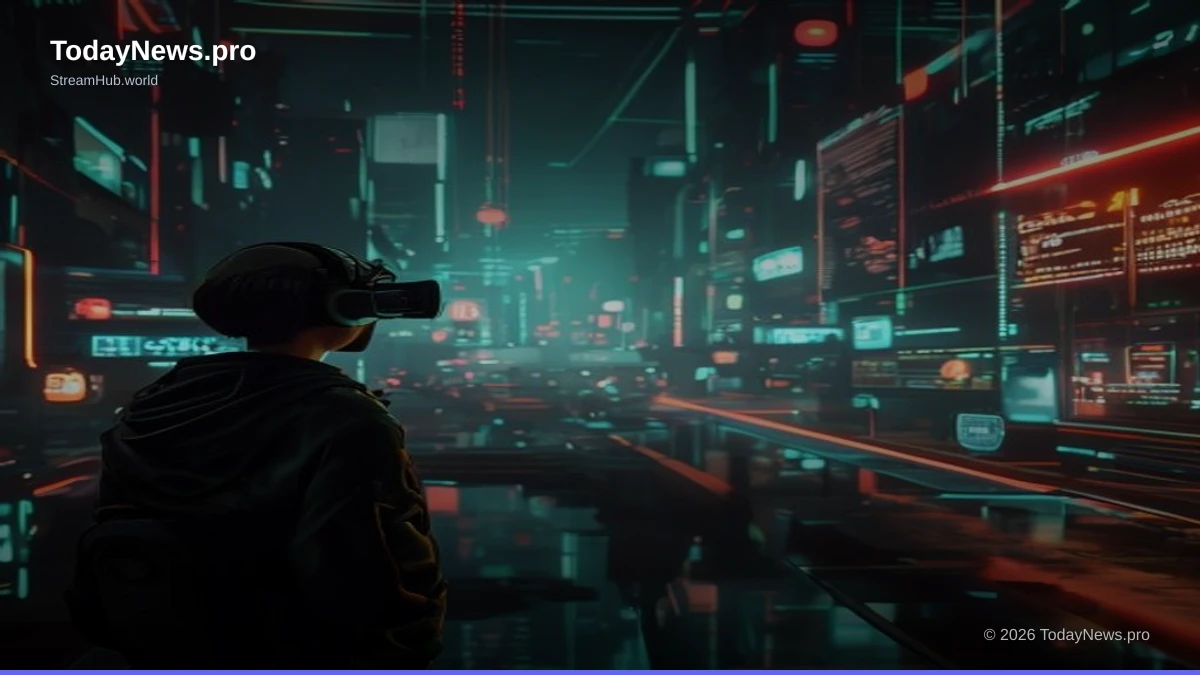
By 2030, the global metaverse market is projected to reach an astonishing $1.6 trillion, a testament to its rapid evolution from nascent social platforms to sophisticated, persistent digital economies capable of fostering real-world value.
The Metaverse Evolution: A Transformative Journey (2026-2030)
The period between 2026 and 2030 marks a pivotal era in the metaverse's development. What began as a collection of disparate virtual worlds, primarily focused on social interaction and gaming, has undergone a profound transformation. This evolution is characterized by an increasing emphasis on persistent digital economies, sophisticated interoperability, and the seamless integration of real-world assets and activities into virtual spaces. The initial novelty has given way to utility, with businesses and individuals alike recognizing the metaverse's potential to revolutionize commerce, collaboration, education, and entertainment.
Early metaverse platforms often resembled digital theme parks or elaborate chat rooms, prioritizing immersive experiences and social connection. While these aspects remain vital, the focus has shifted significantly towards creating environments where digital assets have tangible value, where transactions are secure and transparent, and where users can conduct business, earn a livelihood, and build lasting digital legacies. This paradigm shift is not merely an upgrade; it represents a fundamental redefinition of what the metaverse can be, moving beyond escapism to embrace functionality and economic empowerment.
The Shifting User Landscape
The user base has expanded considerably. While early adopters were largely tech enthusiasts and gamers, the period from 2026 to 2030 has seen a broader demographic embrace the metaverse. Professionals are utilizing virtual collaboration tools, artists are showcasing and selling digital art, and consumers are engaging in virtual shopping experiences that mirror, and sometimes surpass, their real-world counterparts. This diversification of users necessitates a more robust and inclusive metaverse infrastructure.
Education has also found a fertile ground in the metaverse. Universities and training institutions are developing virtual campuses and simulation environments that offer hands-on learning experiences previously impossible. Imagine medical students practicing complex surgical procedures in a risk-free virtual operating room or history students walking through meticulously recreated ancient Rome. This democratizes access to specialized training and offers engaging learning modules for all ages.
From Social Sandboxes to Economic Powerhouses
The transition from social sandboxes to economic powerhouses has been driven by several converging factors. Technological advancements have made virtual environments more realistic, accessible, and functional. Crucially, the development of robust blockchain technologies and non-fungible tokens (NFTs) has provided the infrastructure for verifiable ownership of digital assets, enabling the creation of true digital economies. This has moved the metaverse from a place of play to a place of work and commerce.
Early metaverse platforms, such as Decentraland and The Sandbox, initially focused on user-generated content and virtual land ownership. While these elements remain important, the economic models have matured. These platforms now host virtual storefronts, advertising spaces, and even virtual event venues that generate real revenue. The concept of "digital real estate" has solidified, with valuable virtual parcels being bought, sold, and developed for commercial purposes, mirroring the dynamics of physical property markets.
The Rise of Digital Scarcity and Ownership
NFTs have been instrumental in introducing digital scarcity and establishing clear ownership of virtual items. This includes everything from avatar clothing and accessories to in-world land and unique digital art. The ability to prove ownership and trade these assets securely on decentralized ledgers has unlocked new avenues for creators and collectors, fostering vibrant marketplaces within metaverse environments. This has fundamentally changed the perception of digital goods from ephemeral to valuable and ownable.
The impact of NFTs extends beyond collectibles. Companies are now minting NFTs for product warranties, event tickets, and even intellectual property rights. This verifiable ownership streamlines processes, reduces fraud, and creates new revenue streams. For instance, a musician could sell an NFT that grants exclusive access to future virtual concerts or merchandise discounts, creating a direct and ongoing relationship with their fanbase.
Key Technological Underpinnings Driving the Shift
Several technological advancements have been the bedrock of the metaverse's evolution into persistent digital economies. High-speed internet (5G and beyond), more powerful and affordable virtual reality (VR) and augmented reality (AR) hardware, and the maturation of blockchain technology have all played critical roles. These innovations have not only enhanced the user experience but also provided the necessary infrastructure for complex economic activities to thrive within virtual realms.
The development of more intuitive and accessible VR/AR headsets has been a game-changer. Devices are becoming lighter, more comfortable, and less expensive, making immersive experiences attainable for a wider audience. Simultaneously, advancements in graphical rendering and real-time physics simulations have made virtual worlds more believable and interactive. This sensory richness is crucial for fostering engagement and encouraging users to spend significant time and resources within these digital spaces.
Interoperability and the Seamless Metaverse
A significant area of development has been the pursuit of interoperability between different metaverse platforms. While still a work in progress, the goal is to allow users to move their digital assets and avatars seamlessly between various virtual worlds. This would prevent the metaverse from becoming a collection of isolated digital islands and instead create a truly interconnected digital universe. Standards for asset transfer and identity management are being developed to facilitate this crucial aspect of a unified metaverse experience.
Imagine being able to use a single avatar and carry your owned digital clothing or tools across different metaverse experiences, from a virtual work meeting in one platform to a concert in another. This level of seamless integration is essential for fostering a truly persistent and functional digital economy, reducing friction for users and creators alike.
The Role of Artificial Intelligence
Artificial intelligence (AI) is increasingly being integrated into metaverse platforms to enhance realism, personalize user experiences, and automate complex processes. AI-powered non-player characters (NPCs) can exhibit more sophisticated behaviors, creating more dynamic and engaging environments. AI is also being used for content moderation, asset generation, and even to assist users in navigating and interacting within virtual worlds. The ability of AI to understand and respond to natural language is making interactions more intuitive.
AI algorithms can analyze user behavior to recommend personalized content, virtual goods, or even career opportunities within the metaverse. This data-driven approach allows for the creation of highly tailored and engaging experiences, increasing user retention and satisfaction. Furthermore, AI can automate the creation of digital assets, reducing the cost and time required for development.
The Emergence of Persistent Digital Economies
The period between 2026 and 2030 has witnessed the full flowering of persistent digital economies within the metaverse. These are not simply marketplaces for virtual goods; they are complex ecosystems where users can earn a living, invest, and engage in a wide range of economic activities. The concept of "play-to-earn" has evolved into "create-to-earn," "work-to-earn," and "invest-to-earn," reflecting the growing diversity of economic opportunities.
Businesses are establishing virtual headquarters, conducting meetings, and even hiring virtual employees. Digital currencies, both cryptocurrency and platform-specific tokens, are being used for transactions, creating a dynamic flow of value. The lines between the virtual and physical economies are blurring, with real-world businesses leveraging metaverse presence for marketing, sales, and customer engagement. This shift signifies a maturation of the metaverse from a novelty to a viable economic frontier.
Virtual Land and Real Estate Markets
Virtual land has become a significant asset class within the metaverse. Parcels of digital real estate are being bought, sold, and developed for a variety of purposes, including virtual storefronts, entertainment venues, and event spaces. The value of this virtual land is often tied to its location within popular metaverse worlds, its proximity to high-traffic areas, and its potential for commercial development, mirroring traditional real estate principles.
Major brands are investing heavily in virtual land to establish their presence and engage with consumers in new ways. This has led to the development of virtual malls, showrooms, and even entire virtual cities. The speculative nature of this market, however, also carries risks, with values fluctuating based on platform popularity and economic trends.
Digital Goods and Services Economy
The economy of digital goods and services has exploded. This encompasses everything from avatar customization items and virtual fashion to digital art, music, and unique experiences. Creators can monetize their skills directly, selling their creations to a global audience without intermediaries. The ability to create, own, and trade these digital assets has empowered a new generation of digital entrepreneurs.
A notable trend is the rise of "digital fashion houses" and "virtual influencers" who operate entirely within the metaverse, generating significant revenue through brand partnerships and sales of virtual apparel. This demonstrates a new paradigm for branding and celebrity, where digital presence translates directly into economic success.
Industry Adoption and New Business Models
The metaverse is no longer just for gamers and early adopters; it has become a critical frontier for businesses across nearly every sector. From retail and marketing to education, healthcare, and manufacturing, industries are actively exploring and implementing metaverse strategies. This adoption is leading to the creation of entirely new business models and revenue streams, fundamentally altering how companies operate and interact with their customers.
Retailers are no longer content with simple e-commerce. They are building immersive virtual stores where customers can browse products in 3D, try on virtual clothing, and interact with sales assistants. This offers a more engaging and personalized shopping experience, potentially bridging the gap between online convenience and the tactile experience of physical retail. Marketing campaigns are also becoming more interactive, with brands hosting virtual events, product launches, and experiential marketing initiatives within metaverse platforms.
The Future of Work and Collaboration
The metaverse is transforming the workplace. Virtual collaboration tools are enabling remote teams to connect and work together in more immersive and engaging ways than traditional video conferencing. Imagine having a virtual whiteboard session where team members can sketch ideas together in real-time, or conducting a product design review with a full-scale 3D model. These environments foster a stronger sense of presence and camaraderie among distributed teams.
Companies are also leveraging the metaverse for onboarding new employees, conducting training simulations, and hosting virtual conferences. This reduces travel costs and environmental impact while offering more dynamic and accessible learning opportunities. The ability to simulate complex scenarios, such as operating heavy machinery or handling hazardous materials, provides invaluable practical experience in a safe, virtual setting.
| Industry | Primary Metaverse Applications (2026-2030) | Projected Growth |
|---|---|---|
| Retail & E-commerce | Virtual showrooms, immersive shopping, digital product launches, branded virtual worlds | High |
| Entertainment & Media | Virtual concerts, interactive films, esports arenas, fan engagement platforms | Very High |
| Education & Training | Virtual campuses, simulation labs, remote learning experiences, skills development | High |
| Manufacturing & Design | Digital twins, product prototyping, remote collaboration on designs, supply chain visualization | Medium-High |
| Healthcare | Remote patient consultations, surgical training simulations, mental health therapy, pharmaceutical marketing | Medium |
Metaverse as a New Advertising Frontier
Advertising within the metaverse presents a unique opportunity for brands to engage with consumers in novel ways. Instead of passive banner ads, companies can create interactive brand experiences, sponsor virtual events, or place advertisements on virtual billboards in high-traffic metaverse locations. The ability to track user engagement with these ads in real-time allows for highly targeted and effective marketing campaigns.
Furthermore, the rise of personalized avatars and digital identities means that advertising can become even more tailored to individual preferences. Imagine an advertisement for a new virtual outfit appearing only on avatars that have shown interest in fashion or a promotion for a virtual music festival targeting avatars that frequently attend concerts. This level of specificity promises a more relevant and less intrusive advertising experience.
Challenges and the Road Ahead
Despite the rapid progress, the metaverse still faces significant hurdles. Scalability remains a concern, with many platforms struggling to accommodate millions of simultaneous users without performance degradation. Interoperability, while improving, is far from seamless, with users often locked into specific platform ecosystems. Furthermore, issues surrounding data privacy, security, digital identity verification, and the potential for increased digital divides need to be addressed.
Regulatory frameworks are still in their infancy, and it is unclear how existing laws will apply to digital assets, virtual economies, and user behavior within the metaverse. Establishing clear guidelines for taxation, intellectual property, and consumer protection will be crucial for fostering trust and enabling widespread adoption. The potential for misuse, such as cybercrime and the spread of misinformation, also requires robust technical and ethical solutions.
The Digital Divide and Accessibility
A critical challenge is ensuring that the metaverse does not exacerbate existing digital divides. Access to high-speed internet, powerful computing devices, and affordable VR/AR hardware is not universal. If the metaverse becomes a primary space for economic and social interaction, those without access could be further marginalized. Efforts to lower the cost of hardware and improve internet infrastructure globally are paramount to creating an inclusive metaverse.
Moreover, the learning curve for navigating and utilizing metaverse platforms can be steep for some. Intuitive user interfaces and comprehensive educational resources are needed to onboard a diverse user base, ensuring that the metaverse is accessible to people of all ages and technical proficiencies. Accessibility features for individuals with disabilities are also a vital consideration in the design and development of metaverse spaces.
Security, Privacy, and Ethical Considerations
The security of digital assets and personal data within the metaverse is a paramount concern. As economies grow, they become more attractive targets for cybercriminals. Robust security measures, including advanced encryption and secure identity verification protocols, are essential to protect users from fraud and theft. The decentralized nature of some metaverse technologies, while offering benefits, also presents unique security challenges.
Data privacy is another significant issue. The amount of personal data generated within metaverse interactions can be immense, from biometric data captured by VR headsets to behavioral patterns and social interactions. Clear policies on data ownership, usage, and consent are vital. Ethical considerations around virtual harassment, addiction, and the psychological impact of prolonged immersion in virtual worlds also require ongoing research and proactive mitigation strategies. The potential for deepfakes and AI-generated misinformation to spread rapidly within these environments poses a substantial threat.
The Human Element: Identity and Community in the Metaverse
As the metaverse evolves into persistent digital economies, the human element – identity and community – becomes increasingly significant. Users are not just consumers or workers; they are individuals forging digital identities and building complex social structures. The ability to express oneself through customizable avatars, engage in shared experiences, and form meaningful connections is what will truly drive long-term engagement and value.
The concept of self in the metaverse is fluid. Avatars can be realistic representations, fantastical creations, or even abstract forms, allowing for a diverse range of self-expression. This freedom can be liberating, enabling individuals to explore different facets of their personality. However, it also raises questions about authenticity, accountability, and the potential for deception. The formation of vibrant communities, whether based on shared interests, professional networks, or social groups, is crucial for making the metaverse a sustainable and enriching environment.
Digital Identity and Self-Expression
Your avatar is your digital passport in the metaverse. The evolution of avatar customization tools has moved beyond basic features to include highly detailed and expressive options, allowing users to craft unique digital personas. This extends to virtual clothing, accessories, and even animated emotes, all of which contribute to how an individual is perceived within these digital spaces. This level of self-expression is a powerful driver of engagement.
The development of decentralized identity solutions is also crucial. This allows users to control their digital identity and decide what information they share with different platforms. This empowers individuals and reduces reliance on centralized authorities, fostering greater autonomy and security in the digital realm. The ability to carry a verified digital identity across multiple metaverse platforms would be a significant step towards true interoperability and trust.
Building and Sustaining Virtual Communities
The metaverse offers unprecedented opportunities for community building. Whether it's a guild of gamers, a professional networking group, or a social club, users can connect and collaborate with others who share their interests, regardless of geographical location. These virtual communities can develop their own norms, economies, and social structures, creating rich and dynamic social ecosystems.
Moderation and governance within these communities are critical. Establishing clear rules of conduct, implementing effective moderation tools, and empowering community members to have a voice in governance are essential for fostering healthy and inclusive environments. The success of the metaverse economy is intrinsically linked to the strength and vibrancy of its communities. As the metaverse matures, we will see the rise of new forms of social organization and civic engagement within these digital spaces. The principles of Web3, such as decentralization and user ownership, are likely to play a significant role in shaping these future communities.
The journey from social hubs to persistent digital economies is well underway. By 2030, the metaverse will likely be an indispensable part of our digital lives, offering new avenues for commerce, creativity, and connection. The challenges are significant, but the potential rewards – a more interconnected, inclusive, and economically dynamic future – make this evolution one of the most critical developments of our time. As we navigate this new frontier, it is imperative that we prioritize ethical development, technological innovation, and the human experience to build a metaverse that benefits all.