

 Maria Gonzalez
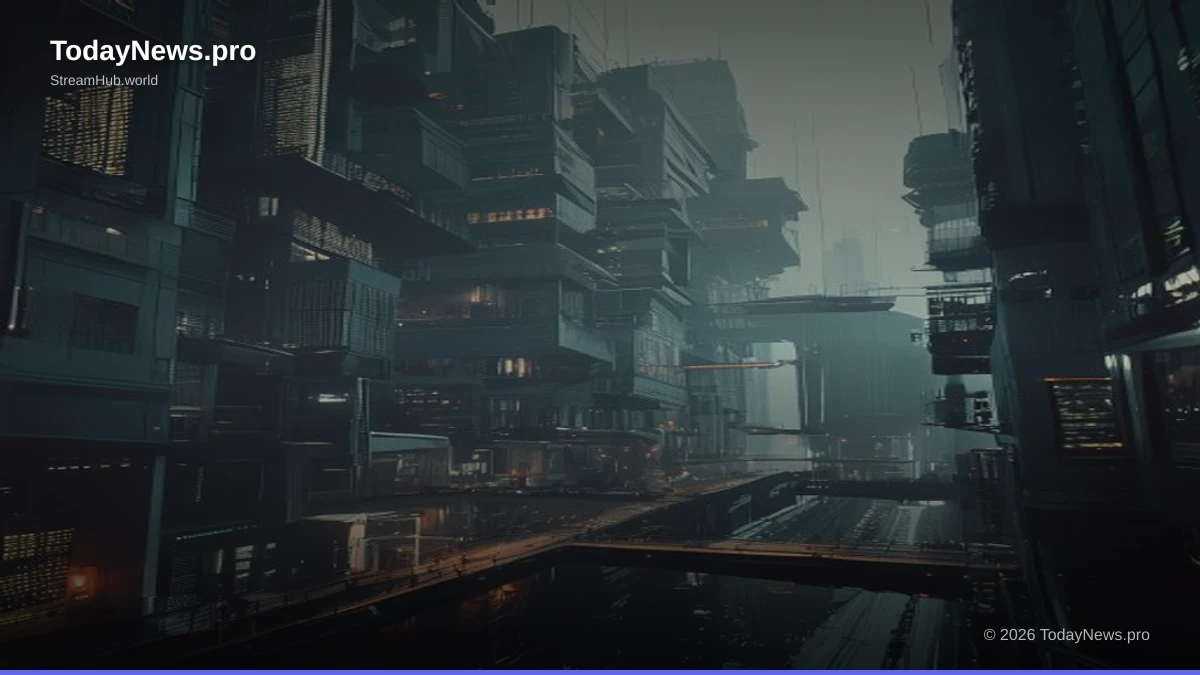
⏱ 35 min
The global metaverse market is projected to reach $1.6 trillion by 2030, signaling a seismic shift in how we interact, work, and play.
The Genesis of a Digital Frontier
The concept of the metaverse, a persistent, interconnected set of virtual spaces where users can interact with each other, digital objects, and AI avatars, has moved from science fiction to tangible development. It's not merely a video game or a social media platform; it's envisioned as a successor to the mobile internet, offering a more immersive and integrated digital experience. The origins of this idea can be traced back to Neal Stephenson's 1992 novel "Snow Crash," which described a shared virtual reality space accessed through goggles and terminals. Today, this abstract notion is being painstakingly constructed, layer by digital layer, by a global consortium of tech giants, startups, and open-source communities. The ambition is to build a parallel world, a digital dimension that complements and, in some aspects, transcends our physical reality. This endeavor requires a monumental effort in technological innovation, infrastructure development, and the cultivation of new social norms and economies.Defining the Metaverse
The metaverse is often described as a persistent, synchronous, and interconnected digital universe. Unlike current online experiences, which are largely siloed within specific applications or games, the metaverse aims for seamless transitions between different virtual environments. Users will ideally carry their digital identities, assets, and social connections with them, regardless of the platform they are using. This interoperability is a cornerstone of the metaverse vision, distinguishing it from the fragmented digital landscape we inhabit today. It's a dynamic space that evolves in real-time, influenced by the actions of its inhabitants and the underlying technological architecture.The Driving Forces Behind Its Creation
Several converging trends are fueling the metaverse's rise. Advancements in virtual reality (VR) and augmented reality (AR) hardware have made immersive experiences more accessible and affordable. The proliferation of high-speed internet and the development of edge computing are providing the necessary bandwidth and low latency. Furthermore, the burgeoning creator economy, empowered by blockchain technology and non-fungible tokens (NFTs), is laying the groundwork for digital ownership and the creation of unique virtual assets. Companies are recognizing the potential for new revenue streams, novel forms of marketing, and enhanced remote collaboration.The Foundational Pillars: Infrastructure
Building a digital world of this magnitude requires a robust and scalable infrastructure that can support a multitude of simultaneous users, complex simulations, and the constant flow of data. This is where the metaverse truly diverges from existing digital platforms. It's not just about servers and software; it's about a holistic ecosystem that connects physical and digital realms.Connectivity: The Unseen Arteries
The lifeblood of the metaverse is an unfaltering, high-speed internet connection. Technologies like 5G and, increasingly, 6G are crucial for delivering the low latency and massive bandwidth required for real-time, immersive experiences. Without these advancements, the lag and buffering that plague current online interactions would render the metaverse unplayable. Edge computing, which brings data processing closer to the user, will also play a vital role in minimizing delays, enabling instantaneous responses in virtual environments.10 Gbps
Potential 6G Speed
10 ms
Target Latency
1 Trillion
Connected Devices by 2035
100x
Bandwidth Increase with 5G
Computing Power: The Digital Brains
The metaverse will demand unprecedented levels of computing power. Rendering photorealistic environments, simulating complex physics, and processing the interactions of millions of users simultaneously will require massive distributed computing resources. Cloud computing platforms are essential for this, but so too are advancements in specialized hardware like GPUs (Graphics Processing Units) and TPUs (Tensor Processing Units) that are optimized for parallel processing and AI tasks. The energy consumption of these data centers is a significant consideration, pushing innovation in energy-efficient computing.Data Management and Storage: The Digital Archives
The sheer volume of data generated within the metaverse will be staggering. From user interactions and avatar movements to the creation and ownership of digital assets, efficient data management and storage solutions are paramount. Blockchain technology, with its decentralized and immutable ledger, is a strong contender for managing ownership and transactions of digital assets, ensuring transparency and security. However, the scalability of current blockchain solutions for high-frequency transactions remains a challenge.The Architects Blueprint: Hardware and Software
The physical devices users interact with and the underlying software that powers these virtual worlds are the tangible manifestations of the metaverse. These components are rapidly evolving, pushing the boundaries of what's possible.Immersive Hardware: The Gateway to the Virtual
Virtual Reality (VR) headsets are perhaps the most iconic hardware associated with the metaverse. Devices like the Meta Quest series and upcoming offerings from Apple and Sony are becoming more sophisticated, offering higher resolutions, wider fields of view, and more comfortable designs. Augmented Reality (AR) glasses, while still in their nascent stages, hold immense potential for overlaying digital information and experiences onto the physical world. Haptic feedback devices, such as gloves and bodysuits, are being developed to provide a sense of touch and physical interaction within virtual spaces.VR Headset Adoption Projections (Millions of Units)
Software and Platforms: The Operating System of the Metaverse
The software layer is where the metaverse truly comes to life. Game engines like Unity and Unreal Engine are being adapted to build these complex virtual worlds, providing tools for 3D rendering, physics simulation, and interactive content creation. Decentralized platforms, often built on blockchain technology, are emerging to facilitate interoperability and user-driven governance. These platforms aim to prevent a single entity from controlling the entire metaverse, fostering a more open and democratic digital future. The development of open standards for avatars, digital assets, and world-building is crucial for achieving true interoperability.Digital Avatars and Identities: The Embodiment of Self
Our digital avatars will be our representations within the metaverse. These digital selves will evolve from simple representations to sophisticated, customizable entities that reflect our personalities and aspirations. The development of realistic and expressive avatars, capable of conveying nuanced emotions, is a key area of research. Furthermore, the concept of a persistent, portable digital identity that users can carry across different metaverse platforms is a significant technological and social challenge.The Social Fabric: Communities and Economies
Beyond the technological underpinnings, the metaverse is fundamentally about people and their interactions. The social and economic structures that emerge within these virtual worlds will shape their evolution and impact.Virtual Communities and Social Interaction
The metaverse promises to revolutionize social interaction. It offers the potential for more engaging and immersive ways to connect with friends, family, and colleagues, regardless of geographical distance. Virtual events, concerts, and gatherings will become commonplace. The ability to share experiences in a visceral, embodied way can foster deeper connections than current text-based or video communication methods. The development of digital etiquette and norms within these communities will be an organic, evolving process.The Rise of the Metaverse Economy
Digital ownership, facilitated by NFTs, is paving the way for a robust metaverse economy. Users can create, buy, sell, and trade virtual goods, real estate, and services. This opens up new avenues for entrepreneurship and employment, from digital fashion designers and virtual architects to event organizers and content creators. Decentralized autonomous organizations (DAOs) are also emerging as a new model for governing these virtual economies and communities, giving users a direct say in their development.| Category | Estimated Market Size (USD Billions) | Projected Growth Rate (CAGR 2023-2030) |
|---|---|---|
| Virtual Real Estate | 15.7 | 32.4% |
| Digital Assets & NFTs | 22.5 | 28.1% |
| Virtual Events & Entertainment | 10.2 | 35.0% |
| Gaming & Play-to-Earn | 45.8 | 29.5% |
| Advertising & Marketing | 8.5 | 25.8% |
Work and Collaboration in Virtual Spaces
The metaverse offers compelling possibilities for remote work and collaboration. Virtual offices can provide a more engaging and interactive environment than traditional video conferencing. Teams can collaborate on 3D models, conduct immersive training simulations, and hold more dynamic meetings. This could lead to increased productivity and a more inclusive work environment for individuals who thrive in digital spaces.The Emerging Challenges and Ethical Labyrinths
As we build this parallel world, we must also confront the significant challenges and ethical dilemmas it presents. Ignoring these issues could lead to unintended consequences and a less equitable digital future.Privacy and Data Security: The Digital Footprint
The metaverse will generate an unprecedented amount of personal data, from biometric information captured by VR headsets to our every action within virtual spaces. Ensuring the privacy and security of this data is paramount. Robust encryption, transparent data policies, and user control over their digital footprint will be essential. The potential for surveillance and misuse of this sensitive information is a grave concern.Digital Equity and Accessibility: Bridging the Divide
The metaverse risks exacerbating existing digital divides. The high cost of immersive hardware and the requirement for high-speed internet could exclude large segments of the global population. Ensuring equitable access to the metaverse, both in terms of technology and digital literacy, is a critical challenge. Initiatives to provide affordable hardware and accessible platforms are crucial.Governance and Regulation: The Uncharted Legal Territory
The legal and regulatory frameworks governing the metaverse are largely undeveloped. Questions around digital property rights, intellectual property, online harassment, and criminal activity in virtual spaces need to be addressed. Who is responsible when something goes wrong in a decentralized virtual world? Establishing clear guidelines and enforcement mechanisms will be a complex and ongoing process.Mental Health and Digital Well-being: The Impact of Immersion
The prolonged immersion in virtual environments raises concerns about mental health. Issues such as addiction, social isolation in the physical world, and the blurring lines between reality and virtuality need careful consideration. Promoting digital well-being and encouraging healthy engagement with the metaverse will be vital."The metaverse is a mirror to our own society. If we don't address issues like inequality and misinformation in the physical world, they will inevitably be amplified in the digital realm. Proactive ethical design is not an option; it's a necessity."
— Dr. Anya Sharma, Digital Ethicist
The Future Tense: Evolution and Integration
The metaverse is not a static destination but a continuously evolving ecosystem. Its future trajectory will be shaped by technological advancements, user adoption, and the interplay of various stakeholders.Interoperability and Open Standards: The Path to a Unified Metaverse
The vision of a truly interconnected metaverse hinges on interoperability. This means users should be able to seamlessly move their digital assets, avatars, and identities between different platforms and experiences. Achieving this will require the development and widespread adoption of open standards, preventing the metaverse from becoming a collection of walled gardens controlled by a few tech giants.The Blurring Lines Between Physical and Digital
As AR technology matures, the metaverse will increasingly bleed into our physical reality. Imagine digital overlays providing real-time information about your surroundings, virtual art installations appearing in public spaces, or colleagues appearing as holograms in your physical office. This convergence will create new layers of interaction and experience, transforming how we perceive and engage with the world around us. Wikipedia's entry on Augmented Reality offers further insight into this transformative technology.The Evolving Creator Economy
The metaverse is a fertile ground for creators. As tools become more accessible and the demand for unique digital experiences grows, the creator economy will flourish. This democratization of content creation will lead to a more diverse and vibrant metaverse, driven by the imagination of its users.Navigating the Uncharted: Expert Perspectives
Industry leaders and futurists offer varied insights into the metaverse's development and impact. Understanding these perspectives is crucial for grasping the full scope of this digital transformation."We're not just building a new internet; we're building a new reality. The challenges are immense, but the potential for human connection, creativity, and economic opportunity is unparalleled. It’s a journey of innovation and adaptation."
— Johnathan Lee, Chief Metaverse Architect, NovaTech Corp
"The success of the metaverse will depend on its ability to solve real-world problems and enhance human lives, not just entertain. Accessibility, ethical considerations, and genuine utility must be at the forefront of development."
The road ahead for the metaverse is filled with both immense promise and significant hurdles. As we continue to build this parallel world, a commitment to ethical development, inclusive design, and robust infrastructure will be paramount. The decisions made today will shape the digital landscape of tomorrow. For more on the global implications, consider reports from sources like Reuters, which frequently covers technological advancements and their societal impact.
— Dr. Emily Carter, Professor of Digital Sociology, Global University
What is the difference between VR and AR?
Virtual Reality (VR) completely immerses you in a simulated digital environment, typically experienced through a VR headset. Augmented Reality (AR), on the other hand, overlays digital information and graphics onto the real world, often viewed through smartphone screens or AR glasses.
Will I own my digital assets in the metaverse?
The concept of digital ownership is central to the metaverse, often facilitated by blockchain technology and NFTs. While this allows for verifiable ownership of virtual items, the specifics of ownership and how it's protected can vary depending on the platform and its underlying technology.
Is the metaverse just for gaming?
While gaming is a significant early application of metaverse technologies, the vision extends far beyond entertainment. It encompasses social interaction, education, remote work, commerce, and much more. The metaverse aims to be a multifaceted digital environment for a wide range of human activities.
Who is building the metaverse?
The metaverse is being built by a diverse range of entities, including major technology companies (like Meta, Microsoft, Google), gaming companies, blockchain startups, and open-source communities. It's a collaborative and competitive effort with no single entity in control.