

 James Holloway
⏱ 45 min
The global metaverse market is projected to reach $2.4 trillion by 2032, a significant leap from its 2022 valuation of $120 billion, according to a report by Grand View Research, underscoring a dramatic shift towards practical, persistent virtual environments.
Metaverse 2.0: From Hype to Hardware
The initial fervor surrounding the metaverse, often characterized by fantastical virtual worlds and speculative digital assets, has begun to mature. We are now witnessing the emergence of "Metaverse 2.0," a phase defined by a grounding in tangible utility, persistent experiences, and robust technological infrastructure. This evolution is driven by advancements in hardware, software, and a clearer understanding of what users and businesses truly demand from immersive digital spaces. The days of purely escapist virtual realms are giving way to environments designed for productivity, social connection, and practical application. This shift is not merely a rebranding; it represents a fundamental reorientation of purpose and execution. Early metaverse iterations often prioritized novelty over functionality, leading to user retention challenges. Metaverse 2.0 seeks to rectify this by focusing on long-term value creation and seamless integration into existing workflows and lifestyles.The Hardware Revolution: Enabling True Immersion
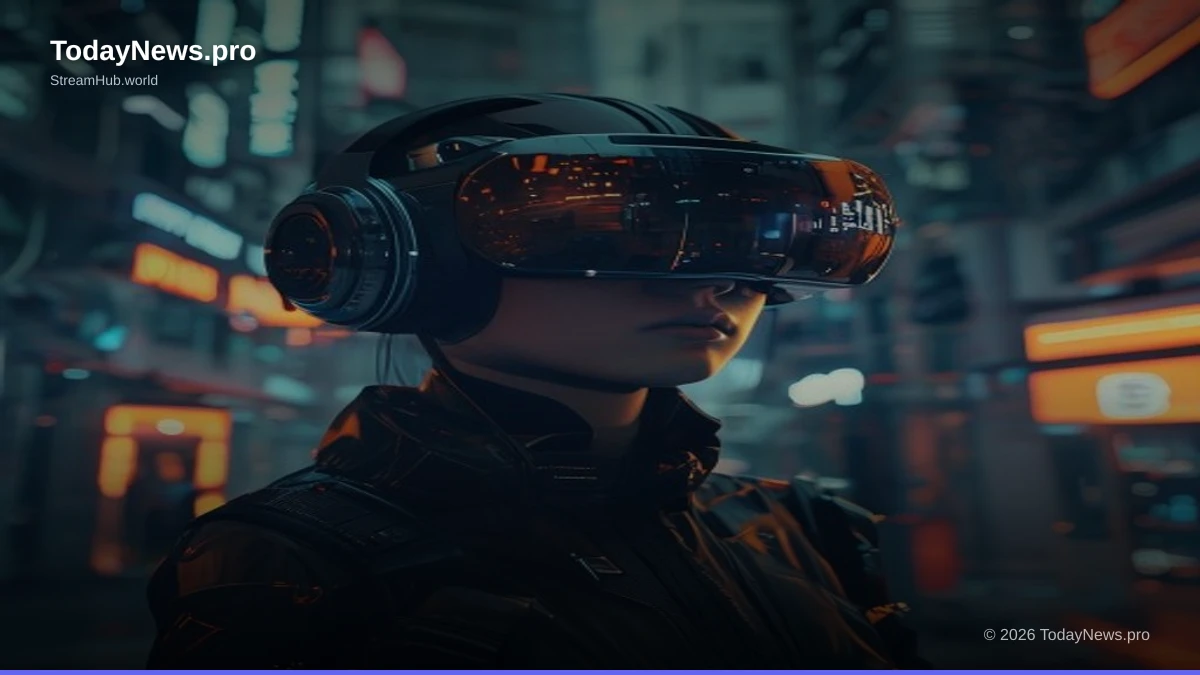
The hardware powering the metaverse is undergoing a rapid transformation. Gone are the clunky, low-resolution headsets of yesteryear. Today's virtual reality (VR) and augmented reality (AR) devices offer significantly higher fidelity, wider fields of view, and more intuitive input methods. Companies are investing heavily in reducing latency, improving comfort for extended use, and developing more sophisticated tracking systems that capture nuanced body language and gestures. The convergence of VR and AR into mixed reality (MR) devices further blurs the lines between physical and digital, promising more versatile applications.Software and Infrastructure: The Foundation of Persistence
Beyond the headset, the software and underlying infrastructure are critical. Developers are moving towards more standardized engines and platforms that facilitate the creation of persistent, dynamic worlds. Cloud computing, edge computing, and advanced networking protocols are essential for handling the massive data streams and real-time interactions required for truly immersive and responsive virtual environments. The focus is on building scalable, secure, and reliable platforms that can support millions of concurrent users.The Pillars of Persistence: Building Lasting Virtual Worlds
The concept of "persistence" is perhaps the most defining characteristic of Metaverse 2.0. Unlike ephemeral gaming sessions or temporary social rooms, these virtual worlds remember, evolve, and retain their state even when users log off. This means that changes made within the environment, from architectural modifications to resource depletion, are permanent. This persistence fosters a sense of ownership, investment, and genuine consequence, crucial for building communities and economies.Dynamic Environments and Evolving Narratives
Persistent worlds are not static. They are designed to be dynamic, with elements that change over time, influenced by user actions, simulated events, or even real-world data feeds. This could manifest as weather patterns that shift, economies that fluctuate, or narratives that unfold organically based on player interaction. Such dynamism encourages ongoing engagement and ensures that each visit to the metaverse offers new experiences.User-Generated Content and World Building
A key driver of persistence is the empowerment of users to create and contribute to the virtual world. Metaverse 2.0 platforms are increasingly offering robust tools for content creation, allowing individuals and businesses to build their own spaces, design virtual assets, and even script interactive experiences. This democratized approach to world-building ensures a richer, more diverse, and constantly expanding digital landscape.| Attribute | Metaverse 1.0 (Hype-Driven) | Metaverse 2.0 (Practical) |
|---|---|---|
| Primary Focus | Novelty, Speculation, Escapism | Utility, Productivity, Social Connection |
| Persistence | Limited, Session-based | High, Continuous |
| User Engagement | Short-term, Event-driven | Long-term, Value-driven |
| Content Creation | Developer-centric | User-generated, Community-driven |
| Hardware Requirements | Basic, often console/PC | Advanced VR/AR/MR devices, higher specs |
Bridging Realities: Interoperability and Identity
The vision of a single, unified metaverse where users can seamlessly move their avatars, assets, and identities across different platforms remains a long-term aspiration. However, Metaverse 2.0 is making significant strides towards greater interoperability. This involves establishing common standards for digital assets (like NFTs), avatar representations, and data exchange. The goal is to prevent the metaverse from becoming a series of walled gardens and instead foster an interconnected ecosystem.The Quest for Interoperable Assets
Interoperability is crucial for unlocking the full potential of digital ownership. Imagine purchasing a virtual jacket in one metaverse and being able to wear it in another. While fully realized cross-platform asset compatibility is still in its nascent stages, the adoption of blockchain technology and non-fungible tokens (NFTs) is laying the groundwork for this future. Standardization efforts are underway to ensure that digital items can be recognized and utilized across diverse virtual environments.Digital Identity: Your Avatar Across Worlds
Your digital identity, represented by your avatar, is central to your metaverse experience. Metaverse 2.0 aims to allow for a persistent and portable digital identity. This means your avatar, your reputation, and your digital history could follow you from one virtual space to another, creating a cohesive online persona. This is particularly important for professional applications, where maintaining a consistent professional presence is key.78%
Companies exploring metaverse for collaboration
65%
Businesses see metaverse as key for employee training
52%
Consumers interested in virtual shopping experiences
The Economy of the Metaverse: Beyond Digital Collectibles
While the initial wave of metaverse excitement was heavily influenced by NFTs and speculative digital art, Metaverse 2.0 is expanding the economic landscape to encompass a much broader range of activities. This includes virtual real estate, digital goods and services, virtual events, advertising, and even traditional businesses establishing virtual storefronts and operational presences.New Avenues for Commerce and Monetization
Businesses are exploring innovative ways to engage customers and generate revenue within virtual worlds. This ranges from selling virtual merchandise that mirrors physical products to offering unique digital experiences and services. The ability to create, own, and trade digital assets opens up entirely new economic models. Wikipedia on NFTs provides further context on the underlying technology.The Rise of the Virtual Workforce
The metaverse is poised to transform the nature of work. Companies are investing in virtual offices and collaborative spaces, enabling remote teams to interact and work together more effectively. This can lead to enhanced communication, improved team cohesion, and more engaging remote work experiences. The development of specialized tools for design, prototyping, and simulation within virtual environments further bolsters productivity.Data Monetization and Advertising
As users spend more time in persistent virtual worlds, the data generated becomes a valuable commodity. This presents opportunities for targeted advertising and personalized experiences. However, it also raises significant privacy concerns that need to be addressed through transparent data policies and robust user controls."Metaverse 2.0 is about building functional ecosystems, not just digital playgrounds. The real innovation lies in how these persistent worlds can enhance productivity, facilitate deeper social connections, and unlock new economic opportunities that are seamlessly integrated into our daily lives." — Dr. Anya Sharma, Lead Futurist at Global Digital Innovations
Industry Adoption: From Training to Teamwork
The practical applications of Metaverse 2.0 are rapidly expanding across a diverse range of industries. Beyond entertainment and gaming, sectors like manufacturing, healthcare, education, and retail are actively exploring and implementing virtual solutions.Industrial Training and Simulation
Manufacturing and heavy industries are leveraging VR/AR for highly realistic and safe training simulations. Employees can practice complex procedures, hazardous tasks, and equipment operation in a risk-free virtual environment, leading to reduced accidents, improved skill acquisition, and lower training costs. Think of training surgeons on a virtual operating table or engineers on complex machinery.Remote Collaboration and Design
Virtual meeting rooms and collaborative design spaces are becoming increasingly sophisticated. Teams can meet, brainstorm, and iterate on designs in a shared 3D environment, fostering a sense of presence that is often lost in traditional video conferencing. This is particularly beneficial for global teams working on complex projects requiring shared spatial understanding.Virtual Retail and E-commerce
Retailers are experimenting with virtual storefronts and immersive shopping experiences. Consumers can browse products in 3D, try on virtual clothing, and interact with products in ways that are not possible with traditional e-commerce. This can lead to increased customer engagement and reduced return rates.Challenges and the Road Ahead
Despite the promising advancements, Metaverse 2.0 still faces significant hurdles. Scalability, interoperability standards, and the sheer cost of developing and accessing advanced hardware remain considerable challenges. Furthermore, the ethical and societal implications require careful consideration.The Interoperability Puzzle
Achieving true interoperability between different metaverse platforms is a complex undertaking. It requires industry-wide collaboration on standards for data formats, asset compatibility, and identity management. Without common ground, the metaverse risks fragmenting into isolated digital silos, hindering user experience and economic potential. Reuters has reported on the formation of industry bodies aiming to address this.Hardware Accessibility and Affordability
High-end VR/AR headsets and the powerful computing hardware required to run sophisticated metaverse applications are still expensive for many consumers and small businesses. Reducing the cost and improving the accessibility of this hardware is crucial for widespread adoption. Future innovations in mobile AR and more streamlined VR devices are expected to play a key role.Regulatory and Legal Frameworks
As virtual worlds become more integrated into our lives, questions of governance, regulation, and legal frameworks arise. Issues such as digital property rights, data privacy, intellectual property within virtual spaces, and the potential for virtual crime need to be addressed through thoughtful policy development."The biggest challenge for Metaverse 2.0 isn't just technological, it's societal. We need to ensure these persistent virtual worlds are inclusive, equitable, and safe for everyone. Building robust ethical guidelines and regulatory frameworks in parallel with technological development is paramount to avoid replicating the flaws of the physical world." — Professor Jian Li, Digital Ethics and Policy Specialist
The Human Element: Social and Ethical Considerations
Beyond the technological and economic aspects, the human experience within persistent virtual worlds warrants deep consideration. The increased immersion and persistence can have profound effects on social interaction, mental well-being, and our perception of reality.Digital Well-being and Addiction
The highly engaging nature of persistent virtual worlds raises concerns about potential addiction and the impact on users' mental health. Establishing healthy usage patterns, providing tools for digital well-being, and fostering a balanced approach to virtual and physical life are critical. Developers and platform providers have a responsibility to design for well-being.Privacy and Data Security
In persistent virtual environments, vast amounts of personal data are generated, including biometric information, behavioral patterns, and social interactions. Ensuring robust privacy protections, transparent data usage policies, and strong security measures is essential to build user trust and prevent misuse of sensitive information.Inclusivity and Accessibility
For the metaverse to truly succeed, it must be accessible and inclusive to all. This means designing virtual worlds that cater to diverse needs, abilities, and backgrounds. Efforts must be made to combat digital divides, prevent harassment, and foster positive and respectful community interactions within these new digital frontiers.What is the key difference between Metaverse 1.0 and Metaverse 2.0?
Metaverse 1.0 was largely characterized by hype, speculative digital assets, and ephemeral experiences. Metaverse 2.0 focuses on practical utility, persistence, robust infrastructure, and integration into real-world activities like work and social interaction.
Will I be able to take my avatar and items from one metaverse to another?
This is a key goal of Metaverse 2.0, known as interoperability. While still in early stages, the adoption of standards and technologies like NFTs is paving the way for portable digital identities and assets across different virtual worlds.
What are the biggest industries adopting Metaverse 2.0 technologies?
Currently, gaming and entertainment are major adopters, but industries like manufacturing for training and simulation, retail for virtual commerce, education for immersive learning, and healthcare for remote procedures and training are seeing significant investment and adoption.
Are there privacy concerns with persistent virtual worlds?
Yes, significant privacy concerns exist due to the vast amount of personal and behavioral data collected in persistent virtual worlds. Robust data protection, transparent policies, and user control are critical to address these issues.