

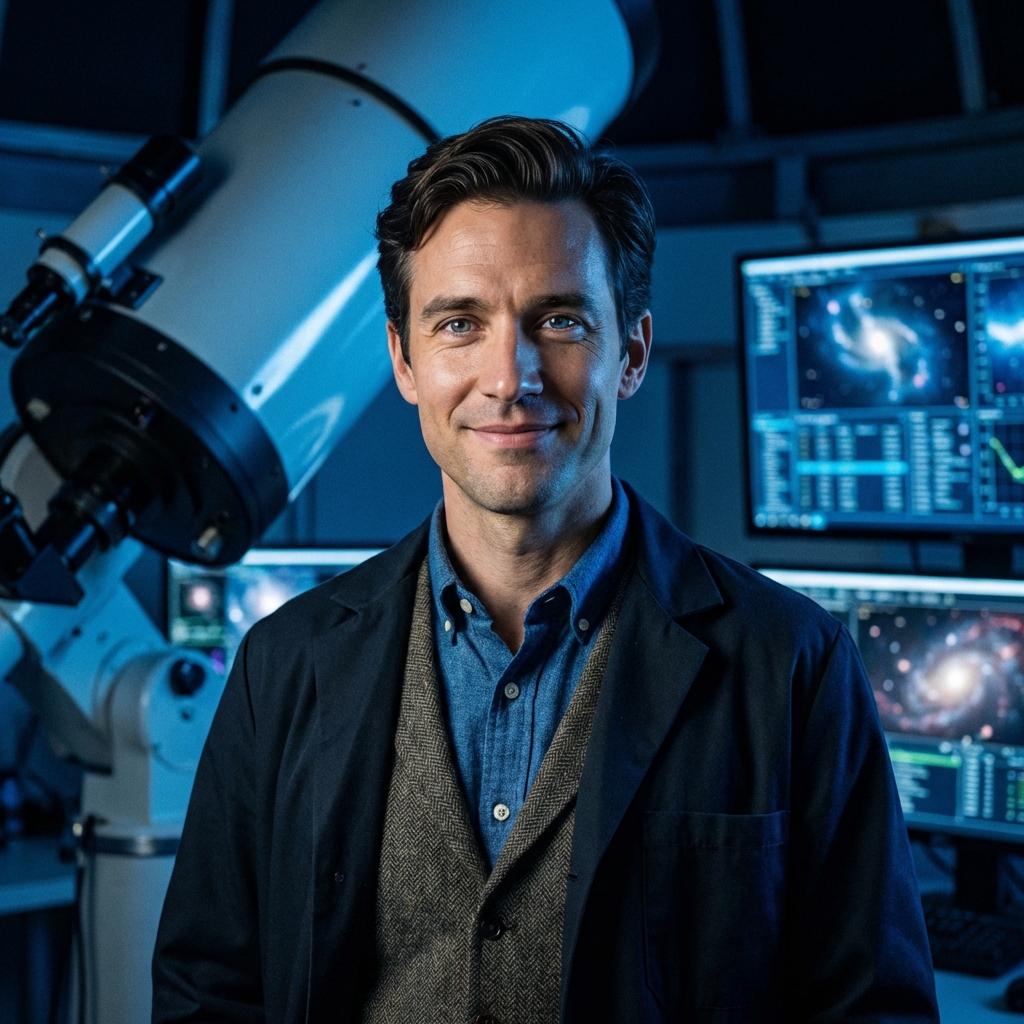
 Dr. Alan Grant

⏱ 40 min
In 1900, the average global life expectancy was just 32 years. Today, it hovers around 73 years, a testament to dramatic improvements in public health, medicine, and sanitation. Yet, the true revolution lies not just in extending years, but in extending *healthspan*—the period of life spent in good health and free from chronic disease. The Shifting Sands of Human Lifespan: From Millennia to Decades
For most of human history, life was a precarious affair. Average lifespans were brutally short, dictated by famine, disease, predation, and accident. The concept of 'old age' as we understand it today was largely theoretical for the vast majority. The advent of agriculture, followed by the Industrial Revolution, marked the first significant leaps. Sanitation, vaccinations, and antibiotics dramatically curbed infectious diseases, allowing more people to survive infancy and childhood and reach their natural biological potential. The 20th century witnessed an unprecedented acceleration. Medical breakthroughs, from the discovery of insulin to the development of cardiovascular surgery and cancer therapies, chipped away at the leading causes of death. Public health initiatives, focusing on hygiene, nutrition, and access to clean water, laid the groundwork for sustained population health improvements. This era was characterized by a reactive approach: treating illness after it occurred. However, the current wave of innovation signals a paradigm shift. The focus is rapidly moving from merely treating disease to actively preventing aging and its associated ailments. This proactive stance is fueled by a deeper understanding of the fundamental biological processes that underpin aging itself. Instead of accepting a decline in function as inevitable, scientists are now exploring ways to intervene at the molecular and cellular levels, aiming to slow, halt, or even reverse the aging process. This is the essence of the longevity revolution: a transition from simply living longer to living healthier, more vibrant lives for much extended periods.Historical Milestones in Lifespan Extension
The journey towards increased longevity is punctuated by key discoveries and societal changes. Early human lifespans, estimated to be in the low 20s, were primarily limited by infant mortality and infectious diseases. The development of agriculture allowed for larger, more settled communities, but also introduced new health challenges related to sanitation and resource scarcity. The real turning point came with the Enlightenment and the subsequent rise of scientific inquiry. The germ theory of disease, established in the late 19th century, revolutionized understanding of illness and paved the way for public health interventions. The development of vaccines and antibiotics in the 20th century provided powerful tools to combat previously deadly infections.| Era/Event | Estimated Average Life Expectancy (Years) | Key Factors |
|---|---|---|
| Pre-Agricultural Societies | 20-30 | Infectious diseases, predation, famine, high infant mortality |
| Early Agricultural Societies | 25-35 | Improved nutrition (variable), increased population density, sanitation challenges |
| 19th Century (Industrial Revolution) | 35-45 | Urbanization, improved sanitation (early stages), limited medical understanding |
| Early 20th Century (Pre-WWII) | 45-60 | Vaccinations, basic antibiotics, improved public health awareness |
| Late 20th Century (Post-WWII) | 60-75 | Advanced antibiotics, cardiovascular treatments, cancer therapies, widespread sanitation |
| Early 21st Century (Present) | 70-80+ (developed nations) | Advanced diagnostics, personalized medicine, chronic disease management, focus on healthspan |
Unlocking the Biological Secrets: The Pillars of Longevity Science
The scientific quest to understand aging has moved beyond simply observing its effects to dissecting its underlying biological mechanisms. Researchers have identified several interconnected 'hallmarks of aging' that contribute to cellular and organismal decline. Targeting these hallmarks offers promising avenues for intervention. One of the earliest and most significant discoveries was the role of genetics. Studies on model organisms, like the nematode worm *C. elegans* and the fruit fly *Drosophila melanogaster*, revealed that genetic mutations could dramatically extend lifespan. This sparked research into conserved genetic pathways involved in aging, such as those related to insulin/IGF-1 signaling and mTOR. Another crucial area is cellular senescence. As cells age, they can enter a state of senescence, where they stop dividing but remain metabolically active, releasing inflammatory signals that damage surrounding tissues. Clearing these senescent cells, a process known as senolysis, has shown remarkable results in animal studies, improving various age-related conditions. The concept of telomere shortening also plays a role. Telomeres are protective caps at the ends of chromosomes that shorten with each cell division. Once they become critically short, cells can no longer divide and may enter senescence. Research into telomerase, an enzyme that can lengthen telomeres, is ongoing, though its manipulation carries potential risks, such as promoting cancer. ### Genomic Instability and Epigenetic Alterations Two other key hallmarks are genomic instability and epigenetic alterations. Genomic instability refers to the accumulation of DNA damage over time, which can lead to mutations and cellular dysfunction. While cells have repair mechanisms, they are not perfect, and damage accrues with age. Epigenetic alterations are changes in gene expression that do not involve changes to the underlying DNA sequence. These can include DNA methylation and histone modifications, which can become dysregulated with age, leading to inappropriate gene activation or silencing. Scientists are exploring ways to 'reset' these epigenetic patterns to a more youthful state. ### Mitochondrial Dysfunction and Loss of Proteostasis Mitochondria, the powerhouses of the cell, are also central to aging. Mitochondrial dysfunction, characterized by reduced energy production and increased production of harmful reactive oxygen species (ROS), is a common feature of aging. Strategies to improve mitochondrial health and function are a significant focus. Proteostasis, the maintenance of protein homeostasis, is another critical process that declines with age. Misfolded or aggregated proteins can accumulate, disrupting cellular function and contributing to diseases like Alzheimer's and Parkinson's. Enhancing the cell's ability to clear damaged proteins is an active area of research.9
Hallmarks of Aging Identified
40+
Aging Genes Discovered in Model Organisms
100+
Active Longevity Research Institutes Globally
Cellular Rejuvenation: Rewriting the Aging Code
The most radical frontier in longevity science involves directly targeting the cellular mechanisms of aging to achieve rejuvenation. This goes beyond slowing down the damage to actively repairing and restoring cellular function. The concept of cellular reprogramming, inspired by the Nobel Prize-winning work on induced pluripotent stem cells (iPSCs), is at the forefront of this effort. ### Yamanaka Factors and Partial Reprogramming In 2006, Shinya Yamanaka discovered that introducing just four transcription factors (Oct4, Sox2, Klf4, and c-Myc, collectively known as Yamanaka factors) into adult somatic cells could reprogram them back into an embryonic-like pluripotent state. While full reprogramming can lead to teratomas (tumors), partial reprogramming, where cells are exposed to these factors for a limited time, has shown immense promise in animal models. Studies have demonstrated that transient expression of Yamanaka factors can reverse age-associated molecular markers in cells and even rejuvenate tissues in aged mice. For instance, researchers have used these factors to improve muscle regeneration, restore vision in mice with age-related macular degeneration, and extend the lifespan of genetically modified mice. The key is to induce a 'youthful' state without erasing cellular identity or causing uncontrolled proliferation. ### Senolytics: Clearing the 'Zombie' Cells Cellular senescence is a state of irreversible cell cycle arrest, often triggered by stress or DNA damage. While beneficial in preventing cancer by stopping damaged cells from dividing, senescent cells accumulate with age and secrete a cocktail of pro-inflammatory molecules, known as the Senescence-Associated Secretory Phenotype (SASP). This SASP contributes to chronic inflammation, tissue dysfunction, and the aging of neighboring cells. Senolytics are drugs designed to selectively kill senescent cells. Several classes of senolytic compounds are under investigation, including dasatinib (a cancer drug) in combination with quercetin (a natural flavonoid), and compounds targeting specific anti-apoptotic pathways upregulated in senescent cells. Clinical trials are underway to assess their safety and efficacy in humans for conditions like osteoarthritis and idiopathic pulmonary fibrosis. The hope is that clearing these 'zombie' cells can alleviate multiple age-related pathologies simultaneously. ### Stem Cell Therapies and Tissue Engineering Stem cells, with their inherent ability to differentiate into various cell types and self-renew, hold significant potential for regenerative medicine and longevity. As we age, our endogenous stem cell populations decline in number and function, impairing the body's ability to repair itself. Therapeutic approaches involve using stem cells to replace damaged tissues or boost the body's regenerative capacity. This can include autologous transplantation (using a patient's own cells, often derived from iPSCs or adult stem cells) or allogeneic transplantation (using cells from a donor). Challenges remain in ensuring cell survival, integration, and avoiding immune rejection. Tissue engineering, which combines cells, biomaterials, and growth factors to create functional tissues or organs, is another exciting avenue for replacing aged or damaged components of the body.Impact of Senolytics in Aged Mice (Representative Findings)
The Data Deluge: AI and the Predictive Power of Longevity
The sheer complexity of biological systems means that understanding aging requires processing vast amounts of data. This is where artificial intelligence (AI) and machine learning (ML) are becoming indispensable tools in the longevity revolution. From drug discovery to personalized health predictions, AI is accelerating progress at an unprecedented pace. ### AI in Drug Discovery and Development Traditional drug discovery is a notoriously slow, expensive, and high-failure process. AI can dramatically speed this up by analyzing massive datasets of chemical compounds, biological targets, and clinical trial outcomes. ML algorithms can predict which molecules are most likely to be effective against specific aging-related pathways or diseases, and identify potential side effects early on. This has led to the development of AI-driven platforms that can screen millions of compounds in silico, identify novel drug candidates, and even design entirely new molecules. For example, AI is being used to identify existing drugs that could be repurposed for aging-related conditions (drug repurposing), significantly shortening the development timeline. ### Personalized Longevity Strategies One of the most exciting applications of AI is in creating personalized longevity strategies. By analyzing an individual's genetic data, microbiome composition, lifestyle factors, and real-time physiological data from wearables, AI can provide tailored recommendations for diet, exercise, supplements, and even predict an individual's biological age and risk for specific age-related diseases. This moves away from a one-size-fits-all approach to medicine and towards a deeply personalized model. Imagine an AI assistant that continuously monitors your health metrics and advises you on the optimal time to exercise, what nutrients to consume, or when to consider a specific intervention to optimize your healthspan. ### Analyzing Complex Biological Data The hallmarks of aging involve intricate molecular interactions. AI and ML are crucial for deciphering these complex networks. Researchers use these tools to analyze genomic, proteomic, metabolomic, and transcriptomic data to identify novel biomarkers of aging, understand disease mechanisms, and discover new therapeutic targets. For instance, AI can identify subtle patterns in gene expression or protein interactions that are indicative of cellular aging, patterns that might be missed by human analysis. This data-driven approach is essential for building a truly comprehensive understanding of the aging process.100x
Faster Drug Candidate Identification (AI-assisted)
90%
Reduction in Early-Stage Drug Discovery Time (Potential)
20+
Biomarkers of Biological Age Identified by AI
"The sheer volume of biological data generated today is overwhelming. Without advanced computational tools like AI, we would be drowning in information. AI allows us to find the signal in the noise, accelerating our understanding of aging and the development of effective interventions."
### Predictive Analytics for Healthspan Beyond identifying diseases, AI can predict an individual's trajectory of health decline. By analyzing longitudinal health data, AI models can forecast when specific age-related conditions might emerge, allowing for proactive interventions. This predictive capability is transformative, shifting healthcare from a reactive to a preventative and even predictive model. For example, an AI system might flag an individual's elevated risk of developing sarcopenia (age-related muscle loss) in the next five years based on their current activity levels, nutritional intake, and genetic predisposition. This early warning allows for targeted interventions, such as personalized strength training and protein supplementation, to mitigate the risk and extend functional independence. This proactive approach is the very essence of maximizing healthspan, not just lifespan. — Dr. Anya Sharma, Lead Data Scientist, Longevity AI Labs
Ethical Frontiers and Societal Transformation
As the science of longevity advances, it inevitably raises profound ethical questions and portends significant societal transformations. The prospect of substantially extended, healthy lifespans challenges our existing social structures, economic models, and even our philosophical understanding of life and death. ### Equity and Access: The Longevity Divide A primary concern is whether the benefits of longevity interventions will be accessible to everyone, or if they will exacerbate existing inequalities, creating a 'longevity divide.' If cutting-edge treatments are prohibitively expensive, only the wealthy might be able to afford them, leading to a scenario where a privileged few live exceptionally long, healthy lives while others do not. Ensuring equitable access will require deliberate policy interventions, global cooperation, and a commitment to public health. This might involve price controls, government subsidies, and international initiatives to democratize access to these life-extending technologies. The debate over who benefits from these advancements is as critical as the scientific research itself. ### The Impact on Social Structures and Workforce Extending human lifespans dramatically will necessitate a rethinking of retirement, career progression, and intergenerational dynamics. If people remain healthy and productive for 120 or 150 years, the traditional model of working for 40 years and then retiring for 20-30 years becomes obsolete. We might see multi-stage careers, where individuals retrain and transition to new professions multiple times throughout their lives. Social security systems, pension plans, and healthcare infrastructure will need to be fundamentally redesigned to accommodate much older populations. The implications for family structures, social support networks, and the very definition of 'old age' are immense. ### Philosophical and Existential Considerations Beyond the practical, the pursuit of extreme longevity prompts deeper philosophical questions. What does it mean to live an 'unnatural' life? What is the purpose of life if death is no longer an inevitable near-term prospect? Does the fear of death, a fundamental motivator in human culture, lose its power? Societies will need to grapple with the psychological and existential implications of prolonged existence. The potential for boredom, the challenge of maintaining purpose, and the psychological toll of outliving loved ones are all considerations that require careful thought and open discussion. The very definition of human flourishing may need to be re-examined."The longevity revolution is not just a scientific endeavor; it is a societal one. We must engage in open, inclusive dialogues about the ethical and social implications now, to ensure that extended lifespans lead to a better future for all, not just a privileged few."
Addressing these ethical and societal challenges proactively is crucial to harnessing the potential of the longevity revolution for the betterment of humanity. Ignoring them risks creating new forms of societal division and existential distress. — Dr. Evelyn Reed, Bioethicist, Global Longevity Council
The Biotech Boom: Investing in Immortality?
The promise of extending healthy human life has ignited a surge of investment and innovation in the biotechnology sector. Venture capital firms, established pharmaceutical companies, and a host of ambitious startups are pouring billions into longevity research and development, fueling a veritable biotech boom. ### Key Players and Investment Trends A diverse array of companies are at the forefront, focusing on different aspects of longevity science. Some are developing senolytics, others are exploring gene therapies, metabolic interventions, and even AI-driven diagnostics for biological aging. Major players include companies like Unity Biotechnology (senolytics), Altos Labs (cellular rejuvenation), Calico Life Sciences (Google's longevity venture), and Juvenescence (a holding company for multiple longevity startups). Investment in longevity-focused biotech has skyrocketed. Venture capital funding for companies in this space has seen exponential growth over the past decade, reflecting increasing confidence in the scientific progress and market potential. This influx of capital is accelerating research, clinical trials, and the development of novel therapeutic candidates.| Year | Longevity Biotech Funding (USD Billions) | Notable Developments |
|---|---|---|
| 2018 | ~2.5 | Early-stage clinical trials for senolytics commence |
| 2019 | ~3.0 | Increased focus on AI in drug discovery for aging |
| 2020 | ~4.5 | Altos Labs founded with significant backing |
| 2021 | ~7.0 | Calico Life Sciences publishes key research on aging mechanisms |
| 2022 | ~9.0 | Growing interest in epigenetic reprogramming |
| 2023 | ~10.0+ (estimated) | Expansion of clinical trials across multiple longevity modalities |
Beyond the Individual: A Longevity-Focused Future
The impact of the longevity revolution extends far beyond individual health. It has the potential to reshape societies, economies, and our collective understanding of what it means to be human. A future where people live significantly longer, healthier lives will demand a fundamental reorientation of how we organize ourselves. ### Redefining Work and Retirement The traditional model of working until a fixed age and then entering retirement is increasingly unsustainable and potentially undesirable in a world of extended healthspans. We are likely to see a shift towards lifelong learning, multiple career transitions, and a more fluid definition of 'work.' Instead of viewing retirement as an endpoint, it might become a phase of life dedicated to new pursuits, civic engagement, or personal development. This will require new educational models, flexible work arrangements, and robust social safety nets that support individuals throughout a much longer working and non-working life. The concept of a 'second career' or even a 'third career' will become commonplace. ### Economic Implications: Productivity and Consumption A healthier, longer-living population could lead to sustained periods of high productivity and innovation. Individuals with decades more healthy life could contribute to the economy for longer, bringing their accumulated knowledge and experience to bear on complex problems. This could fuel economic growth and create new industries focused on the needs and desires of an older demographic. However, it also raises questions about resource allocation, consumption patterns, and the burden on healthcare and social support systems. Policymakers will need to carefully balance the economic benefits of extended productivity with the societal costs and ensure that resources are distributed equitably. ### The Pursuit of a 'Good Death' As we strive to extend life, the concept of a 'good death' also gains renewed importance. In a world where lifespans are extended, the quality of those final years, and the ability to die with dignity, becomes paramount. Discussions about end-of-life care, palliative medicine, and personal autonomy at the end of life will become even more critical. The longevity revolution prompts us to consider not just how long we live, but how well we live, and how we wish to conclude our lives. It's about achieving a holistic sense of well-being across the entire extended lifespan, from vibrant youth to a dignified and peaceful end. The longevity revolution is not a distant prospect; it is unfolding now. Its ultimate impact will depend on our collective ability to navigate the scientific challenges, ethical complexities, and societal transformations it entails. The horizon is indeed beyond what we have known, and the science and technology driving it promise to redefine the human experience.What is the difference between lifespan and healthspan?
Lifespan refers to the total number of years a person lives. Healthspan, on the other hand, refers to the number of years a person lives in good health, free from chronic diseases and functional limitations. The longevity revolution aims to extend both, with a particular emphasis on increasing healthspan.
Are there any proven longevity treatments available today?
Currently, there are no treatments proven to reverse or halt the aging process directly in humans. However, lifestyle interventions such as a healthy diet, regular exercise, adequate sleep, and stress management are known to promote healthy aging and extend healthspan. Several drugs and therapies are in clinical trials, showing promising results in animal models and early human studies.
What are the ethical concerns surrounding longevity research?
Key ethical concerns include equitable access to longevity treatments, potential exacerbation of social and economic inequalities, the impact on retirement and workforce structures, and profound philosophical questions about the meaning of life and death. Ensuring that advancements benefit all of humanity is a significant challenge.
How is AI contributing to longevity research?
AI is revolutionizing longevity research by accelerating drug discovery, analyzing vast biological datasets to identify aging mechanisms and biomarkers, and enabling personalized health recommendations. It helps researchers find patterns and insights that would be impossible to uncover through traditional methods alone.
What are 'senolytics' and how do they relate to aging?
Senolytics are a class of drugs designed to selectively eliminate senescent cells. Senescent cells are aged cells that stop dividing but remain metabolically active and secrete inflammatory molecules that can damage surrounding tissues and contribute to age-related diseases. Removing these 'zombie' cells is a promising strategy to improve healthspan.