

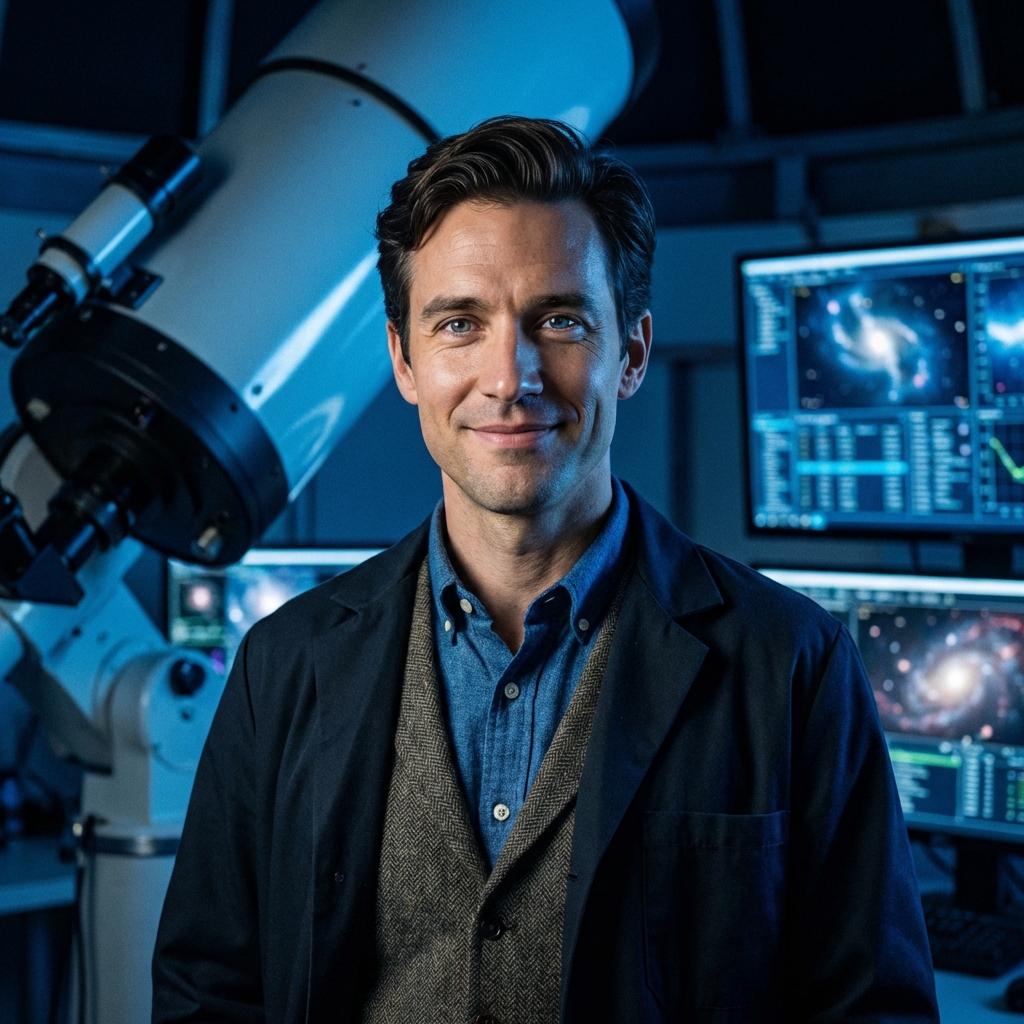
 Dr. Alan Grant

By the year 2050, the number of people aged 80 and over is projected to more than triple, reaching 426 million globally, a stark demographic shift underscoring humanity's ongoing, and increasingly successful, quest to extend lifespan.
The Unfolding Longevity Revolution: A Quest for Extended Youth and Health
Humanity has long dreamt of conquering aging, not merely as a process of accumulating years, but as a period of sustained vitality and cognitive sharpness. Once confined to the realms of science fiction and philosophical musings, the pursuit of extended youth and health is rapidly transitioning into a tangible scientific endeavor. This "longevity revolution" is driven by groundbreaking discoveries in molecular biology, genetics, and regenerative medicine, promising not just to add years to life, but life to years.
For millennia, lifespan was largely dictated by genetics, environment, and sheer chance. Major advancements in public health, sanitation, and medicine in the 20th century led to dramatic increases in average life expectancy. However, the focus is now shifting from simply living longer to living healthier for longer—a concept known as "healthspan." The ultimate goal is to delay or even reverse the cellular and molecular damage that underlies age-related diseases.
This revolution is not a single breakthrough but a confluence of numerous scientific disciplines. Researchers are dissecting the fundamental mechanisms of aging, identifying key biological pathways that can be modulated, and developing novel interventions. The sheer pace of discovery is astonishing, with breakthroughs occurring at an unprecedented rate. This article delves into the core science driving this revolution, explores the most promising emerging therapies, and examines the profound ethical and societal questions that arise from the prospect of significantly extended, healthy human lives.
Understanding the Biology of Aging: Unraveling the Cellular Clock
At its heart, the longevity revolution is about understanding why and how we age. For decades, aging was viewed as an inevitable, passive decline. However, modern science increasingly views aging as an active, programmed process, albeit one that can be influenced and potentially slowed. Researchers have identified several "hallmarks of aging," fundamental cellular and molecular mechanisms that contribute to the functional decline associated with growing old.
The Hallmarks of Aging: A Framework for Intervention
The most widely accepted framework for understanding aging was proposed by a consortium of scientists in 2013 and has since been expanded. These hallmarks represent interconnected processes that, when dysregulated, lead to the characteristic decline in physiological function and increased susceptibility to disease.
These hallmarks include:
- Genomic instability
- Telomere attrition
- Epigenetic alterations
- Loss of proteostasis
- Deregulated nutrient sensing
- Mitochondrial dysfunction
- Cellular senescence
- Stem cell exhaustion
- Altered intercellular communication
Understanding each of these hallmarks provides specific targets for therapeutic intervention. For example, if telomere attrition contributes to aging, therapies aimed at maintaining telomere length could be beneficial. Similarly, targeting cellular senescence, a state where cells stop dividing and secrete inflammatory molecules, is a major focus of current research.
Genetic Influences and Longevity Genes
While environment and lifestyle play crucial roles, genetics also significantly influences how long and how healthily we live. Studies of centenarians—individuals who live to 100 and beyond—have revealed genetic predispositions that seem to confer resistance to age-related diseases. Identifying these "longevity genes" provides clues about the biological pathways that promote healthy aging.
For instance, variations in genes related to insulin signaling, DNA repair, and antioxidant defense have been associated with exceptional longevity. Researchers are actively studying these genes to understand their mechanisms and explore whether their functions can be mimicked or enhanced through pharmacological or other interventions. The field of genomics is rapidly advancing, enabling more sophisticated analyses of genetic contributions to lifespan and healthspan.
Furthermore, research into model organisms, such as yeast, worms, flies, and mice, has been instrumental. These organisms have shorter lifespans and are genetically simpler, making them ideal for studying aging processes. Many fundamental aging pathways are conserved across species, meaning that discoveries in these model organisms often have direct relevance to human aging. For example, the discovery of the role of the insulin/IGF-1 signaling pathway in lifespan extension in worms and flies has paved the way for research into similar pathways in humans.
Key Pillars of Longevity Research: Targeting Hallmarks of Aging
The scientific community is not merely observing aging; it is actively seeking ways to intervene. The hallmarks of aging provide a roadmap for developing therapies that aim to slow, halt, or even reverse aspects of the aging process. Different research areas focus on specific hallmarks, with many interventions targeting multiple hallmarks simultaneously due to their interconnectedness.
Cellular Senescence: The Zombie Cells
One of the most intensely studied hallmarks is cellular senescence. Senescent cells are cells that have stopped dividing due to damage or stress. While this is a natural process that prevents uncontrolled cell proliferation (like cancer), senescent cells accumulate with age and secrete a cocktail of pro-inflammatory molecules, growth factors, and proteases, collectively known as the Senescence-Associated Secretory Phenotype (SASP). This SASP can damage surrounding tissues, promote inflammation, and contribute to various age-related diseases, including arthritis, cardiovascular disease, and neurodegeneration.
The development of "senolytics"—drugs that selectively clear senescent cells—represents a major breakthrough. Early studies in mice have shown that clearing senescent cells can alleviate multiple age-related conditions and extend healthy lifespan. Human trials are now underway for various senolytic compounds. The challenge lies in developing senolytics that are highly specific and safe, ensuring they eliminate harmful senescent cells without damaging healthy ones.
Epigenetic Reprogramming: Reversing the Aging Clock
Epigenetic alterations—changes in gene expression that do not involve alterations in the DNA sequence itself—are another key hallmark. As we age, our epigenome becomes disorganized, leading to aberrant gene activity. The groundbreaking work of Dr. Shinya Yamanaka, who identified "Yamanaka factors" that can reprogram adult cells into pluripotent stem cells, has opened up the possibility of reversing epigenetic aging. Researchers are exploring ways to safely and precisely use these factors, or variations thereof, to rejuvenate cells and tissues without inducing uncontrolled growth.
This field, often referred to as "epigenetic reprogramming," aims to reset the cellular "aging clock" by restoring youthful epigenetic patterns. While still in its early stages, preclinical studies have shown promising results in restoring youthful characteristics to aged cells and even improving the health of aged animals. The major hurdle is controlling the process to avoid unintended consequences, such as tumor formation.
Mitochondrial Health: The Powerhouses of the Cell
Mitochondria, the powerhouses of our cells, are crucial for energy production. With age, mitochondria accumulate damage, leading to reduced energy output and increased production of harmful reactive oxygen species (ROS). Mitochondrial dysfunction is implicated in a wide range of age-related diseases. Therapies focusing on improving mitochondrial function, such as enhancing mitochondrial biogenesis or clearing damaged mitochondria through mitophagy (a process of cellular self-cleaning), are under investigation.
Supplements like NAD+ precursors (e.g., NMN, NR) are also being explored for their potential to boost mitochondrial function and cellular energy levels, reflecting the growing interest in metabolic interventions for longevity. The scientific consensus on the efficacy of many such supplements in humans for significant lifespan extension is still developing, but they represent a tangible area of personal exploration for many.
Emerging Therapies: From Gene Editing to Senolytics
The translation of fundamental aging research into tangible therapies is accelerating. A diverse array of innovative approaches is being developed, each targeting different aspects of the aging process. These therapies range from highly complex genetic interventions to more accessible pharmacological agents and lifestyle modifications.
Senolytics and Senomorphics
As mentioned, senolytics are drugs designed to eliminate senescent cells. Examples include Dasatinib (a cancer drug) and Quercetin (a natural flavonoid), and Fisetin. The first human clinical trials for senolytics are evaluating their safety and efficacy in treating specific age-related conditions like osteoarthritis and idiopathic pulmonary fibrosis. Beyond eliminating senescent cells, "senomorphics" aim to modulate the SASP, reducing the harmful inflammatory signals without necessarily killing the cells.
This dual approach offers a nuanced strategy to combat the detrimental effects of senescence. The ongoing clinical trials are critical for validating these approaches and determining their potential for widespread use in promoting healthy aging.
Gene Therapy and Gene Editing
The advent of precise gene-editing tools like CRISPR-Cas9 has revolutionized the potential for treating genetic diseases and, perhaps, even aging itself. Gene therapy could be used to deliver genes that promote cellular repair, enhance metabolic function, or counteract age-related genetic damage. For example, researchers are exploring the possibility of using gene therapy to restore telomere length or improve DNA repair mechanisms.
While gene therapy for aging is still largely experimental, it holds immense promise. Ethical considerations and the potential for off-target effects are significant challenges that must be addressed before widespread clinical application. The long-term safety and efficacy of such interventions remain subjects of intense study.
Metformin and Rapamycin: Repurposed Drugs for Longevity?
Some existing drugs, originally developed for other conditions, are showing potential as longevity interventions. Metformin, a common drug for type 2 diabetes, has been linked to a reduced risk of certain age-related diseases in observational studies. Its proposed mechanisms include modulating nutrient sensing pathways and reducing inflammation.
Rapamycin, an immunosuppressant, also targets nutrient sensing pathways (specifically mTOR) and has shown significant lifespan extension in various animal models. However, rapamycin has notable side effects, and its use for longevity in humans is still a subject of debate and research, often explored in a controlled, cyclical manner to mitigate risks. The TAME (Targeting Aging with Metformin) trial is a significant initiative investigating Metformin's potential to delay the onset of age-related diseases.
A report from Nature highlights the ongoing debate and research surrounding these repurposed drugs. The hope is that repurposing existing, well-understood drugs could offer a faster path to longevity interventions compared to developing entirely new compounds.
Stem Cell Therapies and Regenerative Medicine
As we age, our regenerative capacity declines, partly due to stem cell exhaustion. Stem cell therapies aim to replenish or rejuvenate these vital cell populations, thereby enhancing the body's ability to repair damaged tissues. Research is exploring the use of various types of stem cells, including mesenchymal stem cells and induced pluripotent stem cells (iPSCs), for treating conditions ranging from heart disease and neurodegenerative disorders to age-related tissue degeneration.
The field of regenerative medicine is rapidly evolving, with significant investment and ongoing clinical trials. The challenge lies in ensuring the safe and effective delivery of stem cells and their ability to integrate and function properly within the host tissue. The potential to rebuild and repair aging tissues offers a powerful avenue for extending healthspan.
The Ethical and Societal Implications of an Extended Lifespan
The prospect of significantly extending human lifespan is not solely a scientific challenge; it raises profound ethical, social, economic, and philosophical questions that humanity must grapple with. As we move closer to realizing the "longevity revolution," these implications become increasingly urgent.
Economic Strain and Resource Allocation
If a significant portion of the population lives for 120, 150, or even more years in good health, the economic landscape would undergo a radical transformation. Pension systems, healthcare infrastructure, and social security programs would need to be completely rethought. The cost of supporting a much larger elderly population, even one that is healthy and productive, could be immense. Questions of intergenerational equity would become paramount: how would resources be shared between younger and older generations?
Furthermore, the nature of work and careers would likely change. Would people need to work for 80 or 100 years? Would new forms of employment and economic participation emerge for individuals in their later decades of life? The current economic models are largely built around a lifespan that is significantly shorter than what longevity science may soon make possible.
Social Structures and Intergenerational Dynamics
Societal structures, family dynamics, and our understanding of life stages could be fundamentally altered. If people live for centuries, how would relationships evolve? Would marriage and partnership models adapt? The concept of retirement, for instance, might become obsolete. The experience of multiple generations coexisting for extended periods could lead to both immense wisdom transfer and potential social friction.
The psychological impact of extreme longevity is also a significant consideration. Would the human psyche be equipped to handle centuries of existence? The potential for boredom, existential ennui, or a diminished sense of urgency are all possibilities that require contemplation. Conversely, an extended life could offer unprecedented opportunities for learning, personal growth, and contributing to society.
Equity and Access to Longevity Therapies
A critical ethical concern is ensuring equitable access to longevity interventions. If these advanced therapies are expensive and only available to the wealthy, they could exacerbate existing social inequalities, creating a stark divide between the "long-lived" elite and the rest of the population. This could lead to a "longevity gap" with profound societal repercussions.
Philosophers and ethicists are actively debating how to ensure that the benefits of longevity science are distributed fairly. The goal must be to extend healthspan for all, not just to prolong life for a select few. International cooperation and thoughtful policy-making will be essential to navigating these complex issues. The Stanford Encyclopedia of Philosophy offers a comprehensive overview of the philosophical considerations surrounding longevity.
Navigating the Future: Personalizing Longevity Strategies
While groundbreaking therapies are on the horizon, individuals can already adopt strategies to promote healthy aging and potentially influence their longevity. The future of longevity is likely to involve personalized approaches, combining scientific interventions with tailored lifestyle choices based on an individual's unique biology and circumstances.
The Role of Lifestyle: Diet, Exercise, and Sleep
Even without advanced therapies, lifestyle remains a cornerstone of healthy aging. Evidence consistently shows that a balanced diet, regular physical activity, and adequate sleep are crucial for maintaining physiological function and preventing age-related diseases. Research into specific dietary patterns, such as intermittent fasting or caloric restriction mimetics, continues to explore their impact on longevity pathways.
Exercise not only improves cardiovascular health and muscle mass but also has profound effects on cellular health, reducing inflammation and improving mitochondrial function. Similarly, quality sleep is essential for cellular repair and cognitive function. These foundational habits are not just "nice to have"; they are critical for optimizing healthspan.
Biomarkers and Personalized Medicine
The future of longevity will heavily rely on personalized medicine, which uses an individual's genetic makeup, lifestyle, and biomarker data to tailor interventions. Researchers are developing and refining biomarkers of aging—measurable indicators of biological age that can track the effectiveness of longevity interventions and identify individuals at higher risk for age-related diseases.
These biomarkers can range from epigenetic clocks (which measure DNA methylation patterns associated with aging) to proteomic and metabolomic profiles. By understanding an individual's specific aging trajectory, clinicians and researchers can develop highly personalized strategies, whether they involve specific dietary recommendations, exercise regimens, or future pharmacological or genetic interventions.
The Rise of Longevity Clinics and Biohacking
A burgeoning industry of "longevity clinics" is emerging, offering a range of services from advanced diagnostics and biomarker testing to personalized supplement regimens and lifestyle coaching. While some of these clinics operate at the cutting edge of scientific understanding, it's important for consumers to approach them with a critical eye, distinguishing evidence-based practices from speculative or unproven treatments.
The "biohacking" movement, characterized by individuals actively experimenting with various tools and techniques to optimize their health and performance, also plays a role. This can include wearable technology for tracking health metrics, nootropics for cognitive enhancement, and various dietary and exercise protocols. While some biohacking practices are rooted in scientific principles, others remain experimental and carry potential risks.
The Reuters news agency has reported extensively on the growing investment and innovation within the longevity sector, highlighting the commercial interest and rapid development in this field.
Beyond Quantity: The Pursuit of Healthspan
The ultimate goal of the longevity revolution is not merely to extend the number of years a person lives, but to ensure those added years are filled with health, vitality, and cognitive function. This concept, known as "healthspan," is becoming the primary focus for researchers and individuals alike. Living to 100 is less appealing if those extra decades are spent in chronic illness and decline.
The scientific efforts detailed throughout this article—from targeting cellular senescence to epigenetic reprogramming and improving mitochondrial health—are all fundamentally aimed at increasing healthspan. By addressing the root causes of aging, the hope is to prevent or delay the onset of debilitating age-related diseases such as Alzheimer's, Parkinson's, heart disease, cancer, and osteoporosis.
This shift in focus from lifespan to healthspan has profound implications. It means that the success of longevity interventions will be measured not just by how long people live, but by how many of those years are lived free from chronic disease and disability. This pursuit represents one of the most exciting and potentially transformative frontiers in human health, promising a future where aging is no longer synonymous with decline, but with sustained well-being and the opportunity for continued contribution and fulfillment throughout an extended life.