

 Amanda Pope
⏱ 40 min
The global market for interactive entertainment, encompassing video games and emergent forms of digital storytelling, is projected to reach over $370 billion by 2027, signaling a profound shift in how audiences engage with narratives.
The Dawn of Dynamic Narratives
For decades, stories have been largely a one-way street. We consume movies, read books, and play games where the narrative path is predetermined by the creator. While video games have offered interactivity, the core story often remains static, with player choices leading to branching paths rather than a fundamentally evolving narrative. However, we are on the cusp of a revolution, driven by the potent combination of artificial intelligence (AI) and immersive technologies like virtual reality (VR) and augmented reality (AR). These forces are not merely enhancing existing storytelling formats; they are fundamentally reshaping them, ushering in an era of dynamic, personalized, and deeply engaging narrative experiences. Interactive storytelling, in its nascent AI-powered and immersive forms, promises a future where the audience is no longer a passive spectator but an active co-creator, influencing the plot, characters, and even the very fabric of the story world in real-time. This paradigm shift is poised to blur the lines between observer and participant, offering unprecedented levels of immersion and personal connection to fictional universes. The traditional passive consumption of media is giving way to active participation, where every choice, every glance, and every uttered word can have tangible consequences within the unfolding narrative.The Evolution of Interactivity
From early text-based adventures like "Colossal Cave Adventure" to modern branching narrative games, interactivity in storytelling has always been about player agency. However, the scope of this agency was limited by pre-defined scripts and decision trees. Think of the classic choose-your-own-adventure books; while offering multiple endings, the core narrative structure remained fixed. Similarly, video games, while providing freedom of movement and action, often channel players through a relatively linear plot. The true potential of interactive storytelling lies in moving beyond these limitations, creating narratives that can adapt and evolve organically based on a multitude of player inputs.The Promise of Personalization
The advent of sophisticated AI algorithms is a game-changer for personalization. Instead of a story designed for a mass audience, AI can tailor narratives to individual preferences, emotional states, and even learned behaviors. Imagine a horror game where the AI detects your fear response and adjusts the scares accordingly, or a drama where characters react to your dialogue in ways that feel genuinely personal. This level of bespoke storytelling was once the stuff of science fiction, but it is rapidly becoming a reality. The ability to dynamically generate dialogue, plot points, and character motivations based on user interaction opens up a universe of possibilities for unique and unforgettable narrative journeys.AI: The Scriptwriter, Director, and Actor of Tomorrow
Artificial intelligence is emerging as a transformative force in media creation and consumption. Its ability to process vast amounts of data, learn patterns, and generate novel content is revolutionizing how stories are conceived, produced, and experienced. In the realm of interactive storytelling, AI is stepping into multiple roles, acting as a sophisticated co-creator, a dynamic director, and even a responsive actor within the narrative.Generative AI for Content Creation
Large Language Models (LLMs) like GPT-4 are already demonstrating remarkable capabilities in generating coherent and creative text. This extends to scriptwriting, where AI can assist human writers by suggesting plot twists, developing character backstories, or even generating entire scenes. Beyond text, AI is being used to generate concept art, compose soundtracks, and even create realistic character models. This acceleration in content generation can significantly reduce production times and costs, democratizing the creation of complex interactive narratives.AI-Driven Narrative Engines
The true innovation lies in AI-powered narrative engines. These systems go beyond pre-written scripts, enabling stories to unfold dynamically. AI can analyze player choices, in-game behavior, and even external data inputs to generate new story elements on the fly. This means that no two playthroughs of an AI-driven interactive story will ever be the same. The narrative can adapt to a player's playstyle, moral compass, and even their emotional responses, creating a truly unique and deeply personal experience. This goes beyond simple branching paths; it’s about a narrative that breathes and evolves with the player.Character AI: Bringing Digital Beings to Life
A significant challenge in interactive storytelling has been creating characters that feel genuinely alive and responsive. AI is bridging this gap. Advanced AI can imbue non-player characters (NPCs) with complex personalities, dynamic emotional states, and the ability to learn from interactions. They can engage in natural language conversations, remember past encounters, and react to the player's actions in nuanced ways. This leads to more believable and compelling characters, deepening the player's immersion and emotional investment in the story. Imagine an NPC that remembers a promise you made months ago and reacts accordingly, or a character that develops genuine affection or resentment based on your treatment.Immersive Technologies: Stepping Inside the Story
Virtual Reality (VR) and Augmented Reality (AR) are not just new platforms for existing content; they are fundamentally altering the nature of immersion and presence in storytelling. These technologies allow audiences to move beyond the screen and step directly into the narrative world, experiencing stories from a first-person perspective.Virtual Reality: Total Immersion
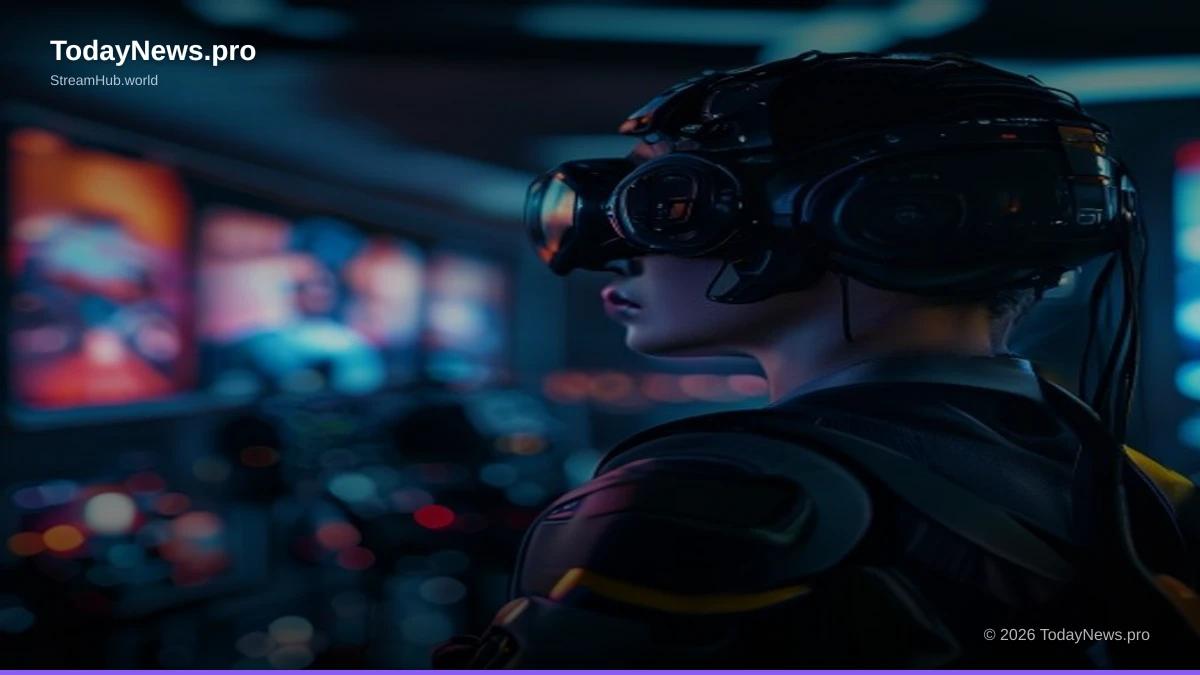
VR headsets offer a complete escape from the physical world, transporting users to entirely new environments. In VR storytelling, this means inhabiting the role of a character, exploring richly detailed worlds, and interacting with the narrative in a physically intuitive way. Users can look around, move through spaces, and manipulate objects, making them active participants rather than passive observers. This level of immersion fosters a deep emotional connection to the story and its characters, blurring the lines between fiction and reality. The feeling of "being there" is unparalleled.Augmented Reality: Blending Worlds
AR, on the other hand, overlays digital information and interactive elements onto the real world. This allows for stories that are interwoven with our everyday surroundings. Imagine a historical narrative that projects holographic figures into a city street, or a puzzle game where clues appear on your own furniture. AR storytelling creates a unique hybrid experience, where the physical and digital worlds merge, making the narrative feel more immediate and relevant. It transforms the mundane into the magical, offering novel ways to engage with information and entertainment.The Haptic Feedback Revolution
Beyond visual and auditory immersion, haptic feedback technology is adding another layer of realism. Haptic suits, gloves, and controllers can simulate touch, pressure, and even temperature, allowing users to "feel" the virtual world. Imagine feeling the impact of a virtual object, the texture of a character's clothing, or the warmth of a digital sun. This sensory feedback enhances the sense of presence and realism, making interactive narratives even more visceral and captivating.| Technology | Primary Use in Interactive Storytelling | Key Benefit |
|---|---|---|
| Virtual Reality (VR) | Full environmental immersion, first-person perspective | Unparalleled sense of presence and escapism |
| Augmented Reality (AR) | Overlaying digital narrative elements onto the real world | Seamless integration with daily life, contextual storytelling |
| Haptic Feedback | Simulating touch and physical sensations | Enhanced realism, deeper sensory engagement |
| AI-Powered NPCs | Creating responsive, dynamic characters | Believable interactions, emergent narrative |
The Convergence: Where AI Meets XR
The true magic happens when AI and immersive technologies (XR – encompassing VR and AR) are combined. This synergy unlocks entirely new forms of interactive storytelling that were previously unimaginable. AI provides the intelligence and adaptability, while XR delivers the unparalleled immersion.AI-Directed Narrative in VR
Imagine a VR experience where an AI director constantly monitors your actions, emotional state, and gaze. Based on this data, the AI dynamically adjusts the narrative, introduces new characters, alters the environment, or even changes the musical score to heighten the emotional impact. This creates a truly bespoke and reactive cinematic experience. The AI becomes a master storyteller, orchestrating a unique symphony of events for each individual user.Augmented Reality Games with Sentient NPCs
In AR, AI can power characters that interact with both the user and their real-world environment. An AR game might feature a digital character that needs to hide from real-world obstacles, or a detective narrative where AI-powered suspects react to the player's physical presence and dialogue in their actual living room. This blurs the lines between the game world and reality, making the narrative feel incredibly immediate and personal.Personalized Worlds Generated by AI
AI can also be used to procedurally generate vast and detailed interactive worlds within VR or AR experiences. These worlds can adapt and evolve based on player interaction, ensuring endless replayability and a sense of discovery. The AI acts as a cosmic architect, constantly building and refining the narrative landscape around the player.Projected Growth of Interactive Narrative Technologies (Global Market)
2030
Estimated year for mainstream AI-driven interactive narratives
70%
Increase in user engagement reported in XR narrative studies
50+
New AI narrative tools released annually
Industry Shifts and Creator Opportunities
This technological evolution is not just impacting how stories are consumed but also how they are created. The barrier to entry for creating sophisticated interactive experiences is lowering, opening up new avenues for creators.Democratization of Creation
AI tools are empowering solo developers and small teams to create content that was once only possible for large studios. Generative AI can handle tasks like asset creation, dialogue writing, and even basic animation, allowing creators to focus on the core narrative and gameplay mechanics. This democratization of tools means a wider diversity of voices and stories can emerge.New Roles for Storytellers
The role of the storyteller is evolving. Instead of solely being a scriptwriter, creators are becoming "narrative architects" or "AI whisperers," designing the systems and rules that AI uses to generate stories. This requires a blend of creative writing skills, technical understanding, and an ability to guide AI towards desired narrative outcomes. The focus shifts from writing every word to crafting the environment and logic for dynamic narrative generation.The Rise of the Experience Designer
Beyond traditional game designers, we are seeing the emergence of "experience designers" who focus on crafting holistic, multi-sensory interactive journeys. This role integrates elements of game design, film direction, and even therapeutic design, aiming to evoke specific emotional responses and provide profound personal experiences. The goal is to create impactful moments that resonate long after the interaction ends."We are moving from a world where creators tell stories *to* audiences, to a world where creators craft worlds *for* audiences to inhabit and shape. AI and XR are the tools that enable this profound shift."
— Dr. Anya Sharma, Lead XR Researcher, FuturePlay Labs
New Business Models
The nature of interactive storytelling also necessitates new business models. Subscription services for AI-generated episodic content, pay-per-experience models for highly personalized narratives, and in-experience purchases of unique story branches or character customizations are all likely to become more prevalent. The monetization strategies will need to adapt to the fluid and dynamic nature of these new forms of entertainment.Ethical Considerations and Future Frontiers
As AI and immersive technologies become more sophisticated, it's crucial to address the ethical implications and explore the future possibilities. The power to shape narratives and create highly personalized experiences comes with significant responsibilities.Bias in AI and Narrative Integrity
AI models are trained on existing data, which can contain societal biases. This can lead to AI-generated stories that perpetuate harmful stereotypes or present a skewed view of reality. Ensuring fairness, diversity, and accuracy in AI-generated narratives is paramount. Developers must actively work to mitigate bias in training data and implement safeguards against discriminatory content.The Blurring Lines of Reality and Fiction
With hyper-realistic VR and AI-powered characters that mimic human behavior, the lines between fiction and reality can become increasingly blurred. This raises questions about potential psychological impacts, the nature of truth, and the responsibility of creators to clearly delineate between the real world and narrative experiences. Establishing clear boundaries and promoting media literacy are vital.Data Privacy and User Control
Personalized interactive narratives often rely on collecting and analyzing user data, including behavioral patterns and emotional responses. Robust data privacy measures and transparent user control over their data are essential to maintain trust. Users should have the autonomy to decide what data is collected and how it is used."The ethical framework for AI-driven storytelling is still being written. We must proactively address issues of bias, manipulation, and the impact on our perception of reality to ensure these powerful technologies benefit humanity."
— Professor Kenji Tanaka, Digital Ethics Specialist, Kyoto University
The Future: Sentient Storytelling?
Looking further ahead, the convergence of AI and immersive tech could lead to truly "sentient" storytelling systems – narratives that not only react but anticipate, learn, and evolve in ways that feel almost alive. This could unlock unprecedented levels of creative expression and personal connection, but it also necessitates deep philosophical and ethical consideration. The potential for AI to not just tell stories but to *live* them with us is a frontier that promises both wonder and caution. The evolution of interactive storytelling is an ongoing journey. As AI and immersive technologies continue to advance, the ways we tell, experience, and connect with stories will be irrevocably transformed, offering a glimpse into a future where every narrative is a unique, personal, and unforgettable adventure.Further Reading
* [The History of Video Games](https://en.wikipedia.org/wiki/History_of_video_games) - Wikipedia * [The Impact of AI on Creative Industries](https://www.reuters.com/technology/artificial-intelligence-creative-industries-2023-10-26/) - Reuters * [What is Extended Reality (XR)?](https://www.techtarget.com/definition/XR-extended-reality) - TechTargetWhat is interactive storytelling?
Interactive storytelling is a form of narrative where the audience actively participates in shaping the story's progression, characters, or outcomes. Unlike traditional media, the consumer's choices, actions, or inputs directly influence how the narrative unfolds.
How does AI enhance interactive storytelling?
AI enhances interactive storytelling by enabling dynamic content generation (scripts, dialogue, environments), creating more responsive and believable characters (NPCs), personalizing narratives based on user behavior, and orchestrating complex narrative arcs that adapt in real-time.
What are immersive technologies in storytelling?
Immersive technologies, such as Virtual Reality (VR) and Augmented Reality (AR), are technologies that create a sense of presence and engagement within a narrative. VR fully immerses users in a digital environment, while AR overlays digital elements onto the real world, blending the two.
Will AI replace human writers in interactive storytelling?
It's unlikely that AI will entirely replace human writers. Instead, AI is emerging as a powerful tool for collaboration. Human creators will likely guide AI, using it to accelerate content creation, explore narrative possibilities, and manage complex systems, while still providing the overarching vision, creativity, and emotional depth that define compelling stories.
What are the ethical concerns with AI-driven interactive narratives?
Ethical concerns include potential biases in AI-generated content, the blurring of lines between reality and fiction, data privacy issues stemming from user data collection, and the potential for manipulation. Ensuring transparency, user control, and rigorous ethical oversight are crucial.