

 Kenji Sato
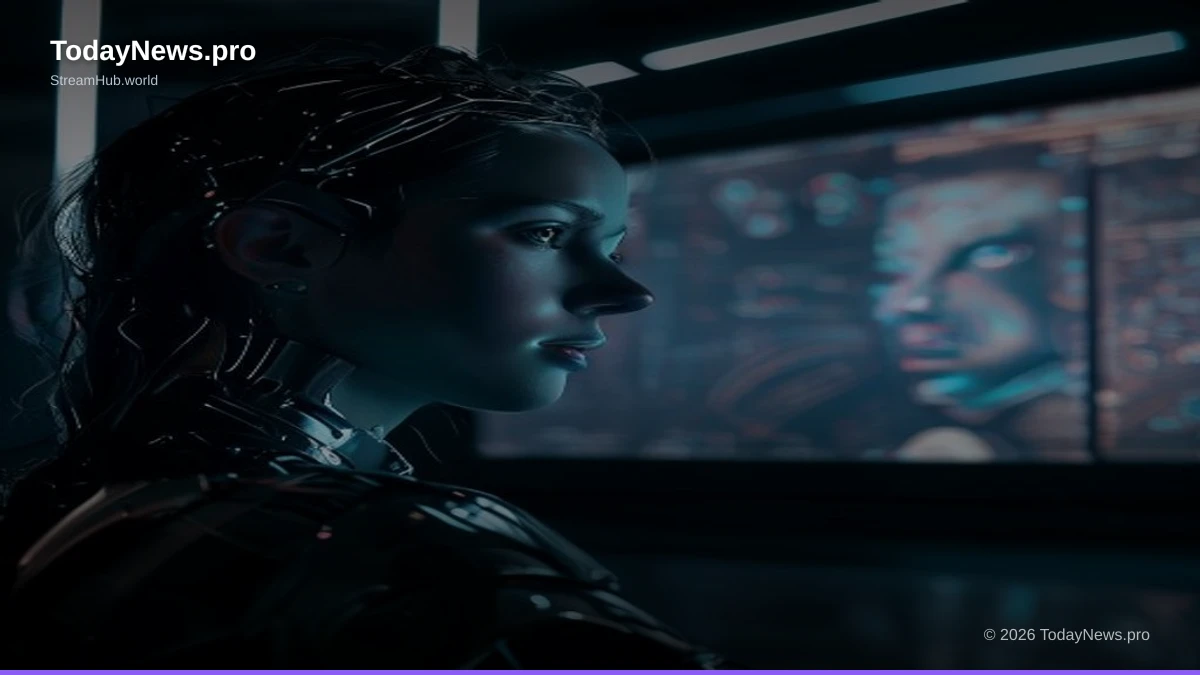
The global box office grossed over $40.6 billion in 2023, a significant rebound, yet the very definition of "cinema" is undergoing a seismic shift, driven by the confluence of artificial intelligence and immersive technologies, promising experiences that were once confined to science fiction.
The Dawn of the AI-Infused Cinema
For over a century, cinema has been a passive medium, a window through which audiences observe curated narratives. This paradigm is rapidly dissolving. Artificial intelligence (AI) and cutting-edge immersive technologies like virtual reality (VR) and augmented reality (AR) are not merely enhancing the cinematic experience; they are fundamentally re-imagining its core components, from creation to consumption.
The traditional film production pipeline, from scriptwriting and pre-visualization to visual effects and post-production, is being augmented and, in some cases, transformed by AI. Simultaneously, the way audiences engage with stories is expanding beyond the flat screen, venturing into interactive and spatially aware environments.
This revolution is not a distant future possibility; it is happening now. Studios are experimenting with AI-powered tools, VR narratives are gaining traction, and the very notion of what constitutes a "film" is expanding to include entirely new forms of storytelling.
Beyond the Pixel: Generative AI in Filmmaking
Generative AI models, capable of creating novel content from text prompts, are emerging as powerful tools for filmmakers. These systems can generate storyboards, concept art, character designs, and even draft screenplay segments. While not yet replacing human creativity entirely, they offer unprecedented speed and flexibility in the early stages of production.
For instance, AI can rapidly iterate on visual styles, allowing directors to explore a multitude of aesthetic possibilities before committing to a specific direction. This accelerates the ideation process and can lead to more innovative visual outcomes. The potential for AI to assist in creating complex visual effects, generating realistic textures, or even animating characters with greater efficiency is immense.
AI in Post-Production: Refining the Art
The post-production phase, often a bottleneck in film development, is also ripe for AI intervention. AI algorithms are being developed to automate tasks such as color grading, sound mixing, and even rotoscoping – a laborious process of isolating elements in footage frame by frame. AI can analyze vast datasets of existing films to suggest optimal color palettes or soundscapes, ensuring consistency and enhancing emotional impact.
Furthermore, AI-powered deepfake technology, while controversial, holds potential for de-aging actors, creating digital doubles for dangerous stunts, or even resurrecting deceased performers for specific roles. The ethical implications are profound, but the technical capabilities are undeniable.
AIs Creative Catalyst: Beyond the Script
The influence of AI extends far beyond the technical aspects of filmmaking, beginning to permeate the very essence of narrative creation. While the human element of storytelling remains paramount, AI can act as a powerful collaborator, unlocking new avenues of creativity and personalization.
Generative Storytelling and Dynamic Narratives
Imagine a film that adapts its plot based on viewer choices or preferences. Generative AI is making this a reality. AI can be trained on vast libraries of story structures, character archetypes, and genre conventions to generate multiple narrative branches or even entirely unique plotlines. This opens the door to truly interactive cinema where the audience is not just a spectator but an active participant in shaping the unfolding story.
This concept moves beyond simple branching narratives seen in some video games. AI can dynamically adjust pacing, introduce new subplots, or alter character motivations in real-time, creating a unique experience for every viewer. This level of personalization promises to deepen audience engagement and foster a sense of ownership over the cinematic journey.
AI-Assisted Scriptwriting and World-Building
While AI may not pen the next Shakespearean masterpiece alone, it can be an invaluable assistant in the scriptwriting process. AI tools can analyze existing scripts for pacing, dialogue patterns, and thematic consistency. They can suggest alternative plot points, develop character backstories based on established traits, or even help overcome writer's block by generating prompts and scenario ideas.
For complex science fiction or fantasy films, AI can assist in building intricate worlds. It can generate detailed maps, design unique flora and fauna, or create consistent linguistic rules for fictional languages. This frees up human writers to focus on the emotional core and thematic depth of the narrative, while AI handles the heavy lifting of intricate world-building.
| AI Function | Application in Filmmaking | Impact |
|---|---|---|
| Generative Text Models | Script drafting, dialogue generation, story concept ideation | Accelerated ideation, overcoming writer's block, exploring narrative variations |
| Image/Video Generation | Storyboarding, concept art, pre-visualization, background assets | Rapid visual exploration, cost reduction for early visuals, enhanced creative output |
| Natural Language Processing (NLP) | Script analysis, dialogue refinement, character consistency checks | Improved script quality, enhanced narrative coherence, streamlined editing |
| Machine Learning (ML) for VFX | Automated rotoscoping, object tracking, scene reconstruction | Significant time and cost savings in post-production, increased VFX fidelity |
Immersive Realities: VR, AR, and the Future of Viewing
The cinematic experience is no longer confined to a rectangular screen. Virtual reality (VR) and augmented reality (AR) are ushering in an era of immersive storytelling, where audiences can step inside the narrative and interact with the world around them.
Virtual Reality: Entering the Storyworld
VR headsets transport viewers directly into the film's environment, offering a 360-degree perspective. This allows for a deeply personal and visceral connection with the story. Instead of watching a character's journey, the viewer can feel like they are standing beside them, experiencing the same sights and sounds with unparalleled presence.
VR filmmaking often requires a different approach to narrative structure. Traditional linear storytelling can be disorienting in a 360-degree environment. Filmmakers are experimenting with spatial audio, gaze-tracking to guide attention, and interactive elements that allow viewers to influence events or explore the environment at their own pace. This nascent medium is pushing the boundaries of what we understand as "film."
Augmented Reality: Blending Worlds
AR overlays digital information and imagery onto the real world, typically viewed through smartphones, tablets, or AR glasses. In a cinematic context, AR can transform everyday environments into stages for interactive narratives. Imagine a historical drama where historical figures appear in your living room, or a mystery where clues are hidden in your physical surroundings.
AR offers a more accessible entry point into immersive experiences than VR, leveraging existing consumer devices. It can enhance traditional movie-watching by providing supplementary content, character insights, or even interactive games that tie into the film's plot. The potential for location-based AR experiences, turning entire cities into cinematic playgrounds, is also vast.
The integration of AI with AR further amplifies its potential. AI can analyze the user's environment in real-time, allowing for more dynamic and responsive AR experiences. For example, an AI could recognize specific objects in a room and trigger relevant narrative elements or character interactions within an AR film.
The Audience Revolution: Personalized Experiences
The convergence of AI and immersive tech is not just changing how films are made and experienced; it's fundamentally altering the relationship between the creator and the audience. The era of one-size-fits-all cinema is giving way to highly personalized, interactive viewing experiences.
AI-Driven Content Recommendation and Curation
AI algorithms are already masters of content recommendation on streaming platforms. However, this is evolving. Instead of simply suggesting a film based on past viewing habits, AI can analyze a user's mood, available time, or even social context to curate a bespoke viewing experience. This could involve dynamically assembling a compilation of short films, adjusting the pacing of a feature, or even generating a personalized movie trailer.
The future could see AI acting as a personalized cinematic concierge, understanding individual tastes at a granular level. It might learn a viewer's preference for specific camera angles, pacing, or thematic elements and then either recommend existing content that perfectly matches or even assist in generating new content tailored to those preferences.
Interactive Storytelling and Co-Creation
The most profound shift is the move towards audience participation. Interactive films, powered by AI, allow viewers to make choices that impact the narrative. This could range from simple dialogue options to complex plot-altering decisions. The AI can then dynamically adjust the story, ensuring a coherent and engaging experience regardless of the choices made.
Beyond choice-driven narratives, the concept of co-creation is emerging. Audiences might contribute ideas, character traits, or even visual elements that AI integrates into a collaborative storytelling process. This fosters a deeper connection and investment in the final product, transforming passive consumption into active engagement. Wikipedia's collaborative model, for example, illustrates the power of collective input, and AI can facilitate a similar dynamic for cinematic narratives.
Ethical Lenses and Industry Shifts
The rapid integration of AI and immersive technologies into cinema brings a host of ethical considerations and necessitates significant shifts within the industry. These are not merely technical challenges but fundamental questions about creativity, authorship, and the future of work.
Authorship, Copyright, and AI-Generated Content
A major legal and ethical hurdle is the question of authorship and copyright for AI-generated content. If an AI creates a script or a visual element, who owns the intellectual property? Current copyright laws are designed for human creators, and adapting them to accommodate AI is a complex undertaking. This ambiguity can stifle innovation if creators are unsure about their rights.
The debate extends to the ethical use of AI in mimicking existing artistic styles or even deceased actors. Ensuring that AI tools are used responsibly, with proper attribution and respect for intellectual property, is crucial for maintaining the integrity of the creative process. The potential for misuse, such as creating deepfakes without consent, also demands robust ethical guidelines and legal frameworks.
The Evolving Role of Human Creatives
The rise of AI tools naturally sparks concerns about job displacement for artists, writers, and technicians. However, many industry professionals view AI not as a replacement but as a powerful augmentation tool. The human element – creativity, emotional intelligence, critical thinking, and artistic vision – remains indispensable.
Instead of replacing humans, AI is likely to redefine roles. For example, a screenwriter might become a "narrative architect" who guides AI in generating story elements. VFX artists may transition to AI supervision and refinement. The industry will need to invest in retraining and upskilling its workforce to adapt to these new workflows.
The collaborative potential is immense. AI can handle repetitive or computationally intensive tasks, freeing up human creatives to focus on higher-level conceptualization, emotional nuance, and artistic direction. The future of cinema may well be a symbiotic relationship between human ingenuity and artificial intelligence.
Accessibility and Democratization of Filmmaking
While some AI and immersive technologies require significant investment, there's a counter-trend towards democratizing filmmaking. Sophisticated AI tools are becoming more accessible, potentially lowering the barrier to entry for aspiring filmmakers. Individuals with compelling stories can leverage these tools to produce professional-quality content without needing massive budgets or large crews.
This democratization can lead to a more diverse range of voices and perspectives entering the cinematic landscape, enriching the global film culture. VR and AR also offer new avenues for accessibility, allowing individuals with physical limitations to experience films in ways previously impossible.
Challenges and the Road Ahead
Despite the exciting potential, the widespread adoption of AI and immersive technologies in cinema faces several significant hurdles. Overcoming these challenges will be crucial for realizing the full promise of this technological revolution.
Technological Limitations and Infrastructure
While VR and AR hardware has advanced considerably, current devices can still be cumbersome, expensive, and may suffer from issues like motion sickness. For widespread adoption, more comfortable, affordable, and high-fidelity hardware is needed. Furthermore, the creation of high-quality immersive content is technically demanding, requiring new skill sets and sophisticated production pipelines.
The infrastructure for delivering and experiencing these new forms of cinema also needs development. High-bandwidth internet is essential for streaming immersive content, and the development of dedicated VR/AR cinema spaces or platforms is still in its nascent stages. For AI-generated content, ensuring the reliability and artistic control of complex models is an ongoing research area.
Audience Adoption and Education
Introducing entirely new ways of experiencing films requires educating audiences and fostering their adoption. Many viewers are accustomed to traditional cinema and may be hesitant to embrace VR or interactive formats. Overcoming this inertia requires compelling content that clearly demonstrates the added value and unique benefits of these new experiences.
The learning curve for interacting with AI-driven narratives or navigating immersive worlds can also be a barrier. Intuitive interfaces and engaging onboarding processes will be critical for making these experiences accessible and enjoyable for a broad audience. The success of early immersive films and interactive experiences will set precedents for future audience expectations.
The industry will need to invest in marketing and awareness campaigns to highlight the innovative possibilities. Showcasing the emotional impact and unique storytelling potential of these new formats will be key to driving mainstream acceptance. A strong foundation of critical acclaim and audience enthusiasm for early projects will pave the way for broader adoption.
The Economic Viability of New Models
Establishing sustainable economic models for AI-assisted and immersive cinema is a significant challenge. Traditional box office revenue and distribution models may not directly translate. New pricing structures, subscription services, and licensing agreements will need to be developed to ensure profitability for creators and distributors.
The cost of developing cutting-edge AI tools and immersive experiences can also be substantial. Finding the right balance between investment and return will be critical. Partnerships between technology companies, studios, and content creators will likely play a vital role in driving innovation and making these new cinematic forms economically viable. Exploring revenue streams beyond ticket sales, such as in-game purchases within interactive films or premium personalized content subscriptions, will be essential for long-term success. A successful transition requires careful consideration of how value is created, distributed, and monetized in this evolving landscape.