

 Peter Warren
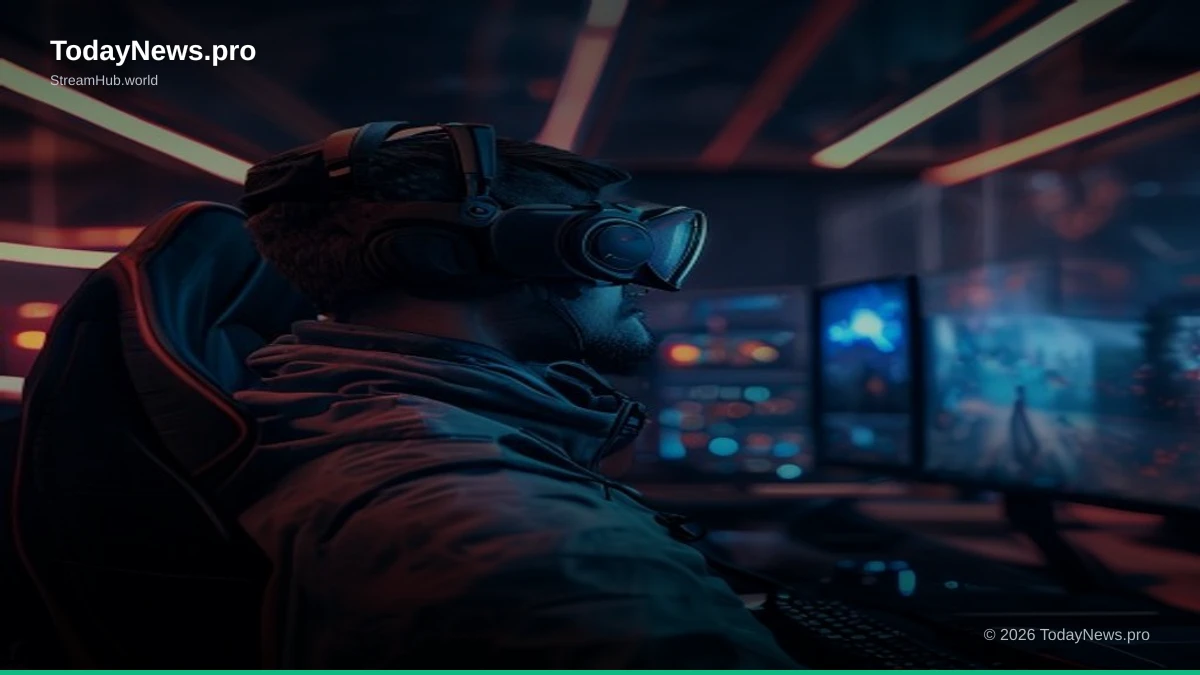
The global video game market, projected to reach a staggering $321 billion by 2026 according to Statista, is on the precipice of a transformation so profound that it will redefine the very meaning of "play." By 2030, the line between the digital and the physical will blur, ushering in an era of hyper-immersive gaming experiences that leverage neural interfaces, advanced AI, and full-sensory feedback, moving far beyond the current limitations of screens and controllers.
The Dawn of Hyper-Reality: Beyond Todays VR
Virtual Reality (VR) has laid the groundwork, offering glimpses into digital realms. However, by 2030, VR will evolve into what industry pioneers are beginning to call "hyper-reality." This isn't just about sharper visuals and wider fields of view; it's about creating a complete sensory and cognitive simulation. We're talking about ultra-high-resolution displays, potentially indistinguishable from reality, coupled with incredibly low latency that eliminates motion sickness and enhances presence. Headsets will become lighter, more comfortable, and integrated with advanced eye-tracking and foveated rendering, ensuring that only the parts of the scene you're looking at are rendered in full detail, optimizing performance and visual fidelity. The goal is to achieve a level of immersion where the player's brain genuinely struggles to differentiate between the virtual environment and the real world. This leap will be driven by breakthroughs in micro-LED and holographic display technologies, alongside sophisticated spatial audio rendering that perfectly mimics sound propagation in real-world environments.
The transition from current VR to hyper-reality will be marked by several key technological advancements. The graphical fidelity will be photo-realistic, powered by real-time ray tracing and AI-driven upscaling techniques that can generate detail on the fly, making every texture, shadow, and reflection feel tangible. Furthermore, the physical constraints of current VR setups, like tethered cables, will largely disappear, replaced by robust wireless solutions offering multi-gigabit speeds and near-zero latency. These advancements will pave the way for experiences that are not just visually stunning but also physically convincing.
Consider the implications for genres like exploration and adventure games. Imagine stepping onto an alien planet where the wind can be felt on your skin, the scent of exotic flora fills the air, and the distant calls of unseen creatures are indistinguishable from reality. This level of immersion will transform passive viewing into active participation, creating emotional connections with game worlds and characters that are currently unimaginable.
The Evolution of Visuals and Audio
Current VR headsets, while impressive, often suffer from screen-door effects and limited fields of view. By 2030, expect displays with pixel densities that far surpass human visual acuity. Technologies like light-field displays will offer true depth perception without the need for fixed focal planes, allowing players to focus on objects at varying distances naturally. Spatial audio will become truly 3D, with sound sources accurately located in every direction, even above and below the player, enhancing situational awareness and immersion. Audio engines will dynamically adapt to environmental acoustics, simulating echoes, reverberations, and sound occlusion with uncanny realism. This integrated approach to sensory input will be crucial for convincing players that they are truly "there."
Form Factor and Ergonomics
The bulky, often uncomfortable VR headsets of today will be replaced by sleeker, more integrated designs. Future devices might resemble advanced eyewear or even contact lenses for visual output, with separate, discreet modules for audio and haptic feedback. The focus will be on lightweight, ergonomic designs that allow for extended play sessions without fatigue or discomfort. Wireless connectivity will be paramount, with advancements in Wi-Fi 7 and beyond, as well as dedicated ultra-wideband technologies, ensuring seamless, high-bandwidth data transfer between the headset and processing units. The aim is to make the hardware as invisible as possible, allowing the player to focus entirely on the virtual experience.
Neural Interfaces: The Direct Link to the Game World
Perhaps the most revolutionary leap will be the integration of non-invasive neural interfaces. While invasive brain-computer interfaces (BCIs) are still in their nascent stages, by 2030, non-invasive EEG (electroencephalography) and fNIRS (functional near-infrared spectroscopy) technologies, significantly enhanced by AI for signal processing, will allow for direct thought-to-action commands and even emotional feedback loops within games. Imagine controlling your character with a mere thought, or experiencing the joy or fear of a game event directly as a modulated brainwave response. This isn't science fiction; researchers are already demonstrating basic control of cursors and simple commands through these technologies. The ethical implications are vast, but the potential for unparalleled immersion is undeniable.
These neural interfaces will bypass traditional input methods, enabling a level of control and feedback that is immediate and intuitive. Instead of pressing buttons to jump, a player might simply think "jump," and their avatar will execute the action. Furthermore, these interfaces could translate in-game events into sensory experiences that are perceived directly by the brain, bypassing physical senses and creating a more profound connection to the virtual world. This direct neural pathway will unlock new possibilities for game design, allowing for experiences that adapt to a player's emotional state and cognitive load in real-time.
Thought-Controlled Gameplay
The concept of "mind control" in gaming, once relegated to fantasy, will become a reality. Advanced AI algorithms will interpret subtle neural signals, translating intentions into in-game actions with remarkable accuracy. This will not only offer a new paradigm for accessibility, allowing individuals with physical disabilities to engage fully in gaming, but also provide a more fluid and natural control scheme for all players. Imagine complex maneuvers executed with the speed of thought, or intricate spellcasting performed through focused mental intent. The learning curve for such interfaces will be steep, but the potential rewards in terms of immersion and engagement are immense.
Emotional and Cognitive Feedback
Beyond mere control, neural interfaces will enable two-way communication. Games could subtly influence a player's emotional state through carefully calibrated neural stimulation, enhancing the feeling of suspense, excitement, or dread. Conversely, the game could read a player's emotional responses—fear, excitement, frustration—and dynamically alter the gameplay, narrative, or environment to match. This adaptive AI-driven feedback loop will create truly personalized and deeply engaging experiences, where the game world feels alive and responsive to the player's inner state. This opens up entirely new genres of therapeutic and educational gaming experiences as well.
| Interface Type | Estimated Market Penetration (%) | Key Applications |
|---|---|---|
| Advanced EEG Headsets | 25% | Thought-based control, basic emotional feedback, accessibility |
| fNIRS-Enhanced Wearables | 15% | Cognitive load monitoring, advanced emotional response, adaptive difficulty |
| Integrated BCIs (Limited)** | 2% | Highly specialized, professional gaming, research applications |
| Hybrid Systems (VR/AR + Neural) | 30% | Full sensory immersion, seamless interaction |
**Note: Invasive BCIs are expected to remain niche due to ethical and medical considerations by 2030, with adoption concentrated in specialized fields rather than mainstream gaming.**
AI: Crafting Dynamic, Unpredictable Universes
Artificial Intelligence will be the invisible architect of these new gaming worlds. Procedural generation, already a staple, will be supercharged by generative AI, capable of creating not just vast landscapes but also complex narratives, unique characters with evolving personalities, and dynamic economies that respond realistically to player actions. AI-driven NPCs (Non-Player Characters) will move beyond scripted dialogue and predictable behavior, exhibiting genuine learning capabilities, complex motivations, and the ability to form relationships with players and each other. This means that every playthrough, even within the same game, will be a distinct and emergent experience, devoid of repetitive patterns and full of genuine surprises. AI will act as a Dungeon Master on steroids, constantly adapting the world to keep players engaged and challenged.
The role of AI extends beyond mere content generation. It will be the engine that powers the dynamic simulation of complex systems within game worlds. This includes everything from realistic weather patterns and ecological simulations to sophisticated economic models and political systems. Players will not just interact with static environments; they will be participants in living, breathing worlds that react and evolve based on a multitude of factors, including their own choices. This level of dynamic complexity will foster emergent gameplay scenarios that even the developers might not have anticipated.
Generative Storytelling and World Building
Forget static quest lines. By 2030, AI will be capable of generating unique storylines on the fly, tailored to the player's choices, playstyle, and even their expressed preferences through neural interfaces. NPCs will have their own memories, relationships, and goals, leading to emergent social dynamics and unforeseen plot twists. Imagine an AI-generated backstory for a seemingly minor NPC that suddenly becomes central to your personal quest. This level of narrative depth and personalization will create a sense of agency and ownership over the game world that has never been achieved before.
Intelligent NPCs and Adaptive Companions
NPCs will become true characters, not just digital props. Advanced AI will imbue them with learning capabilities, allowing them to adapt their behavior based on interactions with the player and other NPCs. They will possess unique personalities, emotional ranges, and the ability to form genuine bonds or rivalries. This will lead to highly immersive social simulations, where relationships with NPCs feel authentic and their actions have meaningful consequences. Companion AI will evolve from simple followers to proactive allies who anticipate player needs, offer strategic advice, and even develop unique skill sets over time, becoming indispensable partners in the player's journey.
Haptic Feedback and Olfactory Immersion: Engaging All Senses
True immersion demands engagement of all human senses. By 2030, advancements in haptic technology will move beyond simple vibrations. Expect sophisticated full-body haptic suits that can simulate textures, pressure, temperature, and even the impact of virtual objects with remarkable fidelity. Imagine feeling the rough bark of a tree as you lean against it, the chilling sensation of rain, or the recoil of a weapon. Complementing this will be olfactory displays—devices capable of releasing precise scents to match the virtual environment. The smell of a campfire, the metallic tang of blood, or the sweet aroma of a virtual garden will add a powerful new layer to the gaming experience, further blurring the lines between the real and the imagined.
The integration of these sensory inputs will create an unprecedented level of presence. When a player can not only see and hear a virtual world but also feel its textures, temperatures, and even smell its atmosphere, the cognitive dissonance between reality and simulation significantly diminishes. This holistic approach to sensory feedback is a critical component in achieving hyper-reality. It’s about tricking the brain into believing it is physically present in the game world, leading to deeper emotional engagement and a more profound understanding of the environment and its inhabitants.
Full-Body Haptic Suits
Current haptic feedback is often limited to controllers or rudimentary vests. The next generation will involve full-body suits, potentially incorporating micro-actuators, pneumatic systems, and even thermal elements. These suits will be able to replicate the sensation of a gentle breeze, the resistance of water, the impact of a sword blow, or the subtle vibrations of an earthquake. The level of detail will allow for nuanced interactions, such as feeling the texture of different surfaces or the pressure of an object being placed in your virtual hand. The development of materials that can accurately and quickly change temperature will also be crucial for simulating environmental conditions.
Olfactory and Gustatory Simulation
While gustatory (taste) simulation is further off for widespread consumer adoption, olfactory simulation is poised for significant growth. Devices will be able to precisely release combinations of scent molecules to replicate a vast array of smells. Imagine walking through a virtual forest and smelling damp earth, pine needles, and blooming flowers. Or experiencing the acrid scent of smoke during a battle. These scent cues will not only enhance realism but also trigger emotional responses, further deepening player immersion. The technology will likely involve cartridge systems, similar to modern printers, allowing for a wide range of scents to be available.
The Metaverses Gaming Evolution: Persistent, Social Worlds
The concept of the metaverse, often discussed in abstract terms, will find its most tangible and engaging application in gaming. By 2030, persistent, interconnected virtual worlds will become the norm. These aren't just isolated game servers; they are vast, always-on universes where players can seamlessly transition between different gaming experiences, socialize with friends in virtual spaces, and even engage in virtual economies that have real-world value. Ownership of digital assets, facilitated by technologies like blockchain and NFTs, will allow players to truly own in-game items and even virtual real estate, creating a tangible stake in the metaverse. This convergence of gaming, social interaction, and digital ownership will create a new paradigm for entertainment and community.
The metaverse in gaming will foster a sense of perpetual presence and continuous engagement. Unlike traditional games that have a defined start and end, metaverse games will be living ecosystems that evolve over time. Player actions will have lasting consequences, and the worlds themselves will be shaped by the collective activity of their inhabitants. This fosters a unique sense of community and shared experience, where players are not just consumers of content but active co-creators of the virtual world. The economic implications are also profound, with the potential for players to earn a living through play, creating new career paths and opportunities within these digital realms.
Interoperability and Seamless Transitions
A key feature of the metaverse will be interoperability, allowing assets and identities to be transferred between different games and experiences within the overarching metaverse. This means that an item earned in one game could be used in another, or a character's appearance and reputation could carry across multiple virtual worlds. This breaks down the silos of traditional gaming, creating a more unified and expansive digital universe. Developers will need to collaborate and adhere to common standards to enable this level of seamless integration, leading to a more cohesive and interconnected player experience.
Virtual Economies and Digital Ownership
The rise of NFTs and blockchain technology will underpin robust virtual economies. Players will be able to truly own their in-game items, characters, and even virtual land, trading them on open marketplaces for cryptocurrency or real-world currency. This creates opportunities for players to monetize their time and creativity, turning gaming into a potential source of income. Developers will need to carefully design these economies to ensure fairness and sustainability, fostering a vibrant ecosystem where both creators and players can thrive. This shift from a rental model of in-game content to a true ownership model is a fundamental change.
Ethical Horizons and Accessibility: Navigating the Future
As gaming experiences become more immersive and integrated with our lives, ethical considerations and accessibility will become paramount. Developers and platform creators will face the challenge of preventing addiction, managing the psychological impact of hyper-realistic experiences, and ensuring responsible data privacy, especially with neural interface technologies. Furthermore, making these advanced experiences accessible to individuals with disabilities will be a moral and market imperative. The industry will need to proactively develop guidelines and technologies that promote healthy engagement and inclusivity. This includes exploring issues like digital well-being, the potential for escapism to become detrimental, and the responsible implementation of AI in shaping player experiences.
The potential for addiction in hyper-immersive environments is a significant concern. Unlike current games, experiences that blur the lines with reality could exert a stronger pull. Therefore, game designers and platform providers will need to incorporate features that promote breaks, monitor playtimes, and offer support for players who may be struggling with excessive engagement. The responsible use of neural interface data will also be a critical area, requiring robust security measures and transparent data usage policies to protect user privacy. Accessibility will move beyond simple control remapping to truly innovative solutions that allow everyone to participate fully.
Digital Well-being and Addiction Prevention
The heightened sense of presence and emotional engagement in hyper-real games will necessitate a stronger focus on digital well-being. Developers will need to integrate tools that promote healthy play habits, such as optional time limits, reminders to take breaks, and transparent reporting on time spent in-game. AI could be used to detect patterns indicative of unhealthy engagement and offer gentle nudges towards moderation or suggest offline activities. The psychological impact of intensely realistic experiences, particularly those involving violence or trauma, will also require careful consideration and potentially in-game support systems or content warnings.
Ensuring Inclusivity and Accessibility
Future gaming platforms must be designed with inclusivity at their core. This means going beyond standard accessibility options to embrace technologies that cater to a wider range of needs. Neural interfaces, for instance, offer revolutionary potential for players with motor impairments, enabling them to control games with their thoughts. AI-powered adaptive difficulty that genuinely adjusts to a player's skill and cognitive load, rather than just offering easier enemies, will also be crucial. Developers will need to embrace universal design principles from the outset, ensuring that hyper-immersive worlds are welcoming and navigable for everyone, regardless of physical or cognitive abilities. This proactive approach is essential for a truly equitable future of gaming.
Economic Impacts: A New Frontier for Creators and Consumers
The economic landscape of gaming is set to undergo a seismic shift. The rise of the metaverse and true digital ownership will foster a creator economy within games, where players can earn real money by designing assets, developing experiences, and providing services within virtual worlds. This could lead to new career paths and a significant redistribution of wealth within the gaming ecosystem. For consumers, the value proposition will change from simply purchasing a game to investing in a persistent digital life. This economic evolution will require new business models, regulatory frameworks, and a robust understanding of digital asset valuation. The potential for play-to-earn models to evolve into play-and-earn or even play-and-create models is immense.
The economic transformation will extend beyond individual players to the broader industry. Game development studios will need to adapt to supporting persistent, player-driven economies and ongoing content creation. Advertising models will likely evolve, with brands seeking to integrate themselves authentically into metaverse experiences rather than relying on disruptive traditional ads. The secondary markets for digital assets will become incredibly significant, creating new opportunities for entrepreneurs and investors. This new economic paradigm will necessitate a reevaluation of intellectual property rights, taxation of digital assets, and consumer protection in the virtual realm.
The Rise of the Play-to-Earn 2.0 Model
Building on the foundations of early play-to-earn games, by 2030, we will see more sophisticated "play-and-earn" or "play-and-create" models. These will focus on rewarding players for valuable contributions to the game ecosystem, not just for time spent grinding. This could include creating popular in-game assets, contributing to community moderation, or developing innovative game modes. The focus will shift towards sustainable economies where player earnings are tied to genuine utility and value creation within the virtual world, rather than speculative inflation.
New Avenues for Brand Engagement
Traditional advertising will become increasingly ineffective in hyper-immersive environments. Instead, brands will seek to integrate themselves organically into the metaverse. This could involve creating virtual storefronts, sponsoring in-game events, developing branded experiences, or even partnering with players to co-create virtual content. The key will be authenticity and providing genuine value to the player, rather than simply displaying advertisements. This shift represents a significant opportunity for brands to connect with consumers in more meaningful and memorable ways, fostering deeper brand loyalty and engagement.
The journey towards hyper-reality in gaming by 2030 is not a single leap but a series of convergent technological and design innovations. From the direct interface of our minds with digital worlds to the full sensory tapestry of simulated environments, the next decade promises to redefine what it means to play. The ethical and economic implications are as vast as the potential experiences, and navigating this future responsibly will be the industry's greatest challenge and opportunity. The games of tomorrow will not just be played; they will be lived.