

 Marcus Thorne
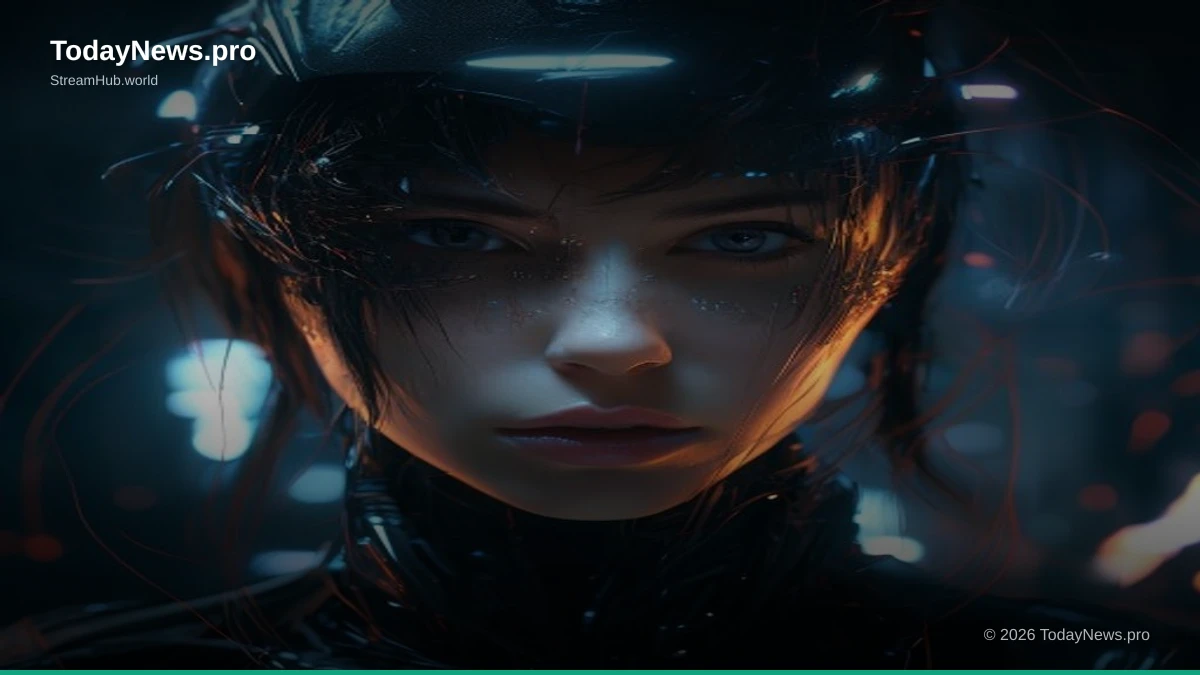
Global investment in generative AI startups surged by over 500% in 2023, reaching an unprecedented $25 billion, signaling a seismic shift in how digital content and even physical products are conceptualized and created.
Generative AI: The Dawn of Synthetic Realities
Generative Artificial Intelligence, a transformative branch of machine learning, is no longer a futuristic concept confined to research labs. It is actively reshaping our digital and, increasingly, our physical worlds. At its core, generative AI refers to algorithms capable of producing novel content—text, images, audio, video, code, and even 3D models—that mimics the characteristics of training data but is not a direct replication. This capability stems from complex neural network architectures like Generative Adversarial Networks (GANs) and Transformer models, which learn underlying patterns and distributions to synthesize entirely new outputs.
The rapid advancement of these technologies has unlocked unprecedented potential across a vast array of industries. From empowering artists to explore new aesthetic frontiers to enabling developers to write code with remarkable efficiency, generative AI is fundamentally altering the creative and productive landscapes. The implications are profound, touching upon everything from personal expression and entertainment to scientific discovery and industrial design.
Understanding the mechanics and the ramifications of generative AI is crucial for anyone seeking to navigate the evolving technological frontier. This article delves into the multifaceted impact of generative AI, exploring its applications, the ethical considerations it raises, its economic implications, and its democratizing potential.
The Underlying Architecture of Creation
The magic behind generative AI lies in sophisticated deep learning models. Variational Autoencoders (VAEs) and Generative Adversarial Networks (GANs) were early pioneers, with GANs notably producing highly realistic images by pitting two neural networks, a generator and a discriminator, against each other in a perpetual game of creation and detection. More recently, Transformer architectures, popularized by models like GPT (Generative Pre-trained Transformer) and DALL-E, have revolutionized text and image generation, respectively. These models excel at understanding context and long-range dependencies, enabling them to produce coherent and contextually relevant outputs.
The sheer volume of data these models are trained on is staggering. Billions of text documents, images, and code snippets are processed to distill the essence of human language, artistic styles, and programming logic. This extensive training allows them to generate outputs that are not only technically proficient but also often surprisingly creative and nuanced, blurring the lines between human-generated and machine-generated content.
From Pixels to Prose: The Algorithmic Muse
The impact of generative AI on the creative arts is perhaps the most visually striking. Artists, designers, and content creators are leveraging these tools to augment their workflows, break through creative blocks, and explore entirely new artistic expressions. Image generation models, such as Midjourney, Stable Diffusion, and DALL-E 3, can transform simple text prompts into stunning visual masterpieces, ranging from photorealistic scenes to abstract art in any conceivable style.
This capability is not limited to static images. Generative AI is also making inroads into video and music creation. Tools are emerging that can generate short video clips from text descriptions or even animate existing images. In music, AI can compose original melodies, harmonize existing tracks, and even generate vocals in various styles and languages. This opens up new avenues for musicians, filmmakers, and game developers to rapidly prototype ideas and produce assets at an accelerated pace.
However, this surge of AI-generated content also raises complex questions about originality, authorship, and the very definition of art. If an AI creates a piece, who is the artist? Is it the programmer, the user who provided the prompt, or the AI itself? These are philosophical debates that are rapidly becoming practical legal and ethical challenges.
Transforming Visual Storytelling
For visual artists, generative AI acts as an infinitely patient and versatile assistant. Imagine a concept artist needing to explore dozens of character designs for a new video game. Instead of spending days sketching, they can use AI to generate hundreds of variations based on descriptive prompts, significantly speeding up the ideation phase. Similarly, graphic designers can use these tools to quickly generate mood boards, logos, or illustrations, freeing up their time for more strategic design thinking and client interaction.
The ability to generate content in specific artistic styles, from Renaissance paintings to cyberpunk aesthetics, allows for unprecedented creative control and exploration. This democratizes access to high-quality visual assets, enabling independent creators and small studios to produce work that might have previously required large budgets and specialized teams.
The Symphony of Synthetic Sound
The realm of music and audio is also experiencing a generative AI revolution. Platforms like Google's MusicLM and OpenAI's Jukebox can create original musical pieces in a wide range of genres and styles, complete with instrumentation and even vocal performances. This is not just about generating background music; it extends to creating entire soundtracks for films, podcasts, and video games, or assisting composers in overcoming creative inertia.
Furthermore, AI-powered voice synthesis technology has advanced to a point where it can generate incredibly natural-sounding speech, mimicking human intonation, emotion, and accent. This has significant implications for audiobook narration, virtual assistants, and even personalized content creation, though it also raises concerns about the potential for deepfakes and misinformation.
Code Companions: Accelerating Software Development
The impact of generative AI extends beyond the creative arts into the more technical domains of software engineering and data science. AI-powered coding assistants, such as GitHub Copilot, Amazon CodeWhisperer, and Google's Bard, are rapidly becoming indispensable tools for developers. These AI models can suggest lines of code, complete functions, write unit tests, and even translate code between different programming languages, drastically reducing development time and effort.
The underlying technology for these tools often involves large language models (LLMs) trained on vast repositories of open-source code. By analyzing patterns, syntax, and common coding practices, these models can predict the most likely and efficient code to follow a given prompt or context. This not only accelerates development but also aids in code comprehension and learning for junior developers.
Beyond code generation, generative AI is also being applied to tasks like test case generation, bug detection, and code refactoring. This promises to make software development more efficient, less prone to errors, and more accessible, potentially lowering the barrier to entry for aspiring programmers.
Boosting Developer Productivity
Consider a scenario where a developer needs to implement a complex algorithm. Instead of spending hours researching and writing the code from scratch, they can provide a clear description of the desired functionality to an AI assistant. The AI can then generate a functional starting point, which the developer can then refine and integrate. This shift allows developers to focus on higher-level architectural decisions and problem-solving rather than boilerplate coding.
The impact on project timelines is substantial. Features that might have taken weeks to develop can potentially be implemented in days. This acceleration is critical in fast-paced industries where time-to-market is a significant competitive advantage. Furthermore, AI can help maintain consistency in coding styles across large teams, improving code readability and maintainability.
Automating Testing and Debugging
One of the most time-consuming aspects of software development is testing and debugging. Generative AI is beginning to automate these processes. AI models can be trained to generate comprehensive test cases that cover various scenarios, including edge cases that human testers might overlook. This leads to more robust software with fewer hidden bugs.
When bugs do occur, AI can assist in their identification and even suggest potential fixes. By analyzing error logs and code patterns, AI tools can pinpoint the source of a problem and propose code corrections, significantly reducing the time spent on debugging. This dual benefit of enhanced testing and faster debugging contributes to higher quality software delivered more rapidly.
| Programming Language | Average Code Generation Speed Increase (Estimated) | Common Use Cases |
|---|---|---|
| Python | 30-50% | Scripting, data analysis, web development, machine learning |
| JavaScript | 25-45% | Front-end development, back-end development (Node.js), mobile apps |
| Java | 20-40% | Enterprise applications, Android development, large-scale systems |
| C++ | 15-35% | Game development, system programming, performance-critical applications |
The Ethical Labyrinth: Navigating the Generative Frontier
As generative AI's capabilities expand, so too do the ethical and societal challenges it presents. The ability to create highly realistic synthetic content—often indistinguishable from reality—raises profound concerns regarding misinformation, deepfakes, intellectual property, and bias. The ease with which malicious actors could generate convincing fake news articles, fabricated images of events, or deceptive audio recordings poses a significant threat to public discourse and trust.
Furthermore, the data used to train these models can inadvertently embed societal biases. If training data reflects historical discrimination, the AI may perpetuate and even amplify these biases in its outputs, leading to unfair or discriminatory outcomes in areas like hiring, loan applications, or even criminal justice. Ensuring fairness, transparency, and accountability in generative AI systems is paramount.
Combating Misinformation and Deepfakes
The proliferation of AI-generated misinformation and deepfakes is one of the most pressing concerns. Tools that can create highly realistic but entirely fabricated images, videos, and audio recordings can be weaponized for political manipulation, defamation, or fraud. Developing effective detection mechanisms and digital watermarking techniques is a critical area of research and development.
Educating the public on media literacy and critical thinking is also vital. Users need to be equipped with the skills to question the authenticity of digital content and to identify potential signs of AI manipulation. Platforms also bear a responsibility to implement policies that flag or remove AI-generated misinformation.
Intellectual Property and Copyright Quandaries
The question of copyright and intellectual property for AI-generated content is a complex legal and ethical minefield. If an AI model is trained on copyrighted material, does its output constitute a derivative work? Who owns the copyright—the AI developer, the user, or is the work in the public domain? Current copyright laws were not designed for non-human creators, leading to significant uncertainty and ongoing legal battles.
Many legal scholars and industry experts are calling for clearer legal frameworks to address these issues. Potential solutions include establishing new categories of authorship, requiring explicit disclosure of AI-generated content, or creating licensing mechanisms for AI training data. The outcome of these debates will significantly shape the future of creative industries.
Beyond the Hype: Real-World Impact and Future Trajectories
While the headlines often focus on the most sensational applications of generative AI, its impact is steadily permeating various industries, often in more practical, behind-the-scenes ways. From revolutionizing drug discovery to personalizing educational experiences, the transformative potential is vast and still largely untapped.
In scientific research, generative AI is being used to design novel molecules for pharmaceuticals, predict protein structures, and simulate complex physical phenomena. This accelerates the pace of discovery and innovation in fields that can directly benefit human health and well-being. Similarly, in education, AI tutors can provide personalized learning paths, adaptive feedback, and tailored content, catering to the unique needs of each student.
The future trajectory of generative AI points towards increasingly sophisticated and multimodal capabilities. We can expect AI systems to become even more adept at understanding and generating content across different formats—seamlessly integrating text, image, audio, and video. Furthermore, advancements in areas like reinforcement learning and few-shot learning will allow AI models to adapt and generate novel content with much less data and more nuanced understanding of context and intent.
Accelerating Scientific Discovery
The pharmaceutical industry is a prime example of where generative AI is making a tangible impact. By analyzing vast biological datasets and molecular structures, AI can predict the efficacy and potential side effects of new drug candidates. This drastically reduces the time and cost associated with traditional drug discovery, potentially bringing life-saving treatments to market faster. For instance, AI models are being employed to design novel protein structures or optimize existing ones for therapeutic purposes.
Beyond medicine, generative AI is aiding in materials science by proposing new material compositions with desired properties, such as increased strength or conductivity. In climate science, it can be used to model complex environmental systems and predict the impact of various interventions, offering new insights for sustainability efforts.
Personalized Learning and Education
The one-size-fits-all approach to education is gradually giving way to personalized learning experiences, and generative AI is a key enabler of this shift. AI-powered platforms can assess a student's strengths and weaknesses, then generate customized lesson plans, practice exercises, and explanations. This adaptive approach ensures that students receive support where they need it most, moving at a pace that is optimal for their learning.
AI tutors can provide instant feedback on assignments, answer student questions 24/7, and even generate creative prompts for essays or projects. This not only enhances student engagement and comprehension but also frees up educators to focus on more complex pedagogical tasks, such as fostering critical thinking and emotional development.
The Economics of Creation: Monetizing Synthetic Content
The rise of generative AI has profound economic implications, creating new business models and disrupting existing ones. The ability to generate vast amounts of content quickly and at a lower cost opens up opportunities for new forms of media, personalized marketing, and on-demand creative services. Companies that can effectively integrate generative AI into their workflows are poised to gain a significant competitive edge.
The market for AI-generated assets, from stock imagery and music to virtual influencers and customized product designs, is rapidly expanding. This creates opportunities for both AI developers and individuals who can leverage these tools to build new businesses or enhance their existing ones. However, it also raises questions about labor displacement and the future of creative professions.
New Business Models and Revenue Streams
Generative AI is enabling entirely new business models. For instance, companies can offer personalized content generation services, where customers can request custom images, stories, or even music tailored to their specific needs. This could range from creating unique birthday cards to generating branded marketing materials for small businesses.
The market for AI-generated art and digital collectibles is also burgeoning. Artists can use AI to augment their creations, while collectors can invest in unique AI-generated pieces. Furthermore, the demand for AI models themselves, and for the expertise to train and deploy them, is creating a significant economic ecosystem. Consultancies specializing in AI integration and ethical AI development are also seeing increased demand.
Challenges to Traditional Industries
The economic disruption caused by generative AI is not without its challenges. Industries that rely heavily on manual content creation, such as stock photography agencies, traditional advertising firms, and even some forms of journalism, may face significant pressure as AI-generated alternatives become more prevalent and cost-effective. This could lead to job displacement and a redefinition of roles within these sectors.
There's also the question of how to value AI-generated intellectual property and how to ensure fair compensation for human creators whose work may have been used in training data. Navigating these economic shifts will require adaptability, reskilling, and thoughtful policy-making to ensure a just transition.
Democratizing Creativity: Tools for the Masses
One of the most exciting aspects of generative AI is its potential to democratize creativity and access to powerful tools. Previously, sophisticated content creation required specialized skills, expensive software, and significant technical expertise. Generative AI is lowering these barriers, empowering a wider range of individuals to express themselves and bring their ideas to life.
For aspiring writers, AI can provide story prompts, help with plot development, or even co-author narratives. For individuals with limited artistic talent, AI image generators can translate their imagination into visual form. This expansion of creative capabilities can foster a more diverse and vibrant digital landscape, where more voices can be heard and more stories can be told.
Empowering Individuals and Small Businesses
Small business owners, entrepreneurs, and independent creators can now access professional-quality marketing materials, website content, and product designs without needing to hire expensive agencies. Imagine a local bakery using AI to generate appealing social media graphics for its daily specials, or a freelance writer using AI to draft initial blog posts, which they then refine and personalize.
The ability to generate custom content on demand also allows for greater personalization in customer interactions. Companies can use AI to create tailored marketing messages, personalized product recommendations, or even unique digital experiences for their clients, fostering deeper engagement and customer loyalty.
The Future of Human-AI Collaboration
The long-term vision for generative AI is not one of replacement, but of collaboration. The most powerful applications will likely emerge from synergistic partnerships between humans and AI. Humans will provide the vision, the critical thinking, the emotional intelligence, and the ethical guidance, while AI will provide the computational power, the pattern recognition, and the ability to rapidly generate and iterate on ideas.
This human-AI partnership can lead to innovations that neither humans nor AI could achieve alone. It opens up new frontiers in problem-solving, artistic expression, and scientific discovery, promising a future where technology amplifies human potential rather than diminishing it. As these tools continue to evolve, their integration into our daily lives will become increasingly seamless and impactful.
The journey of generative AI is just beginning. Its capacity to craft future realities in art, code, and beyond is immense, and its continued development will undoubtedly reshape our world in ways we are only beginning to comprehend. Navigating this future requires both enthusiasm for its potential and a steadfast commitment to ethical development and responsible deployment.