

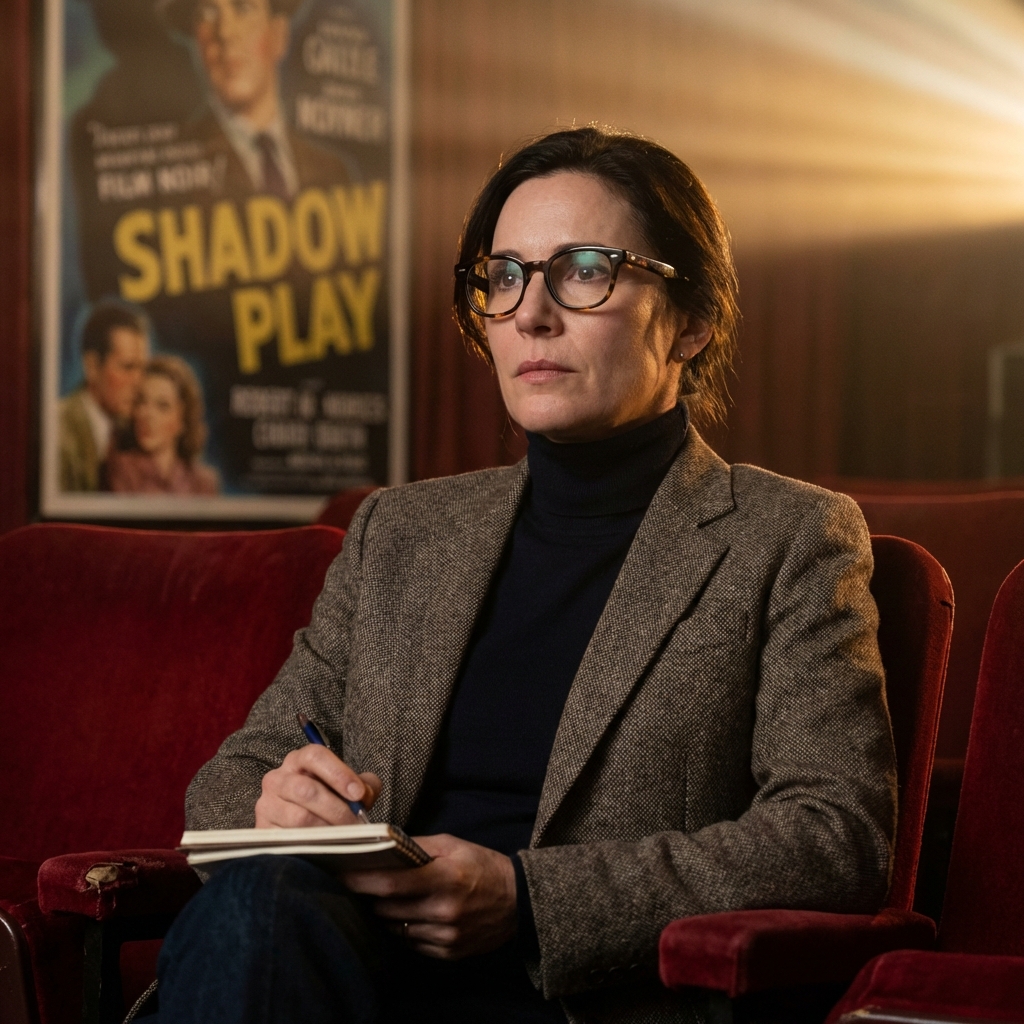
 Scott Wright
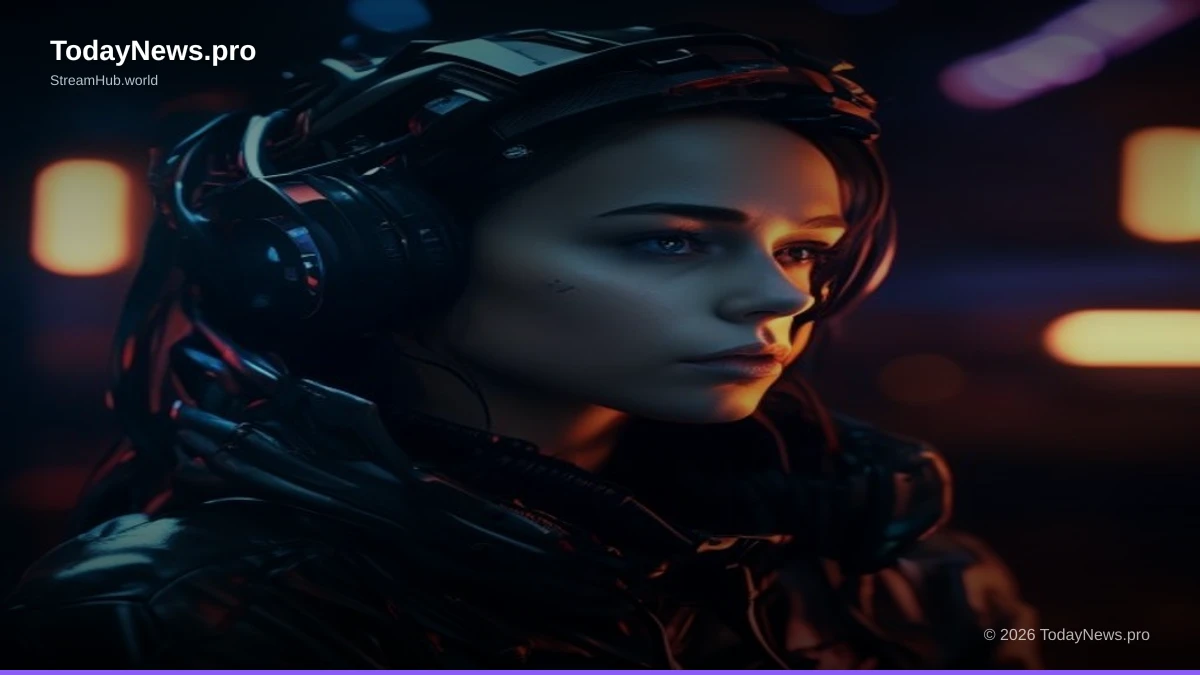
By early 2024, generative AI tools have been utilized in an estimated 60% of major film studios for pre-production tasks, signaling a profound integration into Hollywood's creative workflow.
Generative AIs Dawn in Entertainment: A Paradigm Shift
The entertainment industry, long a bastion of human creativity and artistry, is now at the precipice of a monumental transformation driven by generative artificial intelligence. From the initial spark of an idea to the final polished product, AI is no longer a futuristic concept but a tangible force actively reshaping how movies are made, music is composed, and stories are told. This seismic shift promises unprecedented levels of efficiency, opens new avenues for creativity, and simultaneously raises complex questions about authorship, originality, and the very definition of art.
The rapid advancement of large language models (LLMs) and diffusion models has unlocked capabilities that were once the sole domain of human imagination. These AI systems can now generate coherent scripts, compose original musical scores, create hyper-realistic visual effects, and even craft entirely new narrative worlds. The implications are vast, impacting every facet of the entertainment ecosystem, from independent creators to global media conglomerates.
The Core Technologies Enabling the Revolution
At the heart of this revolution lie sophisticated machine learning algorithms. Generative Adversarial Networks (GANs) and Transformer architectures, particularly those underpinning models like GPT-3/4 for text and Stable Diffusion/Midjourney for images, are the engines driving this creative surge. Their ability to learn from vast datasets of existing creative works allows them to produce novel outputs that mimic, adapt, and even innovate upon human-generated content. The continuous refinement of these models is leading to increasingly sophisticated and nuanced results, pushing the boundaries of what is computationally possible in artistic endeavors.
Text-to-image models, for instance, can transform simple prompts into complex visual scenes, concept art, and storyboards. Similarly, LLMs can draft dialogue, outline plot points, and even generate entire screenplay drafts. The synergy between these different AI modalities is also becoming more potent, enabling cross-modal generation where text can inform image creation, and vice versa, leading to richer and more cohesive creative outputs.
Revolutionizing Film Production: From Script to Screen
The film industry, with its inherently collaborative and multi-stage production process, is an ideal proving ground for generative AI. The sheer volume of creative and technical tasks involved presents numerous opportunities for AI to streamline workflows and unlock new artistic possibilities. From the earliest conceptualization stages to the final rendering of visual effects, AI is proving to be an indispensable tool.
Pre-Production Acceleration: Scriptwriting and Storyboarding
The arduous process of scriptwriting, which often involves multiple drafts, revisions, and the challenges of writer's block, is being significantly augmented by AI. LLMs can now generate plot ideas, character backstories, dialogue variations, and even entire scene outlines based on user prompts. While not yet a replacement for human screenwriters, these tools can act as powerful co-pilots, rapidly iterating on concepts and providing novel angles that a human writer might not have immediately considered. This acceleration allows for more extensive exploration of narrative possibilities within tighter production schedules.
Following the script, storyboarding is another area ripe for AI intervention. Text-to-image models can translate script descriptions into visual representations, generating concept art, character designs, and even rough animatics in a fraction of the time it would take human artists. This rapid visualization helps directors and producers solidify their vision early on, facilitating more efficient communication and decision-making throughout the production pipeline.
Visual Effects and Digital Assets: A New Frontier
The realm of visual effects (VFX) is perhaps where generative AI is having its most visually striking impact. AI models can now generate photorealistic textures, complex 3D assets, and even entire virtual environments with remarkable speed and fidelity. This capability drastically reduces the manual labor traditionally required for tasks like creating background elements, digital extras, or intricate prop designs. Furthermore, AI-powered tools can assist in rotoscoping, motion tracking, and even de-aging actors, tasks that were once incredibly time-consuming and expensive.
The generation of digital characters and creatures is also being revolutionized. AI can create unique and believable beings based on descriptive parameters, offering a vast library of possibilities for fantasy and science fiction films. The ability to generate variations of existing assets also proves invaluable, allowing for diversification of crowds, environments, and other visual elements without significant additional human effort. This democratization of high-quality VFX opens doors for smaller studios and independent filmmakers to achieve cinematic ambition previously out of reach.
Post-Production Efficiency: Editing and Sound Design
Even in post-production, AI is making its mark. Automated editing tools are emerging that can suggest cuts, assemble rough assemblies, and even identify pacing issues in footage. While human editors remain crucial for artistic nuance and emotional flow, AI can handle the more repetitive tasks, freeing up human creatives to focus on the finer points of storytelling. In sound design, AI can generate ambient soundscapes, Foley effects, and even synthesize dialogue for specific purposes, reducing the need for extensive sound libraries or live recording sessions.
The ability for AI to analyze footage and suggest optimal edits based on narrative arcs or emotional impact is a burgeoning field. This data-driven approach can complement the intuitive artistry of human editors, leading to more polished and impactful final cuts. Similarly, AI-generated soundscapes can add depth and realism to scenes, enhancing the immersive quality of the viewing experience.
The Soundtrack of Tomorrow: AI in Music Creation
The music industry, inherently built on creativity and algorithmic patterns, is a natural fit for generative AI. From generating melodies and harmonies to producing full orchestral arrangements and vocal performances, AI is becoming a powerful collaborator for musicians and composers alike. This technology is not only democratizing music creation but also pushing the boundaries of sonic exploration.
Algorithmic Composition and Arrangement
Generative AI models can analyze vast datasets of musical styles, genres, and compositions to learn patterns, structures, and emotional nuances. This knowledge allows them to create original musical pieces from scratch, or to generate variations and extensions of existing melodies. Composers can use these tools to overcome creative blocks, explore new harmonic progressions, or generate background music for films, games, and other media. The ability to specify mood, tempo, instrumentation, and genre allows for highly customized outputs.
AI-powered tools can assist in generating drum patterns, bass lines, and chord progressions that fit a desired style. For more complex arrangements, AI can orchestrate pieces for various instruments, taking into account their tonal qualities and playing ranges. This rapid prototyping of musical ideas accelerates the creative process significantly, allowing artists to experiment with more diverse sonic palettes and structural approaches.
Synthetic Vocals and Personalized Soundscapes
Beyond instrumental music, AI is also making strides in vocal generation. Models can synthesize human-like singing voices, capable of performing melodies with a range of emotions and styles. This technology has the potential to create custom vocal tracks for songs, or even to generate entirely AI-sung performances. While the nuances of genuine human emotion in singing are still a challenge, the fidelity of AI-generated vocals is rapidly improving, opening up new possibilities for virtual artists and personalized audio experiences.
Personalized soundscapes, tailored to individual preferences or specific moods, are another exciting application. AI can generate ambient music, sound effects, or even functional sound experiences designed to enhance focus, relaxation, or immersion. This could lead to adaptive soundtracks for video games, personalized meditation apps, or dynamic background audio for various digital environments. The potential for tailored auditory experiences is immense.
Copyright and Licensing Challenges
The rise of AI-generated music brings significant challenges related to copyright and intellectual property. Determining ownership of AI-created works, especially when trained on copyrighted material, is a complex legal and ethical question. Licensing frameworks will need to adapt to accommodate AI-generated content, ensuring fair compensation for original artists whose work may have influenced the AI's output. Establishing clear guidelines for attribution and usage is paramount to foster continued innovation without undermining the rights of human creators.
The question of who owns the copyright to an AI-generated song—the AI developer, the user who prompted it, or perhaps no one—is a subject of ongoing debate and legal scrutiny. Current copyright laws were not designed with artificial intelligence in mind, necessitating a re-evaluation of existing frameworks. The music industry is watching these developments closely, as the implications for royalties, licensing, and artistic ownership are profound.
Narrative Reinvented: AI-Powered Storytelling
Storytelling, the very foundation of human culture and entertainment, is undergoing a radical reimagining thanks to generative AI. Beyond linear narratives in film and literature, AI is enabling interactive, personalized, and dynamic storytelling experiences that were previously confined to the realm of science fiction.
Interactive Narratives and Personalized Worlds
Generative AI excels at creating branching narratives and responsive worlds. In video games, AI can dynamically generate quests, dialogue, and plot developments based on player choices, creating a truly unique experience for each individual. This moves beyond pre-scripted storylines to environments that adapt and evolve in real-time, offering unparalleled replayability and immersion. Imagine a game where the narrative actively learns your playstyle and crafts a story specifically to challenge and engage you.
Beyond gaming, this concept extends to interactive literature and immersive experiences. AI can generate personalized stories based on user input, preferences, or even biometric data. This could manifest as adaptive children's books that change their plot based on a child's reactions, or interactive documentaries that allow viewers to steer the narrative by asking questions of AI-powered historical figures. The potential for deeply engaging and personalized narrative journeys is immense.
AI as a Creative Partner for Writers
For authors and screenwriters, generative AI offers a powerful toolkit for brainstorming, outlining, and drafting. LLMs can generate multiple plot twists, character arcs, and dialogue options, providing writers with a wealth of material to explore. This is not about replacing the human author's vision but about augmenting it. AI can act as an tireless assistant, generating variations and exploring narrative avenues that might not have been immediately apparent, thus speeding up the iterative process of creative writing.
Writers can use AI to generate summaries of their work, identify plot holes, or even explore alternative endings. The ability to quickly generate different stylistic approaches to a scene or character can also be invaluable. By offloading some of the more labor-intensive aspects of writing, human creators can dedicate more time to refining their artistic voice, thematic depth, and emotional resonance.
Wikipedia's entry on Generative Artificial Intelligence provides a comprehensive overview of the underlying technologies.
Content Generation at Scale for Digital Platforms
The insatiable demand for content across digital platforms presents a significant opportunity for generative AI. AI can be employed to create a high volume of narrative content for social media, marketing campaigns, or even short-form video platforms. This allows for rapid iteration and testing of different narrative approaches, enabling creators to quickly identify what resonates with their audience. While the depth and complexity might vary, the sheer output capacity is a game-changer.
AI can generate personalized marketing copy, social media posts that adapt to trending topics, or even short animated stories for platforms like TikTok or Instagram Reels. This scalability allows businesses and creators to maintain a consistent and engaging online presence without the prohibitive cost and time associated with traditional content creation methods for every piece.
Ethical Labyrinths and Creative Boundaries
As generative AI becomes more deeply embedded in the entertainment landscape, a complex web of ethical considerations and creative boundary disputes emerges. These challenges require careful navigation to ensure that innovation does not come at the expense of human artistry, intellectual property, or societal values.
Authorship and Intellectual Property Rights
One of the most contentious issues is the question of authorship and ownership. When an AI generates a script, a song, or a piece of visual art, who is the creator? Is it the AI itself, the developers who trained it, or the user who provided the prompt? Existing copyright laws are struggling to keep pace with these questions, leading to legal ambiguities and potential disputes. The concept of "work for hire" needs re-examination in the context of AI-generated content.
The use of copyrighted material in AI training datasets also raises concerns about fair use and potential infringement. Artists and studios are increasingly vigilant about their intellectual property being used to train models that could then compete with their own creations. This necessitates transparency in AI training data and potential compensation mechanisms for artists whose styles or works are heavily relied upon.
The Specter of Deepfakes and Misinformation
The ability of generative AI to create hyper-realistic synthetic media, commonly known as deepfakes, poses a significant threat to public trust and the integrity of visual information. In entertainment, this can be used for creative purposes like de-aging actors or creating virtual performances. However, the potential for misuse—generating fabricated news, creating non-consensual explicit content, or impersonating public figures—is a grave concern. Robust detection mechanisms and clear ethical guidelines are essential to mitigate these risks.
The ease with which convincing synthetic media can be produced means that distinguishing between real and AI-generated content will become increasingly difficult. This has profound implications for journalism, political discourse, and personal privacy. The entertainment industry, as a major producer and consumer of visual media, has a responsibility to lead the charge in developing and implementing safeguards against the malicious use of deepfake technology.
Bias in AI Models and Representation
Generative AI models are trained on vast datasets, and if these datasets contain biases—whether racial, gender, cultural, or otherwise—the AI will inevitably perpetuate and even amplify them in its outputs. This can lead to the generation of stereotypical characters, biased narratives, or a lack of diverse representation in AI-assisted creative works. Ensuring that AI models are trained on diverse and representative data is crucial for fostering inclusivity and equity in the entertainment industry.
For instance, if an AI is trained predominantly on Western cinematic tropes, its generated scripts or visual styles might reflect a narrow worldview. Addressing these biases requires ongoing auditing of AI models, diverse development teams, and a conscious effort to curate training data that reflects the richness and complexity of global cultures and identities. The goal should be for AI to enhance, not diminish, the diversity of stories we see and hear.
Reuters offers ongoing coverage of AI's impact on various industries, including entertainment: Reuters AI News.
The Future Landscape: Collaboration, Accessibility, and Disruption
The integration of generative AI into the entertainment industry is not a monolithic event but an evolving process that promises to redefine collaboration, democratize access, and inevitably disrupt established models. The future will likely be characterized by a symbiotic relationship between human creativity and artificial intelligence.
Human-AI Collaboration: The Augmented Creator
The most probable future scenario is one where generative AI acts as a powerful co-pilot or creative partner for human artists. Instead of replacing creatives, AI will augment their abilities, allowing them to explore more ideas, iterate faster, and achieve results that were previously impossible due to time or resource constraints. This augmented creativity will lead to new forms of artistic expression and more sophisticated storytelling.
Imagine a composer using AI to generate countless melodic variations, selecting the best ones, and then refining them with their own artistic touch. Or a filmmaker using AI to visualize complex scenes, then directing human actors within that AI-generated environment. This human-AI synergy is poised to be the defining characteristic of future creative endeavors, blending the intuition and emotional depth of humans with the computational power and data-processing capabilities of AI.
Democratization of Creative Tools
Generative AI has the potential to significantly lower the barrier to entry for aspiring filmmakers, musicians, and storytellers. Powerful tools that were once only accessible to large studios with significant budgets are becoming available to independent creators. This democratization could lead to a renaissance of diverse voices and innovative content emerging from unexpected corners of the globe, fostering a richer and more varied entertainment landscape.
A solo filmmaker with a laptop and a subscription to AI tools could potentially produce short films with visual effects comparable to those from major productions. Similarly, aspiring musicians can generate professional-sounding backing tracks and explore complex arrangements without needing to hire a full band or orchestra. This accessibility is a game-changer, empowering a new generation of creators.
Industry Disruption and New Business Models
The efficiency and cost-effectiveness of generative AI will undoubtedly disrupt established business models within the entertainment industry. Studios may shift their focus from labor-intensive tasks to curation and strategic direction. New companies specializing in AI-powered creative services will emerge, while others may struggle to adapt. The traditional gatekeepers of content creation may find their influence waning as direct-to-creator tools become more prevalent.
The rise of AI-generated content also prompts questions about how content will be monetized. Will audiences embrace AI-created art in the same way they embrace human art? New revenue streams and distribution models will need to be explored, potentially involving micro-licensing of AI-generated assets or subscription services for AI-powered creative platforms. The industry's ability to adapt quickly will be crucial for survival and success.
Case Studies: Early Adopters and Groundbreaking Projects
While the full impact of generative AI is still unfolding, several early adopters and groundbreaking projects offer a glimpse into its transformative potential in entertainment. These examples showcase the practical application and creative possibilities of AI across different media.
The Frost - AI-Assisted Screenwriting
One notable example is the short film "The Frost," which utilized AI tools for scriptwriting assistance. While a human writer retained creative control, AI was employed to generate multiple dialogue options, suggest plot developments, and even explore thematic nuances. This allowed the writer to rapidly iterate on ideas, overcome creative blocks, and discover unexpected narrative directions. The film's success demonstrated how AI can serve as a powerful collaborative partner, enhancing human creativity rather than replacing it.
AIVA - AI Music Composer
AIVA (Artificial Intelligence Virtual Artist) is a sophisticated AI music composition platform that has been recognized by SACEM as an author. AIVA can compose soundtracks for films, video games, and commercials, drawing inspiration from a vast library of musical styles. It has been used by numerous composers and producers to generate original scores, demonstrating AI's capability to produce emotionally resonant and stylistically diverse music. Several albums composed entirely by AIVA have been released, showcasing its independent creative potential.
Midjourney and Stable Diffusion in Concept Art
In the realm of visual arts and film pre-production, tools like Midjourney and Stable Diffusion have become indispensable for concept artists. These text-to-image models enable artists to quickly generate a wide array of visual ideas, character designs, and environmental concepts based on textual descriptions. This significantly accelerates the ideation phase, allowing for more exploration and refinement of visual styles before costly production begins. Many independent filmmakers and even major studios are now leveraging these tools to visualize their projects.
The speed and flexibility offered by these AI image generators allow for rapid prototyping of visual aesthetics, enabling directors and art departments to communicate their vision more effectively and to explore a broader range of creative options than ever before. This has led to a notable increase in the visual ambition of projects with limited budgets.
AI in Game Development: Procedural Content Generation
The video game industry has been an early adopter of AI for procedural content generation (PCG). While not strictly "generative" in the same vein as LLMs, AI algorithms are used to create vast game worlds, complex level designs, and dynamic enemy behaviors that are unique to each playthrough. This allows for immense game maps and infinite replayability, pushing the boundaries of immersive gaming experiences. Future developments will likely see more sophisticated AI models generating not just environments, but also narrative elements and character interactions that adapt to player actions.