

 Elena Kogan
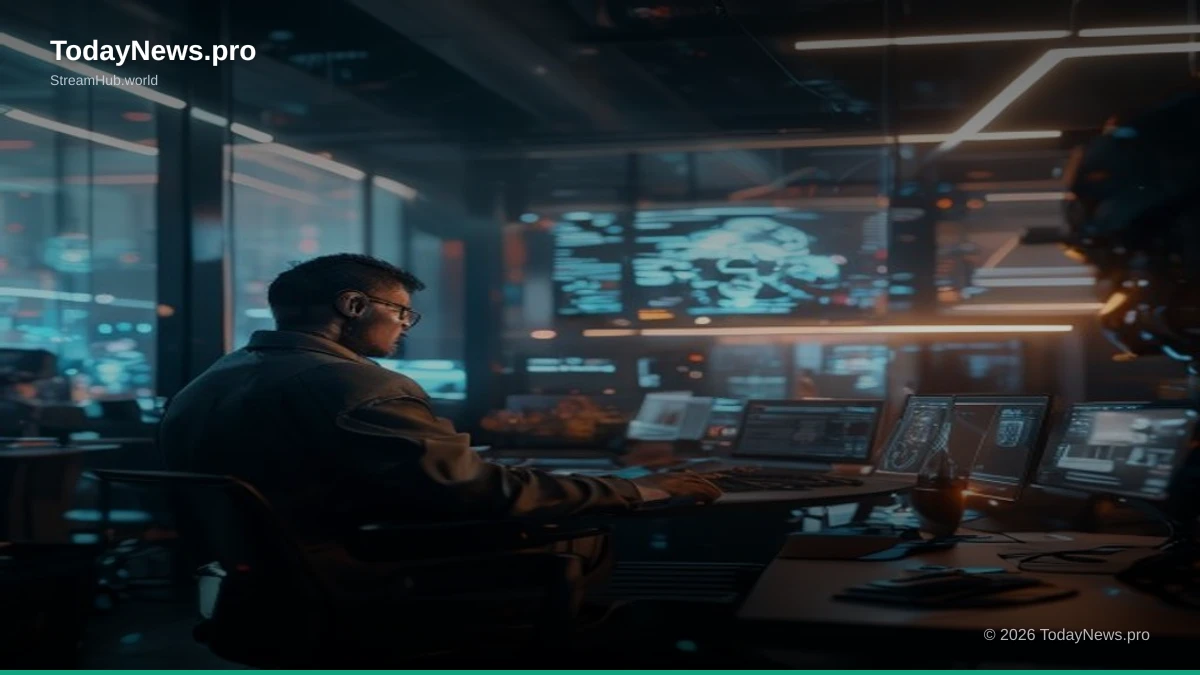
By 2030, the global workforce is projected to be augmented by artificial intelligence, with studies suggesting that AI could contribute up to $15.7 trillion to the global economy, a significant portion of which will be driven by productivity gains and new business models enabled by AI and automation. This seismic shift is fundamentally reshaping how and where we work, ushering in an era of blended work models that integrate human ingenuity with intelligent technologies.
The Inevitable Convergence: AI, Automation, and the Hybrid Work Revolution
The confluence of advanced artificial intelligence (AI), sophisticated automation, and the widespread adoption of hybrid work models is not a distant future; it is the present reality. For decades, the workplace has been a battleground of innovation, with each technological leap forcing a recalibration of human roles. Now, AI and automation are not just tools but active participants in the work process, demanding a new paradigm that embraces flexibility and collaboration across physical and digital spaces.
The traditional 9-to-5 in a centralized office is rapidly becoming an anachronism for many sectors. The pandemic acted as a powerful accelerant, proving that productivity can thrive beyond office walls. Simultaneously, AI and automation have moved from theoretical discussions to practical applications, automating repetitive tasks, enhancing decision-making, and creating entirely new possibilities for how work is conceived and executed.
This article delves into the multifaceted nature of this blended future, exploring how AI and automation are not replacing human workers but rather augmenting their capabilities, how the hybrid model offers a spectrum of flexibility, and the essential skills and strategies needed to thrive in this dynamic environment. It is a narrative of adaptation, innovation, and ultimately, a more efficient and potentially more fulfilling way to work.
AI as Colleague, Not Conqueror: Augmenting Human Potential
The prevailing narrative around AI often leans towards job displacement. However, a deeper analysis reveals a more nuanced reality: AI is increasingly positioned as a powerful collaborator, enhancing human capabilities rather than simply replacing them. Generative AI, machine learning, and natural language processing are becoming indispensable tools that empower individuals to perform their roles more effectively and efficiently.
Consider the field of customer service. AI-powered chatbots can handle a vast volume of routine inquiries, freeing up human agents to address complex, empathetic, or high-value customer interactions. In healthcare, AI assists radiologists in identifying anomalies in medical images with greater speed and accuracy, augmenting their diagnostic prowess. For software developers, AI-driven code completion tools can significantly accelerate the coding process, allowing them to focus on architectural design and problem-solving.
Augmenting Creativity and Innovation
Beyond task automation, AI is proving to be a potent force in fostering creativity and innovation. Tools like AI-powered design assistants can generate multiple design concepts based on user prompts, sparking new ideas and accelerating the creative process. Researchers are using AI to sift through massive datasets, identifying patterns and insights that would be impossible for humans to uncover manually, leading to breakthroughs in scientific discovery.
The key to this augmentation lies in understanding AI not as an autonomous entity, but as an intelligent assistant. It requires humans to define problems, set parameters, interpret results, and apply critical judgment. This symbiotic relationship amplifies human intellect and allows for a more profound engagement with complex challenges.
Data-Driven Decision Making
One of the most significant contributions of AI to the modern workforce is its ability to process and analyze vast quantities of data, providing insights that drive better decision-making. Businesses can leverage AI to understand customer behavior, predict market trends, optimize supply chains, and identify operational inefficiencies. This data-driven approach moves decision-making from intuition to evidence-based strategy.
The integration of AI in decision-making processes empowers employees at all levels to access and utilize data more effectively. Instead of relying solely on specialized data analysts, individuals can use AI tools to extract relevant information and gain a deeper understanding of the factors influencing their work. This democratization of data insights leads to more informed actions and improved outcomes.
Automations Evolving Role: From Task Replacement to Value Creation
Automation has a long history in the workplace, from the industrial revolution's mechanical advancements to the digital automation of the late 20th century. However, today's automation, powered by AI and robotics, is far more sophisticated and capable of handling complex, non-routine tasks. The focus is shifting from simply replacing manual labor to automating processes that create higher value and drive business growth.
Robotic Process Automation (RPA) is a prime example. It allows software robots to mimic human interactions with digital systems, automating repetitive, rule-based tasks such as data entry, form processing, and invoice handling. This liberates human employees from tedious chores, allowing them to focus on more strategic, creative, and customer-facing activities that require human judgment and empathy.
Intelligent Automation: Beyond Repetition
The evolution of automation is evident in the rise of "intelligent automation," which combines RPA with AI technologies like machine learning and natural language processing. This allows automated systems to handle more complex tasks that require a degree of cognitive ability. For instance, intelligent automation can be used to process unstructured data, such as emails or documents, extract relevant information, and route it to the appropriate department or individual.
This advancement means that automation is no longer limited to simple, repetitive tasks. It can now be applied to more intricate workflows, improving efficiency and accuracy across a wider range of business functions. From onboarding new employees to managing complex financial transactions, intelligent automation is streamlining operations and reducing the potential for human error.
Reshaping Industries and Creating New Opportunities
The impact of automation extends beyond individual tasks to entire industries. In manufacturing, advanced robotics are transforming production lines, enabling higher levels of precision, speed, and customization. In logistics, automated warehouses and delivery systems are revolutionizing how goods are moved and managed. These advancements not only increase efficiency but also create new demands for skilled professionals in areas like robotics engineering, AI development, and system maintenance.
While some jobs may be displaced, the overall impact of automation is a net positive in terms of job creation and economic growth. The World Economic Forum estimates that while 85 million jobs may be displaced by 2025 due to automation, 97 million new roles may emerge. This highlights the critical need for workforce reskilling and upskilling to meet the demands of this evolving landscape.
| Industry | Primary Automation Impact | Emerging Job Roles |
|---|---|---|
| Manufacturing | Robotic Assembly, Quality Control | Robotics Technician, AI Systems Integrator |
| Customer Service | Chatbots, Automated Ticketing | AI Trainer, Customer Experience Strategist |
| Finance | RPA for Data Entry, Fraud Detection | Data Scientist, Blockchain Developer |
| Healthcare | AI for Diagnostics, Robotic Surgery | Bioinformatics Specialist, AI Medical Advisor |
The Hybrid Model: A Spectrum of Flexibility
The hybrid work model is not a monolithic concept but rather a flexible framework that allows for a blend of remote and in-office work. This approach acknowledges that different roles, teams, and individuals have varying needs and preferences. The key to a successful hybrid model lies in offering choice and adaptability, while maintaining collaboration, culture, and productivity.
From a fully remote workforce with occasional in-person meetups to a structured model where employees spend a set number of days in the office, the possibilities are extensive. Companies are experimenting with various configurations, often driven by the nature of their business, the demands of their client base, and the desire to attract and retain talent.
Benefits for Employees and Employers
For employees, the hybrid model offers a compelling proposition: improved work-life balance, reduced commuting stress and costs, and greater autonomy over their workday. This increased flexibility can lead to higher job satisfaction, reduced burnout, and improved mental well-being. For employers, the benefits include access to a wider talent pool, potential cost savings on office space, and increased employee engagement and retention.
However, implementing a successful hybrid model requires careful planning and a commitment to equitable practices. It necessitates clear communication, robust technological infrastructure, and a conscious effort to foster an inclusive culture that bridges the physical divide between remote and in-office workers.
Designing for Inclusivity and Collaboration
A critical challenge in hybrid work is ensuring that remote employees have the same opportunities for visibility, career advancement, and social connection as their in-office counterparts. This requires intentional design of meetings, communication channels, and team activities. Virtual collaboration tools, asynchronous communication strategies, and a focus on outcomes rather than presenteeism are crucial components.
Companies are investing in technologies that facilitate seamless collaboration, such as advanced video conferencing, shared digital whiteboards, and project management software that supports distributed teams. The goal is to create an environment where geographical location is not a barrier to effective teamwork and where every team member feels valued and connected.
Navigating the Blended Landscape: Challenges and Opportunities
The transition to a blended work environment, powered by AI and automation, presents a unique set of challenges and opportunities. While the potential for enhanced productivity, innovation, and employee satisfaction is immense, navigating this new terrain requires strategic foresight and proactive adaptation.
One of the primary challenges is ensuring data security and privacy in a distributed workforce that increasingly relies on digital tools. As AI and automation systems process more sensitive information, robust cybersecurity measures are paramount. Another significant hurdle is maintaining a strong organizational culture and a sense of belonging among employees who may rarely, if ever, meet face-to-face.
The Cybersecurity Imperative
With remote work and the proliferation of AI-driven tools, the attack surface for cyber threats has expanded significantly. Organizations must invest in comprehensive cybersecurity strategies, including multi-factor authentication, end-to-end encryption, regular security audits, and employee training on best practices for data protection. AI itself can be a powerful tool in cybersecurity, used for threat detection and anomaly identification, creating a dual-use technology dynamic.
The responsible development and deployment of AI systems also fall under this umbrella. Ensuring that algorithms are unbiased, transparent, and secure is crucial to building trust and preventing unintended negative consequences. External regulations and ethical guidelines are also evolving to address these critical aspects of AI and data management.
For more on the evolving landscape of cyber threats, consult the latest reports from Reuters Technology: Cybersecurity.
Maintaining Culture and Connection
Organizational culture is often built through informal interactions, shared experiences, and a sense of physical community. In a hybrid or remote setting, fostering these elements requires deliberate effort. Companies are experimenting with virtual social events, creating dedicated online spaces for non-work-related discussions, and encouraging regular team check-ins that go beyond task updates.
Leadership plays a pivotal role in shaping this culture. Managers need to be trained in leading distributed teams, emphasizing empathy, clear communication, and performance-based evaluation. The goal is to create an environment where employees feel connected, supported, and motivated, regardless of their physical location. This is not just about maintaining morale; it's about fostering innovation and collaboration that drives business success.
Opportunities for Innovation and Efficiency
The blended work model, augmented by AI and automation, opens up unprecedented opportunities for innovation and efficiency. By automating routine tasks, freeing up human capital, and enabling data-driven decision-making, organizations can achieve new levels of productivity and agility. This allows companies to respond more rapidly to market changes, develop new products and services, and provide enhanced customer experiences.
The ability to tap into a global talent pool also fuels innovation. With remote work becoming more mainstream, companies are no longer limited by geographical constraints when seeking specialized skills or diverse perspectives. This can lead to more creative problem-solving and a broader range of ideas, driving competitive advantage in an increasingly globalized economy.
Cultivating the Future Workforce: Skills for a Hybrid, AI-Driven Era
The rapid evolution of work demands a corresponding evolution in the skills possessed by the workforce. As AI and automation take on more routine tasks, the emphasis shifts to uniquely human capabilities that complement technological advancements. The workforce of the future will need a blend of technical proficiency, critical thinking, emotional intelligence, and adaptability.
Technical skills remain important, but the nature of that technicality is changing. Instead of deep specialization in a single tool, there's a growing need for digital literacy and the ability to work effectively with various AI and automation platforms. Understanding how to prompt AI, interpret its outputs, and integrate it into workflows will become a fundamental skill across many professions.
The Rise of Human Skills
Ironically, in an era increasingly dominated by technology, "human" skills are becoming more valuable than ever. These include creativity, critical thinking, complex problem-solving, emotional intelligence, communication, and collaboration. These are the skills that AI currently struggles to replicate and that are essential for navigating complex, ambiguous situations and fostering innovation.
For example, a doctor might use AI to analyze patient data, but it is their empathy, communication, and ethical judgment that build trust and ensure the best patient outcomes. A marketing team might use AI to generate campaign ideas, but it is their strategic thinking and understanding of human psychology that refine those ideas into successful campaigns.
Continuous Learning and Adaptability
Perhaps the most crucial skill for navigating the future of work is the capacity for continuous learning and adaptability. The pace of technological change means that skills can become obsolete quickly. Therefore, individuals must embrace a mindset of lifelong learning, actively seeking out new knowledge and developing new competencies. This includes both formal education and informal learning through online courses, workshops, and on-the-job training.
Organizations have a responsibility to support this continuous learning by providing access to training resources, fostering a culture that encourages skill development, and creating opportunities for employees to experiment with new technologies and approaches. This investment in human capital is essential for staying competitive and ensuring that the workforce remains relevant and resilient.
To understand the importance of continuous learning, consider the insights from Wikipedia on Lifelong Learning.
The Organizational Imperative: Adapting for Success
For organizations to not just survive but thrive in the blended future of work, a fundamental shift in strategy and operational approach is required. This involves re-evaluating everything from leadership styles and talent management to technological infrastructure and physical workspace design. The key is to build an agile, adaptable, and human-centric organization.
Leaders must champion the integration of AI and automation, not as cost-cutting measures, but as enablers of human potential and innovation. This requires a clear vision, transparent communication, and a willingness to invest in the necessary infrastructure and training. The organizational culture must evolve to embrace flexibility, trust, and a focus on outcomes.
Rethinking Talent Management
Traditional talent management approaches are no longer sufficient. Organizations need to adopt strategies that focus on developing and nurturing skills for the future. This includes implementing robust upskilling and reskilling programs, encouraging internal mobility, and creating pathways for employees to transition into new roles created by AI and automation. Performance management systems need to adapt to assess contributions in a hybrid environment, focusing on impact and collaboration rather than mere presence.
Furthermore, attracting and retaining talent will increasingly depend on offering flexible work arrangements and a supportive, inclusive culture. Companies that can effectively leverage AI to personalize employee experiences, from onboarding to professional development, will have a significant competitive advantage.
Investing in the Right Technology and Infrastructure
A successful blended work model relies heavily on a robust and secure technological infrastructure. This includes reliable internet connectivity, secure cloud-based platforms, advanced collaboration tools, and AI-powered solutions that enhance productivity and decision-making. Organizations must strategically invest in technologies that seamlessly integrate human and automated workflows.
The physical workspace also needs to be reimagined. Rather than serving as a place for individual task completion, offices are becoming hubs for collaboration, innovation, and culture-building. This might involve redesigning spaces to facilitate team interaction, providing advanced AV equipment for hybrid meetings, and creating flexible work zones that cater to different needs.